The Ultimate Masterclass on Centerpieces for Weddings, Galas, and Private Events
Flowers El Ranchito Expert Advice
The Ultimate Masterclass on Centerpieces for Weddings, Galas, and Private Events
Centerpieces do far more than decorate a table. They establish atmosphere, guide the visual rhythm of an event, and act as one of the most memorable expressions of a host’s style. Whether you are planning an intimate wedding dinner, a black-tie gala, or a sophisticated private celebration, the right centerpiece can transform an ordinary table into a polished, immersive experience. In event design, centerpieces sit at the intersection of artistry and functionality: they must be beautiful, but they must also support conversation, complement the venue, respect the budget, and align with the overall purpose of the occasion.
This masterclass on centerpieces for weddings, galas, and private events explores everything you need to know to design with confidence. From floral selection and scale to color theory, guest experience, table layout, lighting, and seasonal strategy, this guide is built to help you understand what makes a centerpiece successful. If you are a couple planning your wedding, an event professional refining your design process, or a host who wants your tables to feel unforgettable, this comprehensive guide will give you the framework to make smart, beautiful decisions.
Why Centerpieces Matter in Event Design
Centerpieces are often the visual anchor of a table. They draw the eye, define the mood, and create continuity across the room. At a wedding, they may reflect romance, abundance, elegance, or modern minimalism. At a gala, they may communicate prestige, sophistication, and brand identity. At a private event, they may be personalized, whimsical, seasonal, or dramatic depending on the host’s vision. In every setting, the centerpiece helps tell the story of the event.
Beyond aesthetics, centerpieces affect the guest experience. They can influence how easily people converse, how comfortable they feel seated at the table, and how cohesive the room appears as a whole. A well-designed arrangement supports the event rather than competing with it. This is why professional centerpiece design always considers sightlines, height, proportion, fragrance, lighting, and the specific function of the event.
Understanding the Different Types of Centerpieces
Not all centerpieces are created for the same purpose. The ideal design depends on the venue, table shape, guest count, budget, and formality of the occasion. A centerpiece for a formal gala may need to feel grand and architectural, while a centerpiece for a backyard wedding may lean toward relaxed, garden-inspired charm. Knowing the major styles helps you match the design to the moment.
Low Centerpieces
Low centerpieces typically sit below eye level, allowing guests to see one another across the table. They are ideal for conversation-heavy settings such as receptions, private dinners, and family-style events. Low arrangements can be lush and full, often featuring roses, peonies, ranunculus, hydrangea, dahlias, seasonal greenery, and candle accents. They are especially effective on round tables or long banquet tables where a continuous visual flow is desired.
High Centerpieces
High centerpieces create drama and scale. Often designed on elevated stands, tall vases, or structural frameworks, they are excellent for ballrooms, gala dinners, and large receptions with high ceilings. These designs help fill vertical space and can make a room feel more luxurious and expansive. However, they must be carefully engineered to avoid blocking conversation or overwhelming the table.
Mixed-Height Centerpieces
Mixed-height designs combine low floral clusters, candles, and taller elements within a tablescape. They offer the best of both worlds: visual depth and guest-friendly function. This style works beautifully for weddings and upscale private events because it adds variety without sacrificing usability.
Statement Centerpieces
Statement centerpieces are designed to command attention. These may include oversized floral sculptures, hanging elements, elaborate candelabra, fruit installations, or artistic asymmetrical arrangements. They are commonly used for head tables, escort tables, sweetheart tables, VIP seating, and gala focal points. A statement piece should feel intentional and proportionate to the room, not excessive.
Centerpieces for Weddings: Creating Romance and Cohesion
Wedding centerpieces are among the most personal design elements of a wedding reception. They should reflect the couple’s style, complement the ceremony florals, and harmonize with the venue and overall theme. Because weddings often feature many guest tables, consistency is important, but that does not mean every table must look identical. Variation in height, vessel, and floral composition can create visual richness while maintaining cohesion.
How Wedding Centerpieces Set the Tone
The centerpiece selection often signals the wedding’s style before guests even read the menu. Soft pastel florals may suggest a romantic garden wedding, while white orchids and sleek vessels can feel modern and sophisticated. Deep jewel tones may suggest a dramatic autumn celebration, while airy whites and greens can evoke classic elegance. The centerpiece should support the couple’s desired emotional tone.
Popular Wedding Centerpiece Styles
Some of the most requested wedding centerpiece styles include garden-style arrangements, monochromatic floral designs, candlelit tablescapes, compote arrangements, and modern minimalist centerpieces. Garden-style centerpieces feel organic and abundant, often with a loose, fresh-from-the-garden aesthetic. Monochromatic designs use a single color family for a polished, editorial look. Candlelit tablescapes pair blooms with taper candles or votives for intimacy and warmth. Compote arrangements use low, pedestal-style vessels to create a luxurious feel. Minimalist designs focus on shape, line, and negative space.
Head Table and Sweetheart Table Centerpieces
Wedding focal tables often deserve special attention. The sweetheart table, bridal table, or head table should feel elevated from guest tables while remaining visually connected to the broader design. These centerpieces may be fuller, more elaborate, or more tailored to photography. Florals should frame the couple rather than obscure them, and the arrangement should complement the background and linens.
Table Shape and Wedding Centerpiece Design
Round tables, long rectangular tables, serpentine tables, and banquet tables each call for different centerpiece strategies. Round tables often suit one central arrangement or a cluster of low arrangements. Long tables may require repeated elements along the length of the table to create balance. For banquet-style seating, designers often use a rhythmic sequence of florals and candles. The table shape determines how guests interact with the arrangement and how the eye moves across the room.
Centerpieces for Galas: Elevating Sophistication and Brand Identity
Galas require centerpieces that feel refined, impactful, and aligned with the event’s purpose. Because galas often support fundraising, networking, awards, or branded experiences, the design must be polished and memorable without distracting from speeches, programming, or donor recognition. The centerpiece becomes part of the event’s larger identity.
Design Goals for Gala Centerpieces
In gala settings, centerpieces often need to communicate prestige. They may be more sculptural than floral, incorporating orchids, calla lilies, roses, anthurium, premium greenery, metallic vessels, glass, acrylic, or custom structures. These designs often feature strong symmetry, luxurious textures, and clean silhouettes. Depending on the event, the centerpiece may also integrate brand colors or symbolic motifs.
Height, Visibility, and Audience Experience
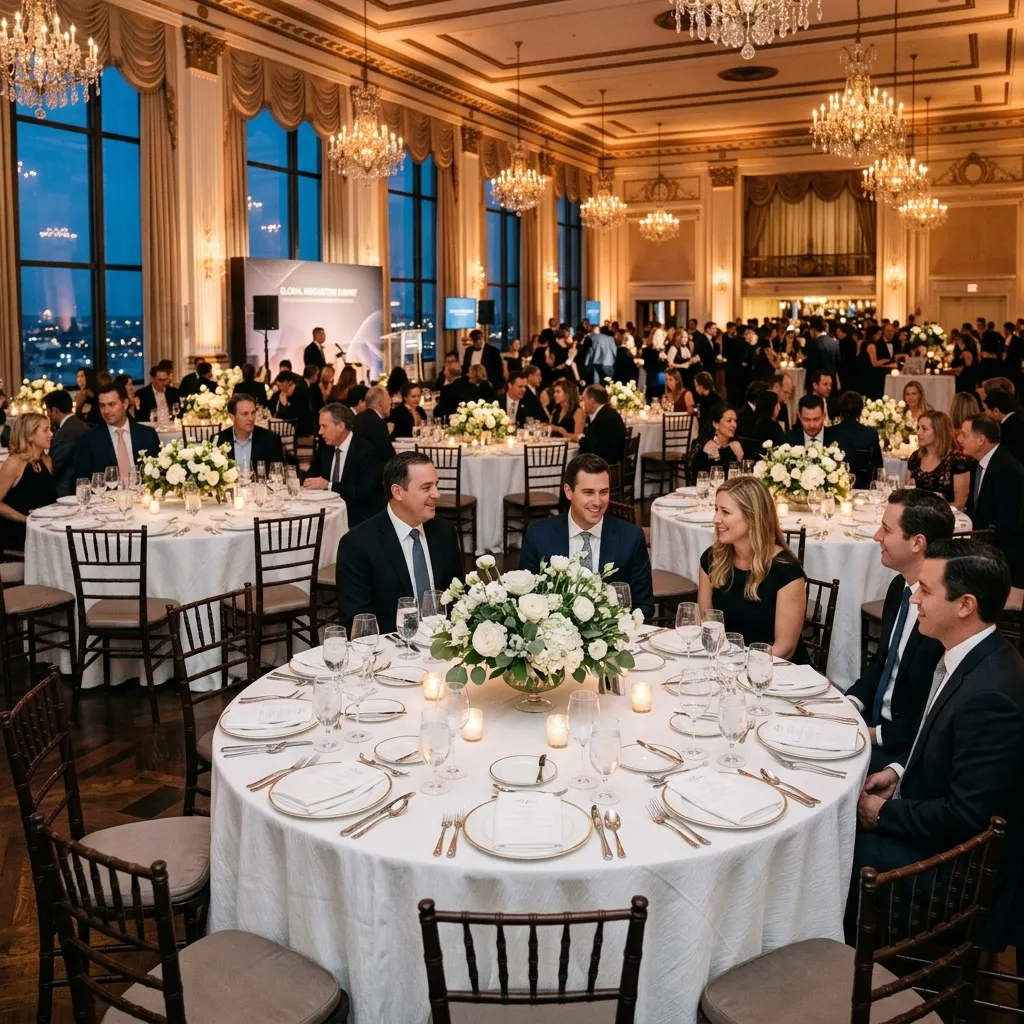
In a gala ballroom, centerpieces must work with large rooms, long sightlines, and formal seating plans. Tall centerpieces can create drama and help define the scale of the room, but they should not obstruct conversation or views to the stage. Many gala planners choose designs that rise above eye level with an open structure, allowing guests to see through the arrangement. This maintains elegance while supporting the event program.
Branding and Sponsorship Considerations
For fundraising galas and corporate events, centerpieces may be a branding opportunity. A floral palette can subtly echo an organization’s colors, while vessel choices can reference the event logo or industry. However, branding should never feel forced. The best gala centerpieces are sophisticated first and branded second, allowing the event identity to emerge through thoughtful detail rather than overt repetition.
Centerpieces for Private Events: Personal, Flexible, and Memorable
Private events include milestone birthdays, anniversaries, showers, retirement parties, dinner parties, holidays, and family celebrations. These events often offer greater creative freedom than weddings or galas, allowing hosts to tailor the centerpiece to a personality, theme, or seasonal moment. Centerpieces for private events can be playful, glamorous, understated, or dramatic depending on the host’s goals.
Designing for Intimate Gatherings
At smaller private events, the centerpiece does not need to be large to make an impact. In fact, intimate dinners often benefit from thoughtful restraint. A few well-placed floral arrangements, candles, and meaningful decorative elements can create more sophistication than a crowded table. The key is balance: the table should feel dressed, but not overworked.
Themed Private Event Centerpieces
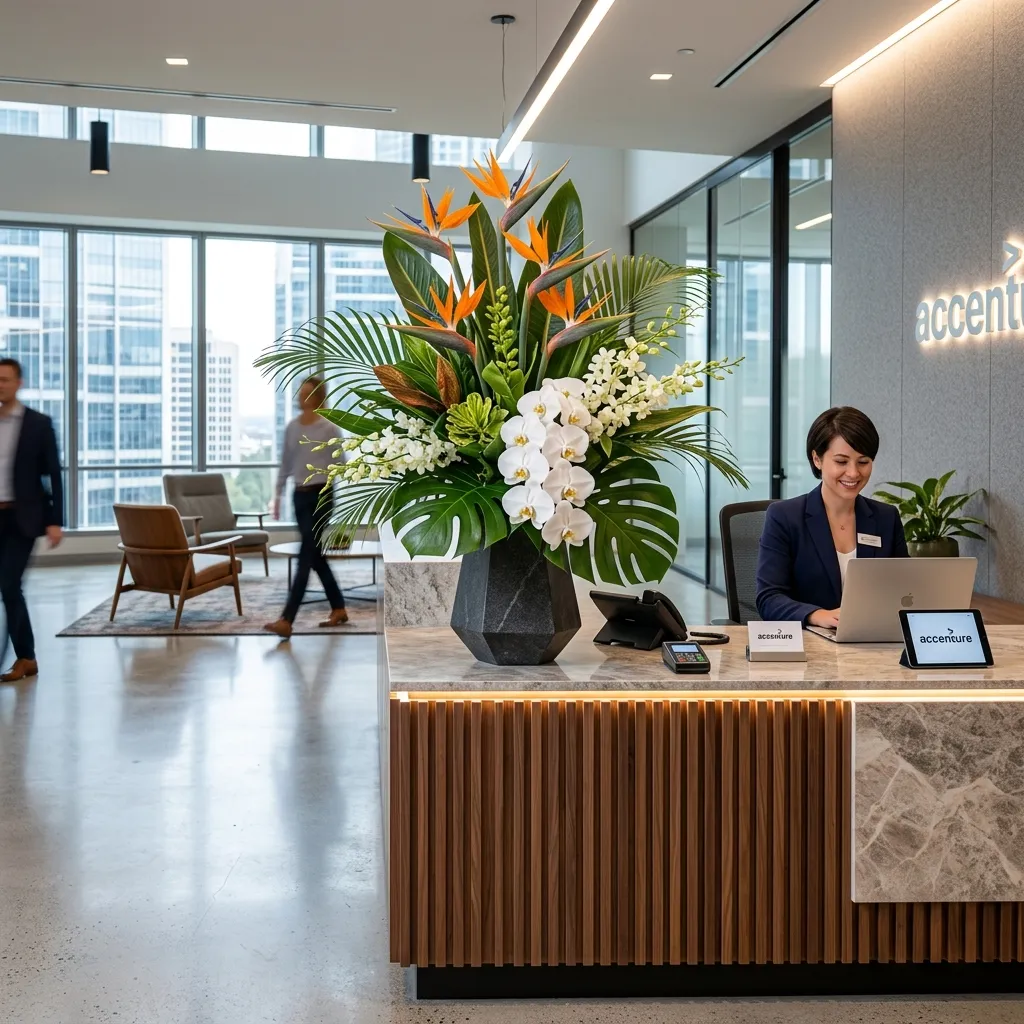
Themed private events invite creativity. A tropical birthday might feature bold birds of paradise, monstera leaves, and citrus accents. A winter anniversary dinner could include white roses, evergreens, pinecones, and candlelight. A glamorous cocktail party might use mirrors, crystal, and orchids. Themed designs should be elevated and cohesive, not novelty-driven. The best themed centerpieces feel like a refined interpretation of the concept.
Choosing the Right Flowers for Centerpieces
Flower selection is one of the most important decisions in centerpiece design. Different blooms offer different visual effects, stem strength, fragrance levels, and price points. The right flowers should match the event’s style, durability needs, and seasonal availability.
Classic Flowers for Centerpieces
- Roses: Timeless, versatile, and available in many varieties and colors.
- Peonies: Lush and romantic, ideal for spring and early summer events.
- Hydrangea: Full and voluminous, excellent for creating softness and scale.
- Ranunculus: Delicate, layered, and elegant with excellent visual texture.
- Orchids: Modern, refined, and long-lasting, often used in luxury designs.
- Calla lilies: Sleek and architectural, perfect for contemporary events.
- Dahlias: Rich and dramatic, especially beautiful in late summer and fall.
Accent Flowers and Textural Elements
Accent flowers add movement and dimension. These may include spray roses, stock, lisianthus, tulips, anemones, sweet peas, waxflower, delphinium, scabiosa, and snapdragons. Textural ingredients such as eucalyptus, ruscus, olive branches, ferns, seeded eucalyptus, and asparagus fern can soften or sharpen the composition depending on the desired effect.
Seasonal Flower Considerations
Seasonality matters for both aesthetics and budget. In-season flowers are often fresher, more abundant, and more cost-effective than imported off-season blooms. Spring weddings may feature peonies, tulips, lilacs, and garden roses. Summer events often shine with roses, hydrangea, dahlias, and zinnias. Autumn centerpieces may include dahlias, amaranthus, chrysanthemums, and warm-toned roses. Winter events often call for amaryllis, anemones, hellebores, evergreens, white roses, and berries.
Color Theory for Centerpieces
Color is one of the strongest tools in centerpiece design. It shapes emotion, supports the venue, and determines how the arrangement photographs. A successful color story does not simply use favorite colors; it creates harmony between linens, tabletop decor, attire, lighting, and overall event identity.
Monochromatic Color Schemes
Monochromatic centerpieces use one color family in multiple tones and textures. For example, all-white designs can feel crisp and luxurious, while all-blush arrangements feel soft and romantic. Monochromatic palettes are especially effective for weddings and galas because they look elegant and cohesive in photos.
Complementary and Contrasting Palettes
Complementary palettes pair colors that sit opposite each other on the color wheel, creating energy and visual tension. Contrasting palettes can be bold and expressive, especially in modern or artistic events. When using contrast, it is important to balance intensity with neutrals so the table still feels refined.
Neutral, Earthy, and Seasonal Palettes
Neutral palettes featuring ivory, cream, beige, taupe, and soft green are popular for their timeless appeal. Earthy palettes with rust, terracotta, olive, wine, and sand evoke warmth and natural elegance. Seasonal color stories can feel especially compelling when they reflect the time of year without becoming cliché.
Scale, Proportion, and Table Geometry
A centerpiece must fit the scale of the table and room. One of the most common design mistakes is choosing an arrangement that is either too small to matter or too large to function. Proper proportion ensures the centerpiece looks intentional and enhances, rather than overwhelms, the table.
Matching Centerpieces to Table Size
Small tables require restraint. A compact yet impactful arrangement is usually best. Medium tables allow for a wider range of designs, including low compotes and mixed-height clusters. Large banquet tables often need repeated elements along the full length of the surface to avoid visual emptiness. Designers should consider the table’s dimensions as carefully as the flowers themselves.
The Role of Negative Space
Negative space is not wasted space. It helps the centerpiece breathe. When a table is too crowded, guests may feel visually overwhelmed. Strategic empty space lets the arrangement stand out and contributes to a more upscale, edited look. This is especially important for modern and luxury event design.
Vessels, Containers, and Structural Elements
The vessel is an essential part of the centerpiece, not an afterthought. The right container can shift the entire mood of the design. Clear glass feels clean and classic. Metallic vessels feel formal and glamorous. Ceramic bowls feel artisanal and organic. Stone, wood, acrylic, and mirrored surfaces each offer a distinct visual language.
Popular Vessel Styles
- Compotes: Pedestal bowls that elevate floral foam-free or foam-based arrangements.
- Glass cylinders: Great for candles, submerged florals, or minimalist stems.
- Bud vases: Ideal for distributed tablescapes and smaller budgets.
- Metal urns: Formal and dramatic, often used for weddings and galas.
- Ceramic bowls: Organic and stylish, perfect for garden-inspired settings.
- Mirrored bases: Reflective and glamorous, useful for candlelight and sparkle.
Structural Additions
Centerpieces may also include non-floral elements such as lanterns, candleholders, branches, fruit, fabric, crystal, or custom sculptural pieces. These elements can add height, depth, and character. For example, branches can create a dramatic silhouette, while candles introduce warmth and movement. The structural elements should support the floral narrative, not distract from it.
Lighting and the Centerpiece Experience
Lighting dramatically affects how centerpieces appear. The same arrangement can look soft and romantic in candlelight, vibrant in daylight, or sophisticated under spotlights. Designers must consider the event’s lighting plan when selecting flowers, vessels, and arrangement height.
Candlelight and Ambient Glow
Candles remain one of the most effective ways to enhance centerpiece design. Tapers create height and elegance, votives bring a flickering glow, and pillar candles offer weight and presence. Candlelight makes floral colors richer and softer, adding intimacy to the table. However, candles must be placed safely and according to venue rules.
How Venue Lighting Influences Design
A ballroom with warm uplighting calls for different decisions than a tented outdoor reception in natural daylight. Bright overhead lighting may require bolder floral contrast, while dim evening settings can support darker, moodier palettes. Good centerpiece design accounts for the venue’s lighting conditions from the beginning.
Fragrance, Allergen Awareness, and Guest Comfort
Centerpieces should delight guests, not distract them. Fragrance is lovely in moderation, but overly fragrant flowers can compete with food or cause discomfort. Strongly scented blooms such as lilies, gardenias, and stock can be beautiful in the right context, but they should be used carefully. For food-centered events, subtle or fragrance-light designs are often best.
Guest comfort also includes avoiding allergens where possible, especially for large gatherings. While flowers themselves are not usually the issue, some heavily pollen-producing blooms or dense arrangements can be problematic for sensitive guests. Experienced designers can recommend low-pollen varieties and strategic placement to minimize issues.
Centerpiece Budgeting: Luxury at Every Price Point
A beautiful centerpiece is not solely a function of budget. It is a function of smart prioritization. A thoughtful design can feel luxurious whether it uses abundant premium blooms or simple, elegant materials. The key is to allocate resources where they will have the most visual impact.
How to Stretch a Centerpiece Budget
- Use seasonal flowers whenever possible.
- Mix premium focal blooms with cost-effective fillers and greenery.
- Choose repeated designs rather than creating a unique arrangement for every table.
- Use candlelight to amplify visual impact without dramatically increasing floral volume.
- Focus ornate designs on focal tables and simplify guest tables.
Where It Is Worth Spending More
It is often worth investing more in focal tables, high-visibility arrangements, and guest-facing moments that will appear in photography. The entrance table, head table, stage tables, and VIP seating can justify a more elevated design because they shape first impressions and event imagery.
Centerpieces and Photography
Centerpieces are photographed constantly, both intentionally and incidentally. They appear in room shots, detail images, guest photos, and stage views. This makes photography an important consideration in design. A centerpiece that looks stunning in person should also translate well on camera.
What Photographs Well
Strong shape, good contrast, layered texture, and balanced color tend to photograph beautifully. Clean lines and well-defined focal points help the camera read the arrangement. Designs that rely too heavily on tiny details without sufficient scale may disappear in wide shots, while overly dense arrangements may flatten visually.
Centerpieces and Social Media
In today’s event landscape, centerpieces are often shared widely on social media. This means they should feel polished from every angle, not just from the guests’ seated perspective. Designers should think in terms of a 360-degree presentation whenever possible, especially for round tables and open floor plans.
Practical Planning Tips for Seamless Centerpiece Design
Planning the perfect centerpiece is easier when you think through logistics early. Successful event design depends on communication between the client, florist, planner, venue, and rental team. Small details can have a major impact on the final result.
Questions to Ask Before Finalizing Centerpieces
- What is the event’s style and formality level?
- What shape and size are the tables?
- Will guests need clear sightlines for conversation or programming?
- Is the event indoors, outdoors, or a mix of both?
- What is the season and expected weather?
- Are candles allowed by the venue?
- Will the centerpiece be moved or repurposed during the event?
- What is the floral and decor budget per table?
Logistics That Affect the Final Design
Delivery timing, setup access, table layout, vendor load-in rules, and venue restrictions all influence centerpiece execution. Outdoor events may require sturdier mechanics due to wind or heat. Historic venues may impose limitations on open flame, hanging elements, or floor protection. A successful design anticipates these conditions rather than reacting to them at the last minute.
Common Centerpiece Mistakes to Avoid
Even beautiful flowers can fall short if the centerpiece is not designed for the event experience. Avoiding these common mistakes can make the difference between a table that simply looks nice and one that feels professionally curated.
Overcrowding the Table
When a centerpiece takes up too much surface area, it can interfere with place settings, food service, and guest comfort. A well-designed table should feel inviting, not cramped.
Ignoring Sightlines
Tall arrangements can be stunning, but if guests cannot see across the table, conversation becomes difficult. Always balance beauty with usability.
Choosing Flowers Without Considering Season or Venue
Some blooms wilt quickly in heat or perform poorly in certain climates. Others may clash with the venue’s lighting or style. A thoughtful florist considers these variables before making recommendations.
Using Too Many Competing Elements
Centerpieces should feel curated. Too many colors, vessel types, textures, and decorative extras can create visual noise. Simplicity and discipline often read as more luxurious than excess.
How to Create a Cohesive Centerpiece Strategy Across the Event
The best events do not treat centerpieces as isolated objects. They are part of a complete design system that includes ceremony florals, entrance pieces, bar arrangements, lounge decor, escort displays, and stage design. A cohesive strategy creates a seamless guest journey from arrival to departure.
Design Continuity from Ceremony to Reception
Wedding florals can often be repurposed from the ceremony to the reception, allowing couples to maximize both budget and visual continuity. Aisle arrangements may become guest table accents, and altar florals can frame a sweetheart table or photo backdrop. This approach creates a unified aesthetic while making the most of the investment.
Building a Unified Visual Language
A successful event design often repeats a few core elements: a color family, a floral vocabulary, a vessel style, and a mood. When those elements are consistent, the event feels intentional. Even if each table is slightly different, the overall experience remains cohesive.
Working with a Florist for Custom Centerpieces
Partnering with an experienced florist is one of the best ways to ensure your centerpieces succeed. A professional can translate inspiration into an executable design, recommend flowers that suit the season, and guide you toward choices that balance beauty, budget, and practicality. This collaboration is especially valuable for weddings and galas, where the stakes are high and the design must perform in real time.
When working with a florist, bring as much information as possible: venue photos, table dimensions, guest count, inspiration images, dress code, color palette, and budget range. The more context your florist has, the more precise the recommendation will be. A strong florist-client relationship leads to centerpieces that feel both personal and expertly crafted.
Final Thoughts: The Art and Strategy of Unforgettable Centerpieces
The ultimate centerpiece is not just a decoration. It is a design statement, a hospitality tool, and a visual memory in the making. For weddings, it supports romance and celebration. For galas, it elevates the room and reinforces prestige. For private events, it adds personality and meaning. Across every occasion, the best centerpieces work because they are thoughtfully balanced: beautiful but functional, expressive but not distracting, luxurious but tailored to the event’s needs.
If you approach centerpiece design with attention to scale, color, seasonality, lighting, guest comfort, and the architecture of the table itself, you will create something that feels seamless and sophisticated. The flowers may be the centerpiece’s most visible feature, but the true craft lies in how all the pieces work together. That is what transforms a table setting into an experience.
At Flowers El Ranchito, we believe centerpieces should do more than fill space. They should create atmosphere, invite connection, and reflect the significance of the occasion. Whether your event calls for classic romance, modern elegance, or bold, high-impact drama, the right centerpiece can bring your vision to life with grace and lasting impression.
Frequently Asked Questions
Direct answers regarding flower delivery, custom ordering, and arrangements in the San Fernando Valley.
How tall should a wedding centerpiece be? ▾
A wedding centerpiece should either stay low enough for easy conversation or rise high enough above eye level to preserve sightlines. The safest rule is to avoid the awkward mid-height zone that blocks faces across the table.
What flowers work best for gala centerpieces? ▾
Roses, orchids, hydrangea, calla lilies, anthurium, peonies, and seasonal premium blooms are excellent for galas because they photograph beautifully, hold up well under event lighting, and create a polished, high-end look.
How far in advance should centerpieces be planned? ▾
Centerpieces should be planned at least six to eight weeks in advance for smaller events and three to six months ahead for weddings or large galas, especially if you need specific flowers, custom vessels, or coordinated rentals.
Request a Custom Order or Quote
Planning an event or looking for fresh bouquets? Tell us your vision and our Mission Hills floral designers will contact you with options & pricing.