The Ultimate Guide to Tabletop Florals for Restaurants, Hotels, and Venues
Flowers El Ranchito Expert Advice
The Ultimate Guide to Tabletop Florals for Restaurants, Hotels, and Venues
Tabletop florals do far more than decorate a surface. In restaurants, hotels, event venues, and hospitality spaces, they shape first impressions, influence atmosphere, reinforce brand identity, and elevate the overall guest experience. The right floral design can make a dining room feel intimate, a lobby feel luxurious, a banquet hall feel polished, or a special event feel unforgettable. In other words, tabletop florals are not an accessory; they are a strategic design element.
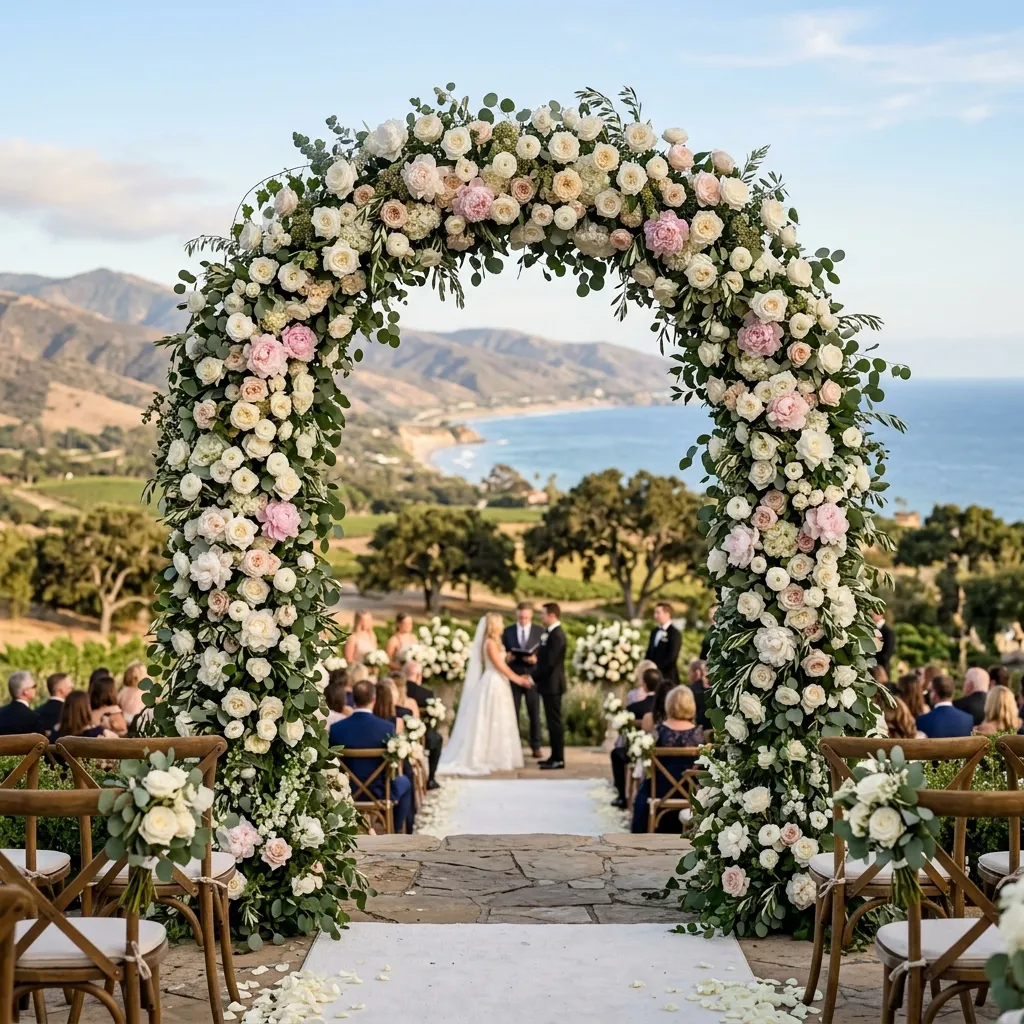
For hospitality businesses, floral arrangements must do more than look beautiful. They must be functional, durable, consistent with the brand, appropriate for the venue’s scale, and designed with operational realities in mind. Centerpieces cannot block conversation, obstruct sightlines, interfere with service, or wilt after a few hours. They must be visually compelling while also being practical, cost-effective, and easy to maintain. That balance is what makes tabletop florals both an art and a business decision.
This definitive guide explores every important aspect of tabletop florals for restaurants, hotels, and venues. Whether you are designing for intimate candlelit dinners, upscale lobby displays, private dining rooms, conference centers, wedding receptions, or luxury hospitality spaces, this guide will help you understand the principles, styles, flower selection strategies, maintenance needs, budgeting considerations, and seasonal best practices that go into creating exceptional tabletop floral designs.
Why Tabletop Florals Matter in Hospitality
They shape the guest experience
Guests notice the table first. Before they taste the food, meet the staff, or explore the venue, they experience the atmosphere. Tabletop florals contribute to that atmosphere by introducing color, texture, fragrance, and visual rhythm. A well-designed centerpiece can make a room feel thoughtful and curated. A poorly chosen one can make a room feel cluttered, dated, or disconnected from the rest of the design.
They communicate brand identity
Every hospitality business has a brand story, even if it is not explicitly stated. A fine-dining restaurant may want florals that feel elegant and restrained. A boutique hotel may prefer fresh, contemporary arrangements that reflect its modern aesthetic. A grand ballroom may call for lush, formal arrangements that suggest celebration and luxury. Tabletop florals are one of the easiest ways to express that identity consistently.
They enhance perceived value
Guests often associate floral styling with quality and care. Even modest arrangements can elevate perceived value when they are well executed. In restaurants, this can influence how guests feel about the level of service. In hotels, it can reinforce a sense of refinement and attention to detail. In venues, it can help create a premium environment that photographs beautifully and impresses clients.
They improve photography and social sharing
Today, many hospitality spaces live as much on social media as they do in person. Thoughtful tabletop florals create more photogenic scenes for guests, event planners, and marketing teams. They can improve the visual appeal of dining tables, cocktail tables, reception tables, and feature displays, increasing the likelihood that guests will share photos and tag the venue.
Understanding the Different Hospitality Settings
Restaurants
In restaurants, tabletop florals must balance style with operational efficiency. Arrangements should complement the cuisine, the décor, and the pace of service. They must also be designed to avoid obstructing views between diners or interfering with plates, glasses, and staff movement. Restaurants often benefit from smaller, lower-profile arrangements that repeat consistently across tables.
Hotels
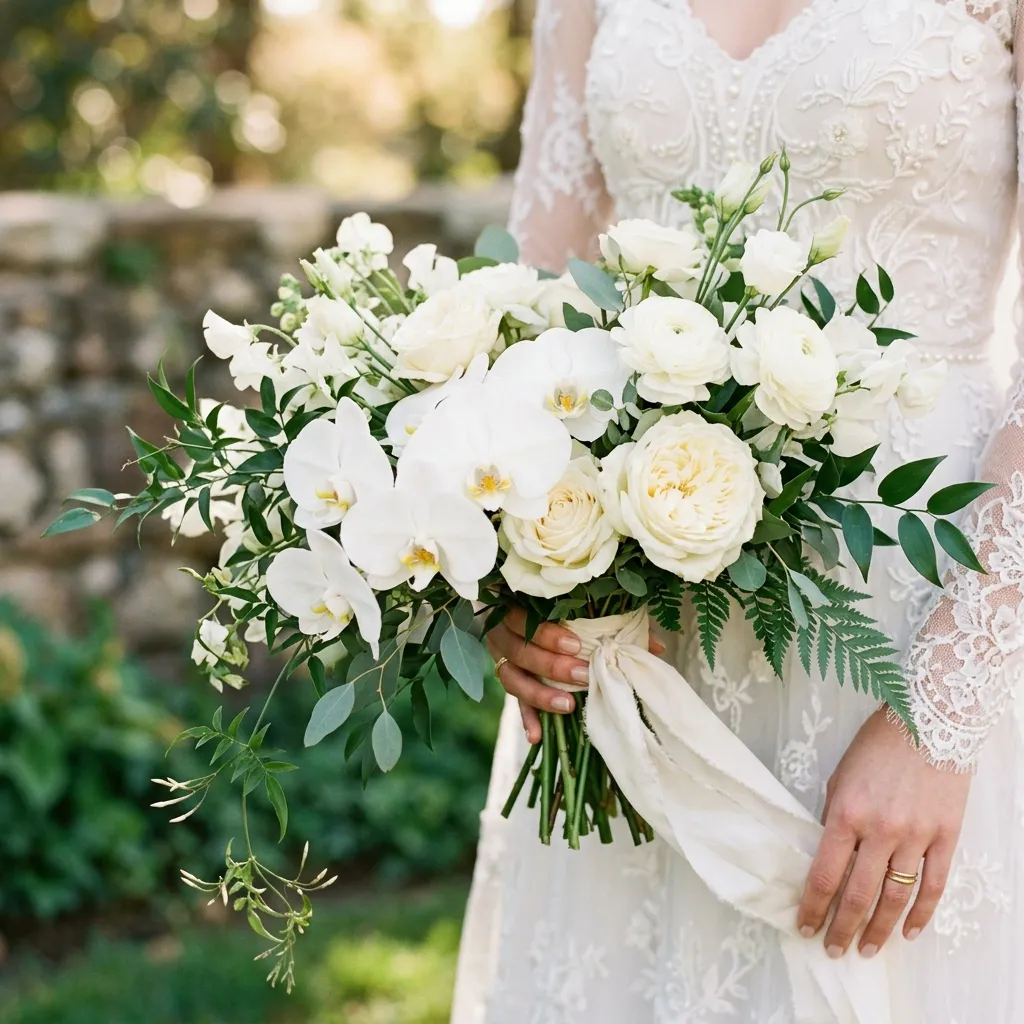
Hotels require floral designs that work across multiple environments, including lobbies, lounges, breakfast areas, restaurants, conference rooms, and guest-facing event spaces. Tabletop florals in hotels should feel polished and cohesive while still adapting to the tone of each area. A lobby arrangement may be more dramatic, while a breakfast table may call for something light and understated.
Venues
Venues, including wedding halls, conference centers, banquet facilities, and private event spaces, often require tabletop florals that can be customized for different event types. Flexibility is essential. The best venue florals are designed with modularity in mind so they can be scaled up or down depending on guest count, table shape, season, and event style.
The Core Principles of Effective Tabletop Floral Design
Scale and proportion
The arrangement should suit the table, the room, and the overall experience. A centerpiece that is too tall may block conversation or overwhelm a small round table. A piece that is too small may disappear in a large ballroom. Proper proportion ensures that the arrangement feels intentional rather than accidental.
Visibility and conversation
In hospitality settings, guests need to see one another. For dining tables especially, low-profile designs are often preferred because they preserve conversation lines. If height is part of the design, it should be carefully placed above eye level or supported in a way that does not obstruct sightlines.
Color harmony
Color should support the mood of the space. Soft pastels can feel romantic and serene. Deep jewel tones can feel luxurious and dramatic. Whites and greens may suggest freshness and timeless elegance. Color choice should also consider the existing palette of tableware, linens, lighting, and interior décor.
Texture and depth
The most memorable floral designs combine different flower forms and foliage textures. Roses, orchids, hydrangeas, ranunculus, tulips, eucalyptus, ruscus, and seasonal greenery can create contrast and depth. Texture helps the arrangement feel rich and dimensional rather than flat.
Freshness and longevity
Hospitality florals must hold up in real-world conditions. They may need to last through a lunch service, an evening event, a multi-day conference, or repeated daily use in a hotel setting. Flower selection, hydration methods, and environmental conditions all affect longevity.
Choosing the Right Floral Style for Your Space
Classic and formal
Formal arrangements are ideal for upscale restaurants, grand hotels, and traditional venues. They often feature symmetrical structure, elegant blooms, and refined color palettes. Roses, lilies, orchids, hydrangeas, and seasonal statement flowers are common in this style.
Modern and minimalist
Minimalist tabletop florals emphasize clean lines, negative space, and architectural composition. These are especially effective in contemporary restaurants, boutique hotels, and design-forward venues. A few striking stems in a low vase may be more effective than a dense arrangement.
Romantic and lush
Lush arrangements with abundant petals and soft movement are popular for special events, weddings, and intimate dining experiences. This style often uses layered blooms, cascading greenery, and rich textures to create a sense of indulgence and warmth.
Natural and garden-inspired
Garden-style florals feel relaxed, organic, and welcoming. They work beautifully in venues that want to appear fresh and approachable, as well as in farm-to-table restaurants or boutique properties with a locally inspired identity. This style often includes loose shapes, seasonal blooms, and airy greenery.
Contemporary luxury
Luxury hospitality florals may feature orchids, calla lilies, anthuriums, premium roses, and sculptural foliage. These designs are often polished, intentional, and highly curated. They can make a striking statement in lobbies, VIP lounges, private dining rooms, and event head tables.
Best Flower Choices for Tabletop Florals
Roses
Roses remain one of the most versatile choices for hospitality florals. They are classic, recognizable, and available in a wide range of colors and forms. Spray roses and garden roses can be especially effective in centerpieces because they add softness and volume.
Hydrangeas
Hydrangeas offer lush fullness and work well when you want an arrangement to feel abundant. They are common in both restaurant and event settings, though they do require proper hydration to maintain freshness.
Orchids
Orchids are ideal for contemporary, elegant environments. Their sculptural quality makes them especially well suited for hotels and upscale venues. They can be used as single stems or integrated into more elaborate arrangements.
Calla lilies
Calla lilies provide sleek lines and sophistication. They are often chosen for modern spaces and formal events because they bring a clean, tailored look to the table.
Tulips
Tulips offer movement and freshness. They are a great choice for spring-inspired tables, breakfast settings, and casual-luxury environments. Their graceful curves can soften a table arrangement without making it feel overly formal.
Peonies
Peonies are highly desirable for their fullness and romantic appeal. When in season, they add instant luxury to tabletop designs. They are especially popular for weddings, private events, and premium hospitality presentations.
Seasonal flowers
Seasonal blooms often provide the best value and the freshest look. Dahlias, ranunculus, anemones, chrysanthemums, lisianthus, and other seasonal flowers can create dynamic arrangements that reflect the time of year and keep the design feeling relevant.
Greenery and fillers
Greenery is essential for shape, movement, and balance. Eucalyptus, ruscus, ferns, ivy, pittosporum, and other foliage varieties can soften edges, add volume, and extend the life of the design. Thoughtful filler flowers and foliage also help create more economical arrangements without sacrificing beauty.
Table Shape, Size, and Layout Considerations
Round tables
Round tables are common in restaurants and events. They typically work best with compact, centered arrangements that do not spread too far outward. For larger round tables, a fuller centerpiece or a clustered arrangement may be appropriate, especially if the table seats more guests.
Rectangular tables
Rectangular tables allow for more flexibility. You may use a series of smaller arrangements, a long and low design, or several repeating elements along the table. This format is ideal for creating rhythm and visual continuity.
Square tables
Square tables often benefit from symmetrical arrangements or simple, centered designs. Because the proportions are balanced, the floral style can be relatively clean and structured without feeling sparse.
Banquet and family-style tables
Long banquet tables require extra care because they often serve both aesthetic and functional purposes. Florals should leave space for serving dishes, shared platters, and conversation. Low runners, scattered bud vases, and modular floral clusters are often excellent choices.
Cocktail and side tables
Cocktail tables and accent tables are ideal for smaller, more expressive arrangements. These surfaces may be used for drinks, signage, or decorative focal points, so the floral design should be visually appealing without consuming too much usable space.
Height: The Most Important Practical Decision
Low arrangements
Low arrangements are typically the safest choice for dining tables and guest interaction areas. They preserve sightlines, allow easy conversation, and create a more intimate feel. They are especially effective in restaurants and at seated events.
Tall arrangements
Tall arrangements can be dramatic and memorable when used correctly. They work well in large venues, lobby displays, or event tables where there is enough space and height to support them. If used on dining tables, they should be carefully designed to avoid blocking views or appearing top-heavy.
Mixed-height styling
One of the most effective design strategies is to combine low and elevated elements throughout a space. For example, a venue might use low centerpieces for dining tables and tall florals for entry tables, cocktail displays, or feature points. This creates variety while maintaining overall cohesion.
Designing for Different Hospitality Goals
Creating intimacy
For romantic dining, private rooms, or boutique hospitality settings, floral designs should feel warm, soft, and inviting. Small-scale arrangements with delicate blooms and subtle fragrance can make a space feel intimate without overwhelming it.
Creating luxury
Luxury is often communicated through restraint, quality, and precision. High-end tabletop florals use premium materials, clear color direction, and expert composition. Fewer, better blooms can be more effective than oversized arrangements with no focus.
Creating energy
Bright color palettes, dynamic shapes, and playful flower combinations can energize a space. These designs work well in lively restaurants, celebratory venues, and hospitality spaces that want to feel vibrant and social.
Creating calm
Soft neutral palettes, airy spacing, and natural textures can create a soothing environment. Hotels, wellness-oriented venues, and upscale cafés often benefit from floral styling that feels peaceful and balanced.
Seasonal Strategy for Tabletop Florals
Spring
Spring florals often emphasize freshness, softness, and renewal. Tulips, peonies, ranunculus, hyacinths, daffodils, and garden roses can create a bright and optimistic feel. This is a strong season for pastel palettes and light, airy compositions.
Summer
Summer arrangements can be lush and vibrant. Dahlias, zinnias, sunflowers, hydrangeas, roses, and seasonal greenery can create a lively atmosphere. In warmer climates, longevity and heat tolerance are especially important.
Autumn
Fall tabletop florals often lean into rich tones, textural elements, and a sense of depth. Chrysanthemums, roses, dahlias, berries, and foliage in rust, amber, burgundy, and gold create warmth and seasonal sophistication.
Winter
Winter designs may be more elegant and restrained, often using whites, greens, deep reds, and metallic accents. Amaryllis, orchids, roses, pine, cedar, and evergreen elements can make the arrangement feel festive or luxurious depending on the setting.
Fragrance, Allergies, and Guest Comfort
Choosing fragrance carefully
Fragrance can enhance ambiance, but it must be used thoughtfully in hospitality spaces. Strongly scented florals may interfere with food aromas in restaurants or cause discomfort for sensitive guests. It is often better to use lightly scented or scent-neutral flowers for tabletop designs in dining environments.
Allergy awareness
Restaurants, hotels, and venues should consider common allergies and sensitivities when selecting flowers. Avoid excessive pollen and overly fragrant blooms in spaces with close guest interaction. If needed, discuss allergy-friendly options with your florist to reduce risk while maintaining beauty.
Clean presentation matters
Petals, pollen, water spills, and shedding foliage can all affect guest comfort. Well-maintained arrangements should be clean, secure, and properly conditioned to avoid mess on linens, glassware, or menu cards.
Operational Considerations for Hospitality Teams
Durability and replacement schedules
Tabletop florals in hospitality environments should be planned around usage patterns. A busy restaurant may need arrangements refreshed several times a week, while a hotel lobby installation might need less frequent but more robust maintenance. Event florals may only need to last a single day, but they still must look flawless from setup through teardown.
Ease of service
Servers, housekeeping teams, and event staff need to move around floral arrangements without difficulty. Designs should not create obstacles for placing dishes, clearing tables, resetting spaces, or cleaning surfaces. Practicality is essential for smooth operations.
Water safety and containment
Water leakage can damage linens, table finishes, and décor. Arrangements should be secured in containers that protect the surface beneath them. This is especially important in upscale dining rooms and venues with expensive furnishings.
Transport and setup
For venues and events, florals must travel well. Arrangements should be designed and packaged to withstand transport, quick setup, and possible repositioning. Efficient installation is a major factor in large-scale hospitality floral planning.
Budgeting for Tabletop Florals
Factors that affect cost
The price of tabletop florals depends on flower type, seasonality, size of arrangements, container choice, labor, delivery, installation, and maintenance. Rare flowers or elaborate custom designs will generally cost more than simpler seasonal compositions.
Where to spend and where to save
For hospitality clients, it is often wise to invest in focal areas that guests see most frequently, such as host stands, dining room center tables, lobby tables, reception points, and VIP areas. Savings can be found by using seasonal flowers, repeating designs across multiple tables, or mixing premium focal blooms with supportive greenery and fillers.
Subscription and recurring service models
Many restaurants and hotels benefit from recurring floral service. A subscription model can provide consistent quality, regular refreshes, and seasonal updates while helping control costs. This approach is especially effective for businesses that want year-round polish without the burden of managing florals internally.
Tabletop Florals for Restaurants: Best Practices
Keep designs low and functional
Restaurant centerpieces should usually remain low enough to preserve conversation and easy service. Small, refined arrangements often work better than oversized displays. The goal is to add beauty without inconvenience.
Match the cuisine and concept
Floral design should feel aligned with the restaurant’s personality. A modern sushi bar may use clean, minimal arrangements. A Mediterranean bistro might favor organic, herbaceous styling. A steakhouse may call for darker, richer compositions. The florals should feel like part of the storytelling.
Consider table turnover
High-volume restaurants need durable florals that stay attractive through repeated service cycles. This may call for sturdy blooms, water-safe containers, and arrangements that can be refreshed quickly between shifts.
Avoid overpowering small spaces
In intimate dining rooms, even a beautiful arrangement can feel intrusive if it is too large or too fragrant. Scale and placement matter more than volume. Simplicity is often the most effective choice.
Tabletop Florals for Hotels: Best Practices
Coordinate across multiple spaces
Hotels often require a family of floral designs that feel connected without being identical. A cohesive palette or flower selection can tie together the lobby, restaurant, lounges, and meeting areas while still allowing each space to have its own personality.
Prioritize polish and consistency
Hotel guests encounter floral arrangements at different times and in different moods. Consistency helps reinforce a sense of quality. Flowers should be fresh, containers should be clean, and arrangements should feel intentionally placed throughout the property.
Create memorable arrival moments
The lobby is one of the most important places for tabletop florals in a hotel. A striking arrangement on a welcome table, concierge desk, or lounge surface can set the tone for the stay. These pieces should be welcoming and visually memorable without becoming overwhelming.
Design for multiple audiences
Hotels serve business travelers, families, couples, event guests, and long-term visitors. Tabletop florals should be elegant and broadly appealing, avoiding overly niche or theme-heavy looks unless they are tied to a specific event or seasonal promotion.
Tabletop Florals for Venues: Best Practices
Build flexible floral systems
Venues often host a variety of events, from corporate gatherings to weddings to holiday parties. Floral systems should be adaptable, allowing the same basic style to be scaled and modified according to event type, budget, and guest count.
Plan for table variations
Not every event uses the same table size or shape. Your floral approach should accommodate rounds, rectangles, long family tables, cocktail tables, and specialty seating areas. Modular arrangements and low-profile clusters are often the most practical solution.
Photography matters
For venues, florals are not only about live experience but also about the images that will circulate afterward. Centerpieces should photograph well from multiple angles and hold up under event lighting, flash photography, and video capture.
Support event themes without looking temporary
Even themed events should feel elevated. The best venue florals interpret the theme through color, texture, and shape rather than relying on novelty alone. This creates a more timeless and professional result.
Common Mistakes to Avoid
Overly tall arrangements on dining tables
Nothing disrupts guest comfort faster than a centerpiece that blocks conversation or staff movement. Height should always be assessed in relation to table use.
Poor color coordination
Flowers that clash with linens, wall colors, or tableware can make the entire setting feel disjointed. Floral design should be integrated into the room, not isolated from it.
Using flowers that are too delicate for the environment
Some blooms are beautiful but impractical in warm rooms, busy service settings, or spaces with direct sunlight. Choosing flowers based only on appearance can lead to short lifespans and wasted budget.
Ignoring maintenance
Even the best arrangement will degrade if it is not refreshed. Water changes, stem trimming, flower rotation, and timely replacement are essential in hospitality settings where presentation must remain consistent.
Working with a Professional Florist
Why expertise matters
A professional florist brings more than flower knowledge. They understand design balance, sourcing, seasonality, installation, longevity, and how to create arrangements that function in commercial environments. That expertise can save time, reduce waste, and improve presentation quality.
What to communicate
To get the best results, provide your florist with clear information about your space, brand, table sizes, lighting, color palette, service schedule, guest volume, and event type. Photos of the room and examples of styles you like are also very helpful.
Ask about maintenance and rotation
For recurring floral programs, ask how arrangements will be maintained, refreshed, and replaced. A great florist should be able to recommend a service cadence that keeps the display fresh and aligned with your operational needs.
How to Create a Cohesive Floral Program
Define your floral identity
Start by identifying the emotional effect you want to create. Do you want to feel romantic, modern, fresh, lavish, seasonal, or calm? That core identity should guide every table arrangement.
Standardize key elements
Choose a recurring color palette, container family, or floral style to build recognition across your property or event program. Standardization does not mean repetition without variety; it means creating a recognizable visual language.
Adapt seasonally
Seasonal updates keep floral programs feeling alive and relevant. Small changes in flower type, accent color, or greenery can refresh the look while preserving the underlying brand identity.
The Lasting Value of Tabletop Florals
Tabletop florals are one of the most powerful design tools in hospitality because they influence both emotion and function. They welcome guests, support branding, elevate tablescapes, improve photography, and contribute to a sense of care and quality. When designed well, they become part of the experience rather than a separate decorative layer.
For restaurants, tabletop florals can reinforce ambiance and make every meal feel more considered. For hotels, they create polished touchpoints that shape the guest journey. For venues, they help transform ordinary surfaces into memorable event moments. Across all three settings, the principles remain the same: choose the right flowers, respect the space, balance beauty with practicality, and maintain consistency over time.
The most successful tabletop floral programs are intentional. They are designed with the guest in mind, aligned with the brand, and supported by professional execution. Whether you prefer understated elegance or lush floral abundance, the key is to create arrangements that feel seamless, elevated, and appropriate for the setting.
If your hospitality business is ready to invest in tabletop florals, the best approach is to think beyond decoration and consider the full guest experience. Beautiful flowers do not just sit on a table. They shape the mood of the room, communicate quality, and leave a lasting impression long after the meal, stay, or event is over.
Frequently Asked Questions
Direct answers regarding flower delivery, custom ordering, and arrangements in the San Fernando Valley.
How tall should tabletop florals be for restaurants and hotels? ▾
As a rule, keep arrangements low enough for guests to see across the table comfortably—typically under 12 inches for dining tables, unless the design is placed on a sideboard, host stand, or cocktail table where height won’t interfere with conversation.
What flowers last longest in tabletop arrangements? ▾
Durable options like roses, carnations, orchids, alstroemeria, spray roses, chrysanthemums, and certain seasonal greens tend to perform well. Longevity also depends on hydration, temperature, and how often the arrangement is handled.
How often should tabletop florals be refreshed in hospitality spaces? ▾
Most hospitality spaces benefit from a weekly refresh, but high-traffic restaurants or warm venues may need partial replacement or conditioning every few days to keep the florals looking crisp and guest-ready.
Request a Custom Order or Quote
Planning an event or looking for fresh bouquets? Tell us your vision and our Mission Hills floral designers will contact you with options & pricing.