The Ultimate Guide to Sustainable Flower Farming for Premium Florists
Flowers El Ranchito Expert Advice
The Ultimate Guide to Sustainable Flower Farming for Premium Florists
Sustainable flower farming is no longer a niche trend reserved for a handful of boutique growers. It has become a defining standard for premium florists, luxury event designers, and discerning customers who expect exceptional beauty without compromising environmental responsibility. In today’s floral industry, sustainability is about far more than avoiding harmful chemicals. It is a comprehensive approach to growing, harvesting, handling, and delivering flowers in ways that protect soil health, conserve water, support biodiversity, reduce emissions, and strengthen local economies.
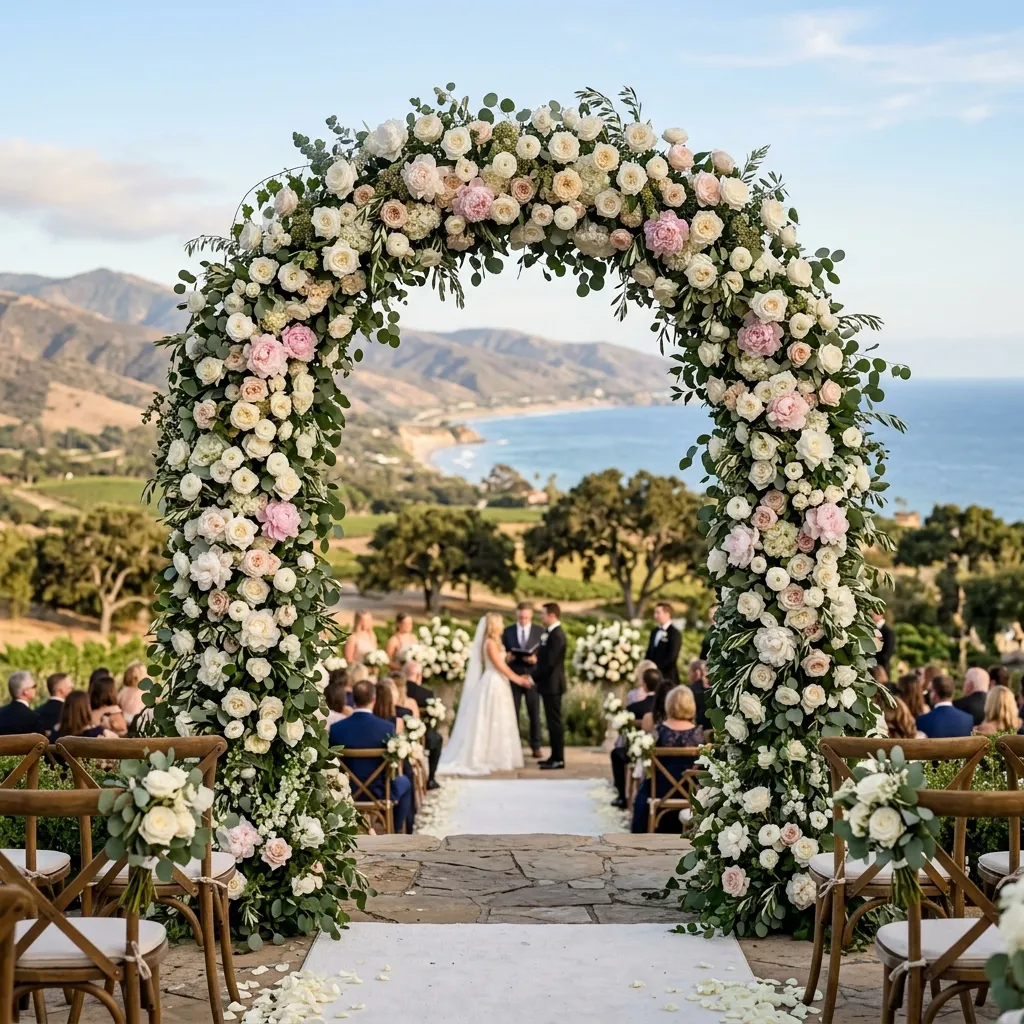
For premium florists, sustainability carries an additional layer of importance. High-end floral work depends on freshness, stem quality, color consistency, seasonality, and reliability. Sustainable farming practices, when implemented correctly, do not reduce quality; they can enhance it. Flowers grown in healthy soil with thoughtful crop rotation, biological pest management, and careful post-harvest handling often last longer, perform better in design work, and offer more unique character than industrially grown alternatives.
This guide is designed as a cornerstone resource for florists, growers, event professionals, and floral business owners who want to understand the full landscape of sustainable flower farming. Whether you are building a farm-to-vase sourcing model, evaluating wholesale partners, or considering your own cut flower production, this article will walk you through the principles, methods, certifications, economics, and strategic advantages of sustainable flower farming for premium floristry.
What Sustainable Flower Farming Really Means
Sustainable flower farming is the practice of producing cut flowers and foliage in a way that supports long-term ecological balance, economic viability, and social responsibility. It seeks to minimize negative environmental impacts while preserving the quality and beauty required in the premium floral market.
In practical terms, a sustainable flower farm aims to:
- Maintain or improve soil fertility over time
- Reduce reliance on synthetic pesticides and fertilizers
- Conserve water and manage irrigation efficiently
- Protect pollinators and beneficial insects
- Support local labor and ethical working conditions
- Limit waste across production, packaging, and distribution
- Reduce carbon emissions through local or regional sourcing
- Produce high-quality stems suited to premium design work
Unlike conventional large-scale flower production, which often prioritizes volume and shipping endurance above all else, sustainable flower farming considers the full lifecycle of the flower. That includes the health of the land where it is grown, the safety of the people handling it, the energy used to produce it, and the end-of-life impact of packaging and waste.
Why Sustainable Flower Farming Matters to Premium Florists
Premium florists are in a unique position. Their clients often value craftsmanship, rarity, storytelling, and ethical sourcing as much as visual impact. Sustainability is therefore not merely a back-end operational choice; it can become a powerful brand differentiator.
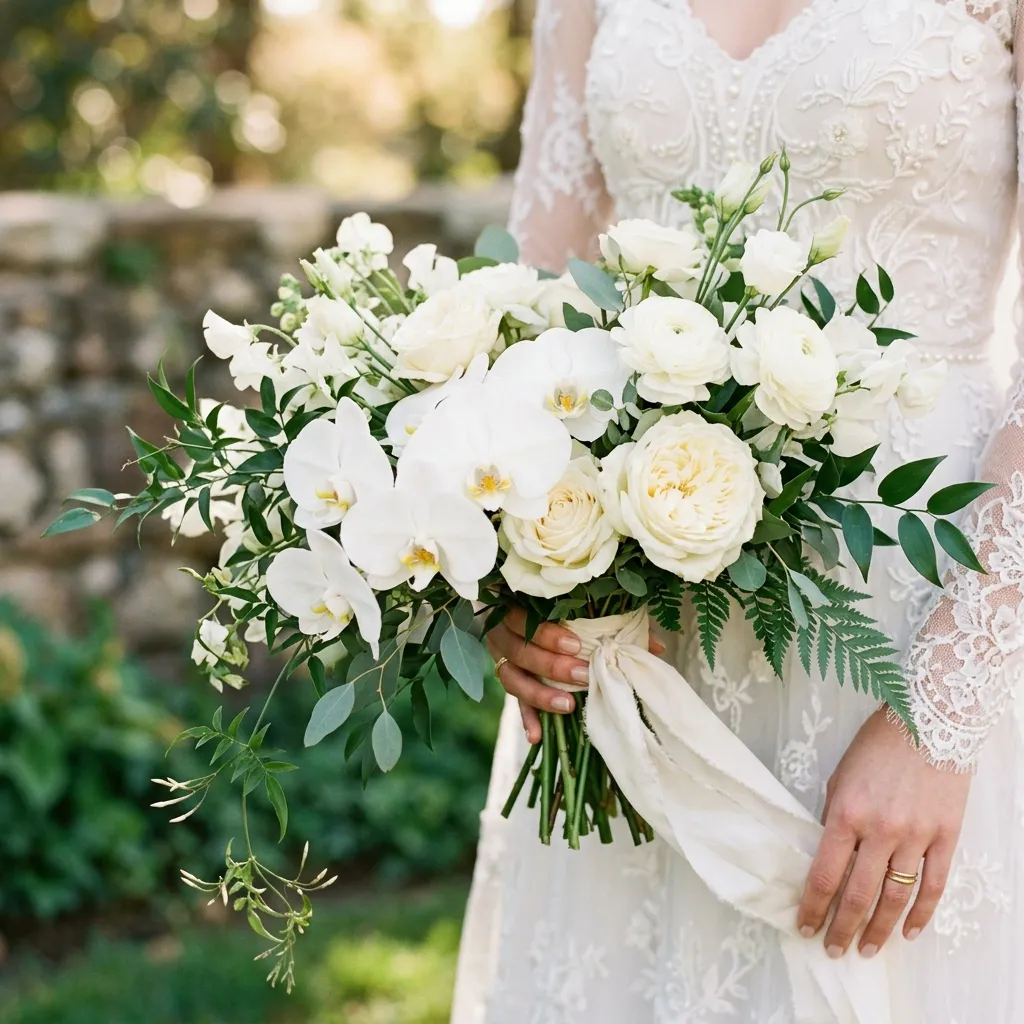
Better Quality and Fresher Stems
Locally and sustainably grown flowers often reach the florist with less transit time, less cold-chain stress, and fewer preservatives. This can translate into better hydration, stronger petal structure, and improved vase life. For weddings, installations, and high-touch floral work, that reliability matters.
Stronger Brand Identity
Consumers increasingly want to know where their flowers come from, how they were grown, and whether the floral business aligns with their values. Premium florists who source sustainably can tell a compelling story that enhances trust, loyalty, and perceived value.
Seasonal Design Excellence
Sustainable flower farms typically emphasize seasonal availability rather than forcing out-of-season production with energy-intensive systems. For florists, this encourages more inspired design work and a refined aesthetic rooted in nature’s rhythm rather than imported uniformity.
Reduced Environmental Footprint
Flowers shipped long distances may carry significant hidden costs, including fuel use, refrigeration, packaging waste, and emissions. Sustainable sourcing helps reduce those impacts while supporting local agricultural systems.
The Core Principles of Sustainable Flower Farming
To understand sustainable flower farming at a professional level, it helps to examine its foundational principles. These principles guide decision-making on the farm and help florists evaluate whether a grower is truly operating sustainably.
1. Soil Health First
Healthy soil is the foundation of sustainable agriculture. Soil rich in organic matter, microbial life, and balanced nutrients creates stronger plants, better water retention, and more resilient stems. Sustainable farms prioritize compost, cover crops, reduced tillage, and natural amendments over quick-fix chemical inputs.
2. Biodiversity Over Monoculture
Growing a diverse mix of crops reduces the risk of pest outbreaks and disease cycles. Biodiversity also supports pollinators, birds, and beneficial insects, creating a more stable ecosystem. For florists, diverse farms often produce more interesting product palettes and unique varieties.
3. Integrated Pest Management
Rather than relying exclusively on pesticides, sustainable growers use integrated pest management, or IPM. This includes monitoring pest populations, using traps, encouraging beneficial insects, rotating crops, and only using targeted interventions when necessary.
4. Water Stewardship
Water is one of the most critical inputs in flower farming. Sustainable operations use drip irrigation, mulching, rainwater harvesting, and soil-building practices to minimize waste and maximize efficiency.
5. Local and Ethical Labor Practices
Sustainability includes people. Fair wages, safe working conditions, proper training, and humane labor practices are essential components of a truly sustainable flower farm.
6. Low-Waste Systems
From composting spent blooms to choosing recyclable or reusable packaging, sustainable farms and florists alike aim to reduce waste throughout the supply chain.
Soil Management for Sustainable Flower Production
Soil management is one of the most important areas where sustainable flower farming differs from conventional production. Flowers are demanding crops, especially when grown for premium stem length and bloom size, so soil must be replenished regularly rather than depleted.
Building Organic Matter
Compost is a cornerstone of sustainable flower farming. It improves soil structure, supports beneficial microbes, and releases nutrients slowly over time. Manure-based compost, leaf mold, and plant-based compost all contribute to healthy fertility if properly prepared.
Cover Crops and Green Manures
Cover crops such as clover, rye, oats, vetch, and buckwheat protect bare soil, suppress weeds, reduce erosion, and add nutrients. When turned into the soil or terminated appropriately, they become green manure that feeds future flower crops.
Crop Rotation
Rotating flower families helps reduce pest pressure and disease buildup. For example, moving heavy feeders after legumes or alternating susceptible crops with unrelated species can improve yields and long-term soil performance.
Reduced Tillage
Excessive tilling disrupts soil structure and microbial life. Sustainable farmers often use minimal tillage approaches to preserve the living soil ecosystem while still preparing productive beds.
Soil Testing and Precision Fertility
Regular soil testing helps growers apply amendments based on actual need rather than guesswork. This prevents over-fertilization, reduces runoff, and supports balanced growth. For premium floristry, precise fertility management can improve stem strength, color intensity, and bloom quality.
Water Conservation Strategies in Flower Farming
Water management is essential for sustainable flower production, especially in regions facing drought, rising costs, or irrigation restrictions. A flower farm that uses water wisely not only conserves resources but often produces healthier crops.
Drip Irrigation
Drip irrigation delivers water directly to the root zone, reducing evaporation and runoff. It is far more efficient than overhead watering and helps minimize foliar disease by keeping leaves dry.
Mulching
Organic mulch such as straw, shredded leaves, or composted materials helps retain soil moisture, moderate soil temperature, and suppress weeds. This reduces the need for frequent watering.
Rainwater Harvesting
Collecting rainwater from greenhouse roofs, barns, and other structures can supplement irrigation and reduce pressure on municipal or groundwater sources.
Soil Structure Improvements
Healthy soils hold more moisture. By increasing organic matter and reducing compaction, growers improve the soil’s capacity to store water for longer periods.
Scheduling and Monitoring
Smart irrigation scheduling based on weather conditions, evapotranspiration, and soil moisture monitoring prevents overwatering. Sustainable farms avoid routine watering habits and instead respond to real plant and soil needs.
Pest and Disease Management Without Heavy Chemical Dependence
One of the biggest misconceptions about sustainable flower farming is that it cannot produce the flawless blooms demanded by luxury floristry. In reality, sustainable growers often achieve excellent quality by focusing on prevention, observation, and biological balance.
Integrated Pest Management in Practice
Integrated pest management starts with prevention. Healthy soil, good spacing, strong airflow, sanitation, and resistant varieties all reduce pest and disease pressure before it starts.
Encouraging Beneficial Insects
Lady beetles, lacewings, parasitic wasps, hoverflies, and predatory mites can all help control harmful insect populations. Farms that plant habitat strips and insectary flowers support these natural allies.
Physical and Mechanical Controls
Row covers, insect netting, hand removal, pruning, and sanitation are all effective tools. These methods reduce the need for broad-spectrum chemical treatments.
Disease Prevention Through Airflow and Spacing
Many fungal diseases thrive in damp, crowded conditions. Sustainable growers space crops appropriately, prune strategically, and avoid overhead watering late in the day.
Selective, Responsible Inputs
When intervention is necessary, sustainable farms may use targeted organic or low-impact products. The goal is always to minimize ecological disruption while preserving crop quality.
Choosing Sustainable Flower Varieties for Premium Markets
Not all flowers perform equally in sustainable systems. Premium florists and growers should choose varieties based on beauty, resilience, vase life, and regional suitability.
Seasonal Specialty Flowers
Seasonal flowers such as ranunculus, anemones, tulips, sweet peas, dahlias, zinnias, cosmos, celosia, and lisianthus are popular in sustainable cut flower programs. Many of these varieties offer striking form and color while aligning naturally with local growing windows.
Heritage and Open-Pollinated Varieties
Open-pollinated and heirloom varieties often provide greater genetic diversity and may adapt better to local conditions. They can also offer unique textures and colors that appeal to premium clients seeking artistry and individuality.
Long-Lasting Foliage
Premium floristry depends not only on blooms but also on high-quality foliage. Eucalyptus, ruscus alternatives, ferns, shrubs, herbs, and ornamental branches can be sustainably grown or locally harvested for sophisticated arrangements.
Climate-Appropriate Selection
The most sustainable flower is often the one best suited to the region. Choosing varieties that thrive in local conditions reduces water use, heat stress, and the need for protective inputs.
Harvesting Practices That Protect Quality and Sustainability
Harvesting is one of the most important points in the flower supply chain. Even the most sustainably grown flower can lose quality if harvested at the wrong stage or handled poorly.
Harvest at the Right Maturity
Different flowers should be cut at specific stages depending on their species and intended use. Some should be harvested at a tight bud stage for transport durability, while others are best cut when one-third to half the florets are open. Sustainable growers understand these nuances to optimize vase life and reduce waste.
Harvest During Cooler Hours
Early morning or late evening harvesting helps preserve hydration and reduce heat stress. Cooler stems generally last longer and require less aggressive conditioning.
Clean Tools and Sanitation
Clean blades, buckets, and work surfaces reduce contamination and disease spread. Sanitary harvest practices are essential in any premium operation.
Immediate Hydration and Conditioning
Flowers should be placed in clean water or conditioning solution immediately after harvest. Proper hydration supports quality during transport and extends vase life for the end customer.
Gentle Handling
Bruised petals, bent stems, and damaged foliage reduce market value. Sustainable does not mean rustic in a careless sense. Premium sustainable flowers require careful handling at every stage.
Post-Harvest Handling and Cold Chain Management
For premium florists, post-harvest handling is just as important as how flowers are grown. Flowers are living products, and the way they are cooled, stored, packed, and shipped has a direct impact on quality.
Pre-Cooling
Removing field heat quickly slows respiration and preserves freshness. Pre-cooling methods include cool rooms, forced-air cooling, or simply moving flowers promptly into a temperature-controlled environment.
Hydration Management
Flowers must be kept in clean water with appropriate hydration solutions when required. Some stems benefit from short conditioning periods before sale or design use.
Temperature Control
Stable cool temperatures extend vase life. Excessive heat exposure during packing, transit, or retail display can dramatically shorten performance.
Packaging with Sustainability in Mind
Premium farms and florists are rethinking packaging by using recyclable paper, compostable materials, reusable crates, and minimal plastic. The ideal packaging protects the product without adding unnecessary waste.
Transport Efficiency
Consolidated deliveries, regional logistics, and optimized routes reduce emissions. For local florists, sourcing from nearby sustainable farms can significantly lower the environmental footprint compared to imported flowers.
Certifications and Standards in Sustainable Flower Farming
Certifications can help florists and consumers identify farms that meet certain environmental or social standards. However, certification is not the only measure of sustainability.
Organic Certification
Organic certification verifies that a farm meets strict standards for allowed inputs and production practices. It is valuable, though not all sustainable farms are certified organic due to cost or regional limitations.
Fair Trade and Social Responsibility Standards
Fair labor and equitable working conditions are vital in flower production. Certifications focused on labor ethics help protect workers and provide transparency in the supply chain.
Local and Regenerative Labels
Some farms emphasize regenerative practices, local sourcing, or low-input systems without formal certification. While these labels can be meaningful, they require careful vetting and open communication.
What Florists Should Ask
Rather than relying solely on labels, florists should ask growers about soil management, pesticide use, water conservation, labor practices, packaging, and delivery methods. Transparent conversation often reveals more than a logo ever could.
The Business Case for Sustainable Flower Farming
Sustainability is not only a moral or environmental choice; it can also be a smart business strategy for both growers and florists.
Higher Perceived Value
Premium clients often pay more for products that are locally grown, ethically sourced, and aligned with contemporary values. Sustainable flowers can justify higher price points when the quality and story are strong.
Brand Differentiation
In a crowded floral marketplace, sustainability helps create a distinct identity. A florist who can speak confidently about seasonal sourcing, grower partnerships, and waste reduction stands out.
Reduced Input Dependency
Over time, healthy soils and integrated systems can reduce reliance on expensive synthetic inputs, even if the transition requires upfront investment.
Customer Loyalty
Clients who connect with a florist’s sustainability values are more likely to return and refer others. Trust is especially important in the premium segment.
Resilience in a Changing Climate
Farms built around biodiversity, soil health, and water efficiency are often better positioned to adapt to climate volatility, pests, and supply chain disruptions.
How Premium Florists Can Evaluate Sustainable Flower Farms
Premium florists often serve as the bridge between growers and the end customer. Choosing the right farm partners is a strategic decision that affects design quality, brand integrity, and operational consistency.
Assess Transparency
Do growers willingly discuss their methods, inputs, and labor practices? Transparency is one of the strongest indicators of authenticity.
Inspect Stem Quality
Look for straight stems, healthy foliage, strong bloom structure, and reliable vase life. Sustainability should never be an excuse for poor quality.
Review Availability and Reliability
Can the farm supply the quantities needed for weddings, retail, and events? Sustainable sourcing must still meet professional standards of consistency.
Ask About Seasonality
A trustworthy sustainable farm will be clear about what grows well locally and when. It is a positive sign when a grower celebrates seasonality instead of promising impossible year-round availability.
Evaluate Packaging and Delivery
Check whether stems are delivered in reusable, recyclable, or compostable packaging and whether transport methods align with your brand values.
The Role of Seasonality in Premium Sustainable Floristry
Seasonality is one of the most beautiful advantages of sustainable flower farming. Rather than forcing nature into a uniform year-round schedule, seasonality invites florists to work with what is abundant, expressive, and at its best in each moment.
Designing with the Season
Spring may bring tulips, narcissus, hellebores, and ranunculus. Summer offers dahlias, zinnias, amaranthus, and sunflowers. Autumn introduces chrysanthemums, asters, berries, and rich foliage. Winter may highlight evergreens, branches, dried elements, and protected greenhouse crops.
Creating Exclusivity Through Limited Availability
Seasonal scarcity can actually increase desirability in the premium market. When a flower is available only for a short window, it feels special and distinctive.
Improving Design Authenticity
Seasonal arrangements tend to feel more natural, elegant, and emotionally resonant. Clients often respond strongly to flowers that reflect the actual time of year rather than generic imported blooms.
Regenerative Flower Farming and the Future of the Industry
Regenerative flower farming goes beyond sustainability by actively restoring and improving ecosystems. While sustainability aims to maintain resources, regeneration seeks to rebuild them. This approach is gaining significant attention in the floral world.
What Regenerative Practices Look Like
- Permanent soil cover
- Heavy use of compost and organic matter
- Polyculture and biodiversity support
- Reduced or no synthetic inputs
- Habitat creation for pollinators and wildlife
- Carbon-sequestering agriculture methods
- Water infiltration improvements
For premium florists, regenerative farms can offer not only beauty but a compelling narrative of ecological renewal. This is especially powerful for clients who want their celebrations and brand events to embody positive impact.
Common Challenges in Sustainable Flower Farming
While sustainable flower farming has many advantages, it is not without challenges. Understanding these helps florists and growers build realistic expectations and better partnerships.
Higher Labor Requirements
Without heavy chemical shortcuts, sustainable farming often requires more monitoring, hand weeding, careful harvesting, and attentive crop management.
Seasonal Limitations
Not every flower can be grown locally year-round, especially in colder climates. Premium florists must plan around natural availability or invest in protected cultivation.
Price Sensitivity
Locally grown sustainable flowers may cost more than mass-produced imports. Educating customers about value is essential.
Inconsistent Supply
Weather, pests, and seasonal shifts can affect availability. Strong communication and flexible design planning help mitigate this issue.
Scaling Responsibly
As demand grows, farms must expand without compromising soil health, labor standards, or ecological principles. Sustainable growth must be intentional.
How Florists Can Support Sustainable Growers
Florists are not passive buyers in the sustainable flower economy. Their purchasing decisions shape the market and influence how farms operate.
Commit to Seasonal Buying
When florists design around local seasonality, they create dependable demand for sustainable farms.
Order Early and Communicate Clearly
Advance planning helps growers allocate crops effectively, reducing waste and improving fulfillment.
Pay Fair Prices
Sustainable production requires labor, time, and expertise. Fair pricing allows growers to continue investing in soil, people, and quality.
Use the Story in Your Marketing
Share the origin of the flowers with clients. Highlight the grower, the season, and the care behind each stem.
Minimize Waste in the Studio
Reuse buckets, compost green waste, choose efficient ordering quantities, and repurpose design leftovers when possible.
Marketing Sustainable Flowers to Premium Clients
Premium customers do not just buy flowers; they buy an experience, a philosophy, and a point of view. Marketing sustainable flowers effectively means connecting craftsmanship with values.
Tell a Clear Origin Story
Explain where the flowers were grown, who grew them, and why the sourcing matters. Specificity builds credibility.
Emphasize Beauty and Performance
Sustainability should be framed as an enhancement, not a compromise. Talk about freshness, texture, fragrance, and vase life in addition to environmental benefits.
Use Visual Content
Show the farm, the harvest process, the design studio, and the finished arrangement. Clients respond strongly to authenticity and behind-the-scenes transparency.
Educate Without Preaching
Offer useful, elegant explanations of seasonal availability, local sourcing, and eco-friendly packaging. The tone should inspire confidence, not guilt.
Best Practices for Building a Sustainable Flower Supply Chain
A sustainable flower business is more than a farm. It is an interconnected supply chain that includes growers, wholesalers, florists, drivers, event teams, and clients.
Establish Long-Term Partnerships
Stable relationships help growers plan production and help florists receive consistent quality.
Plan for Crop Diversity
Relying on multiple crops and multiple growers reduces risk and expands creative possibilities.
Standardize Quality Expectations
Create clear expectations around stem length, bloom stage, hydration, packaging, and delivery schedules.
Track Waste and Seasonality
Monitor what is ordered, used, discarded, composted, or repurposed. Data can improve decision-making and reduce waste over time.
Continuously Improve
Sustainability is not a final destination. It is an ongoing process of refinement, learning, and adaptation.
The Future of Sustainable Flower Farming for Premium Florists
The future of premium floristry will likely be shaped by sustainability at every level. Climate pressures, consumer awareness, and the rising value of transparency are all pushing the industry toward more responsible sourcing and production models.
We can expect to see greater demand for local cut flowers, expanded use of regenerative practices, more sophisticated post-harvest systems, improved packaging solutions, and stronger storytelling around floral origin. Florists who embrace sustainable sourcing now will be better positioned to lead in the years ahead.
For growers, sustainable flower farming offers a path toward long-term resilience and distinctive market positioning. For florists, it offers a meaningful way to create beauty that aligns with modern values. And for clients, it offers confidence that their flowers are not only exquisite, but thoughtfully grown.
Conclusion: Sustainable Flower Farming as a Premium Standard
Sustainable flower farming is not an optional add-on for premium florists. It is becoming a defining standard of excellence. The best floral businesses of the future will be those that can combine artistry, reliability, and environmental responsibility in a seamless customer experience.
When flowers are grown in living soil, harvested with care, handled responsibly, and delivered through efficient systems, their beauty is elevated. They feel more meaningful, more local, and more connected to the world around them. That deeper value is exactly what premium clients seek.
For florists, embracing sustainable flower farming means investing in quality, integrity, and long-term business strength. For growers, it means building resilient systems that honor both the land and the market. And for the floral industry as a whole, it means creating a future where beauty and stewardship flourish together.
Frequently Asked Questions
Direct answers regarding flower delivery, custom ordering, and arrangements in the San Fernando Valley.
What makes a flower farm truly sustainable, not just marketed that way? ▾
A truly sustainable flower farm protects soil structure, uses water efficiently, reduces synthetic inputs where possible, supports biodiversity, and maintains consistent postharvest quality. The key test is whether the system improves over time instead of depleting the land and shortening vase life.
Can sustainable farming still produce the premium blooms florists demand? ▾
Yes. In fact, premium florists often prefer sustainably grown flowers because healthy soils and careful crop management can improve stem strength, color intensity, fragrance, and vase life. Sustainability and luxury are not opposites when the farm is managed well.
What is the biggest mistake growers make when transitioning to sustainable flower production? ▾
The biggest mistake is focusing only on inputs and ignoring systems. Swapping products without improving soil biology, irrigation timing, sanitation, harvest handling, and variety selection usually leads to inconsistent quality. Sustainable success comes from the whole production chain.
Request a Custom Order or Quote
Planning an event or looking for fresh bouquets? Tell us your vision and our Mission Hills floral designers will contact you with options & pricing.