The Ultimate Guide to Reception Florals: Tablescapes, Installations, and Statement Pieces
Flowers El Ranchito Expert Advice
The Ultimate Guide to Reception Florals: Tablescapes, Installations, and Statement Pieces
Reception florals are more than decorative accents; they are one of the most powerful design elements in a wedding or special event. From the first moment guests walk into the space to the final toast on the dance floor, florals shape the atmosphere, guide the eye, and bring the entire celebration to life. The right floral design can make a ballroom feel romantic and intimate, transform a tent into a lush garden, or turn a simple banquet hall into an unforgettable experience.
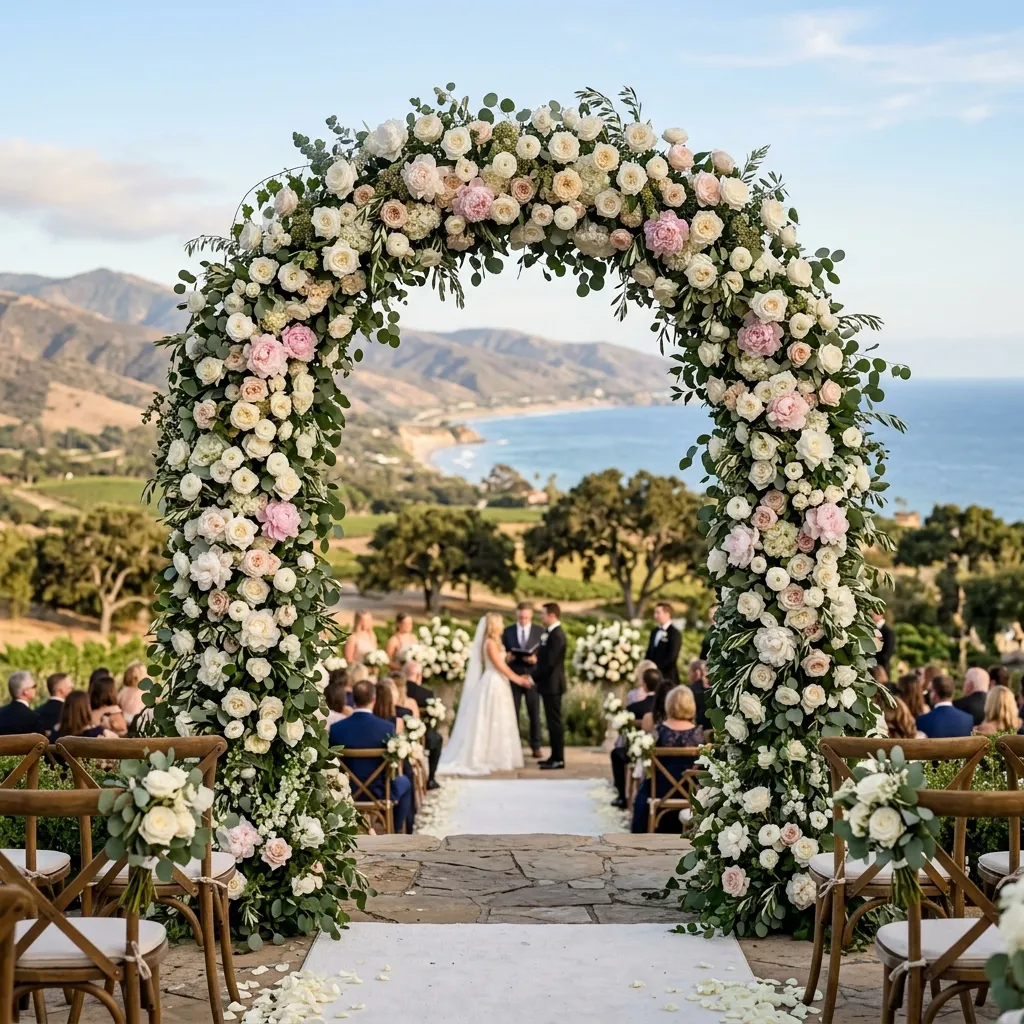
At Flowers El Ranchito, we believe reception flowers should do more than “match” the event. They should tell a story, reflect the couple’s style, complement the venue architecture, and support the overall guest experience. Whether you are planning an elegant black-tie wedding, a modern minimalist reception, or a vibrant cultural celebration, your floral strategy can elevate every table, corner, and focal point of the room.
This comprehensive guide explores everything you need to know about reception florals, with a deep dive into tablescapes, floral installations, and statement pieces. You will learn how to plan your floral priorities, choose the right blooms and structures, coordinate with your venue, and build a cohesive reception design that feels intentional from beginning to end.
Why Reception Florals Matter
Reception florals are the visual language of the event. They communicate mood, style, and scale before a single word is spoken. A softly cascading centerpiece can create romance. A modern monofloral arrangement can express sophistication. An overhead installation can transform a blank room into an immersive floral environment. Because the reception is where guests spend the most time, florals here have a major impact on how the celebration feels and how memorable it becomes.
Unlike ceremony flowers, which are often seen briefly and in a single direction, reception florals are experienced from multiple angles and over several hours. Guests interact with them at the table, photograph them, admire them from across the room, and experience them as part of the larger ambiance. This means reception florals must be both beautiful and functional.
The best reception floral designs support three key goals:
- Atmosphere: They create a mood, whether romantic, joyful, luxurious, whimsical, or contemporary.
- Flow: They help define the room, direct attention, and support the layout of the event.
- Experience: They enhance dining, conversation, photography, and overall guest comfort.
Building a Reception Floral Vision
Before selecting specific flowers or centerpiece styles, it is important to define the overall floral vision. Strong reception floral design starts with the event’s aesthetic and practical needs. Consider the venue, season, guest count, table layout, lighting, and the emotional tone you want to create.
Start with the Venue
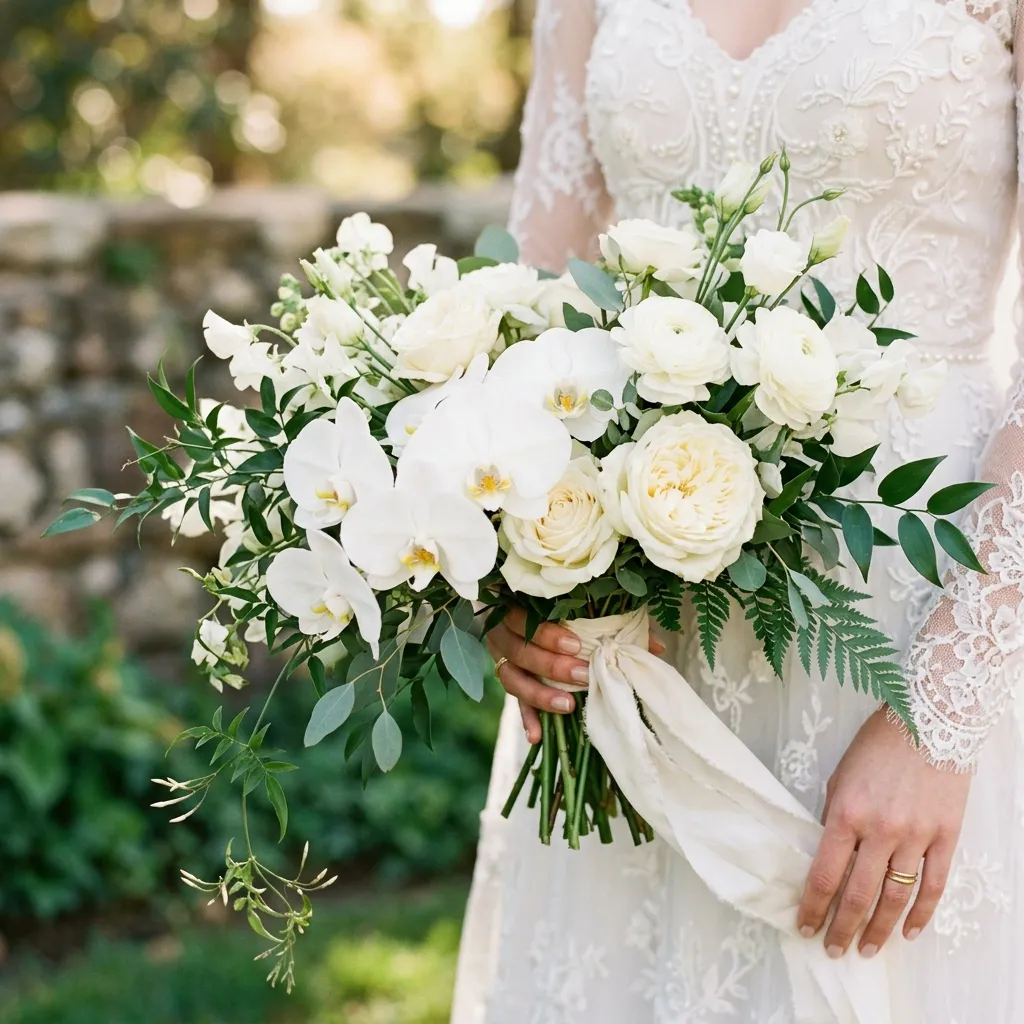
The venue is the foundation of your floral design. A historic estate may call for abundant, romantic arrangements that complement ornate architecture. A modern industrial loft may benefit from structured florals with cleaner lines. A beachfront reception might need airy designs that move with the breeze, while a tented garden wedding might invite lush, overflowing compositions.
Look at the existing features of the space:
- Ceiling height
- Window placement
- Wall color
- Flooring texture
- Natural light
- Architectural details
- Available anchor points for installations
Good floral design should enhance the venue, not compete with it.
Define the Mood and Style
Reception florals should align with the broader design direction. Ask yourself what the event should feel like. Some common floral moods include:
- Romantic: Soft color palettes, layered blooms, garden-style arrangements
- Modern: Clean shapes, limited palettes, sculptural compositions
- Classic: Timeless roses, hydrangeas, symmetrical designs
- Garden-inspired: Loose, organic arrangements with natural movement
- Luxurious: Rich textures, dramatic scale, abundant florals
- Bohemian: Wild, textural, slightly asymmetrical designs
Choosing a clear style direction helps ensure that tablescapes, installations, and statement pieces feel connected rather than random.
Plan Around the Guest Experience
Beautiful florals should never interfere with comfort. Guests need to see and speak to each other across tables, navigate the room easily, and enjoy their meal without obstruction. That means centerpiece height, scent levels, and placement all matter.
As you plan, consider:
- Will guests be able to converse over the centerpiece?
- Will installations block signage, lighting, or important views?
- Will the florals crowd the dance floor or service areas?
- Are the arrangements suitable for long dinners and photography?
Reception floral design should feel indulgent, not intrusive.
Tablescapes: The Heart of Reception Floral Design
Tablescapes are often the most visible and interactive floral element at a reception. They define the dining experience and create a sense of intimacy and refinement. A well-designed tablescape is not just a centerpiece; it is a complete tabletop composition that may include florals, candles, linens, vessels, fruit, greenery, menus, and other styling details.
What Makes a Great Tablescape
A strong tablescape balances form and function. It should feel lush and layered while still allowing plates, glassware, and conversation to coexist comfortably. Great tablescapes use repetition, texture, and height variation to create visual interest without clutter.
Key elements often include:
- Centerpiece or floral runner
- Candles of varying heights
- Textured linens
- Elegant place settings
- Accent blooms or petals
- Decorative vessels or compotes
Low Centerpieces vs. Tall Centerpieces
One of the first major decisions in reception floral design is whether to use low or tall centerpieces. Each has distinct visual and practical advantages.
Low centerpieces create a more intimate, conversational feel. They are ideal for long banquet tables, romantic settings, and designs that emphasize abundant tabletop styling. Low arrangements can be compact and sculpted or sprawling and garden-like.
Tall centerpieces add drama, vertical movement, and elegance. They work well in large rooms with high ceilings, where visual impact is needed to balance the space. Tall arrangements often use elevated vessels, suspended floral elements, or branching structures to bring the design upward.
Many receptions benefit from a mix of both. Alternating low and tall arrangements can create rhythm and variation across the room, especially on long guest tables.
Floral Runners and Garland Tablescapes
Floral runners are among the most elegant reception floral choices. Rather than isolated arrangements, they create a continuous flow of blooms and greenery that guides the eye down the length of the table. These can be lush and organic or structured and symmetrical, depending on the desired aesthetic.
Garland tablescapes are especially effective for:
- Long banquet tables
- Family-style receptions
- Rustic-luxe or garden-inspired weddings
- Spaces where uninterrupted tabletop movement is preferred
Runners and garlands can incorporate roses, orchids, ranunculus, eucalyptus, jasmine vine, ivy, seeded greens, and seasonal blooms. Candles woven through the floral line add glow and dimension.
Classic Centerpieces for Round Tables
Round tables often require a focal arrangement that feels balanced from every angle. Classic centerpieces may be designed in compotes, urns, footed bowls, or low glass vessels. The arrangement should be full enough to anchor the table but not so wide that it overwhelms place settings.
For round tables, symmetry often plays a larger role. A centerpiece that looks beautiful from all sides ensures that every guest enjoys the same experience. Repeating the same composition throughout the room can create a polished, cohesive look.
Modern Tablescapes with Negative Space
Not every reception tablescape needs to be densely floral. In modern design, negative space can be just as impactful as abundance. Sparse arrangements with intentional placement can feel editorial, fresh, and sophisticated.
This style often uses:
- Single-stem vessels
- Small bud vases grouped in clusters
- Minimal floral accents along the table
- Strong candle styling
- Intentional use of linen and table texture
Minimal tablescapes are ideal for contemporary venues, artistic couples, and events where the decor should feel refined rather than overflowing.
Color Story for Tablescapes
The floral palette should work with the linens, dinnerware, stationery, and ambient lighting. Popular approaches include monochromatic palettes, tonal layering, complementary colors, or deliberate contrast for impact.
Some design principles to keep in mind:
- Soft pastels create romance and lightness.
- White and green offer timeless elegance and versatility.
- Deep jewel tones add drama and richness.
- Warm neutrals feel organic and understated.
- Vibrant hues bring energy and cultural vibrancy.
Tablescapes work best when flower color is intentionally echoed in at least one other design detail, such as napkins, candles, menu cards, or glassware.
Reception Floral Installations: Creating an Immersive Experience
Floral installations are the showpieces of reception design. They transform the architecture of the room, establish visual drama, and create unforgettable photo moments. Installations can be suspended, mounted, anchored, or integrated into the venue environment. Their purpose is not just decoration but transformation.
Overhead Floral Installations
Overhead installations are among the most striking reception floral features. They draw the eye upward, making a space feel larger, more layered, and more immersive. These designs may include hanging flowers, greenery canopies, floral chandeliers, or suspended meadow-style compositions.
Overhead florals are especially effective for:
- Ballrooms with high ceilings
- Clear-top tents
- Dance floors
- Head tables
- Long banquet tables
When designing an overhead installation, scale and structural safety are essential. The arrangement should feel substantial without obstructing sight lines or venue operations. Lighting, rigging, and weight distribution must all be carefully planned with the venue and floral team.
Floral Chandeliers
Floral chandeliers blend artistry with architectural impact. They can be created with fresh flowers, hanging greenery, crystals, candlelight, or mixed materials. These pieces work beautifully above dance floors, sweetheart tables, or center points of the reception space.
A floral chandelier can be classic and symmetrical or loose and organic. For romantic events, cascading blooms and vines create softness. For modern receptions, a more sculptural chandelier with selective floral placement can feel elegant and contemporary.
Suspended Garden Canopies
A suspended canopy creates the feeling of dining beneath a floral ceiling. This effect is particularly memorable in tented receptions or venues with exposed beams. Canopies can be full and abundant, or selectively placed in key zones such as the dining area or lounge.
Benefits of a floral canopy include:
- Immersive guest experience
- Enhanced photographs
- Clear visual zoning within a large space
- Opportunity to unify ceiling and table design
Because canopy installations affect the entire room, they should be designed with the full event layout in mind.
Entry Installations and Welcome Moments
The reception begins the moment guests enter the space. Entry installations set the tone and create anticipation. These may include floral arches, pedestal arrangements, staircase florals, welcome table accents, or dramatic doorway pieces.
An impactful entry floral design should:
- Signal the event style immediately
- Draw guests inward
- Create a strong first photo opportunity
- Transition the ceremony mood into the reception atmosphere
These pieces are especially valuable when the reception room itself is simple and needs a strong opening statement.
Wall Installations and Floral Backdrops
Wall florals create powerful focal points behind head tables, dessert stations, bars, lounges, and photo opportunities. They can be lush and full or sleek and sculptural. A floral wall can provide a beautiful backdrop for speeches, cake cutting, or portraits while reinforcing the event’s overall color palette.
Popular wall installation styles include:
- Floral hedge walls
- Organic asymmetrical panels
- Greenery-covered frames with bloom clusters
- Vertical garden-inspired installations
When used thoughtfully, wall florals help define high-visibility moments and maximize the visual return on the floral investment.
Statement Pieces: The Florals That Define the Room
Statement pieces are the hero elements of reception floral design. These are the arrangements or installations that command attention, anchor photos, and create a memorable sense of spectacle. While tablescapes provide rhythm and consistency, statement pieces provide drama and identity.
Sweetheart Table Florals
The sweetheart table is often the visual centerpiece of the reception. It is where the couple is seated, photographed, and frequently seen by all guests. This makes it an ideal place for a statement floral moment.
Common sweetheart table designs include:
- Overflowing florals cascading from the table front
- Low floral runs paired with candles
- Suspended arrangements above the table
- Framed botanical backdrops
Sweetheart table florals should feel more dramatic than guest table arrangements, but they should not overpower the couple or create visibility issues for speeches and dinner.
Head Table Florals
For events using a head table, floral design should create a strong visual anchor. Head tables can be styled with a continuous arrangement down the length of the table, dramatic compotes at intervals, or a combination of florals, candles, and greenery.
Because many guests will photograph the head table throughout the evening, this is an important place to invest in visual impact. A beautiful head table also helps define the focal axis of the room.
Floral Bars and Dessert Displays
Bars and dessert tables are often overlooked opportunities for statement florals. These areas see high guest traffic and can benefit from design that feels polished and elevated. Florals near the bar or cake table help these functional zones become part of the visual story.
Ways to style these areas include:
- Floral clusters around the base of the bar
- Garlands layered along the front edge
- Statement arrangements flanking the cake display
- Small accent blooms integrated into the dessert setting
Because guests will gather here frequently, the design should be durable and placed to withstand movement and service.
Floor Arrangements and Grounded Floral Moments
Floor florals are an excellent way to add drama and dimension without affecting table space. Large arrangements placed at the base of an altar, head table, staircase, or entrance can visually ground the room and guide movement.
These pieces work especially well in layered installations, where vertical and horizontal floral elements are used together. Ground arrangements can be lush, architectural, or meadow-like depending on the event style.
Large Floral Sculptures and Artistic Installations
For couples seeking something truly memorable, floral sculpture offers a high-impact alternative to traditional decor. These designs may incorporate sculptural frames, custom structures, asymmetrical towers, or artistic floral forms that feel almost gallery-like.
Such statement pieces are ideal for:
- Modern luxury events
- Brand-focused celebrations
- Editorial wedding aesthetics
- High-profile focal areas like entrances or dance floors
These designs require close collaboration between the floral designer, planner, and venue to ensure structural and visual success.
Choosing the Right Flowers for Reception Design
The flowers you select should support the scale, style, season, and longevity needed for the reception. While visual beauty is essential, reception flowers must also be practical enough to last through setup, ceremony transitions, dinner, dancing, and late-night photos.
Best Flowers for Reception Florals
Some blooms are especially well-suited to reception work because they offer strong form, availability, and durability. Popular choices include:
- Roses for elegance and versatility
- Hydrangeas for fullness and softness
- Peonies for romance and luxury
- Ranunculus for texture and layered petals
- Orchids for modern sophistication and longevity
- Garden roses for a lush, artisanal look
- Delphinium for height and color impact
- Anemones for graphic contrast
- Lisianthus for delicate movement
- Sweet peas for softness and fragrance
Seasonality can influence both cost and quality, so a designer should always recommend the best blooms for the event date and desired aesthetic.
Using Greenery Strategically
Greenery is not just filler. It is one of the most important tools in reception floral design. It adds movement, texture, volume, and structure. Eucalyptus, olive branches, ferns, ivy, ruscus, and jasmine vine all bring distinct character to a design.
Greenery can be used to:
- Softly connect arrangements across a table
- Create a more organic, garden-like feel
- Add visual weight to overhead installations
- Offer contrast in color-driven floral palettes
A skilled floral designer knows how to use greenery in a way that enhances rather than overwhelms.
Fragrance Considerations
Fragrance is a beautiful part of floral design, but for receptions, it must be used carefully. Strong scents can interfere with dining or irritate sensitive guests. Highly fragrant blooms such as lilies or some garden roses may be best used in moderation or in spaces away from food service.
Think strategically about where scent will be most welcome, such as entry moments, lounge spaces, or outdoor installations, and where subtler flowers may be more appropriate.
Reception Florals by Table Type
Different table shapes require different floral approaches. A design that looks perfect on a round table may not work for a long banquet table or a serpentine layout. Understanding table type is essential for a polished, proportional result.
Round Tables
Round tables call for a central focal point. Low or medium-height arrangements work best, allowing conversation from every side. Symmetry or balanced asymmetry is especially effective.
Long Banquet Tables
Banquet tables are ideal for runners, garlands, and repeated clusters of floral elements. Rather than a single centerpiece, these tables often benefit from a linear design that carries the eye from end to end.
Rectangle Tables
Rectangular tables offer more flexibility. They can feature one major centerpiece, multiple smaller arrangements, or a combination of florals and candles. The goal is to maintain visual rhythm without overcrowding the surface.
Serpentine or Curved Tables
Curved table layouts invite a more organic, flowing floral design. These tables often look beautiful with meandering runners, asymmetrical arrangements, or alternating heights that echo the table’s movement.
Head Tables and King’s Tables
These focal tables deserve special attention. Because they are front-facing and highly photographed, floral design should be more polished and visually impactful than the guest tables. Repetition, symmetry, and continuity often work well here.
How to Balance Floral Impact and Budget
Reception florals can be a significant part of the event budget, but smart planning allows you to maximize visual impact without unnecessary waste. The key is deciding where to invest for the greatest effect.
Prioritize High-Visibility Areas
The most photographed and noticed spaces should receive the strongest floral investment. These often include:
- Entry moment
- Head or sweetheart table
- Dance floor or overhead installation
- Cake or dessert display
- Key guest tables or VIP areas
By concentrating design in these spaces, you create a premium look even if not every surface is heavily styled.
Use Repetition for Cohesion
Repeating a floral type, vessel, or color throughout the event creates the impression of abundance. For example, a few large statement pieces paired with smaller complementary arrangements can feel more luxurious than spreading the budget thinly across many unrelated designs.
Mix Florals with Other Elements
Candles, linens, fruits, branches, and decorative vessels can help build a rich tablescape without relying solely on blooms. This layered approach creates depth and visual interest while giving florals room to shine.
Reception Floral Trends That Endure
Trends come and go, but some reception floral concepts remain timeless because they are rooted in good design. Among the most enduring are layered neutrals, romantic garden-style blooms, candlelit tablescapes, asymmetrical installations, and monochromatic floral statements.
Current design preferences often lean toward:
- Organic movement
- Soft but intentional color palettes
- Immersive ceiling treatments
- Editorial-style asymmetry
- Texture-rich compositions
Rather than chasing every trend, focus on floral design that feels authentic to the event and the people hosting it.
Planning and Logistics for Reception Florals
Behind every beautiful reception is a significant amount of planning. Floral logistics matter just as much as creative vision. Timing, venue access, temperature, transport, and setup sequence all affect the final result.
Setup Timing
Large installations often require early access and careful sequencing with the planner, venue, lighting team, and rental companies. Florals may need to be installed after certain structural elements are in place but before candles, tabletop items, or final decor details are added.
Temperature and Durability
Fresh flowers are living materials, and their longevity depends on conditions. Heat, direct sun, air conditioning vents, and wind can all affect performance. Florists must choose blooms and mechanics that suit the environment and event duration.
Transportation and Handling
Reception florals often travel from studio to venue in stages. Delicate pieces need proper hydration, secure packaging, and careful handling. Statement installations may require on-site construction and professional installation equipment.
Coordination with Other Vendors
Successful reception floral design depends on coordination with the planner, rental provider, lighting designer, caterer, and venue team. If a floral installation affects sight lines, lighting placement, or service flow, those details must be addressed early.
Common Reception Floral Mistakes to Avoid
Even the most beautiful flowers can fall flat if the design is not well planned. Some of the most common mistakes include:
- Centerpieces that are too tall for conversation
- Overcrowded tabletops that leave no room for guests
- Installations that overwhelm the space
- Inconsistent floral styles across the room
- Choosing blooms that are unsuitable for the season
- Ignoring venue architecture or lighting
- Neglecting guest comfort for the sake of spectacle
Thoughtful floral design finds the right balance between beauty, practicality, and atmosphere.
How to Work with a Floral Designer
Working with an experienced florist is one of the best ways to bring a reception floral vision to life. A skilled designer can translate ideas into an achievable plan, recommend the right flowers, and align the floral design with the overall event aesthetic.
When consulting with a floral designer, be prepared to discuss:
- Venue details and floor plans
- Guest count and table layout
- Color palette and inspiration images
- Budget range
- Priority areas for investment
- Preferred floral style and season
The more clearly you communicate your vision, the better your florist can design florals that feel personal, polished, and unforgettable.
Final Thoughts: Creating a Reception That Feels Complete
Reception florals are not just decorative touches; they are the connective tissue of the entire event design. Tablescapes create intimacy and rhythm. Installations establish scale and immersion. Statement pieces provide focal points and memory-making moments. Together, these elements transform a room into an experience.
The most successful reception floral designs are those that feel intentional, cohesive, and emotionally resonant. They honor the venue, support the guest experience, and reflect the personality of the hosts. When thoughtfully planned, florals do far more than beautify a reception. They shape how it feels, how it flows, and how it is remembered.
Whether you are envisioning an opulent floral canopy, a candlelit tablescape, or a single unforgettable statement arrangement, the guiding principle remains the same: let the flowers serve the story. With the right strategy, your reception florals can turn your celebration into something truly extraordinary.
Frequently Asked Questions
Direct answers regarding flower delivery, custom ordering, and arrangements in the San Fernando Valley.
How far in advance should reception florals be booked? ▾
For custom reception florals, book as early as possible—ideally 6 to 12 months in advance, especially for peak wedding seasons. This gives time to secure premium blooms, refine the design, and coordinate with your venue layout and rental needs.
What reception floral element gives the biggest visual impact? ▾
The biggest visual impact usually comes from a statement piece or large-scale installation, such as a ceremony arch repurposed for the reception, a dramatic overhead installation, or a lush head table centerpiece. These elements create a focal point and elevate the entire room instantly.
How can I make reception florals look luxurious on a limited budget? ▾
Focus your budget on high-visibility areas like the entry, head table, and one statement moment, then use smaller arrangements, candles, and greenery to support the design. Repeating a limited palette and using flowers with strong shape and texture can also make the design feel more expensive than it is.
Request a Custom Order or Quote
Planning an event or looking for fresh bouquets? Tell us your vision and our Mission Hills floral designers will contact you with options & pricing.