The Ultimate Guide to Bridal Bouquets, Boutonnieres, and Wedding Party Flowers
Flowers El Ranchito Expert Advice
The Ultimate Guide to Bridal Bouquets, Boutonnieres, and Wedding Party Flowers
Wedding flowers do far more than decorate a ceremony or reception. They establish the visual identity of the day, help tell the couple’s story, complement attire, and create unforgettable moments in photographs and in person. Among all wedding floral details, bridal bouquets, boutonnieres, and wedding party flowers are some of the most important. These pieces are highly visible, carry symbolic meaning, and require careful planning to ensure they align with the wedding style, season, budget, and practical logistics.
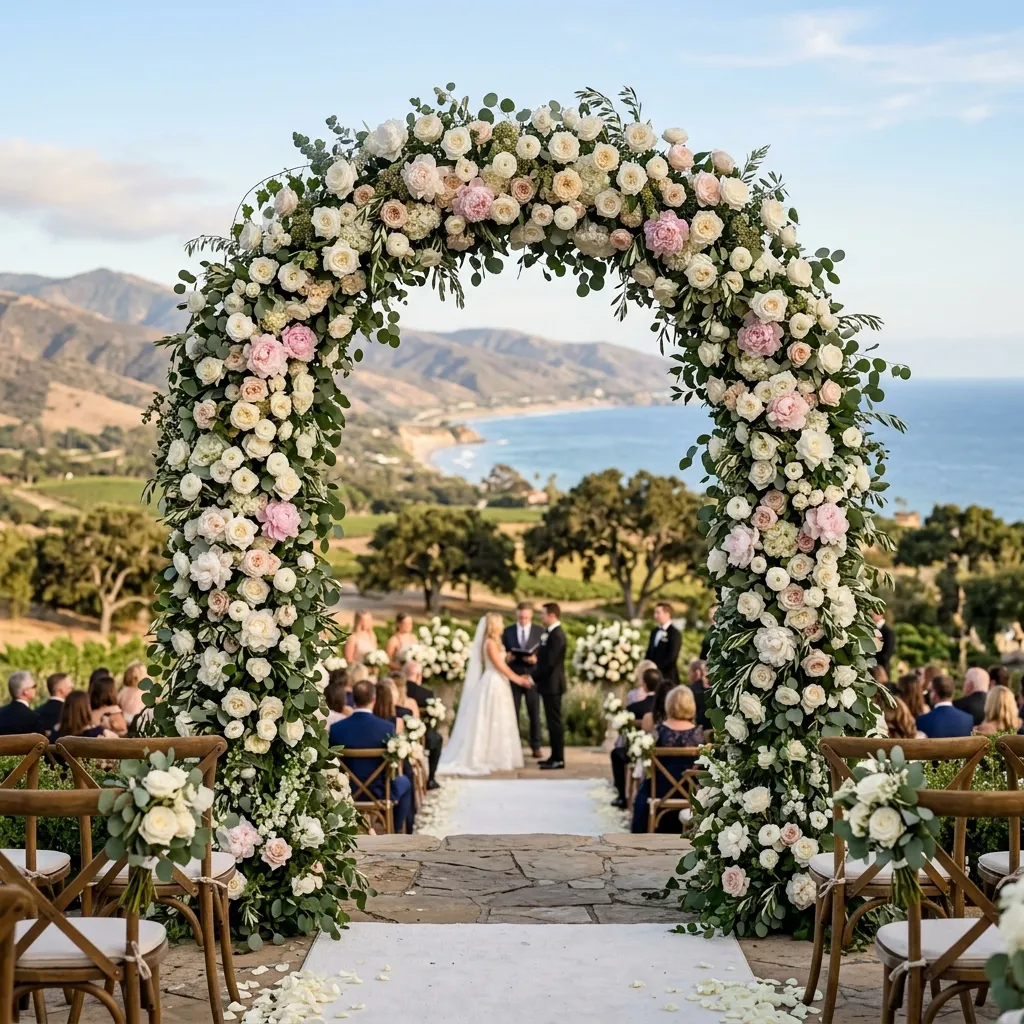
This comprehensive guide breaks down everything you need to know about bridal bouquets, boutonnieres, and wedding party flowers, from choosing the right blooms and color palette to understanding floral etiquette, popular styles, seasonal considerations, budgeting, and ordering timelines. Whether you are planning a grand formal celebration, an intimate garden wedding, or a modern minimalist event, the right floral choices will elevate the entire experience.
Why Bridal Bouquets, Boutonnieres, and Wedding Party Flowers Matter
Wedding flowers are not simply decorative accessories. They perform several essential functions that contribute to the overall success of the event. Bridal bouquets draw the eye to the bride or wedding partner and serve as a focal point in portraits, aisle processions, and ceremony moments. Boutonnieres provide a polished and cohesive detail for the wedding party, family members, and honored guests. Bridesmaid bouquets and other wedding party flowers unify the wedding aesthetic and create a balanced visual narrative across all photography.
These floral elements also help communicate tone. Soft, airy garden roses suggest romance and elegance. Clean white calla lilies can feel sleek and contemporary. Bright tropical blooms instantly signal energy and celebration. In this way, flowers become part of the wedding’s design language.
Beyond style, florals can hold deep personal meaning. Couples often choose flowers that reflect their heritage, favorite colors, shared memories, or meaningful symbolism. A bouquet can include a grandmother’s favorite bloom, a boutonniere can honor a family tradition, or the wedding party flowers can reflect seasonal abundance from the local area.
Understanding the Main Floral Pieces
Bridal Bouquets
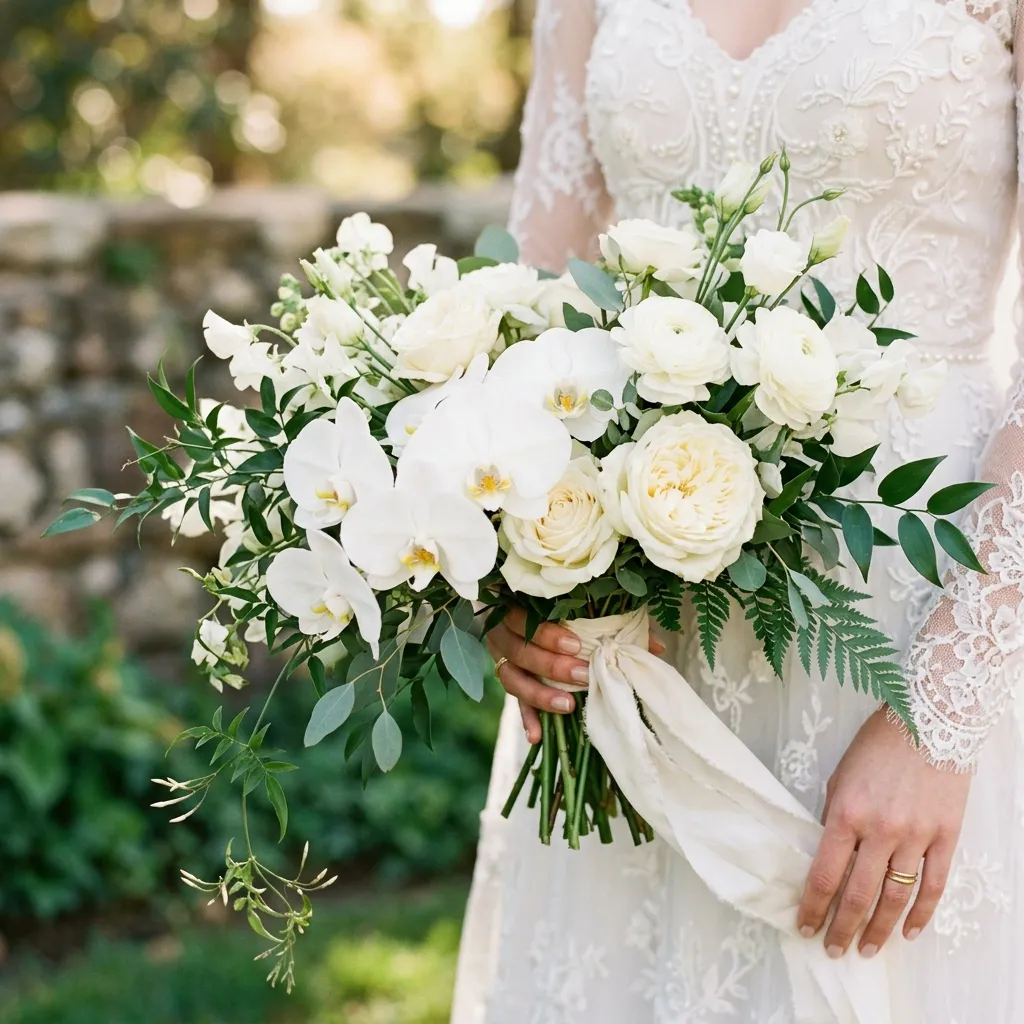
The bridal bouquet is typically the most prominent floral arrangement in the wedding. It should complement the gown, coordinate with the venue, and reflect the couple’s aesthetic. Bridal bouquets come in many forms, including compact round bouquets, loose garden-style arrangements, cascading designs, and modern asymmetrical compositions. The bouquet is carried during the ceremony, featured in portraits, and often preserved as a keepsake after the event.
Boutonnieres
Boutonnieres are small floral accents worn on the lapel, usually by grooms, groomsmen, fathers, grandfathers, officiants, and other important participants. They are traditionally designed to coordinate with the bridal bouquet or overall floral theme. Because boutonnieres are small, they must be sturdy, balanced, and easy to wear. The best boutonnieres are understated yet refined, adding a finishing touch without overpowering the attire.
Wedding Party Flowers
Wedding party flowers include bridesmaid bouquets, junior bouquets, corsages, floral crowns, flower girl baskets, ceremony florals carried by attendants, and sometimes pocket squares or wrist accents for nontraditional parties. These pieces create visual harmony between the couple and the rest of the wedding party. Depending on the event, they may match exactly, coordinate loosely, or intentionally contrast while staying within the same design family.
How to Choose the Right Wedding Flowers
Start with the Wedding Style
The best floral design begins with the overall style of the wedding. Before selecting specific flowers, identify the atmosphere you want to create. A classic ballroom wedding calls for elegant, structured arrangements, often featuring roses, orchids, hydrangeas, or peonies. A rustic barn wedding may lean toward wildflower-inspired compositions, textural greenery, and locally grown seasonal blooms. A modern city wedding could favor sculptural stems, monochromatic palettes, and clean lines.
When the flowers align with the venue and design theme, everything feels intentional. If the wedding has a vintage feel, choose blooms with old-world charm such as garden roses, ranunculus, sweet peas, or lisianthus. If the event is bohemian, consider freeform shapes, feathers, dried elements, and soft movement. For a beach ceremony, light, durable flowers with airy silhouettes and resistance to heat may be best.
Consider the Color Palette
Color is one of the most powerful tools in floral design. A wedding palette should support the attire, linens, décor, and season without competing with them. Bridal bouquets often contain the broadest range of tones, while bridesmaid bouquets or boutonnieres may echo the key hues in a simplified way.
Popular approaches include monochromatic bouquets in soft blush, cream, or white; tonal arrangements that blend multiple shades of one color family; and contrasting palettes that combine complementary tones for drama and dimension. Neutral weddings often benefit from white blooms and lush greenery, while bold celebrations may include saturated reds, burgundies, oranges, coral, plum, or jewel tones.
Think About the Season
Seasonality matters for both beauty and practicality. Choosing flowers that are in season is often more affordable, sustainable, and reliable. Spring weddings are ideal for tulips, ranunculus, peonies, lilacs, sweet peas, and anemones. Summer offers garden roses, dahlias, zinnias, hydrangeas, sunflowers, and lisianthus. Fall weddings shine with chrysanthemums, marigolds, roses, dahlias, berries, and richly colored foliage. Winter bouquets often use roses, amaryllis, anthurium, hellebores, berries, evergreens, and orchids.
Seasonal flowers are usually fresher and more resilient, especially when working within a local climate. If your dream flower is out of season, your florist can often suggest a suitable substitute with a similar look and feel.
Take the Venue into Account
The ceremony and reception spaces should influence bouquet and boutonniere choices. Large, ornate venues may support more dramatic floral designs, while small chapels or intimate outdoor settings may benefit from scaled-down arrangements. Consider the architecture, ceiling height, natural light, and color of the surroundings. A bouquet that looks stunning in a lush garden might feel too heavy against a highly detailed gown or a richly decorated ballroom.
Outdoor weddings also require practical considerations such as heat, wind, and humidity. Delicate blooms can wilt quickly in direct sun, while sturdier flowers and well-hydrated designs hold up better in challenging conditions.
Popular Bridal Bouquet Styles
Round Bouquets
Round bouquets are one of the most classic and versatile styles. They are symmetrical, polished, and ideal for traditional weddings. Typically composed of tightly grouped blooms, these bouquets create a refined silhouette that photographs beautifully. Roses, peonies, ranunculus, and tulips are often used in round designs.
Hand-Tied Bouquets
Hand-tied bouquets are arranged to look naturally gathered, with stems tied at the base and blooms cascading slightly outward. They provide a relaxed, romantic appearance that suits garden, rustic, and boho weddings. These bouquets can include a wider variety of flowers and textures, making them feel organic and expressive.
Cascade Bouquets
Cascade bouquets feature a flowing design that extends downward in a waterfall effect. This style is dramatic and elegant, often associated with formal weddings and statement gowns. Orchids, calla lilies, trailing greenery, ivy, and roses may be used to create movement and visual impact. Because cascade bouquets are larger and more complex, they require careful handling and a strong floral structure.
Loose Garden-Style Bouquets
Garden-style bouquets mimic the fullness and softness of an abundant garden. They are often asymmetrical, airy, and layered with varying bloom sizes and textures. This style remains one of the most popular choices for modern romantic weddings because it feels effortless while still looking luxurious.
Posy Bouquets
Posy bouquets are compact, round, and easy to carry. They work well for bridesmaids, elopements, courthouse weddings, and smaller ceremonies. Their simplicity makes them budget-friendly and practical, while still offering an elegant floral accent.
Modern Sculptural Bouquets
For contemporary weddings, sculptural bouquets are a striking choice. These arrangements may include anthurium, orchids, protea, calla lilies, or unusual greenery arranged in clean, architectural lines. They are ideal for couples who want a fashionable, editorial feel.
How to Choose the Perfect Bridal Bouquet
Match the Bouquet to the Dress
The bridal bouquet should complement the wedding dress without overwhelming it. A dramatic ball gown can support a fuller bouquet, while a sleek sheath dress may pair best with a more minimal arrangement. Consider neckline, sleeve detail, embroidery, and fabric texture. A heavily embellished gown often looks best with a softer bouquet, while a simple gown may invite more elaborate floral styling.
Consider Body Proportion and Bouquet Size
Scale matters. The bouquet should suit the bride’s height and frame as well as the dress proportions. Oversized bouquets can overwhelm a petite person, while very small bouquets may appear underwhelming in photos if the gown is voluminous. A skilled florist will tailor the bouquet size to maintain visual balance.
Think About Comfort and Weight
A bouquet may look beautiful but still be uncomfortable to carry if it is too heavy or awkwardly shaped. Brides carry bouquets for extended periods, including during the ceremony, portraits, and possibly a procession. Ask your florist about stem length, balance, and water sources so the bouquet is manageable throughout the day.
Understanding Boutonnieres in Wedding Design
What Is a Boutonniere?
A boutonniere is a small floral accent worn on the lapel, usually on the left side, near the heart. Traditionally, it consists of a single bloom or a compact cluster of flowers and greenery secured with a pin or magnetic backing. Though small, it plays an important role in tying the wedding party’s attire to the floral theme.
Who Typically Wears Boutonnieres?
Common boutonniere recipients include the groom, groomsmen, fathers of the couple, grandfathers, ushers, ring bearers, officiants, and sometimes close family members or honored guests. In modern weddings, boutonniere use is flexible. Some couples choose to assign them based on role, while others extend floral accessories to all members of the wedding party for a more inclusive design.
How to Coordinate Boutonnieres
Boutonnieres should not be identical to the bouquet, but they should reflect its color story and style. A boutonniere may feature one focal flower from the bouquet, such as a rose, spray rose, ranunculus, orchid, or mini calla lily, along with a bit of greenery or texture. The result should be cohesive and polished, not overly elaborate.
Best Practices for Boutonniere Design
Because boutonnieres are small and worn close to clothing, they must be durable. Delicate petals may bruise easily, and overly bulky designs can twist or droop. Simplicity often works best. Sturdy stems, balanced proportions, and secure attachment are essential. Florists also consider tuxedo and suit fabrics, avoiding pins or materials that could damage expensive clothing.
Wedding Party Flowers Beyond Bouquets and Boutonnieres
Bridesmaid Bouquets
Bridesmaid bouquets are usually smaller than the bridal bouquet but should still feel connected to it. They may feature the same flowers in reduced scale, a complementary color palette, or a simplified design. Consistency across bridesmaid bouquets helps create rhythm in the processional and balance in group photographs.
Flower Girl Flowers
Flower girl flowers can take many forms, including miniature bouquets, baskets of petals, floral wreaths, small posies, or flower crowns. These arrangements should be age-appropriate, lightweight, and easy for a child to carry. Because flower girls often wear their flowers for a long period, durability and comfort are especially important.
Corsages and Wrist Flowers
Corsages are often worn by mothers, grandmothers, and special family members. Traditional corsages may be pinned to a dress or jacket, while wrist corsages are attached to a band or bracelet. These floral accents should be elegant and comfortable, especially for guests who will be wearing them throughout the event. Modern weddings may replace corsages with handheld mini bouquets, floral pins, or coordinated arrangements that feel more contemporary.
Floral Hairpieces and Crowns
Hair flowers can be romantic, playful, or sophisticated depending on the design. Small floral combs, pins, crowns, and halos are popular for bridesmaids, flower girls, and sometimes the bride. These pieces should coordinate with the bouquet while staying secure and comfortable. Fresh flowers for hair pieces should be chosen for durability and lightweight structure.
Nontraditional Wedding Party Flowers
Many modern couples choose creative ways to include florals for a diverse wedding party. Pocket boutonnieres, floral clips, bouquet alternatives, and gender-neutral floral accents make it possible to coordinate attire across all participants. The key is to maintain the same design language while adapting each piece to the wearer’s outfit and comfort.
Flower Symbolism and Meaning
Flowers often carry symbolic meaning, which makes them especially meaningful in weddings. Roses symbolize love and romance, with different colors representing different sentiments. Peonies are associated with prosperity, honor, and happy marriage. Lilies can represent purity and commitment. Ranunculus often suggest charm and radiant beauty. Orchids symbolize elegance and strength. Baby’s breath represents innocence and enduring love. Greenery can symbolize growth, harmony, and resilience.
While symbolism is not required, many couples enjoy weaving meaning into their floral selections. A bouquet that includes a sentimental bloom can become even more special when preserved or photographed as part of the wedding story.
Seasonal Flower Guide for Weddings
Spring Wedding Flowers
Spring offers a soft, fresh palette and many beloved blooms. Peonies, tulips, ranunculus, hyacinths, daffodils, sweet peas, anemones, and lilacs create an airy and romantic feel. Spring floral design often emphasizes movement, fragrance, and gentle color transitions.
Summer Wedding Flowers
Summer weddings can feature full, vibrant blooms like dahlias, zinnias, hydrangeas, sunflowers, cosmos, garden roses, and lisianthus. Because heat can be challenging, summer arrangements should be planned with flowers that tolerate warmer weather well. Hydration and proper storage are especially important.
Fall Wedding Flowers
Autumn bouquets often reflect richness and depth. Dahlias, marigolds, chrysanthemums, roses, amaranthus, berries, and textured foliage fit beautifully with the season. Popular fall palettes include rust, burgundy, plum, gold, burnt orange, and deep green. Fall weddings often lend themselves to lush, layered designs.
Winter Wedding Flowers
Winter weddings can be stunning with whites, silvers, greens, and jewel tones. Roses, anthurium, orchids, amaryllis, hellebores, berries, pine, cedar, and eucalyptus are all excellent choices. Winter florals may also incorporate metallic details, velvet ribbon, and rich textures to enhance the seasonal atmosphere.
Budgeting for Bridal Bouquets, Boutonnieres, and Wedding Party Flowers
What Affects Floral Pricing?
Several factors influence floral cost, including flower type, seasonality, bouquet size, design complexity, labor, installation needs, and delivery requirements. Premium blooms such as peonies, orchids, and garden roses may cost more than standard roses or seasonal local flowers. Intricate bouquet designs and custom boutonniere work also add to the labor cost.
How to Prioritize Within Your Budget
If floral budget is limited, prioritize the most visible pieces. The bridal bouquet is often the first place to invest because it appears in nearly every photo. Boutonnieres and bridesmaid bouquets can be simplified without losing cohesion. Consider using more greenery, fewer premium focal blooms, or smaller bouquet sizes to control cost while still achieving a polished design.
Ways to Save Without Sacrificing Style
- Choose in-season flowers.
- Use local blooms whenever possible.
- Favor a smaller number of high-impact flowers.
- Reuse ceremony florals at the reception where appropriate.
- Opt for mixed greenery and texture to add fullness.
- Keep boutonnieres simple and elegant.
How to Work with a Florist
Share Your Vision Clearly
The more information you provide, the easier it is for your florist to create something beautiful and aligned with your vision. Bring inspiration images, color swatches, dress photos, venue details, and any floral preferences or dislikes. It also helps to note whether you want your flowers to feel classic, romantic, modern, whimsical, bold, or organic.
Be Open to Expert Recommendations
Professional florists understand which flowers hold up best in your season and setting. They can suggest substitutions if a certain bloom is unavailable or too costly. Trusting your florist’s expertise often leads to stronger results because they know how to balance beauty, longevity, and budget.
Discuss Logistics Early
Ask about delivery times, setup, storage, and transport. Bridal bouquets and boutonnieres need to be properly conditioned before the wedding. If the florist is delivering to multiple locations, provide accurate timelines and contact information. Clear logistics reduce stress on the wedding day and help ensure that every piece arrives in perfect condition.
Timeline for Ordering Wedding Flowers
Wedding floral planning should begin well in advance, especially during peak wedding season. For larger or highly customized events, couples often begin conversations with a florist six to twelve months before the wedding. This allows time to discuss design ideas, seasonal flower availability, guest count, and budget.
About three to six months before the event, the floral design may be finalized. This is when the florist confirms bouquet style, boutonniere count, and wedding party flowers. In the final weeks, final quantities, delivery details, and any last-minute adjustments are completed. Because flowers are living products, exact bloom substitutions may occur depending on market availability and freshness.
Care and Handling on the Wedding Day
Keeping Bouquets Fresh
Bridal bouquets should be kept in water as long as possible before the ceremony. If the bouquet is out of water, it should be stored in a cool place away from direct sunlight and heat. Avoid leaving flowers in a hot car or near strong drafts. Just before photos or the ceremony, the florist or wedding coordinator may gently refresh the stems and remove any packaging.
Storing Boutonnieres Properly
Boutonnieres are delicate and should be refrigerated if possible, following florist instructions. They should not be pinned on too early, especially in warm weather, as they may wilt or shift before the ceremony begins. A designated person, such as a planner or groomsman, can help distribute and pin them just before they are needed.
Transporting Wedding Party Flowers
Wedding party flowers should be transported carefully in clean containers or boxes, ideally in climate-controlled vehicles. Bridesmaid bouquets can often be held in water until the event begins. Floral hairpieces and corsages should be stored flat and kept cool. Planning proper handling helps preserve the appearance and structure of each arrangement.
Common Mistakes to Avoid
Choosing Flowers Without Considering the Setting
A bouquet may be beautiful in isolation but unsuitable for the venue or weather. A florist can help ensure the design works in the real conditions of your event, not just in inspiration photos.
Ignoring Scale and Proportion
Oversized bouquets, tiny boutonnieres, or mismatched bridesmaid flowers can disrupt the visual balance of the wedding. Proportion matters in both photographs and in person.
Waiting Too Long to Book
Florists book up quickly, especially during peak season. Waiting too long may limit your flower choices or increase stress. Early planning allows more flexibility and better results.
Overcomplicating the Design
Sometimes less is more. A well-edited bouquet with the right blooms and shape can be far more elegant than an overcrowded arrangement with too many competing elements.
Forgetting About Practicality
Pretty flowers are important, but they also need to be wearable and durable. Choose flowers and arrangements that suit the realities of a long event day, including ceremony timing, photographs, travel, and temperature changes.
Current Wedding Flower Trends
Locally Sourced Blooms
Many couples now prioritize local flowers for freshness, sustainability, and seasonal authenticity. Local sourcing can also support regional growers and create arrangements that feel more connected to the location of the wedding.
Natural, Garden-Inspired Designs
Loose, organic bouquets continue to remain popular. These designs feel romantic and timeless, with a slightly undone look that still feels luxurious.
Minimalist Statements
Some couples are choosing fewer flowers with stronger visual impact. Single-variety bouquets, monochromatic palettes, and sculptural blooms create a polished, modern look.
Textural and Unexpected Elements
Flower arrangements increasingly incorporate berries, herbs, seed pods, dried materials, and interesting foliage for depth and dimension. These additions can make bouquets and boutonnieres feel more custom and artistically layered.
Sustainable Floral Design
Eco-conscious wedding flowers may include reusable vessels, foam-free construction, seasonal sourcing, and repurposed ceremony florals. Sustainability has become an important priority for many couples seeking both beauty and responsibility.
How to Create a Cohesive Floral Story
The most memorable wedding flowers do not rely on isolated pieces; they create a connected story across every floral element. The bridal bouquet should establish the tone. Boutonnieres should echo that tone in a refined, simplified form. Bridesmaid bouquets and wedding party flowers should extend the palette and style without competing for attention. The result is a layered look that feels intentional from the first entrance to the final dance.
Cohesion does not require exact repetition. In fact, the most successful floral designs often use variation within a consistent framework. Similar flowers, repeated colors, shared greenery, and related textures help everything feel unified while still allowing each piece to have its own role.
Final Thoughts
Bridal bouquets, boutonnieres, and wedding party flowers are among the most important details in a wedding because they shape the visual identity of the entire event. They highlight the couple, honor loved ones, support the overall design, and create lasting memories in photographs and in person. With thoughtful planning, expert guidance, and attention to season, scale, and style, these floral pieces can be transformed from simple accessories into meaningful works of art.
Whether you dream of lush garden roses, sleek orchids, vibrant seasonal blooms, or a soft romantic palette of whites and blushes, the key is to choose flowers that reflect your vision and suit your celebration. When the bouquet, boutonnieres, and wedding party florals all work together, the result is a wedding day that feels beautifully cohesive, deeply personal, and unforgettable.
Frequently Asked Questions
Direct answers regarding flower delivery, custom ordering, and arrangements in the San Fernando Valley.
How far in advance should I order wedding party flowers? ▾
Ideally, book your florist 6 to 12 months in advance, especially for peak wedding seasons. This gives time to secure your preferred flowers, refine the design, and coordinate all personals with the venue and color palette.
What flowers hold up best for bouquets and boutonnieres? ▾
Roses, spray roses, orchids, carnations, lilies, lisianthus, chrysanthemums, and many seasonal greenery options tend to travel well. For boutonnieres, sturdier blooms like spray roses, orchids, and calla lilies are especially reliable.
Should bridesmaid bouquets match the bridal bouquet exactly? ▾
Not necessarily. A cohesive wedding design usually looks better when bridesmaid bouquets complement the bridal bouquet rather than copy it. They can be smaller, simpler, or use slightly different flowers while staying within the same color family and style.
Request a Custom Order or Quote
Planning an event or looking for fresh bouquets? Tell us your vision and our Mission Hills floral designers will contact you with options & pricing.