The Florist's Definitive Guide to Organic Flower Farming and Sustainable Blooms
Flowers El Ranchito Expert Advice
The Florist's Definitive Guide to Organic Flower Farming and Sustainable Blooms
Organic flower farming is no longer a niche concept reserved for a handful of eco-conscious growers. It has become a serious, scalable, and increasingly necessary approach to producing beautiful blooms with fewer chemical inputs, healthier soil, safer working conditions, and a smaller environmental footprint. For florists, designers, farm owners, and flower lovers alike, understanding how flowers are grown is just as important as understanding how they are arranged, sold, or celebrated. Sustainable blooms are the future of the floral industry, and organic flower farming sits at the center of that future.
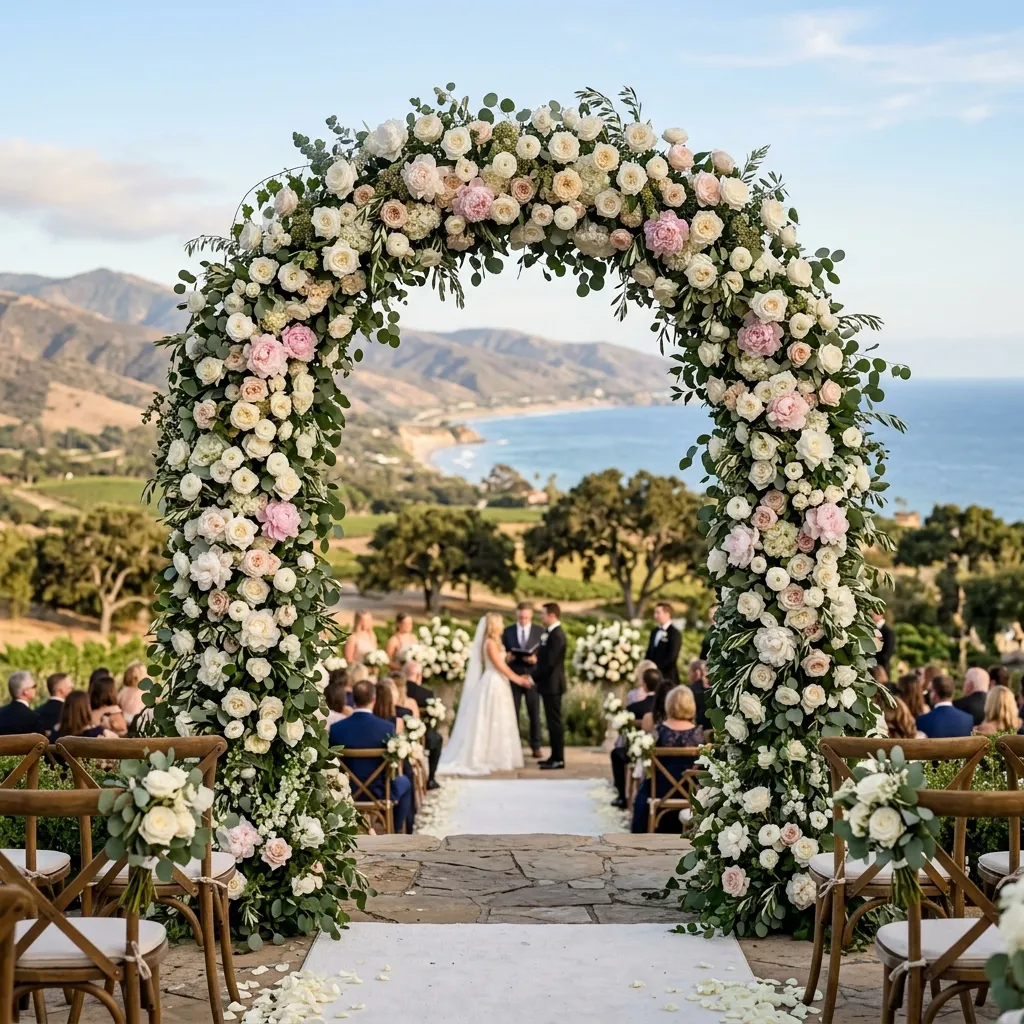
This definitive guide explores the principles, practices, and business value of organic flower farming in depth. Whether you are a grower planning your first cutting garden, a florist sourcing more responsibly, or a landscape professional interested in regenerative production, this article will walk you through the essentials of soil health, composting, crop planning, pest management, certification, harvesting, postharvest handling, and the economics of sustainable blooms. The goal is not only to explain what organic flower farming is, but to show how it works in real-world floral production and why it matters.
What Is Organic Flower Farming?
Organic flower farming is the cultivation of cut flowers, foliage, herbs, or other ornamental botanicals using farming methods that avoid synthetic pesticides, herbicides, fungicides, and most synthetic fertilizers. Instead, growers rely on ecological systems, healthy soil biology, biodiversity, compost, crop rotation, biological pest control, and careful field stewardship to produce flowers that are vibrant, marketable, and environmentally responsible.
At its best, organic flower farming is not merely the substitution of one input for another. It is a whole-system approach that treats the farm as a living ecosystem. Rather than fighting against nature, an organic flower farmer works with nature’s processes to build resilience over time. That means healthier soil, stronger plants, less dependence on external inputs, and blooms that reflect the quality of the land on which they were grown.
Organic vs. conventional flower production
Conventional flower farming often depends on chemical-intensive practices designed to maximize uniformity and yield. While these methods can produce visually perfect blooms, they may also create environmental concerns such as soil degradation, water contamination, and exposure risks for farm workers. Organic flower farming prioritizes ecological health and long-term fertility instead of short-term control.
In practical terms, the differences often include:
- Using compost, cover crops, and natural amendments instead of synthetic fertilizers
- Managing pests with beneficial insects, physical barriers, and cultural practices
- Emphasizing biodiversity instead of monoculture
- Building soil structure and microbial life to support plant immunity
- Using sustainable harvesting, packing, and distribution methods
For florists and consumers, this often translates into flowers with a story, a smaller environmental footprint, and a more transparent supply chain.
Why Sustainable Blooms Matter for the Floral Industry
The floral industry is changing. Customers increasingly ask where flowers come from, how they are grown, and whether their purchases align with their environmental values. Weddings, events, retail bouquets, and subscriptions are no longer just about color and style; they are also about ethics, freshness, traceability, and sustainability. Organic flower farming answers these concerns in a meaningful way.
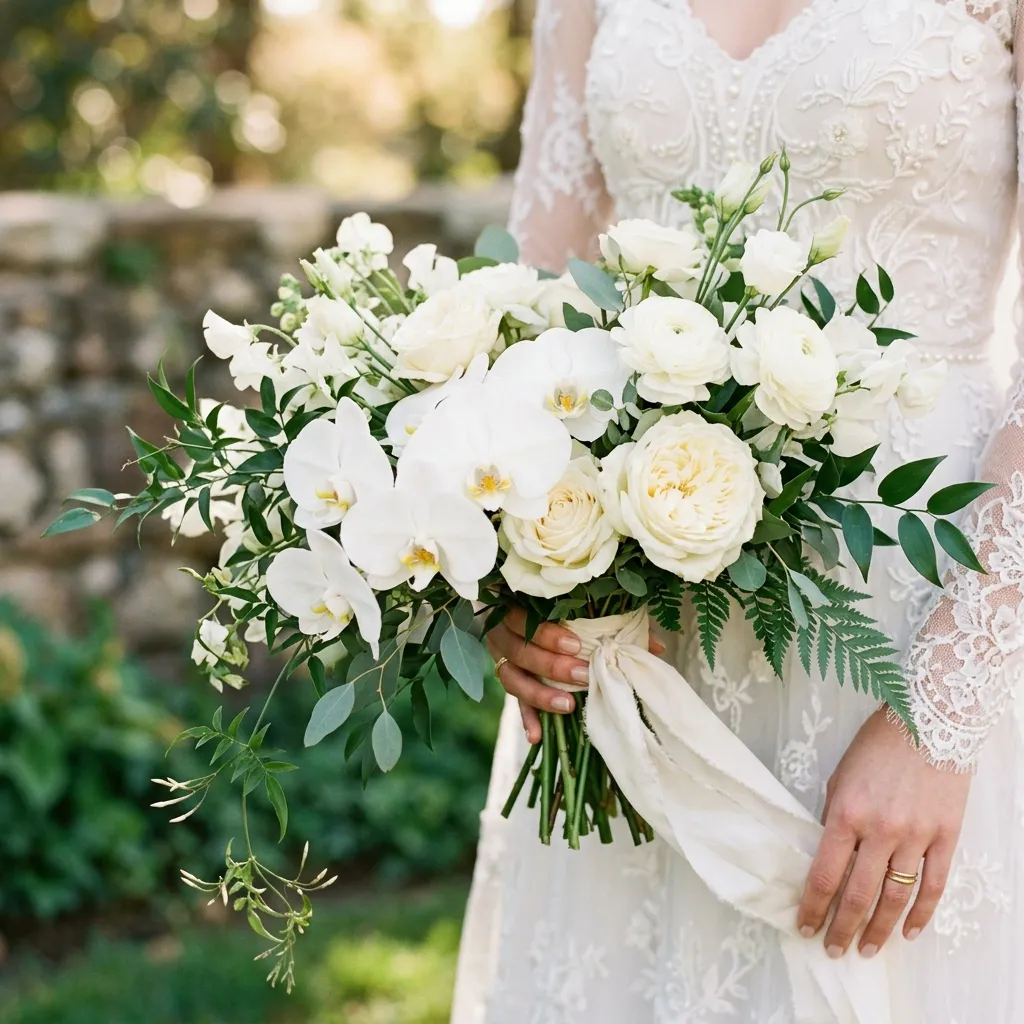
Sustainable blooms matter because they reduce harm at multiple points in the supply chain. They can help protect soil from chemical degradation, reduce water pollution, minimize exposure to hazardous substances, support pollinators, and preserve farm ecosystems for future production. They also offer a strong marketing advantage for florists who want to stand out in a crowded marketplace.
Environmental benefits
Organic flower farming supports environmental health in several critical ways. By avoiding synthetic chemicals, it helps protect groundwater, streams, and surrounding habitats. By building soil organic matter, it improves moisture retention and reduces erosion. By encouraging pollinators and beneficial insects, it creates a more balanced farm ecology. Over time, these practices can make a flower farm more resilient to weather stress, disease pressure, and fluctuating input costs.
Consumer and florist benefits
Consumers are drawn to flowers that align with their values, especially for meaningful occasions such as weddings, memorials, and celebrations of life. Florists benefit as well, because sustainable blooms offer a compelling value proposition: freshness, local sourcing, seasonal authenticity, and a powerful story. In a market where differentiation matters, organic flowers can elevate a florist’s brand identity and deepen client trust.
Core Principles of Organic Flower Farming
Successful organic flower production depends on a few foundational principles. These principles guide every decision a grower makes, from bed preparation to bouquet design.
1. Build healthy soil
Soil is the foundation of organic flower farming. Healthy soil contains mineral particles, organic matter, water, air, and a living ecosystem of bacteria, fungi, nematodes, insects, and earthworms. Flowers grown in biologically active soil tend to root more deeply, tolerate stress better, and produce stronger stems and more consistent blooms.
2. Prevent problems rather than react to them
In organic systems, prevention is more effective than rescue. That means choosing resistant varieties, spacing plants properly, maintaining airflow, rotating crops, and monitoring the field regularly. A strong preventative approach reduces disease outbreaks and pest explosions before they begin.
3. Encourage biodiversity
Diversity is one of the organic farmer’s most valuable tools. Different crops, flowering borders, hedgerows, insectary plantings, and habitat strips all help support beneficial insects and reduce pest pressure. Biodiversity also makes the farm more visually beautiful and ecologically stable.
4. Use inputs wisely
Even organic agriculture requires inputs, but the emphasis is on low-toxicity, regenerative, and site-specific solutions. Rather than relying on quick fixes, the organic grower uses compost, minerals, biological inoculants, and natural amendments with intention and restraint.
5. Think seasonally and locally
Organic flower farming works best when it follows the rhythm of the land. Seasonal planting not only produces healthier crops, but also gives florists and customers blooms with a sense of place and time. Local flowers often arrive fresher, last longer, and require fewer transport emissions than imported stems.
Planning an Organic Flower Farm
Whether you are starting on a backyard plot, a quarter-acre field, or a multi-acre operation, planning is essential. Organic flower farming is not simply a matter of sowing seeds and hoping for the best. It requires deliberate design, infrastructure, and market awareness.
Choosing the right site
Site selection influences everything from drainage to disease risk. Ideal flower farm sites typically have full sun, good air movement, access to irrigation, fertile soil, and convenient access for harvest and distribution. Avoid areas prone to frost pockets, standing water, or heavy pressure from deer and rabbits unless you are prepared to manage those challenges.
Soil testing and baseline assessment
Before planting, test the soil for pH, nutrient levels, organic matter, and any contamination concerns. A baseline soil test helps you make informed decisions about amendments and crop suitability. It also reveals whether you need to improve drainage, raise beds, or correct deficiencies before production begins.
Farm layout and workflow
Efficient farm design matters. Consider the location of wash stations, coolers, tool storage, compost piles, propagation areas, and vehicle access. A well-designed layout saves labor, protects bloom quality, and makes harvesting more efficient. For cut flower production, proximity between field and postharvest handling areas can significantly reduce stress on stems.
Soil Health: The Heart of Organic Blooms
Organic flower farming begins and ends with soil health. Healthy soil is not just a medium that holds roots in place; it is the engine that powers plant growth. Flowers grown in living soil are often sturdier, more resilient, and more expressive in color and form.
Compost and organic matter
Compost is one of the most valuable tools in organic floriculture. It improves soil structure, feeds microbial communities, and adds slow-release nutrients. Apply well-finished compost strategically, based on soil tests and crop needs. Too much organic matter can be as problematic as too little, especially in crops that prefer excellent drainage.
Cover crops and green manures
Cover crops protect bare soil, suppress weeds, fix nitrogen, and build fertility. Popular options may include buckwheat, oats, peas, vetch, clover, and rye, depending on the season and climate. Flower farmers often integrate cover crops between production cycles to rest beds and replenish soil life.
Mulching strategies
Mulch helps conserve moisture, reduce weeds, moderate soil temperature, and limit soil splash that can spread disease. Organic mulches such as straw, leaf mold, compost, or biodegradable landscape fabrics may be useful depending on crop and climate. Each option should be selected carefully, because some flowers prefer drier conditions while others benefit from stable moisture.
Mineral amendments and trace elements
Organic flower farms may also use approved mineral amendments when soil tests indicate a need. Calcium, potassium, phosphorus, magnesium, sulfur, and micronutrients all play roles in stem strength, bloom size, disease resistance, and color development. The key is to amend based on evidence, not guesswork.
Choosing Flower Varieties for Organic Production
Variety selection is one of the most important decisions in organic flower farming. Not every flower thrives under low-input conditions, and not every high-demand market flower is easy to grow organically. The best choices often balance beauty, productivity, resilience, and local adaptability.
Traits to prioritize
Look for varieties that offer strong stems, disease tolerance, heat or cold resilience, continuous bloom, and reliable vase life. For many growers, open-pollinated and heirloom varieties can be particularly valuable because they often adapt well to local conditions and support seed saving.
Annuals, biennials, and perennials
Annual flowers such as zinnias, cosmos, sunflowers, and celosia often provide quick returns and abundant color. Biennials like foxglove may offer unique market appeal, while perennials such as peonies, yarrow, echinacea, and dahlias can become the backbone of a sustainable farm once established. A layered planting plan can provide harvests across seasons and reduce production risk.
Seasonal crop planning
Organic floriculture is deeply seasonal. Spring may feature tulips, ranunculus, anemones, and early foliage. Summer brings zinnias, lisianthus, basil, scabiosa, and sunflowers. Autumn can include asters, dahlias, celosia, and ornamental grasses. Smart crop sequencing ensures that the farm is productive for as many months as possible while preserving soil health.
Organic Weed Management in Flower Farming
Weeds are one of the biggest challenges in flower farming, especially in organic systems where synthetic herbicides are not used. Effective weed management requires a combination of prevention, timing, tools, and persistence.
Stale seedbed technique
A stale seedbed is created by preparing the soil, allowing weeds to germinate, and then eliminating those seedlings before planting the crop. This reduces early weed pressure and gives flowers a better start.
Mulching and landscape fabric
Mulch and reusable weed-control fabric can save substantial labor in cut flower production. They are especially useful for long-season crops and transplants with wider spacing. However, they should be used thoughtfully to avoid soil compaction, overheating, or moisture issues.
Hand weeding and cultivation
In organic flower farms, speed matters. Small weeds are far easier to manage than established ones. Regular shallow cultivation, flame weeding where appropriate, and timely hand weeding can prevent major losses. Many successful farms build weed control into weekly routines rather than treating it as a crisis response.
Organic Pest and Disease Management
Organic pest management is about balance, observation, and ecology. The aim is not to eliminate all insects or microbes, but to keep pest populations below damaging thresholds while strengthening crop health.
Integrated pest management for flowers
Integrated pest management, or IPM, is central to organic production. It includes scouting, identifying pests correctly, tracking pressure over time, and intervening only when necessary. Common tactics include row covers, insect netting, trap crops, beneficial insect habitat, and removal of infected plant material.
Beneficial insects and pollinator support
Lady beetles, lacewings, parasitic wasps, hoverflies, and predatory mites are allies in organic flower farming. Planting nectar-rich borders and maintaining habitat can help sustain these beneficial species. Pollinator-friendly practices also improve seed set and overall ecosystem health.
Preventing fungal and bacterial disease
Many flower diseases thrive in crowded, humid, or poorly ventilated conditions. Good spacing, proper irrigation, crop rotation, and sanitation reduce risk. Drip irrigation is often preferable to overhead watering because it keeps foliage dry and lowers disease pressure.
Sanitation and field hygiene
Clean tools, remove diseased debris, disinfect buckets, and rotate crop families. These practices may seem simple, but they have an enormous impact on disease prevention. In organic systems, hygiene is one of the most powerful defenses available.
Irrigation and Water Stewardship
Water management is central to sustainability. Organic flower farms should aim to use water efficiently while ensuring steady crop performance. Overwatering can encourage disease and waste resources, while underwatering can lead to stunted growth and shorter vase life.
Drip irrigation
Drip irrigation is often the preferred system for organic flower farms because it delivers water directly to the root zone with minimal evaporation. It also reduces weed growth between rows and keeps foliage drier than overhead watering.
Rainwater harvesting and conservation
Where possible, rainwater harvesting systems, cisterns, and water-wise bed design can improve resilience during dry periods. Organic farms often combine these strategies with mulching and soil organic matter improvements to increase moisture retention naturally.
Matching water to crop stage
Seedlings, transplants, and flowering crops have different water needs. A thoughtful irrigation plan accounts for germination, establishment, flowering, and harvest timing. Consistent moisture is especially important during root development and stem elongation.
Certification and Standards in Organic Floriculture
While some flower farms operate using organic principles without formal certification, others pursue certification to build credibility and access specific markets. Certification requirements vary by country and region, but they generally involve detailed record-keeping, approved input use, buffer zones, and audit compliance.
Is certification necessary?
Not every sustainable flower farm needs certification, but it can be valuable for wholesalers, retailers, and consumers who want verification. For smaller farms, the cost and administrative burden may be significant. In those cases, transparent communication about growing practices can still build trust.
What consumers should ask
If a florist or farm claims to offer organic blooms, customers may want to ask whether the flowers are certified, what inputs are used, how water is managed, and whether the farm uses pollinator-friendly practices. Transparency is a hallmark of sustainable production.
Harvesting Organic Flowers for Maximum Vase Life
Growing beautiful flowers is only half the job. Harvesting them correctly is essential for vase life, transport quality, and customer satisfaction. Organic flowers often have exceptional fragrance and character, but they still require careful handling.
Harvest timing
Harvesting at the correct stage depends on flower type. Some stems should be cut when buds are just beginning to open, while others last longer when harvested more fully developed. The time of day also matters; early morning or late evening harvests are often ideal because plants are cooler and better hydrated.
Tools and handling
Use clean, sharp snips or knives to reduce stem damage. Place stems immediately into clean water or conditioning buckets. Keep buckets shaded and cool, and move flowers to refrigeration as quickly as possible. Gentle handling preserves petal integrity and minimizes field heat.
Postharvest conditioning
Conditioning may include stripping lower foliage, recutting stems, hydrating flowers in cool water, and holding them at proper temperatures before sale. Different species respond differently, so a strong knowledge of each crop’s postharvest needs is essential.
Packaging and Distribution of Sustainable Blooms
Organic and sustainable flowers should be supported by sustainable logistics. That means minimizing plastic waste, using recyclable or compostable packaging where feasible, and reducing unnecessary transportation impacts.
Eco-friendly packaging options
Reusable buckets, recyclable paper wraps, compostable sleeves, and minimal branding materials can help reduce waste. However, packaging must still protect the product. Sustainable does not mean flimsy; it means purposeful and efficient.
Local distribution models
Farmers markets, farm stands, direct-to-consumer subscriptions, event sales, and florist partnerships are all strong channels for local organic blooms. Shorter supply chains generally preserve freshness and reduce emissions while allowing growers to capture more of the final retail value.
The Business Case for Organic Flower Farming
Organic flower farming can be both environmentally responsible and economically viable, but it requires thoughtful business planning. Labor, land access, infrastructure, and market development all influence profitability.
Premium pricing and brand value
Consumers often pay more for local, organic, and sustainably grown flowers, especially when they understand the story behind them. A farm or florist that clearly communicates growing practices can often command a premium, particularly for weddings, luxury events, and curated subscriptions.
Reduced dependency on external inputs
While organic systems are not input-free, they often reduce dependence on expensive synthetic fertilizers and chemicals over time. Investments in soil health and ecological resilience may lower long-term costs and reduce vulnerability to supply chain disruptions.
Labor and management considerations
Organic flower farming can be labor-intensive, especially in the early years. Weed management, scouting, succession planting, and hand harvesting all require time. Successful growers design systems that save labor where possible, automate irrigation, and plan production carefully to match market demand.
Designing Sustainable Floral Arrangements from Organic Blooms
For florists, organic flower farming is not just a production philosophy; it is also a design advantage. Seasonal stems grown locally often possess a freshness and character that imported flowers cannot match. Their shapes may be more varied, their textures more natural, and their color palettes more reflective of the season.
Seasonal design philosophy
Designing with organic blooms often means embracing what is available rather than forcing the farm into a fixed aesthetic. This approach can lead to more expressive and authentic arrangements. Spring compositions may be airy and delicate, while summer designs may be lush and bold. Autumn arrangements can highlight texture, seed heads, berries, and deeper tones.
Local flowers as a branding tool
Florists who source from organic farms can tell a stronger story to clients. This can be especially effective in weddings and corporate events where sustainability messaging adds value. Customers increasingly appreciate floral designs that reflect local agriculture, seasonality, and environmental care.
Challenges in Organic Flower Farming
Organic flower farming is rewarding, but it is not without difficulties. Realistic planning requires acknowledging the challenges as well as the benefits.
Weather volatility
Drought, excessive rain, heat waves, and unseasonable frost can all affect production. Organic farms often build resilience through soil health, row covers, succession planting, and crop diversity, but weather remains a major variable.
Pest outbreaks
Even the most well-managed farm can experience pest pressure. Organic growers must be vigilant and willing to intervene early with approved methods. Monitoring and record-keeping are critical.
Market education
Not every customer immediately understands the value of sustainable blooms. Florists and growers may need to educate clients about seasonality, local availability, stem differences, and why certain flowers cost more. That education is part of the business model.
Best Practices for Building a Sustainable Bloom Business
If you want to build a successful organic flower operation, think beyond growing. Sustainability is strongest when it extends to the entire business model.
- Start with a soil-first production plan
- Choose crops suited to your climate and market
- Invest in efficient irrigation and wash/pack infrastructure
- Track harvest data to improve timing and pricing
- Build relationships with florists and direct buyers
- Use transparent language about how flowers are grown
- Offer seasonal bouquets and flexible product lines
- Reduce waste through smart harvesting and composting
The Future of Organic Flower Farming
The future of floriculture is increasingly tied to sustainability, traceability, and ecological responsibility. As climate pressures intensify and consumers become more informed, farms that prioritize soil health, water stewardship, biodiversity, and worker safety will be better positioned to thrive. Organic flower farming is not only a production method; it is a long-term strategy for resilience.
We are likely to see continued growth in local flower farming, more demand for seasonal stems, and broader interest in regenerative agriculture as applied to ornamentals. Florists who align themselves with these values can create stronger client relationships and more distinctive designs. Growers who invest in organic methods may build healthier farms that support their communities for decades.
Conclusion: Growing Beauty with Integrity
Organic flower farming brings together artistry, ecology, and business in a way few industries can. It asks growers to think deeply about soil, seasons, biodiversity, and the true cost of beauty. In return, it offers something powerful: flowers that are not only beautiful, but meaningful. Sustainable blooms reflect care for the land, respect for the people who grow and handle them, and a commitment to a more responsible floral future.
For florists, choosing organic and sustainably grown flowers is more than a sourcing decision. It is a brand statement, a design choice, and a contribution to a healthier floral ecosystem. For growers, it is an opportunity to cultivate not just crops, but resilience, trust, and long-term value.
The definitive guide to organic flower farming begins with one simple truth: the best flowers are grown in harmony with the land. When soil is nourished, biodiversity is protected, and every stem is handled with care, sustainable blooms do more than decorate a moment. They help redefine what floral excellence can be.
Frequently Asked Questions
Direct answers regarding flower delivery, custom ordering, and arrangements in the San Fernando Valley.
Are organic flowers always more expensive than conventional flowers? ▾
Usually, yes—organic flowers often cost more because they require more hand labor, smaller-scale production, and careful soil management. But the value is in the longer vase life, cleaner growing practices, and stronger story behind the bouquet.
How do I tell if a florist’s blooms are truly sustainable? ▾
Ask where the flowers were grown, how they were treated after harvest, whether they use seasonal sourcing, and if they can name their farms. Real sustainability is specific: local or regional sourcing, reduced packaging, responsible water use, and transparent growing practices.
What flowers are easiest to grow organically for beginners? ▾
Zinnias, sunflowers, cosmos, calendula, marigolds, bachelor’s buttons, and many herbs are excellent beginner choices. They’re resilient, productive, and forgiving while you build soil health and learn your climate’s rhythm.
Request a Custom Order or Quote
Planning an event or looking for fresh bouquets? Tell us your vision and our Mission Hills floral designers will contact you with options & pricing.