The Florist's Definitive Guide to High-End Floral Trends and Signature Design
Flowers El Ranchito Expert Advice
The Florist's Definitive Guide to High-End Floral Trends and Signature Design
High-end floral design is more than arranging beautiful flowers in a vase. It is a disciplined creative practice that blends artistry, botanical knowledge, spatial awareness, color theory, and a deep understanding of luxury aesthetics. For discerning clients, premium floral design is not simply decorative; it is experiential. It shapes the mood of a room, frames a celebration, elevates a brand moment, and leaves a lasting sensory impression that lingers far beyond the event itself.
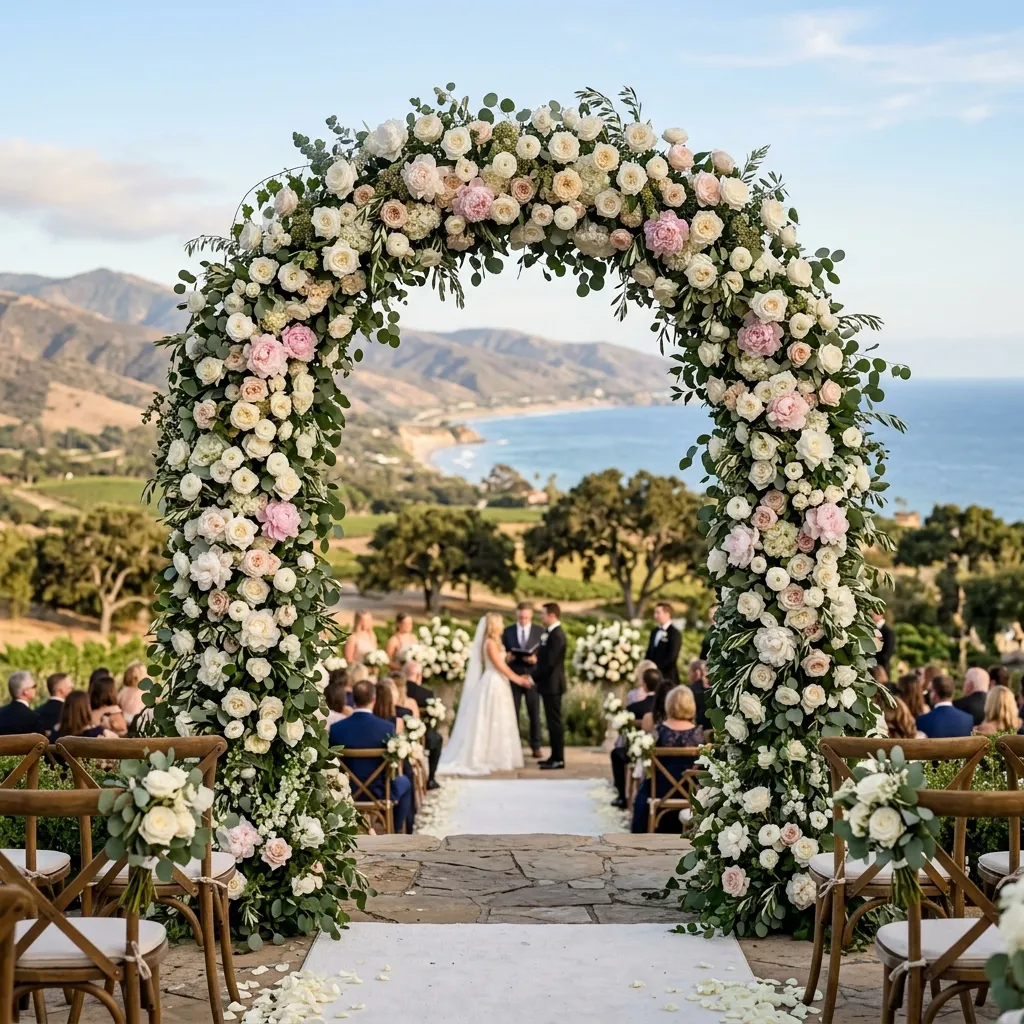
In today’s luxury market, floral design has evolved into a signature visual language. High-end floristry now draws from architecture, fashion, interior design, sculpture, and contemporary art to create arrangements that feel purposeful, modern, and emotionally resonant. Whether the setting is a private residence, a five-star hotel, an editorial shoot, a gala, or an intimate wedding, the most memorable designs communicate refinement through restraint, intentionality, and impeccable craftsmanship.
This definitive guide explores the principles, trends, materials, and design strategies that define high-end floral work today. It is written for clients, event planners, designers, and flower lovers who want a deeper understanding of what makes luxury floral design truly exceptional. From color palettes and vessel selection to mechanics, sourcing, installation, and branding, this guide covers the full landscape of signature floral artistry.
What Defines High-End Floral Design?
High-end floral design is distinguished by quality, intention, scale, and originality. It is not merely about using expensive flowers. Rather, it is about creating a cohesive design experience that feels tailored, polished, and unforgettable. Luxury floristry prioritizes excellence at every stage, from flower procurement to final placement.
Exceptional Flower Quality
Premium floral design begins with the flowers themselves. High-end arrangements rely on blooms selected for their freshness, stem strength, bloom stage, color integrity, and overall visual impact. Luxury florists often work with specialty growers, import premium varieties, and choose each stem with precision. The goal is not abundance alone, but excellence in form, texture, and longevity.
Design Intent and Artistic Direction
A luxury floral composition should feel designed, not assembled. Every stem has a role: focal, supporting, textural, structural, or spatial. The best designers work with a clear artistic concept, whether that concept is romantic opulence, sculptural minimalism, botanical abundance, or modern couture. The result is a signature look that feels coherent from every angle.
Tailored Execution
High-end floristry is highly personalized. It responds to the client’s style, the venue’s architecture, the event’s purpose, and the desired emotional tone. A lavish installation for a brand launch may feel bold, dramatic, and architectural, while a luxury wedding may require softness, intimacy, and layered romanticism. The design is never generic; it is custom-built.
Flawless Presentation
Luxury is in the details. Clean mechanics, refined vessel choices, proportionally balanced compositions, and carefully finished edges all contribute to a polished result. Even the underside of an arrangement, the texture of the foam-free base, or the alignment of the stems matters in high-end work. Nothing should feel accidental.
Core Principles of Signature Floral Design
Signature design refers to a floral style that is recognizable, memorable, and artistically consistent. While trends may shift, a signature style gives a florist identity and elevates the overall experience for clients. It is the visual handwriting of the designer.
1. Strong Color Direction
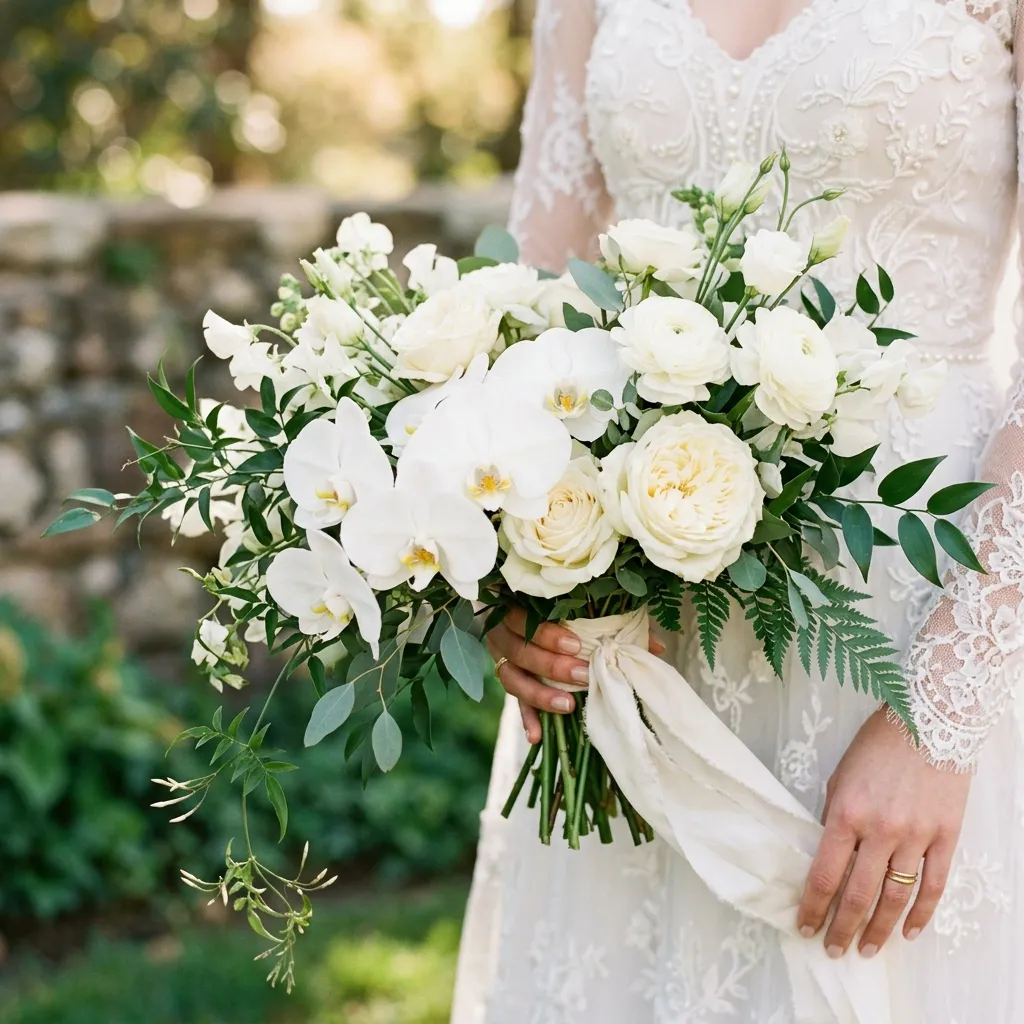
Color is one of the most powerful tools in floral design. High-end florists use color deliberately, often with sophisticated restraint. Signature palettes may include tonal layers of cream, blush, and ivory; rich monochromatic burgundy compositions; cool garden palettes of sage, celadon, and soft blue; or dramatic contrasts such as plum and amber. The palette should support the atmosphere rather than overpower it.
2. Refined Texture Contrast
Texture gives floral work depth and dimension. A luxury composition often combines velvety blooms, airy botanicals, glossy foliage, and architectural accents. The interplay of surfaces creates visual movement and keeps the design from feeling flat. Textural contrast is especially important in contemporary floral work, where simplicity must still feel rich.
3. Balance Between Structure and Movement
High-end floral design often lives in the tension between control and natural movement. Formal structures give a composition elegance and stability, while organic lines and cascading elements soften the look and create life-like flow. The most successful luxury arrangements feel both artful and alive.
4. Scale and Proportion
Scale is critical in premium design. A centerpiece should be appropriate to table size and ceiling height; an installation should relate to architecture and sightlines. Oversized arrangements can feel indulgent and dramatic, while smaller designs can feel intensely curated and intimate. Luxury does not always mean large, but it always means proportionate.
5. Restraint as a Luxury Signal
In modern high-end floristry, restraint is often more luxurious than excess. Negative space, intentional asymmetry, and a disciplined edit of materials can create stronger visual impact than overstuffed abundance. The most sophisticated work often looks effortless because it is carefully controlled.
Top High-End Floral Trends Defining the Luxury Market
Trends in luxury floristry are shaped by broader shifts in fashion, interior design, hospitality, and lifestyle culture. The leading floral trends today favor sophistication, customization, tactile richness, and immersive design experiences.
Garden-Style Opulence
One of the most enduring high-end trends is the garden-style arrangement, but in its luxury interpretation, it is far from rustic or casual. This style features layered blooms, soft movement, and a sense of cultivated abundance, as though the arrangement has been gathered from a private estate garden at peak bloom. Roses, peonies, ranunculus, sweet peas, clematis, dahlias, and seasonal specialty flowers are often used to create this lush, romantic effect.
The key to elevating garden-style florals is refinement. The composition should feel curated rather than wild, with a thoughtful balance of bloom sizes, a harmonious color story, and impeccable technique.
Monochromatic Luxury
Monochromatic arrangements remain a favorite in high-end settings because they create a clean, immersive visual experience. Working within a single color family allows the florist to emphasize texture, form, and nuance. Ivory-on-ivory designs, all-blush palettes, deep red tonal arrangements, and layered green compositions are all examples of this trend.
Monochromatic florals are especially effective in modern interiors and formal events where elegance and calm are priorities. They convey confidence and sophistication without visual clutter.
Unexpected Color Pairings
Luxury floral design is increasingly embracing sophisticated color combinations that feel editorial and fresh. Think chocolate and blush, apricot and burgundy, dusty lavender and olive, coral and plum, or butter yellow with soft sage. These combinations feel elevated when the saturation levels are balanced and the overall palette is intentional.
Unexpected color pairings create a sense of modernity and often make a floral installation more memorable. They work especially well for clients who want a look that feels current but timeless.
Sculptural Minimalism
Minimalism in high-end floristry is not about using fewer flowers in a simplistic way. It is about creating visual impact through impeccable form, line, and space. Sculptural arrangements might feature dramatic branches, calla lilies, anthuriums, orchids, hellebores, or other structurally interesting stems arranged in a precise, contemporary composition.
This trend is common in luxury hotels, fashion events, gallery spaces, and modern residential interiors. It favors clean silhouettes, elegant vessels, and architectural presence.
Oversized Immersive Installations
Statement floral installations continue to define the luxury event space. These large-scale designs may cascade from ceilings, frame entryways, spill across staircases, or create a floral canopy over a dining table. Their purpose is to transform space and create a sense of wonder.
Immersive installations require expert planning and technical execution. Designers must consider weight, structure, sightlines, guest movement, venue rules, and long-term freshness. The best installations look effortless while being meticulously engineered.
Natural Tactility and Earth-Inspired Elements
Luxury design is also seeing a stronger appreciation for natural textures and grounded material palettes. Branches, seed pods, sculptural foliage, moss, bark, preserved elements, and seasonal botanicals can create a richer sensory experience. This trend pairs particularly well with organic architecture, wellness spaces, and earthy luxury aesthetics.
When handled with restraint, natural tactility adds authenticity and depth without sacrificing refinement.
Editorial Floral Styling
Inspired by high fashion and magazine visuals, editorial floral design emphasizes bold composition, unusual angles, and a strong sense of visual narrative. These arrangements may be asymmetrical, dramatic, and slightly unexpected, often playing with height, negative space, and movement in a way that feels photographed even in person.
This trend appeals to clients seeking sophistication with a creative edge. It is particularly effective for launches, brand activations, and visually driven events.
Luxury Flowers and Materials That Elevate Design
The flowers and supporting materials used in high-end floral work play a major role in defining the final aesthetic. Premium design often depends on rare, seasonal, or especially elegant botanical choices.
Signature Luxury Blooms
Some flowers are especially associated with luxury because of their shape, fragrance, rarity, or visual richness. These include peonies, garden roses, orchids, ranunculus, hellebores, anemones, calla lilies, hydrangea, sweet peas, tulips, dahlias, and premium phalaenopsis orchids. Each flower brings a distinct personality to the design.
For example, peonies signal romance and abundance, orchids suggest sophistication and modernity, and garden roses provide timeless elegance with soft ruffled texture. The florist’s task is to select blooms that align with the design concept and the emotional tone of the event.
Seasonal Specialty Flowers
High-end florists often prioritize seasonal flowers because they tend to have superior quality and a more natural, elevated appearance. Seasonal sourcing also creates authenticity and supports sustainability. Spring may bring tulips, ranunculus, and lilac; summer offers dahlias, zinnias, and garden roses; autumn introduces chrysanthemums, toffee-toned roses, and rich foliage; winter highlights hellebores, amaryllis, anemones, and evergreens.
Premium Foliage and Greenery
Greenery is not just filler in luxury floral design. It contributes structure, movement, and mood. High-end arrangements may use Italian ruscus, olive branches, eucalyptus, viburnum, smilax, jasmine vine, or specialty seasonal foliage. These elements can soften a composition, define its shape, or add a sculptural quality.
Vessels and Containers
In luxury floristry, the vessel is part of the design. Hand-thrown ceramics, artisan glass, polished metal, carved stone, lacquered containers, and custom-built vessels all influence how the arrangement is perceived. The right container should support the color palette, scale, and overall aesthetic while also conveying quality.
Vessels are especially important in signature design because they can become part of the florist’s visual identity. A consistent approach to vessel selection helps reinforce brand recognition.
Mechanics and Structural Materials
High-end florists often use mechanics that prioritize both stability and cleanliness. Foam-free mechanics are increasingly valued for their sustainability and for the more natural way they support stems. Chicken wire, pin frogs, water tubes, floral tape alternatives, and custom armatures can all be used depending on the design.
The technical excellence of the mechanics is usually invisible to the guest, but it is essential to the success of the piece. A luxurious design must hold structure, protect freshness, and allow for clean presentation.
The Role of Color Theory in High-End Floral Trends
Color is one of the most defining components of signature floral design. In luxury floristry, color theory is applied not only to create beauty but also to shape mood, sophistication, and brand perception.
Warm, Cool, and Neutral Palettes
Warm palettes featuring coral, apricot, gold, and burgundy feel inviting, rich, and celebratory. Cool palettes featuring lilac, blue, sage, and icy white feel calming and refined. Neutral palettes of cream, ivory, taupe, and blush feel timeless, soft, and elegant. Each has a distinct emotional effect and can be adapted to different settings.
Tonal Design
Tonal design uses variations of one color to create depth and cohesion. This technique is highly effective in luxury arrangements because it allows subtle distinctions in hue and saturation to create visual richness. A tonal blush arrangement may include pale blush, dusty rose, mauve, and nude pink for a layered yet harmonious effect.
Contrast and Accent
Strategic contrast can make a luxury arrangement feel more dynamic. Deep burgundy against ivory, chartreuse against plum, or terracotta against dusty blue can create strong visual tension. Accent colors should be used deliberately and with control, so they enhance the composition rather than overwhelm it.
How Signature Floral Design Is Developed
Signature style does not appear by accident. It emerges through practice, experimentation, and a clear point of view. Successful florists refine their design identity over time, building consistency while staying responsive to trends and client needs.
Establishing a Design Voice
A florist’s design voice is the recurring aesthetic logic behind their work. It may be romantic and layered, modern and architectural, refined and understated, or opulent and textural. Establishing that voice requires attention to the types of blooms used, the preferred palettes, the style of arranging, and the overall emotional tone conveyed by the work.
Consistency Across Platforms
Signature design is strengthened when the visual identity is consistent across websites, portfolios, social media, proposals, and in-person installations. Clients should be able to recognize the florist’s style immediately. Consistency builds trust and positions the brand clearly in the luxury market.
Balancing Trend and Timelessness
The best signature florists do not chase trends blindly. They integrate current influences in a way that remains true to their aesthetic. This balance is essential in high-end design, where clients often want something current, but not fleeting. A thoughtful florist knows when to adopt a trend and when to refine it into something more enduring.
Luxury Floral Design for Weddings
Weddings are among the most important opportunities for high-end floral storytelling. Floral design shapes the emotional and visual language of the day, from ceremony to reception.
Ceremony Florals
Ceremony designs may include aisle arrangements, archways, chuppahs, floral columns, meadow-style ground installations, or aisle meanders that frame the couple’s path. In luxury weddings, ceremony florals often balance grandeur with intimacy, creating a sacred and beautiful focal point without overpowering the moment.
Reception Centerpieces
Reception florals should complement table design, lighting, and room architecture. High-end centerpieces may be low and lush for conversation-friendly settings or tall and architectural for dramatic spaces. The best designs consider the entire tablescape, including linens, china, candles, and glassware.
Bridal Party and Personal Flowers
Bouquets, boutonnières, and wearable florals should feel like a continuation of the wedding design rather than separate elements. Luxury bridal bouquets often feature layered textures, elegant movement, and premium blooms chosen to harmonize with the gown and overall styling.
High-End Floral Design for Events and Brand Experiences
Luxury floral work plays a powerful role in branding, hospitality, and experiential marketing. For events and commercial spaces, flowers are not just decorative; they are strategic tools for atmosphere and identity.
Brand Alignment
Floral design for brands must reflect the company’s identity, values, and audience expectations. A luxury skincare launch may call for soft, minimalist botanicals, while a fashion event may demand bold, sculptural installations. The florist should understand the brand’s visual codes and translate them into floral form.
Guest Experience
High-end event florals should enhance the guest journey. Entry moments, photo opportunities, dining experiences, and focal installations all contribute to how the event is remembered. Thoughtful floral design can guide movement, invite interaction, and create memorable visual milestones.
Hospitality and Interior Florals
In luxury hotels, restaurants, spas, and residences, flowers must feel integrated into the space. They should complement furnishings, architecture, lighting, and seasonal décor. The most successful hospitality florals appear natural to the environment while still providing a clear sense of freshness and elegance.
The Importance of Sourcing and Seasonality
Premium floristry depends on strong sourcing. A luxury florist must understand where flowers come from, when they are at their best, and how to select varieties that meet both design and quality standards.
Working With Seasonal Availability
Seasonality affects quality, cost, and visual authenticity. Using blooms in their natural season often results in better stem performance and more convincing beauty. It also allows for more sophisticated design choices, since seasonal flowers often have the subtlety and character that luxury work demands.
Imported vs. Local Blooms
Both imported and locally grown flowers have a place in high-end work. Imported flowers may offer unusual varieties or specific color needs, while local growers often provide freshness, sustainability, and a closer relationship to seasonal availability. The best luxury florists know how to balance both sources intelligently.
Sustainability in Luxury Floristry
Modern high-end design increasingly values sustainability. Foam-free mechanics, responsible sourcing, reusable vessels, composting practices, and careful inventory planning all contribute to more sustainable floral operations. True luxury today is not wasteful by default; it is thoughtful and responsible.
How to Create a Signature High-End Floral Style
For florists seeking to develop a recognizable luxury style, the process involves disciplined creative development and consistent refinement.
Choose a Clear Aesthetic Direction
Start by identifying the aesthetic qualities that feel most natural to your creative sensibility. Are you drawn to romantic abundance, modern sculptural lines, understated minimalism, or editorial drama? Defining this direction helps shape flower choices, palette decisions, and overall design behavior.
Refine Your Materials
Luxury style becomes stronger when materials are selected with discernment. Repeated use of certain blooms, vessels, or textures can help create a visual signature. Over time, clients begin to associate those choices with your brand.
Develop a Strong Editing Process
Signature style is often as much about what you leave out as what you include. A strong editing process removes unnecessary elements, clarifies the composition, and protects the integrity of the design. In luxury floristry, precision is more persuasive than excess.
Document and Review Your Work
Photographing arrangements from multiple angles and reviewing them critically is one of the best ways to develop a signature style. Documentation helps reveal patterns in your work, strengths to emphasize, and areas that need refinement. Over time, it becomes a tool for evolution.
Common Mistakes to Avoid in High-End Floral Design
Even experienced florists can fall into habits that weaken the luxury feel of a design. Avoiding these mistakes is essential to maintaining a refined standard.
Overcrowding the Arrangement
Too many varieties, colors, or textures can make a composition feel confused rather than sophisticated. Luxury florals benefit from focus. A clear hierarchy of materials usually reads as more elegant than a crowded mix.
Poor Proportion
An arrangement that is too small for its setting can disappear, while one that is too large can feel awkward or obstructive. Proper scale is non-negotiable in high-end design.
Inconsistent Quality
Luxury work requires consistency in bloom freshness, stem condition, and overall finish. A few weak stems or damaged petals can disrupt the entire composition. Quality control should be meticulous.
Ignoring the Environment
Flowers must suit the venue, lighting, architecture, and event context. A design that is beautiful in isolation but disconnected from its setting will not achieve true luxury impact.
The Future of High-End Floral Trends
The future of luxury floristry is likely to emphasize artistry, sustainability, personalization, and experiential design. Clients increasingly want floral work that feels bespoke, emotionally intelligent, and visually distinctive.
More Customization
Expect a continued rise in fully custom floral experiences, where arrangements are tailored not only to occasion and palette but to personal narrative, scent preferences, design heritage, and space-specific requirements.
More Sculptural Innovation
Floral design will likely continue to merge with installation art and spatial design. Designers who can think in three dimensions and create immersive environments will remain in strong demand.
Greater Emphasis on Sustainable Luxury
Luxury consumers increasingly expect environmental responsibility. Florists who can deliver breathtaking design while minimizing waste and improving sourcing practices will stand out in the market.
Final Thoughts: Why Signature Design Matters
At its highest level, floral design is a luxury language. It communicates mood, status, taste, and intention through living material. High-end floral trends may evolve, but the core principles remain constant: exceptional quality, artistic clarity, thoughtful sourcing, and impeccable execution. Signature design matters because it turns floral work into something recognizable and meaningful. It transforms a beautiful arrangement into a brand, a memory, and an experience.
For clients seeking truly elevated florals, the difference is visible in every choice: the precision of the palette, the elegance of the mechanics, the balance of form and texture, and the confidence of the final presentation. For florists, mastering high-end design is both an art and a discipline. It requires vision, consistency, and an uncompromising commitment to excellence.
In a world saturated with visual content, the most memorable floral work is the kind that feels deeply considered and unmistakably personal. That is the essence of high-end floral trends and signature design: not simply to decorate, but to define an experience with beauty, sophistication, and intention.
Frequently Asked Questions
Direct answers regarding flower delivery, custom ordering, and arrangements in the San Fernando Valley.
What makes a floral arrangement feel high-end instead of simply full? ▾
High-end arrangements rely on proportion, texture, and editing. They use premium focal blooms sparingly, include varied foliage and movement, and leave intentional breathing room so the design feels curated rather than crowded.
How do florists create a signature style that clients can recognize? ▾
A signature style comes from repeated design choices: a consistent color philosophy, preferred vessel shapes, favorite textures, and a recognizable way of building height, asymmetry, or softness. Over time, those choices become your floral handwriting.
What floral trend is most important for luxury events right now? ▾
The strongest luxury trend is intentional personalization. Clients want designs that reflect the venue, season, and their own aesthetic rather than a generic trend palette. Bespoke color stories, sculptural mechanics, and tactile textures are leading the way.
Request a Custom Order or Quote
Planning an event or looking for fresh bouquets? Tell us your vision and our Mission Hills floral designers will contact you with options & pricing.