The Definitive Masterclass on Corporate Floral Design for Premium Brands
Flowers El Ranchito Expert Advice
The Definitive Masterclass on Corporate Floral Design for Premium Brands
Corporate floral design is no longer a decorative afterthought reserved for lobbies, gala tables, and seasonal receptions. For premium brands, floral design has become a strategic visual language—one that communicates refinement, hospitality, brand values, emotional intelligence, and operational excellence in a single glance. In a luxury environment, flowers do more than beautify a space. They shape first impressions, influence perception, reinforce brand identity, and create a sensory signature that guests remember long after the visit ends.
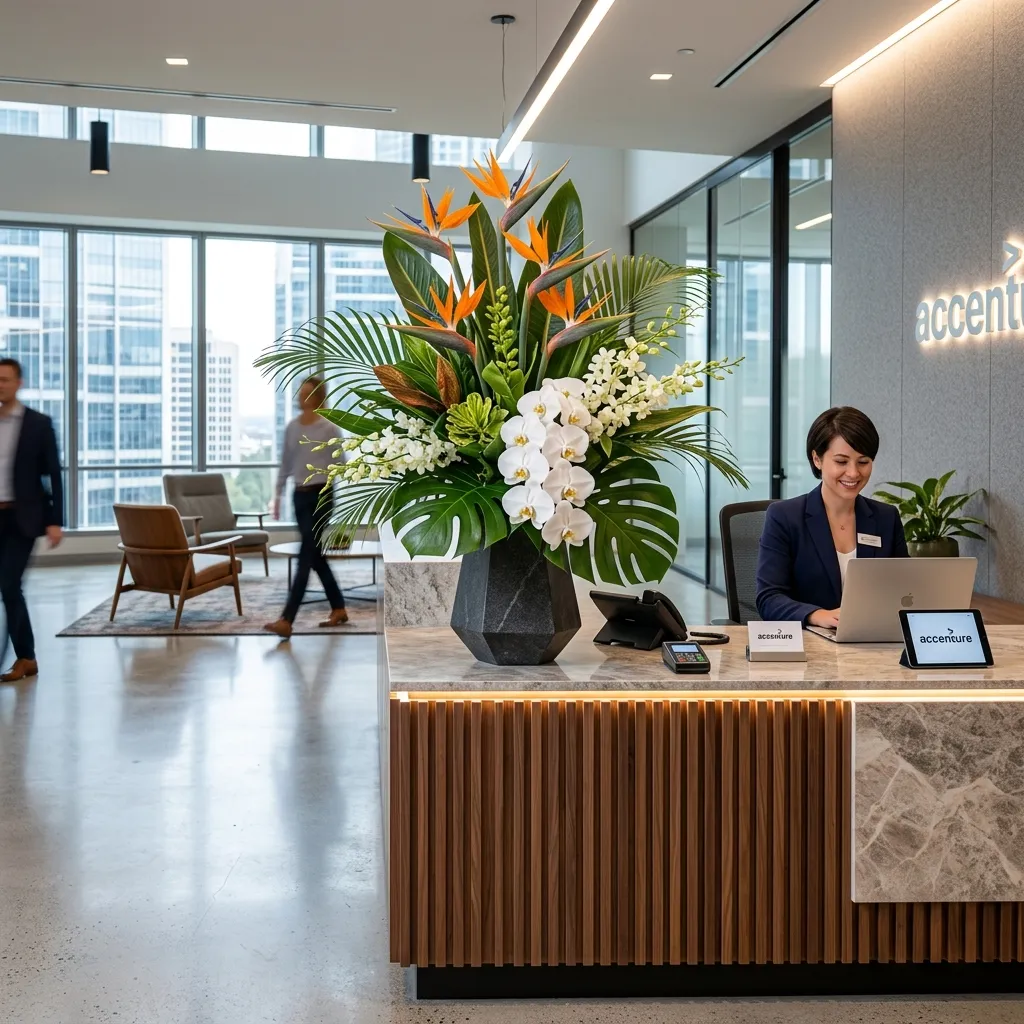
For high-end hotels, luxury retail spaces, private clubs, corporate headquarters, financial institutions, real estate developments, executive suites, and event venues, floral design is part of the brand experience. The right arrangement can soften architecture, elevate a product launch, create intimacy in a vast atrium, or signal seasonal relevance without sacrificing prestige. The wrong arrangement, by contrast, can feel generic, overly casual, visually noisy, or disconnected from the surrounding environment. Premium brands cannot afford that disconnect.
This masterclass explores the complete art and strategy of corporate floral design for premium brands. We will examine how flowers support brand storytelling, how to design for different business environments, how to select palettes and vessels, how to manage scale and budget, how to align with corporate identity, and how to create floral programs that are both aesthetically exceptional and operationally sustainable. Whether you are a brand manager, facilities director, hospitality executive, event planner, or designer, this guide will give you the framework to approach corporate floral design with confidence and sophistication.
What Corporate Floral Design Means in a Premium Context
Beyond decoration: flowers as brand architecture
In premium environments, floral design functions as an extension of architecture, interior design, and brand communication. It is not simply a matter of placing flowers in a vase. It is the intentional shaping of atmosphere. A floral installation in a luxury lobby can express calm authority. A reception arrangement in a private equity office can communicate precision and discretion. A signature centerpiece in a flagship store can reinforce artistry and exclusivity. In every case, the flowers should feel native to the space and aligned with the brand’s positioning.
Premium corporate floral design must be evaluated through three lenses: visual harmony, emotional impact, and operational practicality. Visual harmony asks whether the design complements the environment. Emotional impact considers what the arrangement makes people feel. Practicality addresses durability, maintenance, logistics, and consistency. When these three elements align, flowers become a brand asset rather than a temporary accessory.
The psychology of floral perception in business settings
Humans respond instinctively to flowers. We associate them with care, celebration, renewal, and status. In corporate settings, these associations can be leveraged to create positive impressions and encourage trust. Subtle floral cues can influence how a client perceives the professionalism of a firm or how a guest experiences a luxury hospitality environment. Elegant arrangements suggest attention to detail. Fresh blooms signal vitality. Thoughtful composition communicates intentionality. For premium brands, that psychological effect is invaluable.
Importantly, the flowers should never feel excessive for the sake of display. Luxury is not about visual clutter or overstatement. It is about restraint, quality, and coherence. The most effective corporate floral designs often feel effortless because they are carefully calibrated. They use proportion, texture, and color with discipline. They look expensive because they are edited, not because they are overloaded.
Why Premium Brands Invest in Corporate Floral Programs
Brand perception and sensory identity
Premium brands understand that every touchpoint matters. Lighting, scent, materials, sound, and floral design all contribute to a multisensory identity. Flowers introduce color, texture, movement, and seasonal rhythm into a space. They can soften hard edges in modern interiors, bring warmth to monochromatic design schemes, and add life to polished surfaces like stone, glass, and metal.
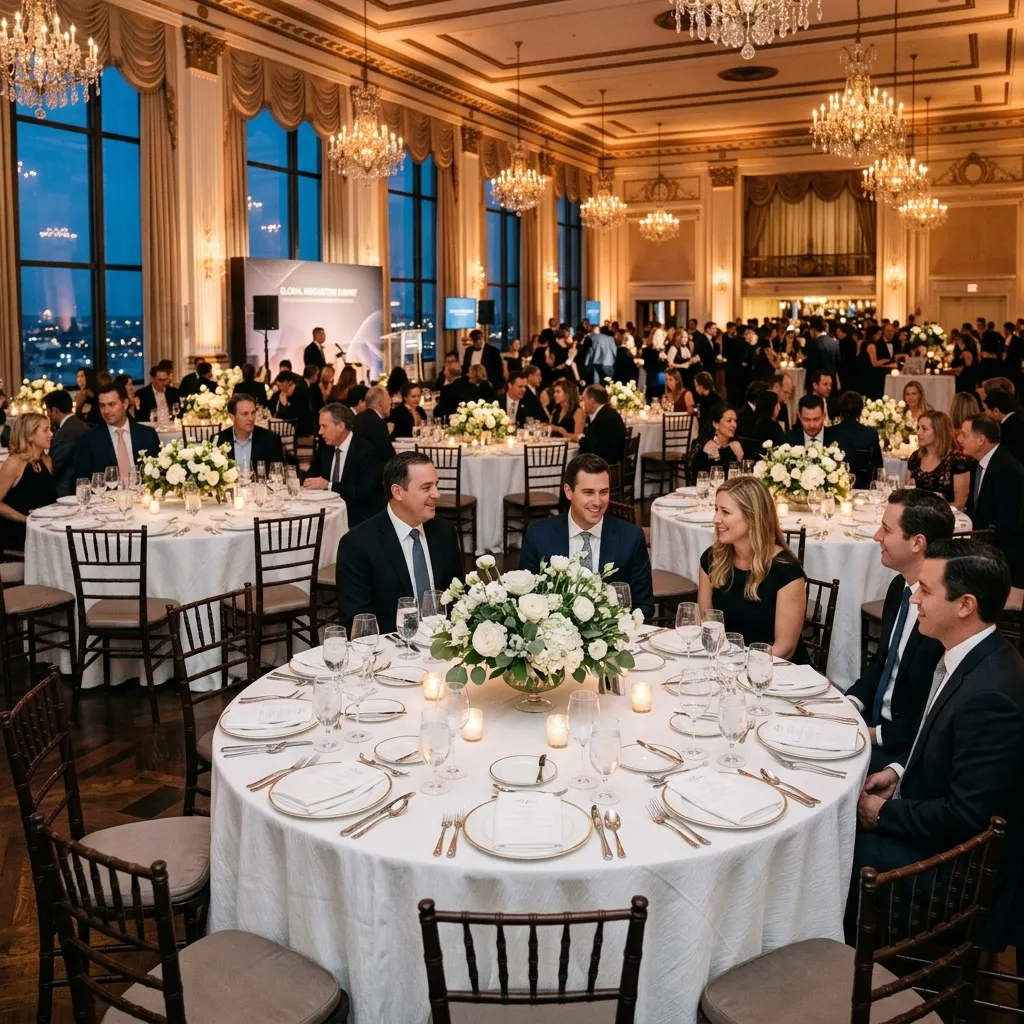
For a brand positioning itself as elevated, sophisticated, and hospitality-driven, flowers communicate a willingness to invest in experience. They tell clients and guests that no detail has been overlooked. This is especially important in industries where trust and reputation are essential, including finance, law, luxury real estate, hospitality, wellness, and high-end retail.
Client experience and hospitality value
In premium business environments, hospitality is not limited to service scripts or refreshments. It is a holistic experience. A beautifully designed floral program can make waiting areas more welcoming, meeting spaces more serene, and event environments more memorable. Flowers create a humanizing effect in settings that might otherwise feel sterile or overly corporate.
For hotels and luxury venues, floral design often becomes part of the guest journey. The arrangement in the entrance sets expectations. The flowers in the lounge extend the mood. The tablescape in the private dining room creates intimacy. Each floral decision contributes to how guests interpret the brand experience overall.
Photography, social media, and visual marketing
In the age of digital storytelling, corporate floral design also plays a visual marketing role. Premium environments are frequently photographed for websites, social media, press features, and branded content. Flowers can dramatically enhance these visuals by adding depth, freshness, and focal interest. A strong floral installation can transform a plain event backdrop into a shareable moment or make a launch presentation feel more editorial.
However, successful floral design for photography requires more than beauty alone. The arrangement must look compelling from multiple angles, hold up under variable lighting, and remain cohesive in still images and video. Premium brands should treat floral design as part of their content ecosystem, not just their physical environment.
The Core Principles of Premium Corporate Floral Design
1. Brand alignment
Every floral arrangement should reflect the tone, values, and aesthetic vocabulary of the brand. A minimalist architecture firm may call for sculptural lines, monochrome palettes, and refined negative space. A luxury fashion house may embrace bolder blooms, tactile contrast, and dramatic composition. A boutique investment firm may prefer understated elegance with subtle seasonal variation. The goal is not to impose one universal floral style, but to create a design language that supports the brand identity already in place.
2. Restraint and intentionality
Luxury often lives in restraint. Premium floral design avoids visual excess and instead focuses on composition, proportion, and premium materials. Every stem should have a purpose. Every vessel should feel chosen rather than generic. Every arrangement should enhance the space without dominating it unless the project specifically calls for a statement installation.
3. Quality over quantity
Fewer flowers of exceptional quality often create a stronger impression than abundant flowers of mediocre quality. Premium brands should prioritize freshness, bloom integrity, stem condition, and design execution. A smaller, expertly composed arrangement will often outperform a larger but less refined design. Quality is visible in petal texture, color saturation, structural balance, and longevity.
4. Contextual awareness
Flowers should respond to the environment around them. Scale matters. Ceiling height, furniture proportion, traffic flow, light levels, color temperature, and architectural style all affect how arrangements read in space. A lobby arrangement must look impressive from a distance and inviting up close. A conference room centerpiece should encourage conversation rather than obstruct it. Context transforms good flowers into exceptional design.
Understanding the Brand Brief: The Foundation of Every Floral Program
Why discovery matters
Before designing anything, a florist must understand the brand in depth. Corporate floral design begins with discovery. This process should include the brand’s visual identity, target clientele, interior design style, event calendar, tone of voice, preferred color palette, and practical requirements. Premium clients expect floral partners to think strategically, not merely creatively.
A strong briefing process should ask questions such as: What feeling should guests experience when they enter the space? Which brand colors are acceptable, and which should be avoided? What is the desired level of formality? Are there brand motifs, materials, or textures that can be translated into floral design? What maintenance schedule is realistic? Are there any allergies, fragrance concerns, or sustainability goals? These questions shape a floral program that feels bespoke and purposeful.
Translating brand identity into floral language
Brand identity can be expressed through color, shape, structure, and scale. For example, a brand emphasizing innovation may benefit from unusual floral forms, contemporary vessels, and asymmetrical compositions. A brand rooted in tradition may favor classic silhouettes, timeless blooms, and symmetrical arrangements. A sustainability-focused brand may prefer locally sourced flowers, reusable vessels, and natural forms that emphasize seasonality.
The best designers translate brand attributes into tangible floral choices without becoming literal or gimmicky. The flowers should not appear forced to match a logo or overly engineered to mimic corporate graphics. Instead, the design should evoke the brand through mood and material intelligence.
Color Strategy for Corporate Floral Design
Working with brand palettes
Color is one of the most powerful tools in corporate floral design. For premium brands, color should feel sophisticated and controlled. Using brand colors directly can be effective, but only when done with nuance. A logo color may be too bright or saturated for floral use, so designers often interpret it through tonal variations, complementary hues, or textural contrast.
For example, a brand with deep navy and gold may be translated into midnight-toned blooms, blue-green foliage, and warm metallic vessels. A brand with soft neutrals may use ivory, blush, taupe, and muted green to create a refined atmosphere. A luxury brand with a contemporary identity may embrace black, white, burgundy, plum, and smoky rose for dramatic elegance.
Seasonal color adaptation
Premium floral programs should evolve with the seasons while remaining consistent with the brand. Seasonal change keeps the environment fresh and prevents visual fatigue. It also signals awareness, timeliness, and refinement. The key is to adapt seasonality through a brand lens rather than chasing trends. Spring may bring airy pastels and fresh movement. Summer may introduce brighter greens and fuller blooms. Autumn may lean into rich textures and warmer tones. Winter can become sculptural, elegant, and monochromatic.
Seasonal adaptation is particularly important in hospitality and retail, where returning guests expect a sense of renewal. However, the transitions should be measured. Premium brands tend to favor continuity with subtle evolution rather than abrupt reinvention.
Neutral palettes and luxury minimalism
Neutral palettes are a hallmark of many premium environments because they allow floral design to feel integrated rather than intrusive. Whites, ivories, creams, pale greens, blush, taupe, and soft gray create a polished, timeless effect. These palettes work especially well in corporate lobbies, executive meeting spaces, and high-end reception areas.
Neutral does not mean boring. The sophistication of a neutral floral program lies in texture and form. Layering roses with orchids, ranunculus, lisianthus, hydrangea, and delicate foliage can create subtle complexity. The arrangement may appear quiet at first glance, but it reveals depth upon closer inspection, which is often exactly what premium brands want.
Flower Selection: Choosing Blooms That Convey Prestige
Luxury flowers commonly used in corporate design
Some flowers are especially well suited to premium corporate environments because of their elegance, structure, and longevity. Orchids, roses, peonies, hydrangeas, calla lilies, anthuriums, ranunculus, tulips, garden roses, delphinium, hellebores, and premium seasonal blooms all offer different aesthetic qualities. Orchids communicate sleek sophistication. Roses bring classic luxury. Peonies suggest softness and abundance. Calla lilies offer modern elegance. Anthuriums and sculptural stems create a more contemporary and architectural feel.
The choice of flower should never be based on prestige alone. It should serve the design brief. A premium brand may choose orchids for a polished, contemporary look or garden roses for romance and warmth. Both are luxurious when used appropriately.
Texture, movement, and structure
High-end floral design is not defined solely by bloom type. Texture and movement are equally important. Combining large focal flowers with airy accents, sculptural stems, and refined greenery creates visual depth. In corporate environments, movement should be elegant rather than chaotic. The arrangement should guide the eye smoothly and maintain coherence from every angle.
Structural flowers such as orchids, anthuriums, protea, amaryllis, and calla lilies are particularly effective in premium settings because they create strong lines and a sense of design discipline. These can be softened with roses, hydrangea, or seasonal accents to prevent the composition from feeling too rigid.
Scent considerations
Fragrance is a critical but often overlooked aspect of corporate floral design. In premium spaces, scent should be delicate, controlled, and appropriate to the environment. Strong fragrance can be distracting in meeting rooms, reception areas, and enclosed spaces. Flowers should complement, not compete with, the ambient scent profile of the property.
Designers should select blooms with care, considering both fragrance intensity and client sensitivity. Some spaces may call for almost scentless flowers, while others can accommodate a lightly perfumed arrangement. Premium brands often prefer floral elegance that is felt visually before it is detected aromatically.
Vessels, Containers, and Floral Presentation
The vessel is part of the design
In corporate floral design, the container is not merely functional. It is an essential design element. Premium brands should never rely on generic vases unless the aesthetic specifically calls for simplicity. Vessels can reinforce branding through material, finish, color, and silhouette. A ceramic vessel might evoke artisan craftsmanship. A glass compote may create lightness and transparency. A stone container can feel grounded and architectural. A polished metal vessel introduces glamour and modernity.
Selecting materials for a luxury environment
Materials should reflect the overall interior and brand tone. Matte finishes often feel understated and contemporary. Glossy finishes can read as more formal and dramatic. Natural textures like stone, wood, and hand-glazed ceramic add warmth and authenticity. Metallics such as brass, silver, or dark bronze can elevate the arrangement, particularly in evening or event settings.
Consistency matters in corporate floral programs. A premium brand may establish a vessel family that can be used across multiple spaces while still allowing seasonal variation in flower selection. This creates visual cohesion and helps unify the overall brand environment.
Scale and proportion
Scale is one of the most important considerations in corporate floral design. The arrangement must be proportionate to the table, reception desk, console, or architectural feature where it sits. An oversized arrangement in a small room can feel overwhelming. A tiny arrangement in a grand lobby can disappear. Premium design requires calibration.
As a general rule, arrangements should feel generous enough to command attention while maintaining balance with their surroundings. In more expansive spaces, a series of coordinated arrangements may be more effective than one large piece. Repetition can create rhythm, while variation can preserve visual interest.
Designing for Different Corporate Environments
Luxury hotel lobbies
Hotel lobbies are among the most visible spaces for floral design. The arrangement here must create a sense of arrival, sophistication, and comfort. It should be impactful enough to be memorable, yet not so large that it obstructs flow or feels theatrical in the wrong way. Repetition, symmetry, and strong lines often work well in luxury hotel settings. Seasonal rotation keeps the lobby feeling alive while maintaining a recognizable signature style.
Executive offices and boardrooms
In executive environments, floral design should support authority, focus, and discretion. Arrangements are typically refined and restrained, with clear structure and minimal distraction. Low centerpieces for conference tables allow conversation to remain uninterrupted. Reception florals can be slightly more expressive, but still controlled. In boardrooms, understated excellence is usually preferable to dramatic display.
Luxury retail and flagship stores
Retail floral design can be more expressive because the goal is often to create an immersive brand world. Flowers can mirror product launches, seasonal campaigns, or visual merchandising concepts. They may be integrated into window displays, counter arrangements, fitting rooms, and VIP areas. In this context, florals should enhance the shopping journey and encourage emotional engagement without overpowering the merchandise.
Private clubs and hospitality lounges
Private clubs and lounge environments benefit from floral design that feels warm, exclusive, and conversational. Flowers can soften dark wood, leather, and rich textiles while reinforcing the sense of curated luxury. Here, arrangements often favor tactile richness, deeper color palettes, and a more intimate scale. The floral program should feel timeless and discreetly indulgent.
Corporate events and brand activations
Events demand floral design that is both beautiful and practical. Centerpieces, entrance arrangements, stage florals, lounge installations, and photo moments all serve different functions. Premium event florals should align with the event concept while remaining logistically feasible. The strongest event designs create impact instantly and remain elegant throughout the entire program.
The Art of Statement Installations
When to go bold
Premium brands occasionally need a statement floral moment. This may be appropriate for product launches, galas, anniversaries, VIP receptions, or brand unveilings. Statement installations create buzz, draw attention, and reinforce exclusivity. However, boldness should be strategic rather than excessive. A statement piece must be integrated into the broader brand experience and not feel like a disconnected spectacle.
Designing with architecture
Statement florals often perform best when they interact with architecture. A floral column can frame a doorway. An overhead installation can transform a ceiling plane. A cascade can soften a staircase or atrium edge. When floral design responds to existing architectural lines, it feels intentional and luxurious. The result is not merely decorative; it becomes environmental design.
Durability and installation planning
Larger installations require careful engineering. Weight, anchoring, moisture management, temperature exposure, and safety must all be considered. Premium clients expect beauty, but they also expect flawless execution. A statement installation should be designed for longevity and ease of maintenance. Behind the scenes, the logistics should be as refined as the final visual result.
Sustainability in Premium Floral Programs
Luxury and responsibility can coexist
Modern premium brands increasingly expect their floral programs to reflect environmental responsibility. Sustainability is no longer a niche preference; it is part of sophisticated brand stewardship. This may include sourcing seasonal and local flowers when possible, minimizing floral foam, reusing vessels, composting organic material, and designing arrangements that reduce waste.
Importantly, sustainability in luxury floral design should not compromise aesthetic quality. Instead, it should elevate the program by demonstrating intelligence, restraint, and ethical awareness. Premium brands can express leadership by choosing florists who understand how to balance beauty with environmental care.
Seasonality as a sustainability strategy
Designing with the seasons is both aesthetically and environmentally wise. Seasonal flowers are often fresher, more readily available, and more cost-effective. They also create a more authentic sense of time and place. For corporate clients, seasonality keeps the environment dynamic while supporting a responsible sourcing mindset.
Reusable systems and vessel programs
One of the most effective sustainability strategies in corporate floral design is the use of reusable vessel systems. Rather than purchasing disposable containers for each arrangement, premium brands can invest in a curated vessel collection designed to last across many rotations. This reduces waste, improves consistency, and strengthens visual identity.
Operational Excellence: The Invisible Side of Great Floral Design
Delivery, setup, and maintenance
Behind every elegant floral program is rigorous operational planning. Timely delivery, discreet setup, precise placement, and reliable maintenance are essential for premium clients. The arrangement must arrive in pristine condition and remain impeccable throughout its display period. This requires trained handling, vehicle climate control, careful hydration, and an understanding of the venue’s operational rhythms.
In corporate settings, maintenance is particularly important. Flowers may need refreshing, water changes, stem adjustments, or replacement blooms. Premium brands expect consistency, which means floral partners must be proactive and detail-oriented.
Coordination with facilities and event teams
Floral designers should work closely with facilities teams, event managers, concierge staff, and security when necessary. Access logistics, loading rules, installation windows, and space restrictions all affect execution. The smoother the coordination, the more seamless the final experience will feel to the client and guests.
Budgeting intelligently
Corporate floral design for premium brands requires a smart, transparent budget structure. Premium does not necessarily mean extravagant in every instance. Instead, it means spending where it matters most. Strategic budgeting may allocate more resources to key touchpoints such as the lobby, entrance, or main event focal area while using simplified designs in less visible zones.
Frequent seasonal refreshes, reusable containers, and a clear hierarchy of spaces allow brands to maintain a luxurious presence without unnecessary waste. The best floral partners help clients maximize impact while maintaining consistency and control.
Common Mistakes Premium Brands Should Avoid
Generic hotel-flower syndrome
One of the biggest mistakes is choosing floral designs that feel interchangeable from one property to another. Premium brands should never settle for generic arrangements that could belong to any business. If the design lacks a distinct point of view or brand connection, it is failing its purpose.
Overcomplication
Too many flower varieties, too many colors, or too many decorative elements can dilute the message. Complexity is not the same as sophistication. In premium floral design, editing is a skill. The stronger the brand, the more important it is to choose with precision.
Ignoring scale and sightlines
Arrangements that block views, interfere with conversation, or overwhelm furniture create friction instead of elegance. Corporate floral design should improve the experience of the space, not complicate it. Sightline awareness is essential in both hospitality and office environments.
Neglecting maintenance realities
Even the most beautiful arrangement will fail if it cannot be maintained properly. Premium brands should insist on realistic designs that suit the climate, schedule, and staffing conditions of the venue. A floral program that looks impeccable for only a few hours is not truly successful if it cannot sustain its impact.
How to Build a Signature Floral Program for a Premium Brand
Create consistency with flexibility
A signature program should have recognizable elements that create continuity over time. These might include vessel families, preferred bloom types, tonal palettes, or a recurring style of composition. At the same time, the program should allow for seasonal evolution and special moments. Consistency builds brand memory, while flexibility keeps the experience fresh.
Develop a floral style guide
Just as premium brands maintain guidelines for typography, imagery, and color, they can also benefit from a floral style guide. This may include approved palettes, preferred materials, arrangement scale standards, fragrance parameters, vessel specifications, and seasonal direction. A floral guide ensures that multiple locations or teams can maintain coherence across the brand.
Use flowers to mark occasions and milestones
Corporate floral design can also become part of a brand’s cultural calendar. Seasonal renewals, leadership gatherings, client appreciation events, product introductions, anniversaries, and celebrations can all be elevated through bespoke floral design. When flowers are used thoughtfully to mark important moments, they deepen emotional connection to the brand.
Conclusion: Flowers as a Signature of Premium Experience
For premium brands, corporate floral design is not simply an aesthetic service. It is an act of brand authorship. Flowers communicate what a brand values, how it welcomes people, and how seriously it takes experience. They soften environments without diminishing authority, add beauty without losing discipline, and create memorability without resorting to spectacle. In this sense, exceptional floral design becomes an invisible luxury: felt instantly, appreciated deeply, and remembered long after the moment has passed.
The most successful corporate floral programs are built on strategy, not impulse. They begin with brand understanding, evolve through careful design choices, and are sustained by operational precision. They respect the space, elevate the architecture, and enhance the guest experience. For premium brands seeking to distinguish themselves in a competitive marketplace, flowers are one of the most powerful and nuanced tools available.
When done well, corporate floral design does more than decorate a room. It defines the room. It signals taste, care, and excellence. It transforms business environments into meaningful experiences. And for premium brands, that transformation is not a luxury—it is part of the standard.
Frequently Asked Questions
Direct answers regarding flower delivery, custom ordering, and arrangements in the San Fernando Valley.
How do corporate florals differ from event florals for premium brands? ▾
Corporate florals are built to support brand consistency, daily functionality, and spatial harmony, while event florals are usually designed for a single high-impact moment. Premium corporate design must look refined up close, hold up over time, and reinforce the brand every day.
What flowers work best for luxury corporate environments? ▾
The best choices depend on the brand and setting, but premium corporate spaces often favor orchids, calla lilies, roses, hydrangea, anthurium, tulips, and seasonal specialty blooms with clean lines and strong structure. The key is choosing flowers that feel polished, fresh, and aligned with the company’s tone.
How often should corporate floral arrangements be refreshed? ▾
Most premium corporate spaces benefit from weekly refreshes, though high-traffic lobbies, hospitality settings, and warm climates may require more frequent maintenance. The goal is to keep every arrangement looking intentional, crisp, and fully representative of the brand at all times.
Request a Custom Order or Quote
Planning an event or looking for fresh bouquets? Tell us your vision and our Mission Hills floral designers will contact you with options & pricing.