The Definitive Guide to Peonies, Roses, and Ranunculus in Luxury Floral Design
Flowers El Ranchito Expert Advice
The Definitive Guide to Peonies, Roses, and Ranunculus in Luxury Floral Design
In the world of luxury floral design, few blooms command attention quite like peonies, roses, and ranunculus. These three flowers are prized not only for their beauty, but also for their versatility, symbolism, and ability to elevate everything from intimate celebrations to high-end weddings, editorial installations, and refined everyday arrangements. When used with intention, they create a visual language that feels abundant, romantic, and unmistakably elegant.
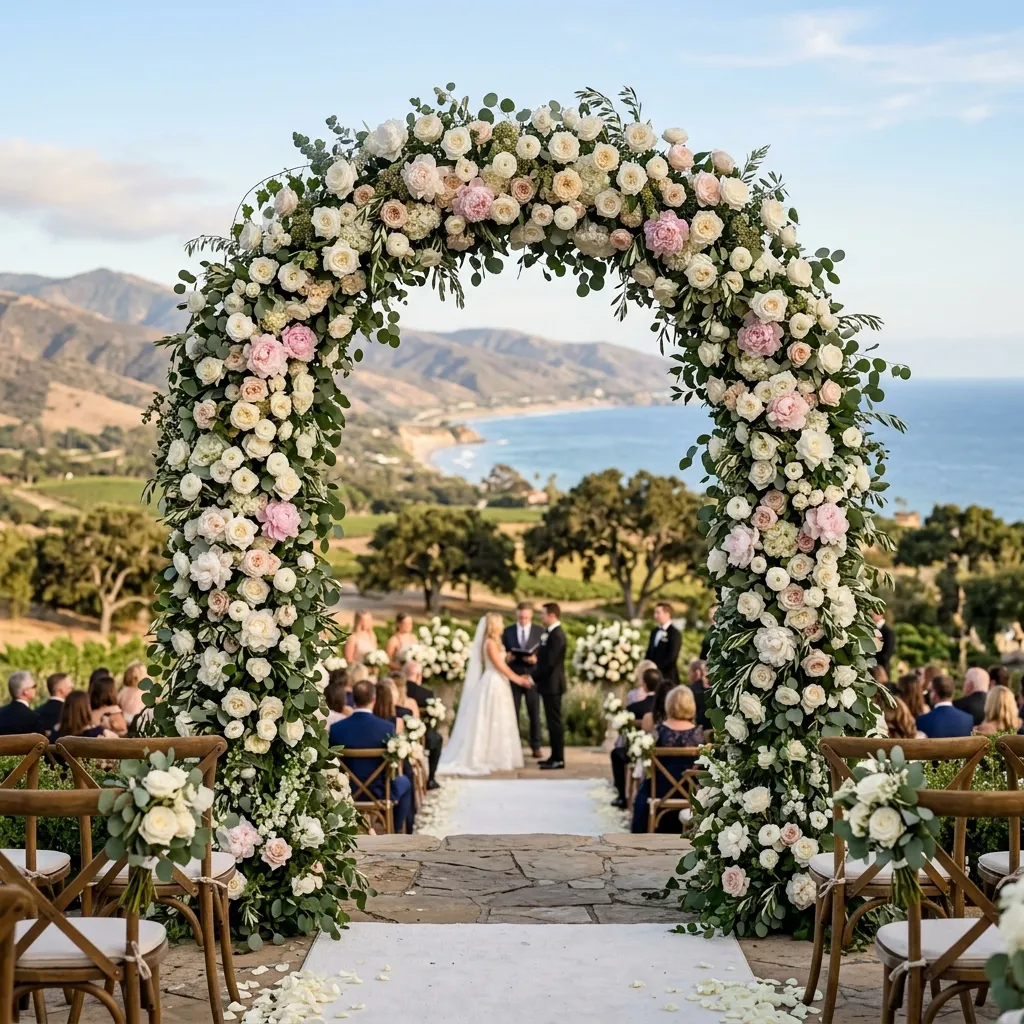
At Flowers El Ranchito, we understand that luxury floristry is not simply about using expensive blooms. It is about composition, proportion, freshness, texture, seasonality, and the artistic interplay between color and form. Peonies, roses, and ranunculus are central to this language because each brings something distinct to the design table: peonies contribute drama and softness, roses offer timeless structure and sophistication, and ranunculus add delicate movement and layered intricacy. Together, they form one of the most compelling palettes in modern floral design.
This comprehensive guide explores each flower in depth, explains how they perform in luxury arrangements, compares their characteristics, and reveals professional styling techniques for creating lush, editorial-quality florals. Whether you are planning a wedding, designing high-end events, or simply seeking a better understanding of premium blooms, this guide will give you a deeper appreciation for the artistry behind peonies, roses, and ranunculus.
Why Peonies, Roses, and Ranunculus Dominate Luxury Floral Design
Luxury floral design depends on flowers that can deliver impact at first glance while maintaining refinement up close. Peonies, roses, and ranunculus do exactly that. They are beloved by designers because they offer a combination of visual fullness, tactile softness, and strong emotional association. Each bloom evokes romance, celebration, and elegance, making them ideal for curated, high-value arrangements.
These flowers are also remarkably adaptable. They can be styled in classic all-white compositions, modern monochromatic palettes, garden-inspired installations, or dramatic color-rich arrangements. Their natural forms complement each other beautifully, allowing designers to build depth without visual confusion. Peonies bring scale, roses provide the structural backbone, and ranunculus create fine detail and movement. In combination, they achieve the kind of layered complexity that defines luxury design.
Another reason for their enduring popularity is their editorial appeal. Photographers and event stylists favor these blooms because they read beautifully on camera. Their petal structure reflects light in soft, flattering ways, and their romantic silhouettes translate well in both close-up and wide-format imagery. This makes them especially valuable in weddings, brand activations, luxury hospitality settings, and premium gifting.
Peonies: The Queen of Romantic Blooms
What Makes Peonies So Special?
Peonies are widely regarded as one of the most luxurious flowers in the floral world. Their large, cloud-like blooms and abundant petals create a sense of opulence that is hard to replicate with any other flower. They are often associated with romance, prosperity, beauty, and honor, which is why they are so frequently chosen for weddings and milestone celebrations.
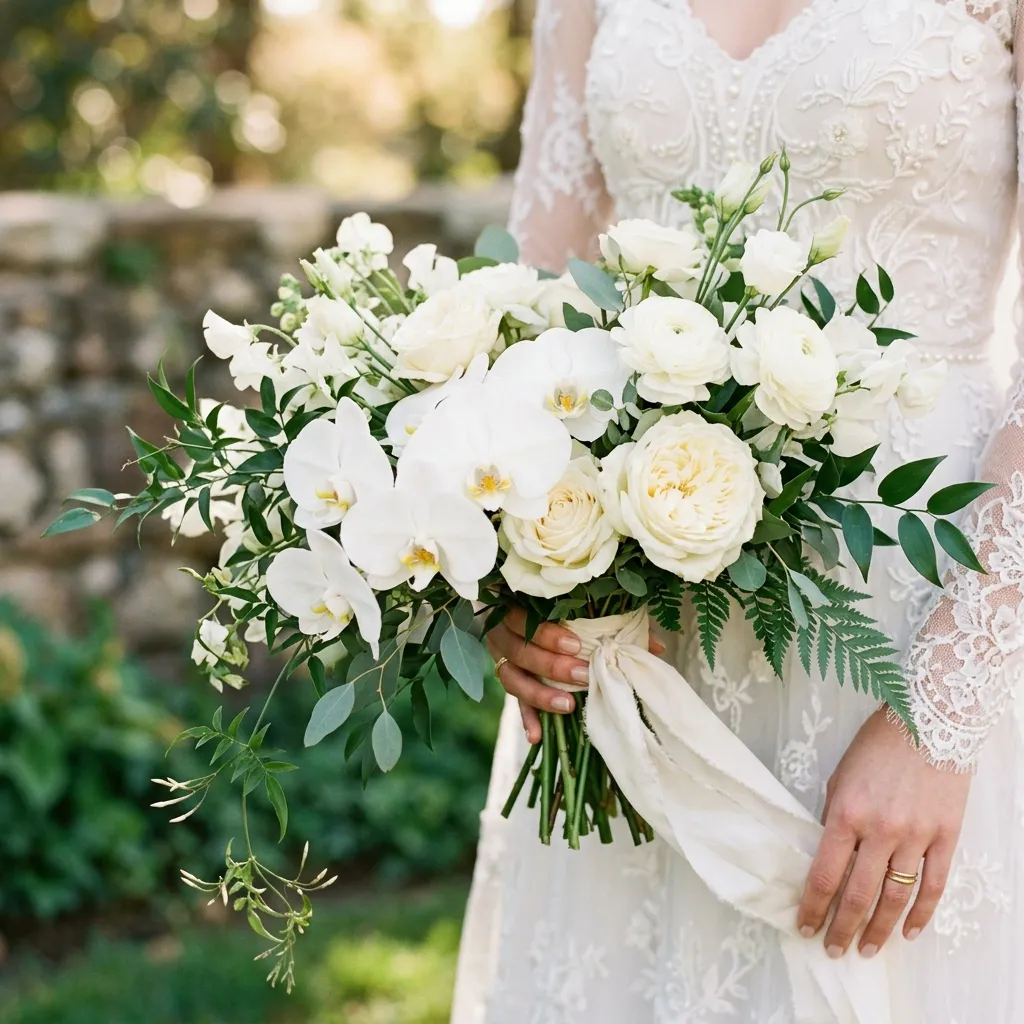
The peony’s appeal lies in its transformation. A tightly closed bud gradually opens into a lavish, ruffled blossom, making it a symbol of unfolding beauty. This opening process is cherished by florists because it allows arrangements to evolve over time. A bouquet featuring peonies does not stay static; it changes throughout the day, becoming softer and more full as the blooms open.
Varieties of Peonies Used in Luxury Design
There are several peony types commonly used in premium arrangements, each with its own personality and visual effect.
- Herbaceous peonies: The classic garden peony, prized for large blooms and lush petal layers.
- Tree peonies: Larger, more woody-stemmed varieties with exceptionally dramatic flowers.
- Intersectional or Itoh peonies: Hybrids that combine the best characteristics of herbaceous and tree peonies, offering strong stems and beautiful flower forms.
Within these categories, designers may choose blooms in blush, white, cream, coral, magenta, or deep pink tones depending on the desired mood. Pale peonies are especially popular in wedding work, while bolder shades are often used in statement arrangements or artistic installations.
Peonies in Luxury Floral Styling
Peonies are ideal when a design needs an immediate sense of abundance. Because each bloom is naturally large and textural, even a small number can create a lavish impression. Designers often use peonies as focal flowers in bridal bouquets, centerpieces, ceremony arches, and mantel arrangements.
In luxury design, peonies are frequently paired with roses, garden roses, ranunculus, sweet peas, hellebores, astilbe, and greenery such as eucalyptus or Italian ruscus. Their softness can be either romantic or architectural depending on how they are placed. When grouped tightly, peonies create a plush, cloud-like effect. When scattered with negative space, they feel airy and refined.
Seasonality and Sourcing Considerations
Peonies are highly seasonal, which contributes to their desirability. Their availability often peaks in late spring and early summer, though imported stems may extend the season depending on sourcing. Because of this, designers planning luxury events must think strategically about supply and timing.
At Flowers El Ranchito, we emphasize sourcing peonies at peak quality whenever possible. Freshness is critical because peonies are known for their sensitivity to temperature and hydration. Proper handling ensures larger blooms, better opening, and longer vase life. The best peonies have firm stems, healthy foliage, and buds that are neither too tight nor overly open for the intended design stage.
Symbolism of Peonies
Peonies carry rich symbolism across cultures. They are often associated with romance, wealth, honor, and good fortune. In weddings, they represent a joyful and prosperous union. In gifting, they convey admiration and heartfelt affection. These meanings contribute to their popularity in luxury floristry, where emotional resonance is just as important as appearance.
Roses: The Timeless Foundation of Elegance
Why Roses Remain the Most Essential Luxury Flower
Roses are perhaps the most universally recognized flowers in the world, yet in luxury floral design they are anything but ordinary. Their enduring popularity comes from their extraordinary range: they can be classic and formal, garden-like and romantic, modern and minimal, or rich and dramatic. No other flower offers quite the same breadth of expression.
Roses are fundamental to high-end floristry because they provide reliable structure and consistent beauty. Their symmetrical form brings harmony to arrangements, while their multiple petal layers create depth and visual interest. Whether used as the primary bloom or as a supporting flower, roses always lend a feeling of polish and intention.
Types of Roses Used in Luxury Arrangements
Luxury floral design often goes beyond standard long-stem roses. Designers draw from several rose categories to create texture and dimension.
- Classic roses: Elegant, uniform blooms commonly used for timeless arrangements.
- Garden roses: Loosely layered, highly fragrant roses with a more romantic and organic appearance.
- Spray roses: Smaller stems with multiple blooms, ideal for adding detail and movement.
- David Austin roses: Highly coveted garden-style roses known for their abundant petals and luxurious fullness.
- Premium Ecuadorian roses: Celebrated for their large heads, strong stems, and exceptional longevity.
Each type of rose plays a different role in design. Garden roses often create the most romantic effect, while premium long-stem roses provide strong lines and visual luxury. Spray roses are invaluable for filler-like density without sacrificing elegance.
Roses as the Structural Backbone of Design
In many arrangements, roses function as the framework that holds the composition together. Their form is balanced, dependable, and adaptable, allowing florists to build around them with more whimsical or textural blooms. This is especially important in installations where scale and longevity matter.
Roses can be used to create everything from tight, sculptural arrangements to full, cascading floral walls. Their stems are generally easier to work with than some more delicate premium flowers, which makes them a practical choice for complex designs. In large-scale event floristry, roses often serve as the flower that unifies the palette and stabilizes the overall shape.
Rose Colors and Their Visual Impact
Color selection is a major part of rose design. Because roses are available in a wide range of hues, they are often used to set the tone of an event or bouquet.
- White and ivory roses: Sophisticated, classic, and ideal for weddings or minimal luxury aesthetics.
- Blush and peach roses: Soft, romantic, and flattering in garden-style arrangements.
- Red roses: Dramatic, passionate, and rich in symbolism.
- Coral and apricot roses: Warm, modern, and vibrant without feeling overpowering.
- Deep pink and burgundy roses: Moody, editorial, and highly expressive.
Luxury designers often use tonal layering with roses to create movement within a single color family. For example, a bouquet may combine ivory, pale blush, and warm nude roses to achieve dimension without visual clutter.
The Symbolism and Emotional Power of Roses
Roses are synonymous with love, but their symbolism is more nuanced than many people realize. Different colors and varieties can communicate admiration, gratitude, purity, desire, remembrance, or celebration. This versatility makes roses a powerful choice for emotionally significant moments.
In luxury gifting, roses are often selected because they communicate thoughtfulness and refinement. In weddings, they can represent enduring love in a way that feels both familiar and elevated. Their emotional resonance is part of what makes them indispensable in premium floral design.
Ranunculus: The Delicate Artist’s Bloom
What Distinguishes Ranunculus from Other Flowers?
Ranunculus are beloved for their intricate petal layering and graceful, almost paper-like texture. Each bloom unfolds in a mesmerizing spiral of delicate petals, making it one of the most visually captivating flowers in luxury arrangements. While they are smaller than peonies and often lighter in appearance than roses, ranunculus add an extraordinary level of finesse to floral compositions.
They are especially valued for their ability to soften arrangements without making them feel heavy. Their blooms bring a sense of movement and delicacy that balances the fuller forms of peonies and roses. In many high-end designs, ranunculus serve as the detail flower that makes an arrangement feel curated rather than merely abundant.
Varieties and Color Range of Ranunculus
Ranunculus are available in a beautiful range of colors, including white, blush, peach, apricot, coral, yellow, burgundy, lavender, and bi-color variations. Their petals often shift subtly in tone from the center to the outer layers, creating depth and sophistication even in a single stem.
Some luxury designers prefer heavily layered ranunculus varieties for their rose-like form, while others seek lighter, more open blooms for a looser garden effect. Both styles can be stunning depending on the overall concept. In either case, ranunculus are admired for their ability to introduce a refined delicacy that is difficult to achieve with larger blooms alone.
Ranunculus in High-End Floral Composition
Ranunculus are often used to bridge the visual gap between large focal flowers and smaller accent blooms. Because they are medium-sized and highly textural, they integrate beautifully into bridal bouquets, bud vase clusters, ceremony flowers, and luxe tabletop designs.
They are particularly effective in arrangements that aim for movement and softness. Their stems can appear slightly airy, which enhances the organic feel of a design. When paired with peonies and roses, ranunculus add a sense of intricacy that completes the composition.
Ranunculus as a Texture Flower
Texture is one of the defining characteristics of luxury floristry. Ranunculus excel in this area because their tightly layered petals create a fine, intricate surface that contrasts beautifully with the broader petals of peonies and roses. This contrast is key to visual richness.
In practical terms, ranunculus can make an arrangement feel more finished. Even when used sparingly, they help the overall design feel intentional and richly detailed. Their graceful stems and softly opening blooms make them a favorite among florists who appreciate subtle elegance.
How Peonies, Roses, and Ranunculus Work Together in Luxury Design
The Art of Layering Scale and Texture
The true magic of peonies, roses, and ranunculus emerges when they are combined thoughtfully. Each flower contributes a different visual scale: peonies are large and dramatic, roses are medium to full and structurally balanced, and ranunculus are smaller and intricately layered. This variation allows designers to create depth and rhythm within the arrangement.
A successful luxury composition usually relies on contrast. If every bloom were the same size and shape, the arrangement would appear flat. By mixing these three flowers, a designer can create a sense of progression from focal point to secondary bloom to finishing detail. The result is rich, dimensional, and visually satisfying.
Classic Color Combinations
Peonies, roses, and ranunculus can be arranged in countless color palettes, but several combinations remain especially popular in luxury design.
- Blush, ivory, and cream: Romantic, timeless, and ideal for weddings and bridal events.
- Peach, apricot, and soft coral: Warm, inviting, and modern with a garden-inspired sensibility.
- White, green, and champagne: Clean, refined, and perfect for minimalist luxury aesthetics.
- Deep pink, burgundy, and mauve: Rich, dramatic, and editorial in tone.
- Mixed pastels: Lighthearted but still elegant, especially in spring and early summer designs.
When selecting colors, luxury designers think about emotional tone, venue architecture, lighting, and the surrounding décor. The flowers should not only look beautiful individually but also contribute to the atmosphere of the event.
Styling for Weddings
Weddings are perhaps the most common setting for peonies, roses, and ranunculus in luxury floristry. These flowers align naturally with the symbolism of marriage and the romantic aesthetic many couples seek.
Peonies are often used in bridal bouquets for their lush, full appearance. Roses provide continuity across centerpieces, ceremony décor, and reception florals. Ranunculus bring an artisan-like softness to bouquets, boutonnieres, corsages, and table flowers. Together, they allow a wedding design to feel cohesive from the first floral element to the last.
For modern weddings, designers may use asymmetrical bouquet shapes with peonies as focal blooms, roses as balancing masses, and ranunculus as flowing detail flowers. For traditional weddings, these same flowers can be arranged in rounded, compact forms that feel classic and polished.
Styling for Luxury Events and Hospitality
Beyond weddings, these blooms are frequently used in upscale corporate events, private dinners, hospitality spaces, and branded experiences. In such settings, the goal is often to create a sense of elevated comfort and discreet sophistication.
Roses may dominate in formal environments because of their universal appeal and architectural reliability. Peonies can be used strategically as hero blooms for special installations or VIP spaces. Ranunculus are excellent for small but meaningful details such as cocktail table arrangements, entryway accents, and curated guest areas.
Design Principles for Working with Luxury Blooms
Balance and Proportion
Luxury floral design depends on proportion. A bloom should never feel out of scale with the arrangement or the environment. Peonies, roses, and ranunculus each contribute different sizes, which makes it possible to establish a balanced composition. Designers often use peonies to anchor a focal area, roses to define shape, and ranunculus to soften edges and complete transitions.
Negative Space and Fullness
One common misconception is that luxury design must always appear densely packed. In reality, restraint is often what makes an arrangement feel truly sophisticated. Negative space gives premium blooms room to breathe and allows the eye to appreciate each flower individually.
In some arrangements, especially those inspired by European garden design, designers use a combination of fullness and airiness to suggest natural growth. Peonies may be clustered for impact while roses and ranunculus are spaced to create a flowing, organic movement.
Color Harmony and Tonal Variation
Even when using a monochromatic palette, luxury arrangements benefit from tonal variation. A bouquet made entirely of one shade can look flat unless different saturations and undertones are incorporated. For example, ivory roses, blush peonies, and pale pink ranunculus may appear soft and similar at first glance, but their subtle differences create elegant dimension.
Professional florists think in layers of tone rather than simple color labels. Warm blush is not the same as cool blush. Cream is not the same as ivory. Peach may lean coral or nude depending on the source. These subtleties are essential in luxury work.
Texture as a Signature of High-End Design
Texture is often what separates standard floral arrangements from luxury compositions. The layered softness of peonies, the structured elegance of roses, and the delicate intricacy of ranunculus create a varied tactile experience. When combined thoughtfully, they keep the arrangement visually interesting from every angle.
Texture also affects how flowers are photographed. Soft textures capture light gently, while more layered textures create shadow and depth. This makes peonies, roses, and ranunculus especially desirable for visually driven events and marketing content.
Freshness, Conditioning, and Care
Why Flower Conditioning Matters
Even the most beautiful flowers will fall short if they are not handled correctly. Luxury floristry requires careful conditioning to ensure that peonies, roses, and ranunculus perform at their best. Proper hydration, stem trimming, refrigeration, and environmental control all contribute to longevity and visual quality.
Peonies should be carefully hydrated and monitored for opening stage. Roses benefit from clean water and regular stem recutting. Ranunculus are more delicate and should be handled gently to prevent stem damage and petal bruising. A florist’s expertise in conditioning is one of the hidden foundations of luxury work.
How to Extend Vase Life
- Use clean containers and fresh water.
- Trim stems at an angle before placing them in water.
- Remove leaves below the waterline.
- Store arrangements in a cool environment away from direct sun and heat.
- Refresh water regularly for designs intended for extended display.
- Handle delicate blooms such as ranunculus with extra care during transport.
Luxury flowers are an investment, and proper care helps protect that investment. For weddings and events, it is especially important to plan delivery timing so that blooms arrive fresh and have enough time to settle before guest arrival.
Choosing the Right Bloom for the Right Purpose
When to Choose Peonies
Choose peonies when the design calls for drama, romance, and a sense of indulgence. They are ideal for bridal bouquets, statement centerpieces, and focal installations. If the goal is to create an immediate impression of softness and abundance, peonies are unmatched.
When to Choose Roses
Choose roses when you need elegance, flexibility, and reliability. They are the most versatile of the three flowers and can support nearly any design direction, from traditional to contemporary. Roses are often the best choice when consistency and volume are essential.
When to Choose Ranunculus
Choose ranunculus when you want texture, delicacy, and graceful detail. They are especially effective in refined bouquets, airy arrangements, and designs that need a lightweight, artisanal finish. Ranunculus are also ideal for adding variety without overwhelming a composition.
Common Mistakes to Avoid in Luxury Floral Design
Overcrowding the Composition
One of the most common mistakes is filling every gap without considering visual breathing room. Luxury arrangements should feel abundant, but not congested. Each bloom deserves visibility and context.
Ignoring Bloom Stage
Peonies, roses, and ranunculus all have different opening behaviors. Using blooms at the wrong stage can affect the entire arrangement. For example, overly open peonies may become too heavy for a small bouquet, while too-tight ranunculus may not reach their visual potential in time for an event.
Using Poor Color Coordination
Luxury design relies on careful palette control. Even beautiful flowers can clash if their undertones are mismatched. A successful arrangement considers both the flower colors and the broader environment in which they will appear.
Neglecting the Container and Styling Elements
The vessel, ribbon, installation structure, and supporting foliage all play a role in the final look. A luxury bloom placed in a poorly chosen container loses impact. High-end floristry treats every element as part of the design.
The Future of Luxury Floral Design with Peonies, Roses, and Ranunculus
While floral trends evolve, peonies, roses, and ranunculus remain enduring favorites because they balance tradition and modernity so effectively. Designers continue to reinterpret them in fresh ways, using new color stories, unexpected mechanics, and more sculptural compositions. Yet their core appeal remains unchanged: they are beautiful, expressive, and deeply associated with meaningful moments.
As sustainability becomes increasingly important in the floral industry, thoughtful sourcing and seasonally appropriate design will continue to shape how these blooms are used. Clients are becoming more aware of flower origin, longevity, and environmental impact. Luxury floristry is responding by emphasizing quality, timing, and artistry over excess alone.
For Flowers El Ranchito, the future of luxury floral design lies in honoring these iconic blooms while presenting them in ways that feel contemporary, elevated, and emotionally resonant. Peonies, roses, and ranunculus will continue to be essential not because they are familiar, but because they are endlessly adaptable and consistently beautiful.
Final Thoughts
Peonies, roses, and ranunculus are more than just popular flowers. They are foundational elements of luxury floral design, each contributing a unique visual and emotional quality. Peonies deliver volume and romance, roses provide structure and timeless elegance, and ranunculus add intricate softness and refined detail. Together, they create arrangements that feel lush, sophisticated, and deeply memorable.
Understanding how these flowers behave, complement one another, and perform within different design settings is essential for creating truly exceptional florals. Whether you are planning a wedding, curating an event, or simply admiring the artistry of premium blooms, these three flowers represent some of the finest possibilities in contemporary floral design.
At their best, peonies, roses, and ranunculus do more than decorate a space. They transform it. They bring emotion, texture, and beauty into focus. And in luxury floral design, that transformation is everything.
Frequently Asked Questions
Direct answers regarding flower delivery, custom ordering, and arrangements in the San Fernando Valley.
Which flower is best for a luxury bridal bouquet: peonies, roses, or ranunculus? ▾
It depends on the mood you want. Peonies feel lush and romantic, roses are timeless and structured, and ranunculus offer delicate, layered elegance. For many luxury bridal bouquets, the most sophisticated result comes from combining all three.
How do I know if a peony or rose is high quality? ▾
Look for strong stems, clean petals, proper hydration, and buds that are firm but not damaged. In roses, the center should be symmetrical and the petals should not bruise easily. In peonies, the bud should feel full and heavy, not dry or hollow.
Can ranunculus hold up well in warm weather events? ▾
Ranunculus are more delicate than roses and usually less tolerant of heat, so they need careful conditioning, cool storage, and strategic placement. They can still perform beautifully in warm weather if used in protected areas and handled with precision.
Request a Custom Order or Quote
Planning an event or looking for fresh bouquets? Tell us your vision and our Mission Hills floral designers will contact you with options & pricing.