The Definitive Guide to Native California Flowers in Luxury Arrangements
Flowers El Ranchito Expert Advice
The Definitive Guide to Native California Flowers in Luxury Arrangements
Native California flowers bring a singular sense of place, artistry, and refinement to luxury floral design. Their sculptural forms, natural texture, rich seasonal variation, and deeply rooted cultural significance make them ideal for high-end arrangements that feel both modern and timeless. In a world where luxury increasingly means authenticity, sustainability, and meaning, California native blooms offer something rare: elegance with a story.
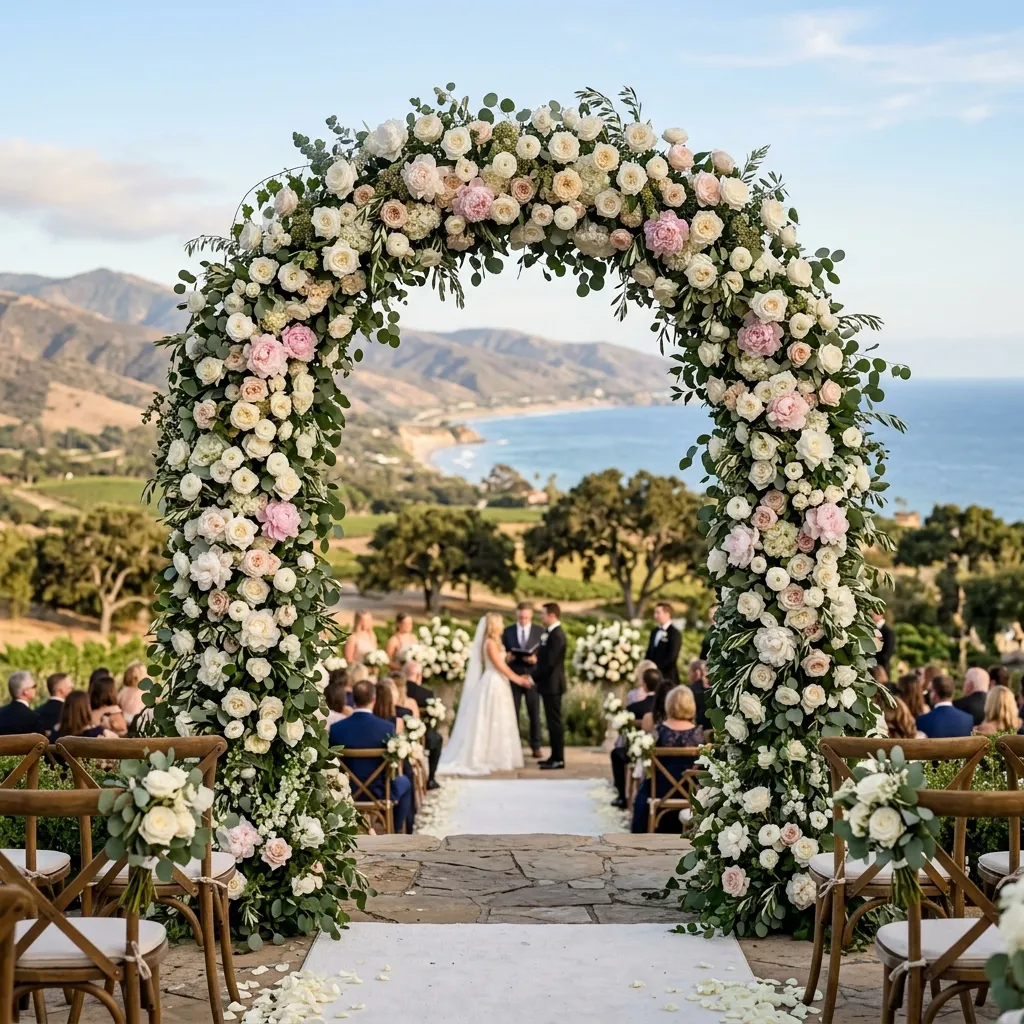
This definitive guide explores how to select, design with, source, and care for native California flowers in luxury arrangements. Whether you are planning an upscale wedding, a private event, a corporate installation, or an editorial-style floral design, understanding the exceptional qualities of these flowers can elevate your work from beautiful to unforgettable.
Why Native California Flowers Belong in Luxury Floral Design
Luxury floral design is no longer defined solely by abundance or rarity in the traditional sense. Today, discerning clients often seek arrangements that feel distinctive, environmentally thoughtful, and visually sophisticated. Native California flowers answer that demand beautifully.
They Offer Natural Elegance
Many native blooms have an effortless beauty that does not require heavy manipulation. Their architectural stems, softly irregular shapes, and organic silhouettes allow designers to create arrangements that feel alive and artistic. Rather than forcing flowers into a rigid form, luxury design with native species embraces movement, layering, and natural asymmetry.
They Create a Strong Sense of Place
California native flowers instantly connect an arrangement to the landscape. Coastal bluffs, foothill meadows, chaparral, oak woodland, and desert edges all inspire different palettes and textures. For luxury clients, this sense of terroir is powerful. It transforms an arrangement into a bespoke expression of location and season.
They Support Sustainability
Many native California flowers are well adapted to the region’s climate, requiring less water and fewer inputs when responsibly cultivated. When sourced from ethical growers, they can help reduce the environmental impact of floral design. For luxury clients who value sustainability, this can be a major selling point.
They Are Highly Photogenic
Luxury arrangements must perform well in photographs, and native California flowers excel here. Their unique textures, fine details, and layered color palettes create visual depth. In editorial photography, event installations, and intimate tablescapes, these blooms offer dimension that reads beautifully on camera.
What Makes a Flower “Native California”?
Native California flowers are species that evolved naturally within California’s ecosystems, rather than being introduced from other regions. These plants are often adapted to local climates, soils, and pollinators, which gives them ecological value as well as aesthetic appeal.
Native vs. Naturalized vs. Cultivated
It is important to distinguish among native, naturalized, and cultivated flowers:
- Native: Originated in California and evolved here naturally.
- Naturalized: Introduced from elsewhere but now grows and reproduces in the wild.
- Cultivated: Grown intentionally by florists or farmers, which may include native species and non-native species.
In luxury floral design, native California flowers may be sourced from cultivated farms or wildland-inspired gardens. The key is authenticity of species and ethical sourcing.
Why Identification Matters in Luxury Design
Knowing the exact species and growth habit helps a designer choose blooms that hold up in arrangements, complement one another in scale, and align with the intended mood. Native flowers are not simply “rustic” or “wild”; they can be extraordinarily refined when used with precision and intention.
Essential Native California Flowers for Luxury Arrangements
California offers a broad palette of native blooms, from delicate spring ephemerals to dramatic summer and fall textures. The following flowers are among the most useful and visually compelling for high-end design.
California Poppy
The California poppy is one of the state’s most iconic native flowers. Its silky petals, luminous orange tones, and cup-like form bring instant energy to arrangements. While often associated with casual meadow aesthetics, poppies can look surprisingly sophisticated when used sparingly as a focal accent or repeated in a monochromatic design.
Best use: Spring and early summer arrangements, editorial designs, naturalistic centerpieces, vivid color stories.
Cleveland Sage
Cleveland sage offers silvery stems and lavender-blue flower whorls that are beloved in luxury work for their fragrance and airy structure. Its muted metallic foliage is particularly valuable in high-end designs because it softens brighter blooms and adds a refined, coastal-meets-mediterranean feel.
Best use: Large-scale installations, mixed-texture arrangements, fragrance-forward designs, neutral luxury palettes.
Yarrow
Native yarrow provides umbrella-shaped clusters in white, cream, pale yellow, and soft pink, depending on the variety. Its fine, feathery foliage and clustered blooms add texture without visual heaviness. In luxury arrangements, yarrow is excellent for layering and for creating movement at the edges of compositions.
Best use: Layered meadow styles, bridal arrangements, textural accents, airy table designs.
Matilija Poppy
Also called the fried-egg plant, Matilija poppy is dramatic and unforgettable. Its giant white petals surrounding a brilliant yellow center make it a statement bloom for expansive designs and sculptural displays. Though delicate in vase life, it is prized for visual impact and can create a luxurious focal moment when used thoughtfully.
Best use: Artistic installations, statement pieces, large venue design, spring luxury events.
Monkeyflower
Monkeyflower blooms vary from apricot and yellow to deep red and pink, offering designers a versatile palette. Their tubular blooms and delicate branching make them valuable for adding rhythm and color movement to arrangements. They pair well with other natives and can bridge the line between refined and whimsical.
Best use: Color layering, boutique events, asymmetrical arrangements, natural luxury styling.
Douglas Iris
The Douglas iris is prized for its elegant petal structure and rich tones, often in purple, lavender, cream, or white. Its petals have a sculptural quality that reads beautifully in upscale arrangements. Used with restraint, it can lend a sophisticated botanical feel.
Best use: Luxury editorial work, spring bouquets, refined monochromatic palettes, intimate arrangements.
Sticky Monkeyflower
Sticky monkeyflower produces vibrant blooms in orange, red, and yellow tones, with a slightly wild, linear growth habit. Its cheerful colors are excellent for luxury arrangements that need vitality without feeling overly formal. It is especially effective in designs inspired by wild coastal or canyon landscapes.
Best use: Naturalistic luxury designs, seasonal celebrations, warm-toned palettes, standout accent work.
Chamise
Chamise is not known for showy flowers in the traditional sense, but its fine branching structure and subtle white bloom clusters are invaluable in sophisticated arrangements that prioritize line and texture. Luxury design often depends as much on supportive botanicals as on focal flowers, and chamise offers an understated elegance.
Best use: Structural support, line work, textural layering, minimalist luxury compositions.
Manzanita Blossoms
Manzanita branches, with their sculptural red stems and small bell-like blossoms, are highly prized in luxury design. Their architectural quality can elevate arrangements instantly. The contrast between the smooth, twisting stems and tiny flowers gives the composition a distinctly California character.
Best use: Modern luxury installations, winter arrangements, statement branches, sculptural centerpieces.
Ceanothus
Ceanothus, or California lilac, offers clusters of blue, purple, or white flowers with a dreamy, cloud-like effect. It is one of the most elegant native flowering shrubs for arrangements, especially when designers want a lush yet airy presence. It pairs beautifully with cream blooms, silvery foliage, and darker accent tones.
Best use: Spring luxury events, soft blue palettes, garden-style installations, romantic arrangements.
The Luxury Aesthetic: How Native Flowers Change the Design Language
Using native California flowers in luxury arrangements is not simply about swapping in different blooms. It changes the entire design language. Native flowers invite a more responsive, layered, and botanical approach.
From Formal Symmetry to Organic Balance
Traditional luxury arrangements often rely on tight symmetry and heavily controlled shapes. Native flowers encourage a softer interpretation of luxury—one that values asymmetrical balance, negative space, and natural gestures. This creates a more contemporary and editorial feel.
Texture Becomes a Primary Design Element
Because many native California flowers are relatively small, airy, or structurally distinct, texture becomes central. A luxury arrangement might combine silky poppy petals, fuzzy sage stems, cluster-forming yarrow, and branching manzanita for a composition that feels richly layered and deeply dimensional.
Color Stories Become More Subtle and Sophisticated
Native California flowers often present nuanced colors: dusty mauves, amber oranges, silvery greens, pale creams, and sky blues. These tones are naturally suited to refined palettes. Rather than relying on bright saturation alone, luxury designs can use tonal variation, contrast, and softness to create depth.
Best Seasonal Uses for Native California Flowers
Seasonality is essential when working with native flowers. A true luxury arrangement honors what is in bloom at the right time of year. California’s climate provides a broad flowering window, but specific species shine in distinct seasons.
Spring
Spring is the most celebrated season for many California natives. This is when poppies, ceanothus, Douglas iris, yarrow, and monkeyflower are often at their best. Spring luxury designs can feel fresh, bright, and abundant without becoming heavy.
Design direction: Soft blue-and-cream arrangements, golden meadow palettes, pastel editorial bouquets, garden-inspired tablescapes.
Summer
In summer, heat-tolerant natives and more structural materials become especially valuable. Cleveland sage, sticky monkeyflower, chamise, and manzanita branches provide durability and texture when softer blooms may struggle.
Design direction: Coastal palettes, sun-washed neutrals, sculptural installations, layered textural centerpieces.
Fall
Fall native floral work leans into warmth, restraint, and depth. While not all spring blooms remain available, seed heads, dried elements, foliage, and late-season accents can create elegant arrangements with a more mature mood.
Design direction: Earth-toned installations, bronze and cream palettes, moody tablescapes, preserved botanical compositions.
Winter
Winter native California floral design often focuses on branches, evergreen texture, and sculptural materials rather than mass blooms. Manzanita, evergreen foliage, seed pods, and dried botanicals can create luxurious winter arrangements with a refined, contemporary edge.
Design direction: Minimalist arrangements, sculptural centerpieces, modern holiday design, monochromatic palettes.
Design Principles for Native California Luxury Arrangements
Creating luxury arrangements with native California flowers requires more than access to beautiful blooms. It demands a careful understanding of proportion, rhythm, contrast, and restraint.
Use Negative Space Intentionally
One of the most powerful tools in native design is negative space. Not every area needs to be filled. Leaving air between blooms gives the arrangement room to breathe and allows individual species to be appreciated for their form.
Layer Height and Movement
Luxury arrangements should have visual hierarchy. Some stems can rise upward to create movement, while others sit lower to build volume. Native flowers with branching habits are especially good at establishing rhythm in the composition.
Balance Softness with Structure
The most elegant native arrangements often combine delicate blooms with more architectural elements. For example, the softness of ceanothus can be anchored by manzanita branches, or the warmth of poppies can be grounded by sage foliage.
Design for the Vessel
Luxury floristry depends on the right vessel. A hand-thrown ceramic bowl, a smoked glass compote, a matte stone vase, or a brushed metal container can dramatically affect the mood. Native California flowers look especially sophisticated in vessels that echo natural materials and understated luxury.
Color Palettes That Work Beautifully with Native California Flowers
California native flowers support a wide range of palettes, but certain combinations are especially effective in high-end design.
Coastal Neutral Palette
This palette includes cream, sand, pale green, silver, and soft blue. It feels airy, modern, and quietly luxurious. Flowers like ceanothus, sage, yarrow, and white iris varieties fit beautifully here.
Golden Meadow Palette
Inspired by late spring fields and sunlit hillsides, this palette uses poppy orange, butter yellow, warm cream, and soft green. It is ideal for cheerful yet elegant events.
Earth and Clay Palette
Terracotta, rust, blush, ochre, and muted burgundy create a grounded, warm atmosphere. This palette works well with monkeyflower, sage, seed pods, and foliage-rich designs.
Monochromatic Botanical Palette
A monochromatic design can be extremely sophisticated. Consider an all-white arrangement using Matilija poppy, cream-colored yarrow, pale stems, and textured foliage, or a purple-toned composition featuring Douglas iris and ceanothus.
How to Source Native California Flowers Responsibly
Luxury design depends on quality, freshness, and ethics. Sourcing native California flowers responsibly is essential, especially because some species are protected, sensitive, or unsuitable for cutting from the wild.
Work with Specialty Flower Farms
The best source for cut native flowers is often a grower who specializes in them. These farms know how to cultivate native species for floral use without harming natural ecosystems. They can also provide consistent quality and seasonal availability.
Avoid Wild Harvesting Without Expertise
Removing native flowers from wild habitats can damage local biodiversity, disrupt pollinators, and violate regulations. Luxury clients increasingly expect ecological stewardship, so ethical sourcing is not optional—it is part of the value proposition.
Ask About Harvest Practices
Professional florists should ask where the flowers were grown, how they were harvested, and whether the farm follows sustainable practices. In luxury design, transparency builds trust and supports long-term excellence.
Conditioning and Care for Native California Flowers
Native flowers can vary significantly in vase life and care requirements. Proper conditioning ensures they perform at their best in arrangements and installations.
Hydrate Immediately
Most cut flowers benefit from immediate hydration after harvest or delivery. Use clean buckets, fresh water, and proper flower food when appropriate. Remove foliage that would sit below the waterline.
Respect Delicate Blooms
Some native flowers, such as poppies or Matilija poppies, can be delicate and short-lived once cut. Use them strategically as focal accents rather than workhorse flowers. Their beauty is often best appreciated close to the event or in designs with high visual impact.
Store in Cool Conditions
Cool storage extends vase life and protects delicate petals from stress. This is especially important for high-end events where timing and presentation must be flawless.
Handle with Minimal Contact
Many native blooms have fine petals or subtle surface textures that can bruise easily. Handle them gently, and build arrangements with clean, precise mechanics to preserve their natural form.
Luxury Event Applications for Native California Flowers
Native California flowers are versatile enough to be used across a wide range of luxury settings. Their adaptability makes them especially appealing to event designers, wedding planners, and hospitality brands.
Luxury Weddings
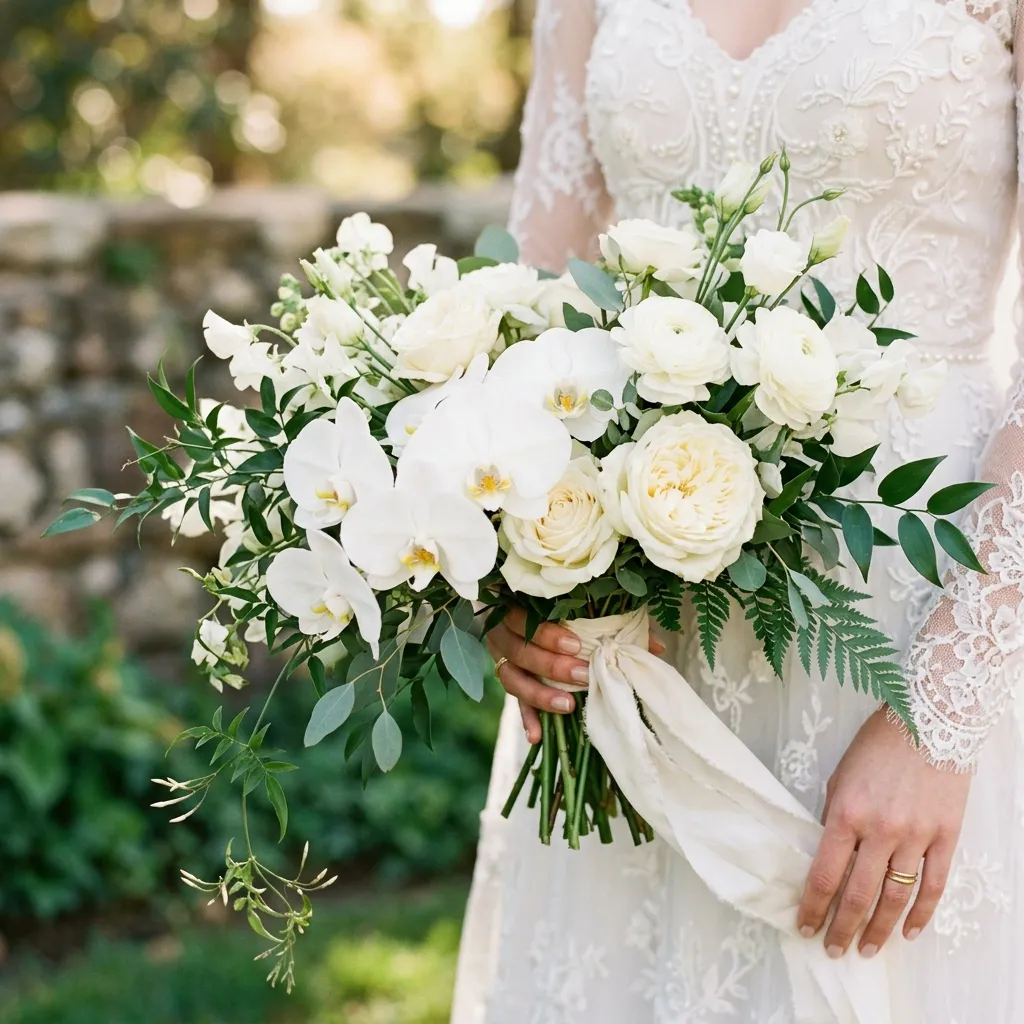
For weddings, native California flowers can create a sense of romance rooted in place. They work beautifully for ceremony arches, aisle arrangements, bridal bouquets, reception centerpieces, and hanging installations. Because they are seasonal, they help create a more authentic and memorable event aesthetic.
Private Dinners and Intimate Events
Smaller events benefit from the intimacy and craftsmanship of native floral design. A few carefully chosen stems can create a remarkable table moment when placed in the right vessel. The goal is quiet sophistication rather than overwhelming abundance.
Corporate and Hospitality Installations
Luxury hotels, restaurants, and brand activations often use native florals to communicate regional identity and design-forward values. Large installations featuring manzanita, sage, and ceanothus can make a memorable architectural statement in lobbies, entryways, and event spaces.
Editorial and Fashion Styling
California native flowers are especially effective in editorial settings because they photograph with depth and personality. Their unexpected forms can complement high fashion, luxury product photography, and lifestyle branding with a fresh, artistic sensibility.
Common Design Mistakes to Avoid
Even the most beautiful flowers can be undermined by poor design choices. When working with native California flowers in luxury arrangements, avoid these common mistakes.
Overcrowding the Arrangement
Native flowers often need breathing room. Packing them too tightly can flatten their visual impact and make the composition feel heavy.
Ignoring Scale
Small native blooms can disappear if paired with oversized focal flowers without thoughtful proportion. A successful arrangement considers the scale of each stem and how it contributes to the whole.
Using Incompatible Water Needs
Different flowers can have different hydration preferences. In mixed arrangements, be aware of which stems need cooler conditions or more frequent water changes.
Forcing a Traditional Form
Native California flowers often look best when allowed a more natural structure. Trying to force them into overly rigid shapes can diminish their charm and authenticity.
The Future of Luxury Floristry with Native California Flowers
The future of luxury floristry is increasingly tied to sustainability, locality, and design intelligence. Native California flowers sit at the intersection of all three. They allow florists to create work that is visually compelling, environmentally responsible, and deeply rooted in place.
As clients become more educated and discerning, they are looking for arrangements that feel custom rather than generic. Native flowers offer a way to tell a meaningful story without sacrificing sophistication. In fact, their very individuality is what makes them luxurious.
More Demand for Seasonal, Local Design
Luxury consumers are increasingly interested in seasonality and provenance. This shift favors native flowers because they embody both. Their natural bloom cycles encourage designs that are aligned with the calendar and the landscape rather than imported out of season.
Greater Appreciation for Botanical Texture
Design trends are moving toward texture-rich arrangements that feel organic and layered. Native California flowers are naturally suited to this evolution. Their varied forms, subtle colors, and expressive stems create compositions that feel fresh and editorial.
Eco-Conscious Luxury as the New Standard
Luxury is no longer synonymous with excess. Thoughtful restraint, ecological care, and material integrity are becoming markers of taste. Native California flowers align with this modern luxury ethic perfectly.
Conclusion: Designing with the Spirit of California
Native California flowers offer far more than botanical beauty. They bring artistry, seasonality, ecological value, and a profound sense of place to luxury arrangements. When used with skill and intention, they can transform weddings, events, and interiors into elevated floral experiences that feel both refined and emotionally resonant.
The definitive guide to native California flowers in luxury arrangements begins with respect: respect for the landscape, for the season, for the flower’s natural form, and for the client’s desire for something meaningful and exquisite. By sourcing responsibly, designing thoughtfully, and honoring the unique character of each bloom, florists can create work that is not only beautiful but unforgettable.
For Flowers El Ranchito, native California flowers represent the best of modern luxury floristry: elegant, authentic, and deeply connected to the beauty of California itself.
Frequently Asked Questions
Direct answers regarding flower delivery, custom ordering, and arrangements in the San Fernando Valley.
Which native California flowers work best in luxury arrangements? ▾
The best choices are the ones with strong form and refined texture: California poppies for luminous accents, ceanothus for cloud-like softness, wild iris for architectural elegance, manzanita for sculptural structure, toyon berries for seasonal richness, and native lilac for fragrance and volume. In luxury work, the key is not abundance alone but balance, so pair one or two standout natives with supporting foliage and a disciplined color palette.
Can native California flowers last as long as imported luxury blooms? ▾
Some can, especially woody stems, berries, and foliage, but many native wildflowers are naturally more delicate than imported roses or orchids. Their luxury value comes from freshness, seasonal authenticity, and design impact. With proper hydration, cool storage, clean buckets, and careful handling, you can extend vase life significantly. The most delicate blooms are best used in event work or arrangements designed for shorter display windows.
How do you make native California flowers look elegant rather than rustic? ▾
Use restraint, structure, and contrast. Choose a limited palette, give each stem room to breathe, and avoid overcrowding the design. Pair airy natives with polished vessels, refined mechanics, and clean lines. A luxury arrangement should feel intentional, not wild for wildness’ sake. The most elegant native designs use texture as a focal point and negative space as part of the composition.
Request a Custom Order or Quote
Planning an event or looking for fresh bouquets? Tell us your vision and our Mission Hills floral designers will contact you with options & pricing.