The Definitive Guide to Native California Flowers for Luxury Arrangements
Flowers El Ranchito Expert Advice
The Definitive Guide to Native California Flowers for Luxury Arrangements
California native flowers bring something truly special to luxury floral design: a sense of place, exceptional texture, seasonal authenticity, and a refined beauty that feels both modern and timeless. In high-end arrangements, these blooms offer more than visual appeal. They tell a story of landscape, climate, and craftsmanship. From the airy elegance of ceanothus to the sculptural drama of kangaroo paw, native California flowers can elevate event florals, editorial installations, bridal bouquets, and signature arrangements with a distinctly West Coast sophistication.
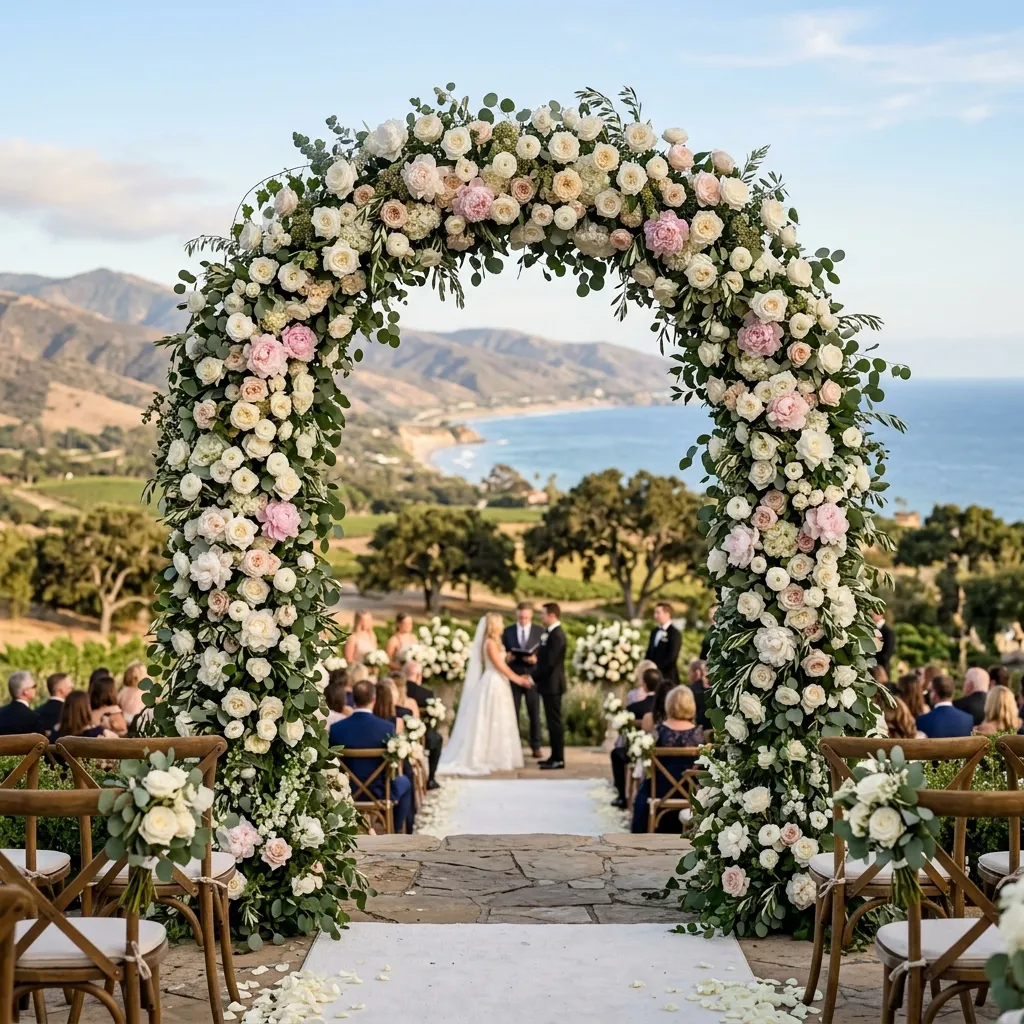
For florists, designers, event planners, and flower lovers seeking a fresh alternative to imported staples, native California flowers open the door to rich palettes, unique forms, and sustainable design choices. They are especially compelling in luxury work because their beauty is not loud or forced; it is nuanced, textural, and deeply expressive. When designed thoughtfully, these flowers create arrangements that feel elevated, exclusive, and rooted in place.
This definitive guide explores the most desirable native California flowers for luxury arrangements, how to source and condition them, design principles for premium work, seasonal considerations, and the best techniques for creating compositions that feel both botanical and opulent. Whether you are building a bridal collection, designing a private event, or curating an editorial centerpiece, this guide will help you use California natives with confidence and artistry.
Why Native California Flowers Are Ideal for Luxury Floral Design
Luxury floristry is no longer defined solely by roses, peonies, orchids, and imported blooms. Today’s high-end floral clients increasingly value originality, sustainability, seasonal design, and a sense of place. Native California flowers meet all of these expectations while introducing forms and colors that are rarely duplicated by traditional cut flowers.
1. They Create a Distinctive Sense of Place
Native flowers instantly evoke California’s diverse landscapes: coastal bluffs, oak woodlands, chaparral hillsides, canyon trails, and sun-drenched meadows. In luxury arrangements, this connection to place adds depth and storytelling. Guests and clients notice when florals feel intentional and locally inspired rather than generic.
2. They Offer Exceptional Texture and Structure
Many native California species have elongated stems, unusual petal structures, fuzzy foliage, sculptural seed pods, or clustered blooms. These elements add the kind of textural contrast that high-end florists prize. Luxury arrangements often rely on layers of detail, and California natives deliver that naturally.
3. They Support Sustainable Floral Design
Because many native species can be sourced from local growers, they reduce transportation impacts and often align with eco-conscious event design. For clients who want beauty without excess waste or a heavy carbon footprint, native flowers are a compelling solution.
4. They Feel Fresh and Contemporary
While classic flowers remain beloved, native California blooms introduce a modern sensibility that appeals to design-forward clients. Their forms often feel unexpected and sculptural, making them ideal for editorial installations, contemporary weddings, and luxury interiors.
5. They Elevate Seasonal Authenticity
Luxury arrangements gain sophistication when they reflect the season honestly. California natives naturally shift with the months, offering a palette that evolves from spring wildflowers to summer texture to autumn seed heads. This seasonality creates arrangements with integrity and visual freshness.
Design Principles for Luxury Arrangements Using California Native Flowers
Working with native flowers requires an approach that respects their natural beauty while still delivering refined, polished design. Luxury does not mean forcing flowers into rigid shapes. Instead, it means understanding how to compose them in a way that highlights proportion, movement, and balance.
Honor Natural Movement
Many native blooms look best when allowed to arc, bend, or rise organically. Rather than over-clustering every stem, create space within the design so each flower can be appreciated individually. This negative space is one of the hallmarks of sophisticated arrangements.
Use Texture as a Primary Luxury Signal
Luxury arrangements are often richest when viewed up close. Pair soft petals with seed pods, velvety foliage with glossy leaves, and airy filler with architectural focal flowers. California natives excel in texture, so avoid overcomplicating the palette when the forms themselves already provide visual complexity.
Choose Color Palettes with Intent
Native California flowers can be vivid, muted, earthy, pastel, or jewel-toned depending on the species and season. For luxury work, restraint can be powerful. A tonal arrangement using blush, apricot, cream, and dusty green feels elegant. A bolder design with cobalt, gold, and deep burgundy can feel editorial and fashion-forward.
Blend Wildness with Precision
The best luxury arrangements using natives strike a balance between garden-like freedom and exacting craftsmanship. Stems may appear effortless, but placement should be deliberate. Every line should support the composition, not overwhelm it.
Consider Vessel Selection Carefully
Vases, urns, compotes, and installation mechanics all affect the final presentation. Native California flowers often shine in ceramic, stone, brass, matte glass, and artisanal vessels. Choose containers that complement the natural character of the flowers without competing for attention.
Top Native California Flowers for Luxury Arrangements
California offers a remarkable range of native flowers suitable for premium floral design. Some are delicate and romantic, while others are sculptural and striking. The following selections are among the most useful and beautiful for luxury arrangements.
1. Ceanothus
Commonly called California lilac, ceanothus is one of the most elegant native shrubs for floral work. Its tiny clustered blossoms create a cloud-like effect in blues, lavenders, and soft whites. In arrangements, ceanothus adds movement, delicacy, and a light, airy texture.
Luxury use: Ceanothus works beautifully in spring events, garden-inspired weddings, and arrangements that need a refined blue accent. It pairs especially well with roses, ranunculus, sweet peas, and silver-toned foliage.
2. California Poppy
The iconic California poppy brings a luminous, silky quality to floral design. Its petals can range from classic orange to cream, pink, red, and apricot tones. The flower’s cup shape and delicate stems add instant vibrancy and a distinctly Californian identity.
Luxury use: California poppies are ideal for editorial arrangements, modern tablescapes, and seasonal installations where color and movement matter. Use them sparingly or in mass for a dramatic effect.
3. Matilija Poppy
Often called the fried egg flower due to its oversized white petals and bold yellow center, Matilija poppy is a statement bloom. It delivers an unexpected sculptural element that feels both wild and glamorous. The blooms are large and texturally striking, making them memorable focal points.
Luxury use: Best in large-scale arrangements or installations where scale can be appreciated. Matilija poppy lends itself to modern architecture-inspired florals and California-native themed events.
4. Lupine
Lupine offers tall, vertical spikes filled with densely packed blossoms in shades of blue, purple, pink, white, and gold. It creates a strong line and a sophisticated meadow effect. In luxury design, lupine introduces both structure and softness.
Luxury use: Lupine is excellent in tall arrangements, ceremony pieces, and designs that require height without heaviness. It works well alongside delphinium, roses, and wild greenery.
5. Yarrow
California native yarrow is an indispensable texture flower. Its flattened flower clusters come in creams, yellows, pinks, and warm neutrals. Yarrow adds an organic, sunlit quality that complements many luxury palettes.
Luxury use: Yarrow is ideal as a supporting bloom in garden arrangements, romantic bouquets, and meadow-inspired compositions. It also dries beautifully, making it valuable for long-lasting designs.
6. Kangaroo Paw
Although more widely associated with Australia, kangaroo paw is frequently used in California-native inspired design and grows well in some California landscapes. Its fuzzy, tubular blooms bring extraordinary texture and a modern silhouette. In luxury arrangements, it adds movement, sculptural interest, and a touch of botanical drama.
Luxury use: A standout choice for contemporary arrangements, fashion-forward events, and arrangements that need a bold textural anchor.
7. California Fuchsia
California fuchsia produces tubular flowers in intense red-orange shades that attract hummingbirds in the wild and bring vivid energy to floral compositions. Its form is delicate yet strong, and it creates a striking contrast in arrangements with softer blooms.
Luxury use: Excellent for color-driven designs, sunset-inspired palettes, and arrangements that need a vivid accent without overwhelming the composition.
8. Clarkia
Clarkia produces graceful, often airy flowers in shades of pink, lavender, coral, and white. Some varieties have crinkled petals or elegant vertical stems, making them ideal for soft, romantic arrangements.
Luxury use: Clarkia is especially beautiful in bridal work, reception centerpieces, and arrangements where lightness and translucence are key.
9. California Lilac Shrub Foliage and Branches
While ceanothus blooms are treasured, the shrub itself also contributes beautiful foliage and branching structure. The evergreen leaves and natural branching can be used to shape arrangements with a distinctly native, garden-like quality.
Luxury use: Branches of native shrubs can provide a sophisticated framework for large installations, especially when paired with delicate blooms.
10. Douglas Iris
Douglas iris is prized for its elegant flower form and rich color range. Its petals can be violet, yellow, white, or patterned, often with a regal presence that elevates any design. The bloom has a refined, almost painterly quality.
Luxury use: Douglas iris is excellent for intimate arrangements, luxury spring designs, and compositions requiring a cultivated yet natural feel.
11. Sticky Monkey Flower
This cheerful native flower offers trumpet-shaped blooms in yellows, oranges, reds, and creams. It has a playful but polished look, especially when balanced with more structured blooms.
Luxury use: Sticky monkey flower adds warmth and charm to arrangements, particularly in spring and early summer palettes.
12. California Buckwheat
Though often thought of as a textural filler, California buckwheat is incredibly valuable in luxury design. Its airy clusters and rust-toned aging make it ideal for organic, naturalistic arrangements. When in bloom, it creates a soft haze; when mature, it provides tonal depth.
Luxury use: Perfect for earthy, desert-inspired, or neutral compositions that need movement and subtle sophistication.
13. Monkeyflower
Monkeyflower species offer a wide range of shapes and colors, often with spotted or patterned throats. Their whimsical form brings personality and freshness to arrangements, especially when used in combination with refined focal flowers.
Luxury use: Use monkeyflower to introduce unexpected detail into bouquets and statement centerpieces.
14. Mallow
Native mallows are soft, open-faced flowers with a romantic, easy elegance. They can look exceptionally graceful in loose compositions and add a silken quality to mixed arrangements.
Luxury use: Best for gentle, feminine, and garden-style luxury arrangements where effortless beauty is desired.
Best Foliage and Textural Elements from California Native Landscapes
Luxury arrangements are not built on flowers alone. Foliage and structural elements provide volume, contrast, and refinement. California’s native plant palette includes beautiful greens and branches that can transform an arrangement from simple to memorable.
Manzanita Branches
Manzanita is one of the most elegant structural elements available in California-native design. Its smooth, twisting branches offer a sculptural line that adds sophistication to large arrangements and installations. Even without blooms, manzanita can act as a luxury design element.
Oak Leaves and Branching
California oak foliage brings depth, scale, and a sense of permanence. It works especially well in autumnal and transitional arrangements. The shape of oak leaves adds classic beauty and strong visual grounding.
Silvery Native Sage
Many native sages have aromatic, silvery foliage that softens brighter blooms and creates a refined contrast. Their muted tones are particularly effective in contemporary and neutral arrangements.
Fernlike Native Greens
Some native plants offer feathery, fernlike textures that enrich compositions with softness and dimension. These greens help build a layered, finished look that is essential in luxury florals.
Seasonality and Availability of Native California Flowers
One of the most important considerations in native floral design is seasonality. A luxury arrangement should never ignore what is actually in bloom. Working with the natural calendar creates authenticity and helps ensure freshness and quality.
Spring
Spring is the peak season for many native wildflowers. This is when you may find ceanothus, California poppies, lupine, clarkia, Douglas iris, and some mallows at their best. Spring designs tend to be softer, more airy, and more colorful.
Summer
In summer, arrangements often shift toward stronger textures, seed heads, warmer tones, and more drought-tolerant species. California fuchsia, yarrow, buckwheat, sticky monkey flower, and native sages may be especially useful.
Fall
Fall arrangements can incorporate seed pods, branches, richer earth tones, and late blooms. This is an excellent time to use manzanita, oak elements, dried textures, and muted neutrals that reflect the late-season landscape.
Winter
Winter native floral availability can be more limited depending on region and rainfall, but foliage, branches, and certain early bloomers may still be available. Luxury winter arrangements often emphasize line, structure, and tonal restraint.
How to Source Native California Flowers for Premium Work
For luxury arrangements, sourcing is as important as design. Quality, freshness, and ethical growing practices make a significant difference in how the final arrangement performs and how it is perceived by clients.
Work with Specialty Local Growers
Look for farms and growers who cultivate native species responsibly and harvest at peak quality. Local sourcing often means better stem condition, stronger color, and more reliable seasonal availability.
Confirm Harvesting Practices
Ask whether flowers are field-grown, greenhouse-grown, or foraged. In luxury floristry, consistency matters. Ethically grown native flowers are generally preferable to wild-harvested blooms unless collection is carefully managed and legally permitted.
Build Relationships in Advance
Because many native blooms are seasonal and limited in volume, securing supply ahead of events is essential. Establishing relationships with growers gives you better access to the most desirable stems and helps you plan around availability.
Expect Variability
Native flowers are naturally more variable than mass-grown commercial blooms. This is part of their charm, but it requires flexibility in design planning. Luxury work benefits from this variability when it is embraced rather than resisted.
Conditioning Native Flowers for Long-Lasting Luxury Arrangements
Proper conditioning is crucial for extending vase life and ensuring that native blooms look their best. Many California natives are delicate or prone to early wilt if handled too aggressively.
Hydrate Immediately
As soon as flowers arrive, recut stems cleanly and place them into fresh, cool water. Remove any foliage that would sit below the waterline. Give the stems time to rehydrate in a cool environment before arranging.
Handle Delicate Petals with Care
Some natives bruise easily, especially thin-petaled blooms like poppies and certain clarkias. Avoid overhandling and store them in optimal temperature conditions until the moment of design.
Use Clean Mechanics
Dirty buckets, vases, or tools can shorten vase life dramatically. Luxury floristry demands immaculate floral hygiene, especially when working with more sensitive native material.
Account for Natural Open Stages
Many native flowers continue opening after harvest. Design with this in mind so arrangements evolve beautifully over the event period rather than becoming crowded or overblown.
Color Pairings That Enhance Native California Flowers
Color strategy is one of the most effective ways to make native flowers feel luxurious. Because these blooms often have nuanced, earthy, or naturally vibrant tones, they respond beautifully to curated pairings.
Soft Romantic Pairings
Pair ceanothus, clarkia, and Douglas iris with blush roses, white ranunculus, cream lisianthus, and dusty eucalyptus tones for a graceful, romantic palette.
Sunset-Inspired Pairings
California poppies, California fuchsia, sticky monkey flower, and apricot-toned accents create a warm, glowing arrangement that feels rich and radiant.
Earthy Neutral Pairings
Combine buckwheat, yarrow, manzanita, sage foliage, and muted cream blooms for a refined neutral palette with tactile depth.
Bold Contemporary Pairings
Use lupine, iris, deep burgundy flowers, and sculptural foliage for a dramatic, editorial look that feels confident and elevated.
Luxury Arrangement Styles That Work Beautifully with California Natives
Native California flowers can be designed into many styles, but several approaches are especially effective in high-end settings.
Garden-Style Luxury
This style embraces lushness, movement, and layered blooms while retaining a sophisticated overall structure. Native flowers fit beautifully here because they naturally suggest garden abundance without appearing overly formal.
Modern Minimalist
A restrained arrangement featuring a few exquisite stems of ceanothus, iris, or manzanita can feel highly luxurious when placed in a beautiful vessel and given enough breathing room.
Meadow-Inspired Design
For large installations or romantic events, meadow-style arrangements using lupine, clarkia, yarrow, and grasses can create an immersive and upscale natural effect.
Artful Sculptural Design
When combined with architectural elements like manzanita branches or tall lupine spikes, native flowers become part of a sculptural composition that feels gallery-worthy.
Challenges of Working with Native California Flowers
Native blooms are stunning, but they come with specific challenges that a luxury florist must anticipate.
Limited Availability
Some species are highly seasonal or available only in small quantities. Planning early and having flexible substitutions is essential.
Fragility of Certain Blooms
Poppies, some meadow flowers, and delicate spring species may have shorter vase lives or more sensitive petals. They are best used in controlled conditions and closer to event time.
Variation in Stem Length
Some native flowers may not have long, uniform stems. This can make mechanics more important, especially in large arrangements or tall vessels.
Color Inconsistency
Wildflowers and native cultivars can vary in tone depending on growing conditions. This variability is part of their charm, but it must be accounted for in design planning.
How to Make Native California Flowers Feel Truly Luxurious
Luxury is not about abundance alone. It is about intention, quality, harmony, and restraint. To make native California flowers feel genuinely premium, every design decision should be careful and elevated.
Select Fewer, Better Stems
Rather than crowding an arrangement, choose the strongest stems and allow them to breathe. High-end design often relies on confident editing.
Prioritize Vessel and Presentation
The container should feel worthy of the flowers. Ceramic, stone, antique brass, and handmade vessels enhance the perception of luxury.
Focus on Line and Rhythm
Native flowers often have elegant natural movement. Use that line to guide the eye through the composition, creating rhythm rather than static fullness.
Balance Wildness with Refinement
A luxury arrangement can look organic and free-flowing while still being precisely composed. This balance is what makes native flowers so compelling for premium design.
Best Uses for Native California Flowers in Luxury Settings
Native flowers are remarkably versatile and can be used across a wide range of high-end applications.
Weddings
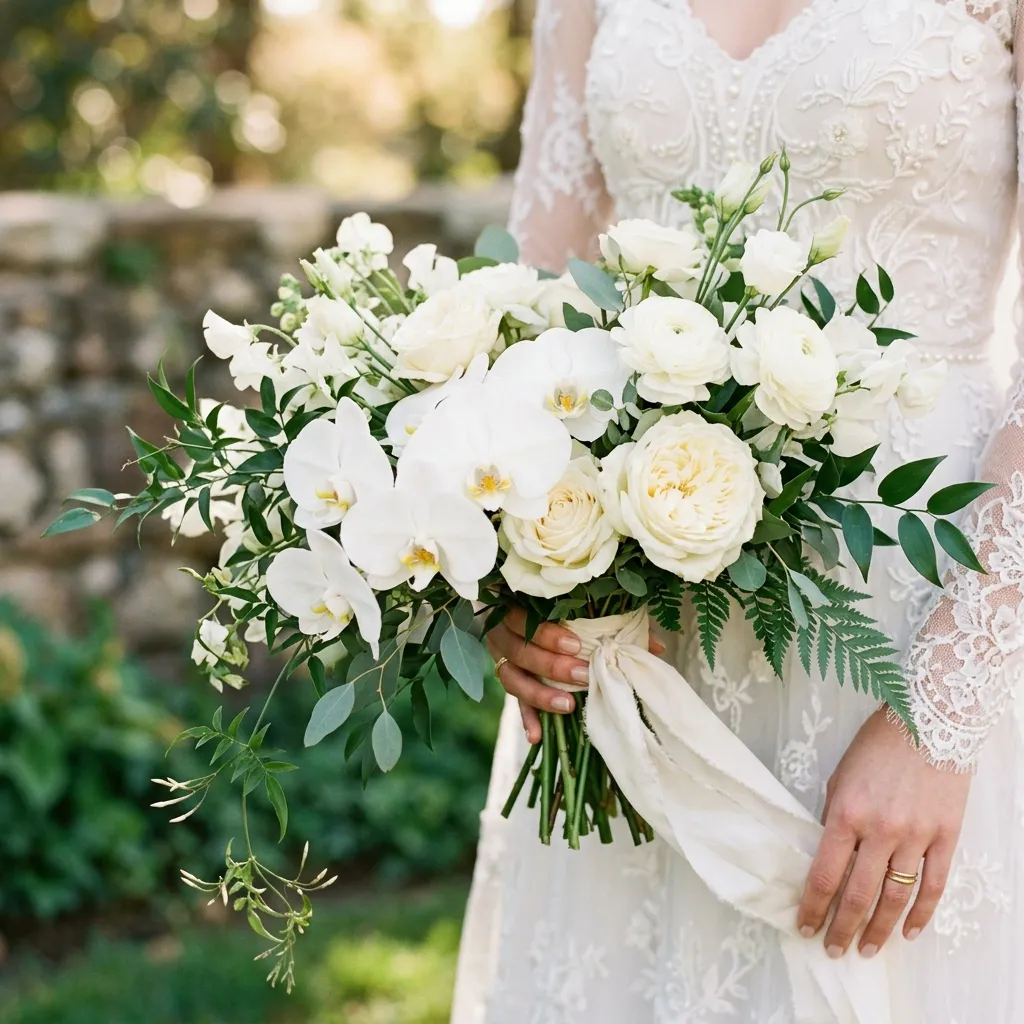
For couples seeking a deeply personal, location-inspired aesthetic, native flowers create memorable bridal bouquets, ceremony installations, reception centerpieces, and sweetheart table arrangements.
Corporate Events
For brand activations, gala dinners, and private corporate gatherings, California natives can support a polished but distinctive visual identity.
Luxury Hospitality
Hotels, restaurants, and private clubs can use native arrangements to signal sophistication, sustainability, and regional identity.
Editorial and Campaign Work
Native flowers photograph beautifully because of their texture, movement, and color variation. They are ideal for fashion, lifestyle, and design-forward shoots.
Private Residences
For clients who appreciate botanical artistry, native arrangements can bring a fresh, curated sense of California elegance into the home.
Care and Longevity Tips for Clients
To ensure native arrangements last as long as possible, provide clear care instructions to clients and event teams.
- Keep arrangements away from direct sunlight, heating vents, and strong drafts.
- Refresh water regularly and use clean containers.
- Recut stems every few days if the arrangement is meant to last.
- Remove spent flowers promptly to preserve the look of the design.
- For event florals, keep arrangements cool until display time whenever possible.
The Future of Luxury Floristry with Native California Flowers
The growing appreciation for native California flowers reflects a broader shift in luxury design. Today’s most discerning clients value authenticity, sustainability, and visual originality. Native florals answer all three needs while offering a botanical vocabulary that feels fresh and expressive.
As more designers explore locally sourced flowers and seasonally grounded compositions, California natives are poised to become an even more important part of luxury floristry. Their appeal lies not only in their beauty, but in the narrative they carry: one of landscape, resilience, and elegant natural form. In a world saturated with overly produced aesthetics, that honesty is itself a luxury.
Conclusion: Designing with California’s Native Beauty
Native California flowers are among the most compelling materials a florist can use to create luxury arrangements. They are textured, expressive, seasonal, and deeply connected to the land. Whether used as focal blooms, supporting textures, or sculptural design elements, they bring sophistication and emotional resonance to floral work of every scale.
To design with these flowers well is to understand their natural habits, honor their seasonality, and present them with precision. When paired with strong mechanics, thoughtful color theory, and elevated vessels, native California flowers can rival any imported bloom in impact and elegance.
For weddings, events, editorial work, and bespoke floral experiences, they offer a distinct advantage: they feel both exclusive and authentic. That combination is what makes them truly luxurious.
If you are seeking arrangements that celebrate California beauty with artistry and refinement, native flowers are an exceptional choice. Their forms may be wild, but in the hands of a skilled florist, they become unforgettable.
Frequently Asked Questions
Direct answers regarding flower delivery, custom ordering, and arrangements in the San Fernando Valley.
Which native California flowers hold up best in luxury arrangements? ▾
Yarrow, hummingbird sage, sea lavender, toyon berries, manzanita branches, and many types of California buckwheat are excellent for structure and longevity, especially when properly conditioned and kept cool.
Can native California flowers be used in formal wedding designs? ▾
Absolutely. When paired with refined mechanics, intentional color palettes, and premium focal flowers, native blooms create elegant wedding work that feels distinctive, romantic, and regionally authentic.
How do you keep native California flowers looking fresh and high-end? ▾
Harvest at the right stage, condition immediately, remove excess foliage, hydrate in clean cool water, and design with airflow in mind. Native blooms often look most luxurious when they are handled gently and allowed to retain their natural shape.
Request a Custom Order or Quote
Planning an event or looking for fresh bouquets? Tell us your vision and our Mission Hills floral designers will contact you with options & pricing.