The Definitive Guide to Ceremony Arches and Altar Florals for Weddings
Flowers El Ranchito Expert Advice
The Definitive Guide to Ceremony Arches and Altar Florals for Weddings
Ceremony arches and altar florals do far more than decorate the place where vows are exchanged. They frame one of the most meaningful moments of a wedding day, create a focal point for the ceremony, and help define the entire visual language of the event. Whether the setting is a beachfront aisle, a historic church, a modern rooftop, a private garden, or a grand ballroom, the floral design at the altar sets the tone for the celebration and becomes one of the most memorable elements in photos and video.
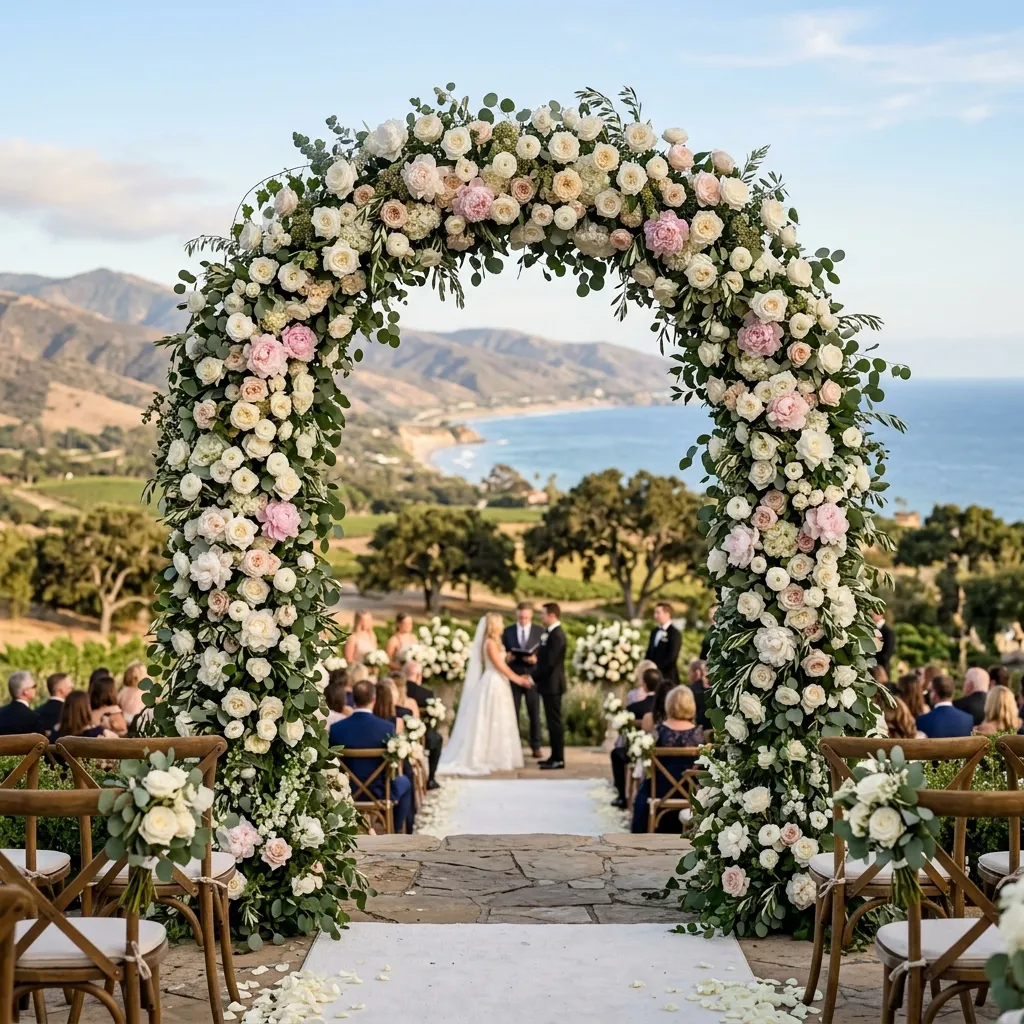
This comprehensive guide explores every major aspect of wedding ceremony arches and altar florals, from style and structure to flower selection, seasonal planning, budgeting, installation, and design strategy. If you are planning a wedding and want your ceremony space to feel intentional, elegant, and unforgettable, understanding how to approach altar florals is essential.
What Are Ceremony Arches and Altar Florals?
Ceremony arches are structural wedding decor elements placed at the altar or exchange-of-vows area to create a visual centerpiece behind the couple. They can take many forms, including arbors, hoops, geometric frames, pergolas, pillars, cross-back structures, asymmetrical installations, or custom-built floral walls. Altar florals refer more broadly to the floral arrangements that define the ceremony focal point, which may include arrangements attached to the arch, floral pillars, ground arrangements, pedestal designs, aisle-end florals, or altar sprays.
These elements serve both aesthetic and symbolic purposes. Visually, they draw the eye to the couple. Symbolically, they represent the threshold into married life, turning a simple stage into a meaningful ceremonial setting. For many couples, the altar is the most photographed location of the wedding day, so the floral design should be treated as a foundational design choice rather than a finishing touch.
Why Ceremony Arch Florals Matter So Much
When guests enter a ceremony space, their eyes naturally seek a focal point. A well-designed arch or altar floral installation gives the ceremony composition balance, depth, and intention. It anchors the visual scene and helps unify the rest of the decor, from the aisle flowers to the bridal bouquet to the reception styling.
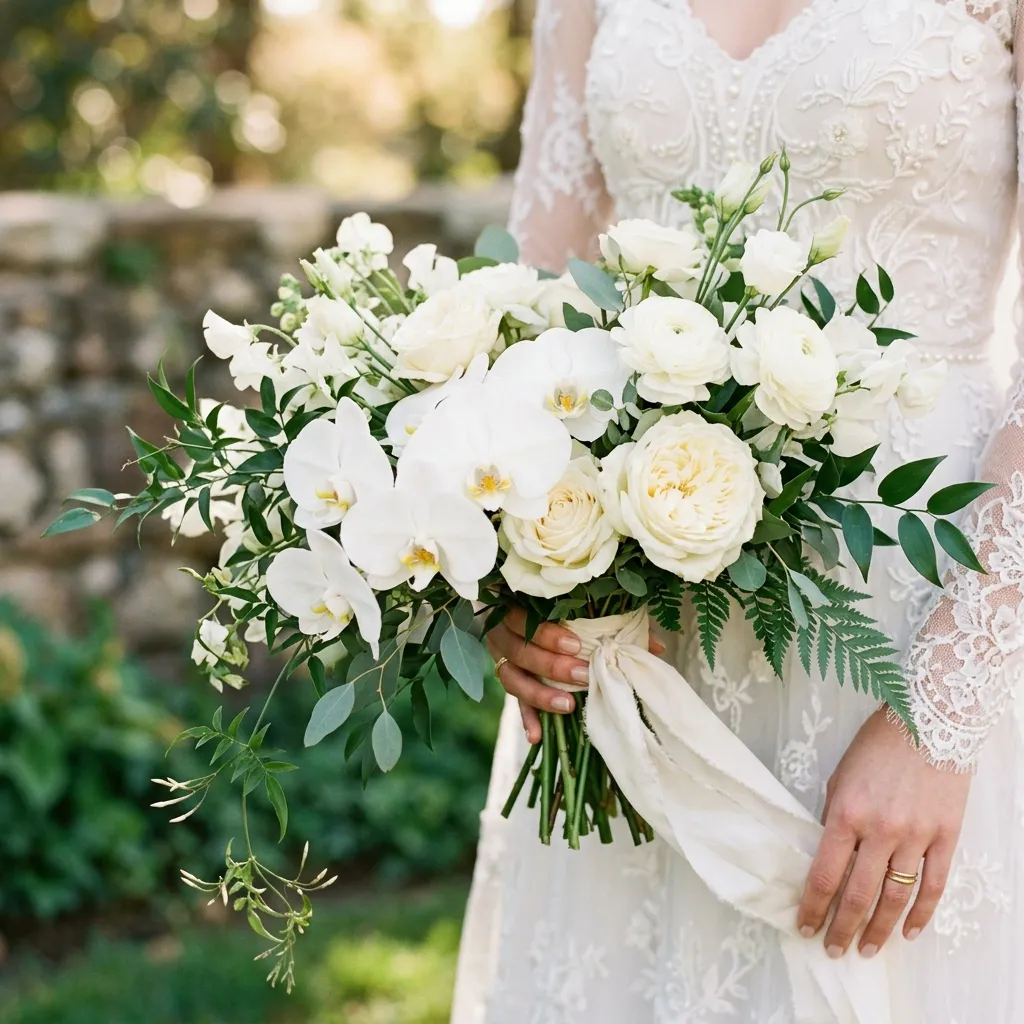
More importantly, ceremony florals help communicate mood. A lush cascade of white roses and orchids creates a refined, romantic atmosphere. Tropical greenery and bold blooms bring energy and destination-wedding flair. Meadow-inspired florals suggest softness and natural elegance. Minimalist arrangements with clean lines can feel modern and architectural. The altar is not only where vows are exchanged; it is where a design story becomes visible.
From an SEO and event-planning perspective, ceremony arches and altar florals are often among the highest-value floral investments because they impact both the guest experience and the visual legacy of the wedding day. They appear in ceremony photographs, family portraits, and editorial-style detail shots. A thoughtfully designed altar can elevate even a simple venue.
Popular Types of Wedding Ceremony Arches
There is no single style of arch that works for every wedding. The right choice depends on the venue, the couple’s aesthetic, the season, and the floral budget. Below are the most common and effective ceremony arch styles used in modern weddings.
Classic Round Arch
The round arch, sometimes called a circle arch or halo arch, symbolizes eternity and unity. Its smooth shape is ideal for romantic weddings and photographs beautifully from multiple angles. Florists often decorate one side heavily for an asymmetrical, contemporary look, or they may frame the entire circle with blooms for a fuller, more traditional appearance.
Rectangular or Door-Style Arch
Rectangular arches feel architectural and elegant. They are especially well suited to modern, minimalist, and formal wedding designs. Because of their clean lines, they work well with linear floral placements, hanging installations, and structured arrangements. They are also versatile for indoor and outdoor venues.
Wooden Arbor
Wooden arbors are popular for rustic, garden, and outdoor ceremonies. Their natural texture blends beautifully with vines, roses, hydrangeas, and loose greenery. Depending on the finish, a wooden arbor can feel charming, bohemian, coastal, or upscale countryside.
Geometric Arch
Hexagons, triangles, and custom polygon frames have become popular in contemporary wedding design. These structures work well for couples who want something unique and modern. Because geometric shapes already feel visually striking, florals are often used strategically to soften the edges and bring balance.
Asymmetrical Floral Structure
Asymmetrical arches are one of the most popular design trends in ceremony florals. Rather than covering the entire structure equally, the florals are concentrated on one side or corner, creating movement and visual interest. This style is ideal for editorial photography and can feel both luxurious and organic.
Pillars and Pedestals
Instead of a traditional arch, some ceremonies use matching floral pillars, urns, pedestals, or arrangement stands. This approach is particularly appropriate for classic, church, formal ballroom, and religious ceremonies where an arch may not suit the space. It can also be more flexible for venues that restrict attached structures.
Floral Pillars with Greenery or Fabric Draping
Another refined option is to pair floral pillars with draped fabric, candles, lanterns, or greenery garlands. This creates a layered, luxurious altar design without relying on a full structural arch. The result is elegant and often more cost-effective than a dense floral installation.
How to Choose the Right Ceremony Arch for Your Venue
The venue should be the starting point for nearly every altar floral decision. A design that is stunning in a garden may feel overwhelming in a chapel or too sparse in a grand ballroom. Matching the arch style to the space creates harmony and ensures the florals support the venue rather than compete with it.
Indoor Venues
Indoor spaces usually allow for more controlled design. In ballrooms, galleries, and event spaces, a taller or more dramatic arch can be especially effective because the floral installation may need to compete with ceilings, chandeliers, and architectural details. In churches or houses of worship, however, floral installations often need to respect existing sacred decor and may be limited to altar arrangements, pillars, or smaller decorative accents.
Outdoor Venues
Outdoor settings such as gardens, vineyards, beaches, farms, and private estates often invite more naturalistic floral designs. Because the backdrop already includes landscape elements, the arch should complement the environment rather than overpower it. Wind, sunlight, and uneven terrain also affect the design and installation process.
Destination and Nontraditional Venues
For destination weddings and unconventional ceremony locations, versatility becomes key. Lightweight structures, adaptable florals, and modular arrangements are useful when transport and installation logistics are complex. In these settings, a florist often designs with both beauty and practicality in mind.
The Role of Altar Florals in Ceremony Design
Altar florals are not limited to what sits directly behind the couple. They can extend into the full ceremony composition and work together with aisle design, seating layout, and backdrop elements. A strong altar design creates a visual endpoint for the aisle and a sense of symmetry or intentional imbalance, depending on the chosen style.
In many weddings, the altar florals also influence how the ceremony photographs. A floral installation that is too small may look underwhelming in wide shots. A design that is too dense may obscure the couple. The best altar florals achieve balance: enough presence to define the scene, but not so much that they distract from the vows.
Modern altar design often includes layers: structural elements, floral focal points, greenery, candles, aisle markers, and texture accents such as fabric, lanterns, or soft props. These layers help create dimension and visual richness.
Floral Design Styles for Ceremony Arches and Altars
Every wedding has a design language, and the altar florals should express it clearly. Here are the most common design directions couples choose.
Classic Romantic
This style typically features roses, peonies, hydrangeas, ranunculus, and soft greenery. The design feels lush, timeless, and elegant. White, blush, ivory, and pale pink are common color choices. This look works beautifully for formal weddings, garden settings, and traditional venues.
Garden-Inspired and Naturalistic
Garden-style altar florals mimic the beauty of a freshly gathered floral installation. They often include airy movement, varied textures, and a loose, organic shape. Delphinium, lisianthus, astilbe, sweet peas, tulips, and seasonal blooms are frequently used. This style is ideal for couples who want the ceremony to feel soft, romantic, and slightly undone in the best possible way.
Modern Minimalist
Minimalist altar florals rely on precision and restraint. The structure may be geometric, monochromatic, or sparse, with carefully placed blooms and clean lines. Orchids, calla lilies, anthuriums, roses, and sculptural greenery are common choices. This design style is especially effective in contemporary venues and editorial-style weddings.
Bohemian and Freeform
Boho altar florals tend to be loose, textural, and earthy. Pampas grass, dried elements, olive branches, wildflowers, and soft-toned blooms often appear in this style. The overall effect is relaxed and artistic, with an emphasis on movement and natural texture.
Luxurious and Opulent
For a lavish aesthetic, altar florals may include large focal blooms, cascading arrangements, premium flowers, candles, and abundant greenery. This style often uses roses, orchids, peonies, hydrangeas, and premium seasonal flowers in rich compositions. It is well suited to formal evening weddings and high-ceiling venues.
Rustic and Organic
Rustic altar florals often incorporate wood, branches, seasonal foliage, and local blooms. They may feel less polished than classic styles but are no less intentional. This look works beautifully in barns, vineyards, farms, and outdoor ceremony spaces.
Choosing the Best Flowers for Ceremony Arches
The ideal ceremony arch flowers depend on the season, color palette, design style, durability, and budget. Some flowers are better suited to heat, some hold up better in photos, and some are more structurally appropriate for large installations.
Popular Ceremony Arch Flowers
- Roses: Timeless, versatile, and available in many colors and forms.
- Peonies: Luxurious, romantic, and highly coveted for spring weddings.
- Hydrangeas: Excellent for volume and soft texture in fuller arrangements.
- Orchids: Elegant, sculptural, and ideal for modern or luxury designs.
- Ranunculus: Delicate and layered, excellent for romantic styling.
- Calla lilies: Clean and sophisticated, often used in modern arrangements.
- Lisianthus: Soft, airy, and budget-friendly in many cases.
- Dahlias: Rich in texture and color, especially for late summer and fall.
- Anthuriums: Bold and contemporary, great for tropical or modern palettes.
- Sweet peas: Soft and romantic, though delicate and seasonal.
Best Greenery for Ceremony Installations
Greenery is essential for shaping arches and adding depth. Popular choices include eucalyptus, Italian ruscus, olive branches, smilax, leather leaf fern, salal, jasmine vine, and boxwood. Greenery can create a lush base, soften hard structures, and lower the floral cost without sacrificing visual impact.
Seasonality Matters
Seasonal blooms are generally fresher, more beautiful, and more cost-effective. A spring wedding may benefit from tulips, peonies, lilac, and garden roses. Summer ceremonies often feature hydrangeas, dahlias, zinnias, roses, and tropical blooms. Fall weddings can incorporate chrysanthemums, dahlias, roses, amaranthus, and warm-toned foliage. Winter ceremonies may rely on roses, orchids, amaryllis, hellebores, evergreens, and candlelight to create richness.
How to Match Ceremony Florals to Your Wedding Color Palette
Your altar florals should connect seamlessly with the overall wedding palette. They do not need to match every other floral element exactly, but they should feel coordinated and intentional. The ceremony is the first major design moment of the day, so it often establishes the color mood that will continue into the bouquet, reception centerpieces, and printed details.
Monochromatic Palettes
A single-color scheme, such as all-white, all-ivory, or blush-on-blush, creates sophistication and cohesion. This approach is particularly effective when the focus is on texture and form rather than color contrast.
Soft Neutral Palettes
Champagne, cream, taupe, pale peach, and muted greens feel elegant and timeless. These tones work beautifully in nearly any setting and allow the venue architecture to shine.
Bold and Vibrant Palettes
For couples who want energy and personality, strong color can be stunning in ceremony florals. Fuchsia, coral, orange, red, plum, and cobalt tones can create memorable visual impact, especially when balanced with greenery or neutral accents.
Pastel and Romantic Palettes
Blush, lavender, soft blue, peach, and butter yellow are especially popular for romantic ceremonies. They work well in spring and summer and pair beautifully with airy floral shapes.
Altar Floral Placement Options
Not every ceremony requires a full arch. There are several ways to create a compelling altar design depending on space, budget, and desired visual effect.
Full Arch Installation
A complete arch wrap or floral coverage delivers maximum impact. This is ideal for couples who want a dramatic focal point and have the budget to support a larger floral quantity.
Partial or Asymmetrical Arch Design
This style places florals strategically in one section of the structure, often one side or one upper corner. It creates an editorial look and is often more budget-conscious than a full design.
Ground Arrangements Only
Some ceremonies use only ground florals at the base of the altar. These can be placed in clusters, pairs, or layered groupings to create a lush effect without using an arch structure.
Floral Pillars or Urns
Matching arrangements on pedestals or pillars give the altar symmetry and formality. They are especially appropriate in traditional indoor venues.
Mixed Installation
A mixed setup may combine a partial arch with ground florals, aisle markers, candles, and draping. This can create a highly customized and immersive ceremony design.
How Much Do Ceremony Arches and Altar Florals Cost?
Budget is one of the most important factors in ceremony floral planning. Costs vary widely depending on flower choices, installation size, labor, structure type, season, and location. A simple greenery arch will typically cost much less than a fully layered, premium-flower installation.
Key cost drivers include:
- The size and type of structure
- Whether the design is full, partial, or asymmetrical
- Flower selection and market pricing
- Labor for design, transport, setup, and breakdown
- Venue access, installation difficulty, and timeline
- Use of rentals such as arches, stands, vases, or draping
To maximize value, many couples choose to reuse ceremony florals in the reception. Ground arrangements can be moved to the sweetheart table or head table, aisle markers can become bar decor, and altar florals can be repurposed as entrance arrangements or photo backdrop pieces. A florist who plans with repurposing in mind can help stretch the budget while maintaining visual impact.
Practical Considerations: Wind, Heat, Weather, and Structure
Beautiful ceremony florals must also be practical. A beach wedding, for example, presents completely different challenges than a climate-controlled indoor ceremony. Florists and planners need to consider environmental conditions when designing altar installations.
Wind
Strong wind can affect lightweight flowers, fabric, and loose greenery. Structures must be secured properly, and delicate blooms may need reinforcement. On coastal or elevated outdoor venues, stability is essential.
Heat and Sun
Direct sun can quickly wilt some blooms and fade others. Heat-tolerant flowers and proper hydration methods are critical for outdoor ceremonies. Installation timing matters, and certain flowers may need to be transported and placed as close to the ceremony as possible.
Rain and Humidity
Humidity can affect bloom integrity and floral mechanics. In rainy conditions, a well-planned backup structure or indoor option should be in place. Florists often choose hardier flowers for uncertain weather scenarios.
Venue Rules and Safety
Many venues have restrictions on what can be hung, attached, or staked into the ground. It is important to confirm these rules early. Weight-bearing concerns, flame regulations, and pathway safety all matter, especially for large installations and candle-heavy designs.
Planning Timeline for Ceremony Arch Florals
The earlier the floral design is planned, the better the results. Ceremony arches often require structure reservations, custom fabrication, or advanced sourcing of premium blooms. A planning timeline typically includes these stages:
6 to 12 Months Before the Wedding
Begin discussing vision, venue requirements, color palette, and budget. Secure the florist and any specialty rentals.
3 to 6 Months Before the Wedding
Finalize the floral style, structure type, and any installation logistics. Confirm seasonal flower availability and discuss substitutions if necessary.
1 to 2 Months Before the Wedding
Review the final design details, ceremony layout, and backup plan for weather. Confirm delivery times and installation access.
Final Week
Reconfirm all logistics, including venue loading instructions, contact persons, and breakdown responsibilities. Ensure that all floral materials and structural components are ready.
How Ceremony Arches and Altar Florals Affect Wedding Photography
The ceremony arch is one of the most important backdrops in the entire wedding album. It appears in wide ceremony shots, intimate vow images, guest reactions, and post-ceremony portraits. A strong floral design helps create visual depth and a polished editorial feel.
Photographers often appreciate ceremony florals that include dimension, contrast, and intentional framing. Florals that are too flat or too low may disappear in wide-angle images. Likewise, arrangements that block the couple’s faces or dominate the frame can hinder the composition. The best altar floral designs support the photography without overpowering the moment.
When planning, consider how the arch will look from the aisle, from the side, from behind, and in post-ceremony portrait sessions. A design that works from multiple perspectives is always preferable.
Common Mistakes to Avoid
Even beautiful flowers can fall short if the design is not well planned. Common mistakes include:
- Choosing an arch style that clashes with the venue architecture
- Underestimating wind, heat, or weather conditions
- Using too few flowers, resulting in an incomplete or sparse look
- Overloading the structure, making it visually cluttered
- Failing to coordinate altar florals with bouquets and reception decor
- Ignoring installation logistics and venue restrictions
- Not considering how the design will appear in photos
- Overspending on blooms that are not structurally practical
A professional florist helps avoid these issues by balancing aesthetics with technical expertise. Great ceremony design is both beautiful and functional.
How to Work with Your Florist for the Best Results
To achieve an exceptional ceremony floral design, communication is key. Share inspiration images, but also explain what you like about them. Is it the shape, the color, the fullness, the texture, or the placement? This helps your florist create a design that reflects your vision without copying another wedding too literally.
Be prepared to discuss budget honestly. Ceremony floral design is highly customizable, and a florist can often suggest ways to create impact strategically. For example, a focal floral cluster may be more cost-effective than full coverage, or a lush mix of greenery and premium blooms may create the same effect as an all-flower structure at a lower cost.
Also discuss your venue timeline, ceremony length, and whether the florals should be repurposed afterward. Reuse planning can significantly affect design choices and budget allocation.
Trending Ideas for Ceremony Arches and Altar Florals
While timeless romance remains popular, several trends continue shaping modern altar florals.
Asymmetry and Organic Movement
Couples increasingly prefer designs that feel less rigid and more naturally flowing. Asymmetrical installations add artistry and movement.
Textural Layering
Combining petals, greenery, branches, berries, grasses, and different bloom sizes creates depth and dimension.
Monochromatic Luxury
Single-tone floral palettes in all white, all blush, or all green create a polished, editorial effect.
Statement Orchids and Sculptural Blooms
Orchids, calla lilies, and anthuriums are increasingly used for contemporary ceremonies because of their refined lines and visual sophistication.
Grounded Floral Installations
Low, garden-like arrangements at the base of the altar can feel lush and immersive, especially when paired with candles or aisle florals.
Repurposable Ceremony Design
Sustainability and budget efficiency are making reusable florals more popular than ever. Smart couples want altar designs that can transition into the reception space.
Sustainability in Ceremony Florals
Many couples today want wedding flowers that are both beautiful and mindful. Sustainable altar florals may include locally grown blooms, seasonal selections, reusable structures, foam-free mechanics, and compostable or recyclable materials. Repurposing the ceremony florals for the reception is another practical sustainability strategy.
A florist can also help reduce waste by using foliage strategically, selecting local flower farms, and designing with materials that can be donated, composted, or reused after the event. Sustainability does not require sacrificing luxury; in fact, it often results in more thoughtful, authentic design.
Final Thoughts on Ceremony Arches and Altar Florals
The ceremony arch and altar florals are more than decorative details. They are the visual heart of the wedding ceremony and one of the most enduring design statements of the entire day. When chosen carefully, they frame the vows, support the photography, complement the venue, and create a sense of place that guests will remember long after the ceremony ends.
The most successful altar floral designs are those that reflect the couple’s style while respecting the practical realities of the venue, weather, and budget. Whether you envision a lush romantic arbor, a modern geometric installation, a garden-inspired floral cloud, or a classic pair of altar arrangements, the key is intentionality. Every flower, stem, and structural choice should serve the larger atmosphere you want to create.
If you approach ceremony arch and altar florals with the same care you give to your dress, vows, and music, the result will be a ceremony setting that feels complete, personal, and unforgettable. For couples seeking elegant, professionally designed wedding flowers, thoughtful altar florals are one of the most powerful investments you can make.
Frequently Asked Questions
Direct answers regarding flower delivery, custom ordering, and arrangements in the San Fernando Valley.
How do I choose between a floral arch, altar arrangement, or asymmetrical installation? ▾
Choose based on your venue architecture, guest sightlines, and ceremony style. Arches feel immersive and romantic, altar arrangements are cleaner and often more budget-friendly, and asymmetrical installations create a modern, editorial look without blocking the couple.
What flowers work best for outdoor weddings? ▾
Hardier blooms like roses, orchids, carnations, chrysanthemums, spray roses, lisianthus, and certain hydrangea varieties tend to perform well, especially when paired with sturdy greenery. We also recommend considering heat, wind, and direct sun before finalizing the design.
How far in advance should ceremony florals be planned? ▾
Start discussing ceremony florals at least three to six months ahead, and earlier for peak wedding season. Final flower selections are usually confirmed closer to the date so we can match seasonal availability, venue conditions, and your overall wedding design.
Request a Custom Order or Quote
Planning an event or looking for fresh bouquets? Tell us your vision and our Mission Hills floral designers will contact you with options & pricing.