The Complete Guide to Selecting the Perfect Flowers for Every Meaningful Occasion
Flowers El Ranchito Expert Advice
The Complete Guide to Selecting the Perfect Flowers for Every Meaningful Occasion
Flowers have long been one of the most expressive gifts in human culture. They speak across languages, bridge distances, and transform ordinary moments into lasting memories. Whether you are celebrating a joyful milestone, offering comfort during a difficult time, expressing love, or simply brightening someone’s day, the right bouquet can communicate emotion with elegance and sincerity. Yet choosing the perfect flowers is not always as simple as selecting the prettiest arrangement. The best floral gift depends on the occasion, the relationship, the message you want to convey, and even the season.
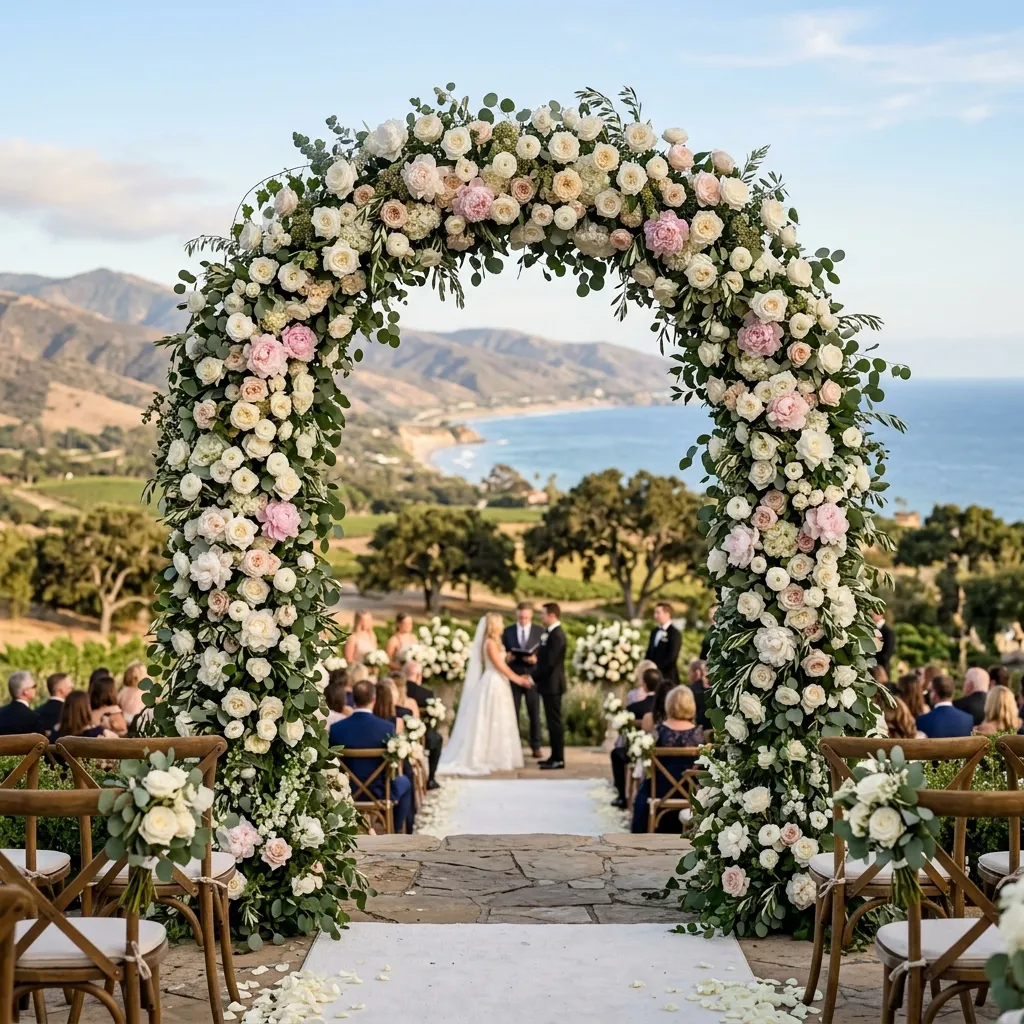
This comprehensive guide will help you navigate flower selection for every meaningful occasion. You will learn how to choose blooms based on symbolism, color, style, budget, seasonality, and arrangement type. You will also discover practical tips for ordering flowers with confidence, ensuring that your gift feels personal, thoughtful, and appropriate to the moment. Whether you are a first-time buyer or someone who sends flowers often, this guide will give you a clear framework for making the perfect choice every time.
Why Flower Selection Matters So Much
Flowers may appear simple, but they carry a powerful emotional vocabulary. A bouquet chosen with care can deepen a relationship, honor a milestone, or provide comfort in a way that words alone sometimes cannot. The colors, varieties, and arrangement style all contribute to the meaning behind the gesture. Selecting flowers thoughtfully shows attentiveness, consideration, and emotional intelligence.
For example, a romantic partner may appreciate a lush arrangement of red roses, while a friend recovering from illness may respond better to bright, cheerful seasonal blooms in uplifting colors. At a memorial service, subtle white flowers may be more fitting than bold, festive ones. In each case, the flower choice helps shape how the message is received.
When you understand the language of flowers, you can tailor your gift to the occasion with greater confidence. Instead of choosing randomly, you can select blooms that reflect your intent and make your gesture more meaningful.
The Core Principles of Choosing Flowers
1. Match the Flowers to the Occasion
The occasion should be your first guide. Some flowers are naturally associated with romance, others with sympathy, gratitude, celebration, or encouragement. A bouquet for an anniversary will likely differ greatly from one intended for a funeral or a corporate event.
2. Consider the Recipient’s Personality
The most memorable floral gifts feel personal. Think about whether the recipient enjoys classic elegance, modern design, soft romantic colors, bold tropicals, or garden-style arrangements. A floral gift should feel like it was selected specifically for them.
3. Think About Flower Meaning and Symbolism
Many flowers carry traditional meanings. Roses often symbolize love, lilies can represent purity or remembrance, sunflowers convey warmth and positivity, and orchids suggest sophistication and admiration. While symbolism can vary by culture, it remains a useful guide.
4. Use Color to Reinforce the Message
Color has emotional weight. Red suggests passion or deep love, white reflects purity or reverence, pink conveys affection and gratitude, yellow feels cheerful and energetic, and purple often represents dignity or admiration. The right color palette can dramatically influence the emotional tone of the bouquet.
5. Account for Seasonality
Seasonal flowers are often fresher, more affordable, and better suited to the time of year. Spring blooms feel fresh and light, summer flowers can be vibrant and abundant, autumn arrangements often feature rich textures and warm hues, and winter bouquets may lean toward elegant whites, reds, and greens.
6. Choose the Right Arrangement Style
Should you select a hand-tied bouquet, a vase arrangement, a boxed presentation, a basket, or a custom floral design? The answer depends on the occasion, convenience, and aesthetic preference.
How to Select Flowers for Romantic Occasions
Romantic occasions call for flowers that express affection, desire, devotion, or appreciation. The best choice depends on the stage and tone of the relationship. Romance can be bold and dramatic, soft and tender, or elegant and understated.
Valentine’s Day
Valentine’s Day is one of the most classic occasions for giving flowers. Red roses remain the quintessential choice because they symbolize passionate love. A dozen red roses is timeless, while two dozen can make a grand statement. However, if you want a more personalized arrangement, consider combining red roses with pink roses, ranunculus, or tulips for dimension and softness.
If your relationship is newer, a bouquet of pink roses or mixed seasonal blooms may feel more appropriate than an intensely romantic red rose arrangement. Lavender roses can be a lovely choice as well, especially if you want to convey enchantment or admiration.
Anniversaries
Anniversaries celebrate commitment and shared history, so the flowers should feel meaningful. Roses are still a strong choice, but you may also consider orchids, peonies, calla lilies, or premium mixed arrangements that feel luxurious and sophisticated. The flower selection can reflect the number of years celebrated or incorporate the recipient’s favorite blooms.
For milestone anniversaries, such as a 10th, 25th, or 50th anniversary, consider elegant arrangements with white, blush, champagne, or deep red tones. A mixed bouquet with roses and hydrangeas can create a lush, celebratory effect.
Just Because Romance
Sometimes the most memorable romantic gesture is the one given without a holiday or special event. “Just because” flowers should feel spontaneous and heartfelt. Choose blooms that are beautiful but not overly formal. Tulips, spray roses, lisianthus, peonies, alstroemeria, and mixed garden-style bouquets are excellent options.
These arrangements should convey thoughtfulness rather than obligation. A simple, fresh bouquet in the recipient’s favorite colors can be more touching than a grand but impersonal display.
Flowers for Weddings and Engagements
Weddings and engagements are among the most significant occasions in life, and flowers play a major role in both celebration and symbolism. The arrangement should align with the couple’s style, venue, and desired atmosphere.
Engagement Celebrations
For an engagement, flowers should feel joyful, romantic, and elegant. Soft pink roses, white peonies, lisianthus, hydrangeas, and ranunculus are popular choices. If the couple enjoys modern design, a sleek arrangement with orchids or calla lilies can feel refined and contemporary.
When sending engagement flowers, avoid overly somber or strongly formal compositions. The mood should be celebratory and hopeful.
Wedding Bouquets and Gifts
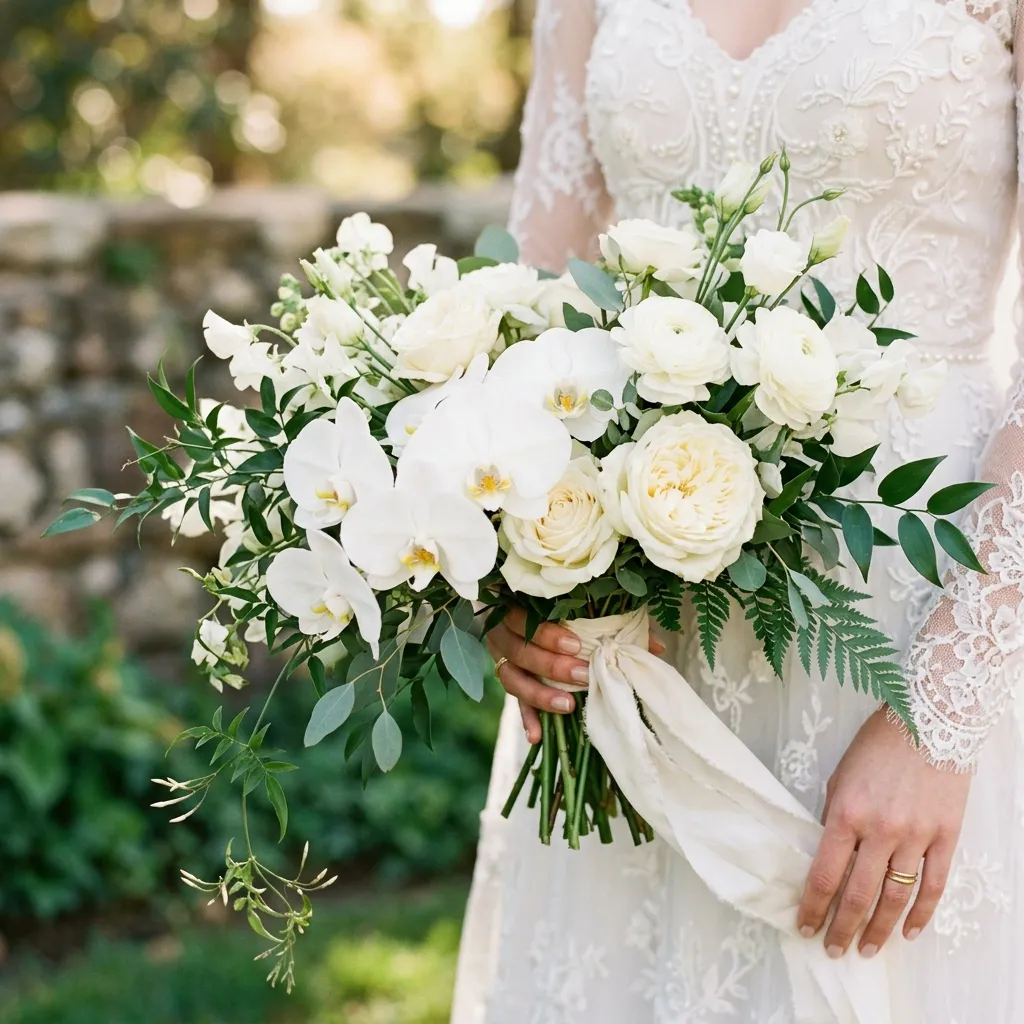
Wedding flowers require special care because they are often part of the event’s visual identity. If you are gifting flowers to a bride or couple, choose blooms that complement wedding décor rather than compete with it. White, cream, blush, ivory, and soft pastel bouquets are generally safe and elegant.
Popular wedding flowers include:
- Roses for love and beauty
- Peonies for romance and abundance
- Orchids for luxury and sophistication
- Lilies for elegance and purity
- Hydrangeas for fullness and grace
- Ranunculus for charm and layered texture
If the flowers are part of a wedding gift, consider the couple’s style and the tone of their ceremony. Rustic weddings often pair well with garden-inspired or seasonal blooms, while formal black-tie weddings may suit structured and refined arrangements.
Flowers for Birthdays
Birthday flowers should be joyful, personal, and vibrant. Unlike romantic or solemn occasions, birthdays are ideal for playful color, expressive style, and cheerful blooms. The best birthday bouquet reflects the recipient’s personality and makes the day feel festive.
For Someone Who Loves Bold Color
Consider sunflowers, gerbera daisies, tulips, roses, and mixed seasonal blooms in vivid colors. Bright yellow, orange, hot pink, coral, and purple can create a lively and energizing effect.
For Someone Who Prefers Elegant Style
Orchids, lilies, white roses, hydrangeas, and soft pastel arrangements work beautifully for a more sophisticated recipient. These flowers feel refined without sacrificing warmth.
For a Younger Recipient
Playful, colorful arrangements with daisies, carnations, spray roses, and cheerful mixed blooms are often a good fit. If the recipient has a favorite color, that can be incorporated to make the bouquet feel especially thoughtful.
For milestone birthdays, consider a more abundant arrangement or a premium vase presentation. A 30th, 40th, 50th, or 60th birthday may call for something elegant and substantial, while a casual birthday can be celebrated with a lively, medium-sized bouquet.
Flowers for Mother’s Day and Father’s Day
Family appreciation holidays call for flowers that express gratitude, admiration, and love. These occasions are ideal for blooms that feel warm, uplifting, and personal.
Mother’s Day Flowers
Mother’s Day is one of the most flower-centric holidays of the year. Classic options include roses, carnations, lilies, tulips, peonies, hydrangeas, and mixed spring arrangements. Pink and pastel color palettes are especially popular because they convey tenderness, appreciation, and grace.
Carnations have a long association with Mother’s Day and remain meaningful, especially in soft pink or white. Roses and peonies can add a more luxurious feel. If your mother enjoys vibrant flowers, consider mixed arrangements with cheerful yellow, coral, and lavender blooms.
Father’s Day Flowers
Although flowers are less traditional for Father’s Day, they can still make a meaningful gift when chosen well. Look for masculine, structured, or bold arrangements featuring tropical flowers, sunflowers, orchids, birds of paradise, lilies, or rich greenery.
A clean, contemporary design in a vase can feel stylish and appropriate. Pairing flowers with a card, plant, or other personal item can also make the gesture feel complete.
Flowers for Sympathy and Funerals
Sympathy flowers serve a deeply important role. They express compassion, honor the deceased, and offer support to grieving families. The best sympathy flowers are respectful, elegant, and understated. They should communicate care without overwhelming the moment.
Appropriate Sympathy Flowers
Traditional sympathy flowers include lilies, roses, chrysanthemums, carnations, orchids, gladiolus, hydrangeas, and simple greenery. White is the most common color because it symbolizes peace, reverence, and remembrance. Soft pink, cream, lavender, and pale blue may also be appropriate depending on the relationship and the family’s preferences.
Funeral Flowers
Funeral flower arrangements often appear as sprays, wreaths, standing easels, casket sprays, or altar pieces. These designs are usually more formal than everyday sympathy bouquets. If you are sending flowers to a funeral home or service, confirm the family’s wishes and any cultural or religious customs that may influence flower selection.
For example, some cultures favor white flowers for mourning, while others may view certain colors or blooms differently. Sensitivity matters greatly in this context.
Flowers for the Home After a Loss
If you are sending flowers to a grieving family’s home, choose a vase arrangement that is easy to place and maintain. Soft, calming blooms such as lilies, roses, hydrangeas, and stock can offer beauty and comfort during a difficult time. Keep the arrangement tasteful and not overly fragrant, especially if the family is receiving many visitors.
Flowers for Congratulations and Achievements
Flowers are a wonderful way to celebrate accomplishments, transitions, and new beginnings. These arrangements should feel uplifting, optimistic, and celebratory.
Graduations
Graduation flowers should convey pride and excitement. Bright mixed bouquets with sunflowers, roses, gerbera daisies, tulips, and lilies are excellent choices. Gold, white, and school colors can be incorporated for personalization. The arrangement should feel energetic and celebratory.
Promotions and Career Milestones
For professional achievements, choose polished arrangements that feel confident and sophisticated. Orchids, calla lilies, roses, and modern mixed designs are all appropriate. Avoid overly whimsical or casual styles unless you know the recipient would enjoy them.
New Home or Housewarming
Housewarming flowers should be fresh, welcoming, and easy to enjoy in a new space. Long-lasting blooms such as orchids, hydrangeas, alstroemeria, carnations, and sunflowers are ideal. A vase arrangement or plant-friendly bouquet is often most practical.
New Baby Celebrations
Flowers for a new baby should feel tender, joyful, and light. Soft pastel blooms, baby’s breath, roses, tulips, hydrangeas, and daisies are common choices. In some cases, floral arrangements may be paired with a gift basket or baby gift. Be mindful of the hospital environment and choose arrangements that are compact, safe, and not heavily scented.
Flowers for Get Well and Encouragement
When someone is ill or recovering, flowers can provide emotional support and a sense of warmth. The goal is to lift spirits without being too intense or demanding.
Best Flowers for Recovery
Bright, cheerful flowers such as daisies, sunflowers, tulips, gerbera daisies, and mixed seasonal blooms can bring positivity into a room. Soft roses, lisianthus, and carnations are also excellent because they are appealing without being overpowering.
Avoid strong fragrances in hospital or recovery settings unless you know the recipient enjoys them and the environment permits them. Compact arrangements are often better than large, elaborate designs in these situations.
Choosing Comforting Colors
Yellow, soft pink, peach, and light lavender are often excellent choices because they feel optimistic and calming. A bouquet that combines warmth with softness can offer emotional uplift without feeling too exuberant.
Flowers for Thanksgiving, Christmas, and Seasonal Holidays
Seasonal holidays invite floral choices that echo the colors, textures, and emotions of the season. These arrangements can be festive, warm, and décor-friendly.
Thanksgiving Flowers
Thanksgiving arrangements often feature rich autumn colors like orange, burgundy, gold, bronze, and deep red. Sunflowers, roses, chrysanthemums, carnations, lilies, hypericum berries, and seasonal foliage all work beautifully. These arrangements should feel abundant, cozy, and harvest-inspired.
Christmas Flowers
Christmas flowers often blend red, white, green, and sometimes silver accents. Classic options include red roses, amaryllis, poinsettias, carnations, lilies, and evergreens. Holiday arrangements can be elegant and traditional or modern and minimal, depending on the recipient’s style.
When sending flowers for Christmas, consider whether the recipient prefers a festive centerpiece, a vase arrangement, or something that complements holiday décor. Many people appreciate designs that can sit beautifully alongside candles, wreaths, and seasonal ornaments.
Other Seasonal Celebrations
Spring holidays call for fresh and airy blooms such as tulips, daffodils, hyacinths, and peonies. Summer celebrations may suit vibrant tropical flowers, roses, and bright mixed bouquets. The season itself can inspire both palette and flower selection.
How to Choose Flowers Based on Color Meaning
Color is one of the most powerful tools in floral design. Even when the flower type remains the same, the color can change the emotional effect dramatically.
Red Flowers
Red flowers symbolize deep love, passion, courage, and intensity. They are ideal for romantic occasions, especially anniversaries and Valentine’s Day. Red roses are the most famous example, but red tulips, red carnations, and red gerbera daisies can also be impactful.
Pink Flowers
Pink flowers convey affection, gratitude, sweetness, admiration, and tenderness. They are versatile and work beautifully for birthdays, Mother’s Day, anniversaries, and “just because” gifts.
White Flowers
White flowers represent purity, reverence, peace, and elegance. They are common in weddings, sympathy arrangements, and sophisticated designs. White roses, lilies, orchids, and hydrangeas are all timeless.
Yellow Flowers
Yellow suggests happiness, friendship, optimism, and warmth. It is a wonderful color for birthdays, get well gifts, congratulations, and cheerful surprises. Sunflowers, yellow roses, and daffodils are especially effective.
Purple Flowers
Purple conveys dignity, creativity, admiration, and luxury. It is an excellent choice for elegant gifts, professional milestones, and anyone who appreciates a regal aesthetic.
Orange Flowers
Orange flowers feel energetic, enthusiastic, and warm. They are great for autumn arrangements, cheerful celebrations, and gifts intended to boost mood and excitement.
Blue Flowers
Blue flowers often represent calm, trust, serenity, and reflection. Though less common in nature, blue-toned arrangements can feel modern and memorable.
How to Choose Flowers by Relationship
The relationship between sender and recipient should guide your floral choice. A bouquet for a spouse will differ from one for a colleague or neighbor.
For a Romantic Partner
Choose flowers that reflect intimacy and emotional connection. Roses, orchids, peonies, tulips, and luxurious mixed arrangements are all suitable depending on the occasion.
For a Parent or Family Member
Warm, affectionate flowers such as carnations, lilies, hydrangeas, tulips, and roses often work well. Personal preference matters greatly here, especially if you know their favorite colors or blooms.
For a Friend
Friendship flowers should feel bright, supportive, and sincere. Sunflowers, daisies, gerbera daisies, tulips, and mixed seasonal bouquets are excellent choices.
For a Colleague or Business Contact
Professional floral gifts should be polished and tasteful. Orchids, lilies, hydrangeas, and minimalist arrangements are often best. Avoid overly romantic flowers unless the relationship clearly calls for them.
How to Select Seasonal Flowers for Better Quality and Value
Seasonal flowers tend to be fresher, more abundant, and more cost-effective than out-of-season blooms. Choosing in-season flowers often ensures better longevity and more vibrant appearance.
Spring Flowers
Spring is ideal for tulips, peonies, daffodils, hyacinths, ranunculus, lilacs, and garden roses. These flowers feel fresh, airy, and renewed.
Summer Flowers
Summer bouquets can include roses, sunflowers, zinnias, lilies, hydrangeas, dahlias, and tropical flowers. Summer arrangements often feel lush and colorful.
Fall Flowers
Autumn is perfect for chrysanthemums, marigolds, sunflowers, dahlias, berries, roses, and textured foliage in warm tones.
Winter Flowers
Winter arrangements often feature amaryllis, carnations, roses, lilies, orchids, evergreens, and berries. A winter bouquet can feel crisp, elegant, and festive.
Understanding Arrangement Types
The presentation of flowers matters as much as the flowers themselves. The arrangement type should suit the occasion and the recipient’s convenience.
Hand-Tied Bouquets
These are natural, elegant, and versatile. They work well for birthdays, romance, thank-you gifts, and casual celebrations.
Vase Arrangements
Vase arrangements are practical and polished because they are ready to display. They are especially suitable for offices, hospitals, homes, and formal gifts.
Boxed or Wrapped Bouquets
These can feel modern, chic, and gift-like. They are ideal when you want a stylish presentation.
Baskets
Basket arrangements often feel warm, abundant, and traditional. They work beautifully for sympathy, housewarming, and family-oriented occasions.
Standing Sprays and Formal Tributes
These are reserved for funerals, memorial services, and other formal expressions of respect.
How to Personalize a Floral Gift
Personalization is what elevates a bouquet from pleasant to unforgettable. Even a classic arrangement can feel uniquely meaningful when it reflects the recipient’s personality or story.
- Include the recipient’s favorite flower
- Use their favorite color palette
- Choose a vase or container that matches their style
- Pair the bouquet with a thoughtful note
- Reference a shared memory or milestone
- Consider scent preferences if the recipient is sensitive to fragrance
If the recipient loves simple elegance, do not overcomplicate the arrangement. If they adore lush, abundant florals, lean into fullness and texture. Personalization should feel authentic, not forced.
Common Mistakes to Avoid When Selecting Flowers
Even with the best intentions, some floral gifts miss the mark because they ignore context or practical considerations.
Choosing Flowers Based Only on Appearance
Beautiful flowers are important, but meaning and appropriateness matter too. A gorgeous bouquet can still feel unsuitable if it does not match the occasion.
Ignoring Cultural or Religious Traditions
Flower symbolism can vary widely. Before sending flowers for weddings, funerals, or religious events, take care to understand any customs that may apply.
Overlooking Scent Sensitivity
Some flowers are heavily fragrant, which may not be appropriate in hospitals, offices, or for recipients with sensitivities. Consider the environment carefully.
Choosing an Inconvenient Arrangement
Very large, unwieldy, or high-maintenance bouquets can be difficult to enjoy. A beautiful arrangement should also be practical for the recipient.
Forgetting the Message
Always align the flower selection with the emotional message you intend to send. Sympathy flowers, for example, should not feel too celebratory, while birthday flowers should not appear too subdued.
How to Care for Flowers After Delivery
Once flowers are delivered, proper care helps ensure they last as long as possible. A well-chosen bouquet is even more appreciated when it remains fresh for days.
- Trim stems at an angle before placing them in water
- Use a clean vase and fresh water
- Remove any leaves below the waterline
- Change the water regularly
- Keep flowers away from direct sun, heat, and ripening fruit
- Follow any flower food instructions included with the arrangement
Encouraging proper care in a note can be helpful, especially for recipients who may not receive flowers often.
Final Thoughts: Choosing Flowers with Confidence and Heart
Selecting the perfect flowers for every meaningful occasion is both an art and a practical skill. When you combine occasion-appropriate blooms, thoughtful color choices, personal touches, and an understanding of symbolism, you create a floral gift that feels deeply intentional. The best flowers do more than decorate a space. They communicate love, gratitude, sympathy, celebration, and hope in a way that feels immediate and memorable.
Whether you are sending a romantic bouquet, celebrating a birthday, honoring a loved one, or offering comfort during a difficult time, your flower choice can carry real emotional weight. By paying attention to meaning, season, style, and the recipient’s personality, you ensure that your gesture resonates beautifully.
With this guide as your reference, you can approach any occasion with confidence, knowing how to select flowers that are not only beautiful, but truly appropriate and heartfelt. In the end, the perfect bouquet is the one that matches the moment and speaks from the heart.
Frequently Asked Questions
Direct answers regarding flower delivery, custom ordering, and arrangements in the San Fernando Valley.
How do I choose flowers when I don’t know the recipient’s favorite bloom? ▾
Start with the occasion, then choose flowers with the right emotional tone. For romance, roses or ranunculus work beautifully; for gratitude, lilies or tulips feel warm; for sympathy, white orchids, lilies, or chrysanthemums offer elegance and comfort. If you’re unsure, seasonal mixed arrangements are often the safest and most thoughtful choice because they feel fresh, balanced, and professionally curated.
Are there flowers that are inappropriate for certain occasions? ▾
Yes. Bright, playful blooms may feel out of place for a sympathy arrangement, while very somber or muted tones may not suit a birthday or celebration. Also consider cultural and personal preferences—some flowers carry different meanings depending on the recipient’s background. When in doubt, choose classic, neutral, and seasonally appropriate flowers with a polished presentation.
How far in advance should I order flowers for a special occasion? ▾
For major occasions like weddings, anniversaries, holidays, and sympathy services, ordering at least several days in advance is best, and earlier is even better during peak seasons. For same-day gifts, call your florist directly so they can suggest the freshest available blooms and ensure the arrangement is designed and delivered with care.
Request a Custom Order or Quote
Planning an event or looking for fresh bouquets? Tell us your vision and our Mission Hills floral designers will contact you with options & pricing.