The Complete Guide to Seasonal California Blooms for High-End Floral Design
Flowers El Ranchito Expert Advice
The Complete Guide to Seasonal California Blooms for High-End Floral Design
California is one of the most dynamic floral regions in the world. Its varied microclimates, long growing season, and extraordinary diversity of specialty farms make it a dream source for luxury floral design. From the cool coastal stretches of Monterey and Santa Barbara to the fertile valleys of Northern and Central California, the state offers an exceptional palette of blooms that support refined, garden-style, and editorial-level arrangements throughout the year. For high-end florists, event designers, and clients who value exceptional quality, understanding seasonal California blooms is not simply helpful—it is essential.
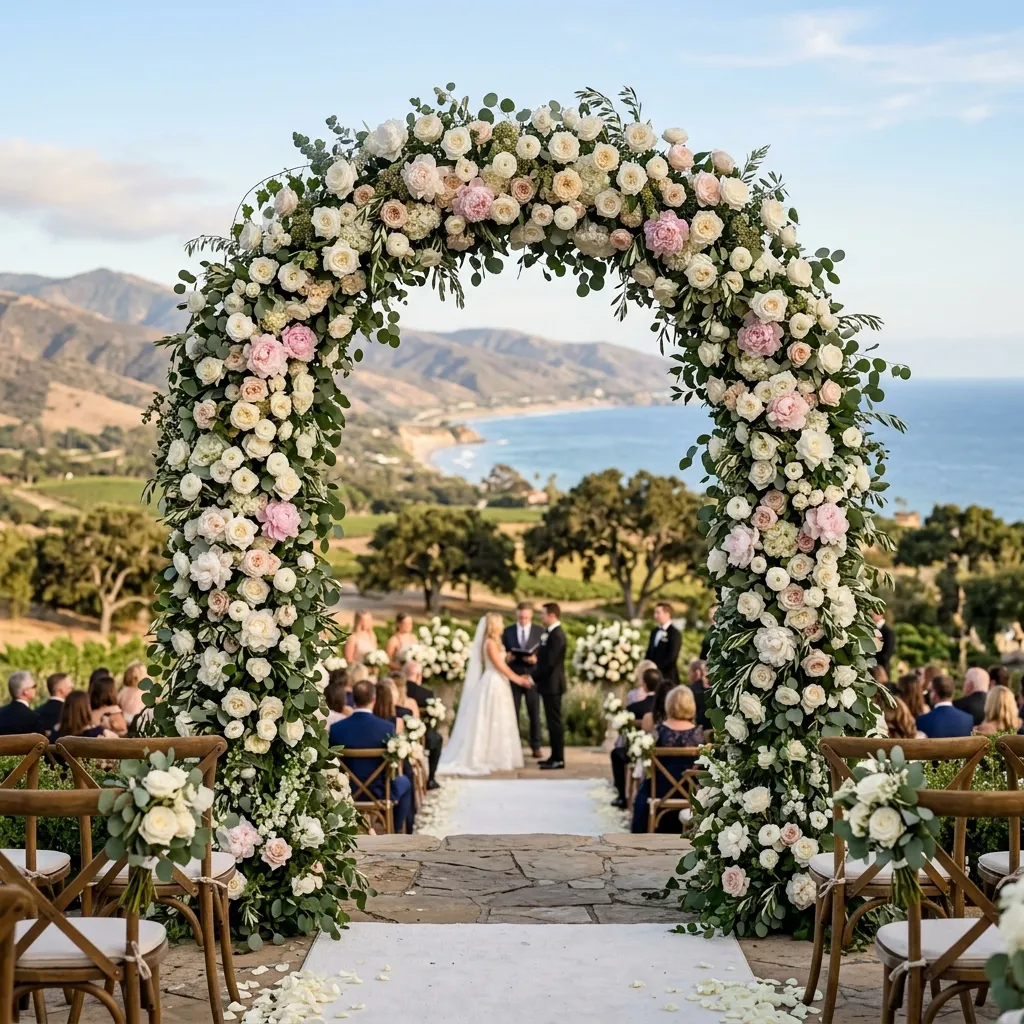
Luxury floral design depends on more than beauty alone. It relies on timing, texture, fragrance, stem strength, color harmony, and a nuanced understanding of how flowers perform in specific conditions. Seasonal California blooms are prized because they often arrive fresher, last longer, and display superior character compared with imported flowers that travel long distances. They also allow designers to create arrangements that feel alive, local, and deeply connected to the moment.
This comprehensive guide explores the best seasonal California blooms for high-end floral design, how to use them throughout the year, what makes them especially valuable in premium work, and how to build a luxury floral program around local availability. Whether you design weddings, private events, hospitality installations, or bespoke arrangements for discerning clients, this guide will help you make informed, elegant, and seasonally intelligent floral choices.
Why Seasonal California Blooms Matter in Luxury Floral Design
Seasonality is one of the defining principles of high-end floral design. In premium work, flowers should not only look exquisite; they should also reflect the time of year, evoke a sense of place, and perform beautifully in the environment where they are displayed. California-grown blooms are especially valuable because they tend to be fresher, more expressive, and more sustainably sourced than many imported alternatives.
Superior freshness and vase life
Flowers grown within California often reach the designer faster, reducing transit time and stress on the blooms. This translates into cleaner petals, stronger stems, improved hydration, and better vase life. In luxury arrangements where every detail matters, freshness is a critical asset.
More distinctive varieties and textures
California specialty farms cultivate premium varieties that are not always available through conventional wholesale channels. Designers can access rare peonies, ranunculus, garden roses, sweet peas, tulips, dahlias, anemones, flowering branches, and more. The result is floral work with greater depth, movement, and personality.
Better alignment with the natural calendar
Using seasonal blooms creates arrangements that feel authentic and refined. A winter installation built around hellebores, ranunculus, and flowering branches carries a very different mood from a summer design filled with dahlias, zinnias, and garden roses. Seasonal work creates emotional resonance, which is central to luxury storytelling.
Supporting sustainable and local sourcing
For many high-end clients, sustainability is no longer optional. California blooms support lower transport emissions, stronger farm-to-design relationships, and more responsible production practices. When florists source locally and seasonally, they can often communicate a meaningful sustainability narrative that adds value to the final experience.
Understanding California’s Floral Growing Advantage
California’s climate is remarkably diverse. Coastal fog, inland heat, mountain chill, and desert dryness all create different growing conditions. This diversity allows the state to support a wide range of floral crops across multiple seasons. As a result, California can supply both classic luxury staples and unexpected botanicals that elevate design.
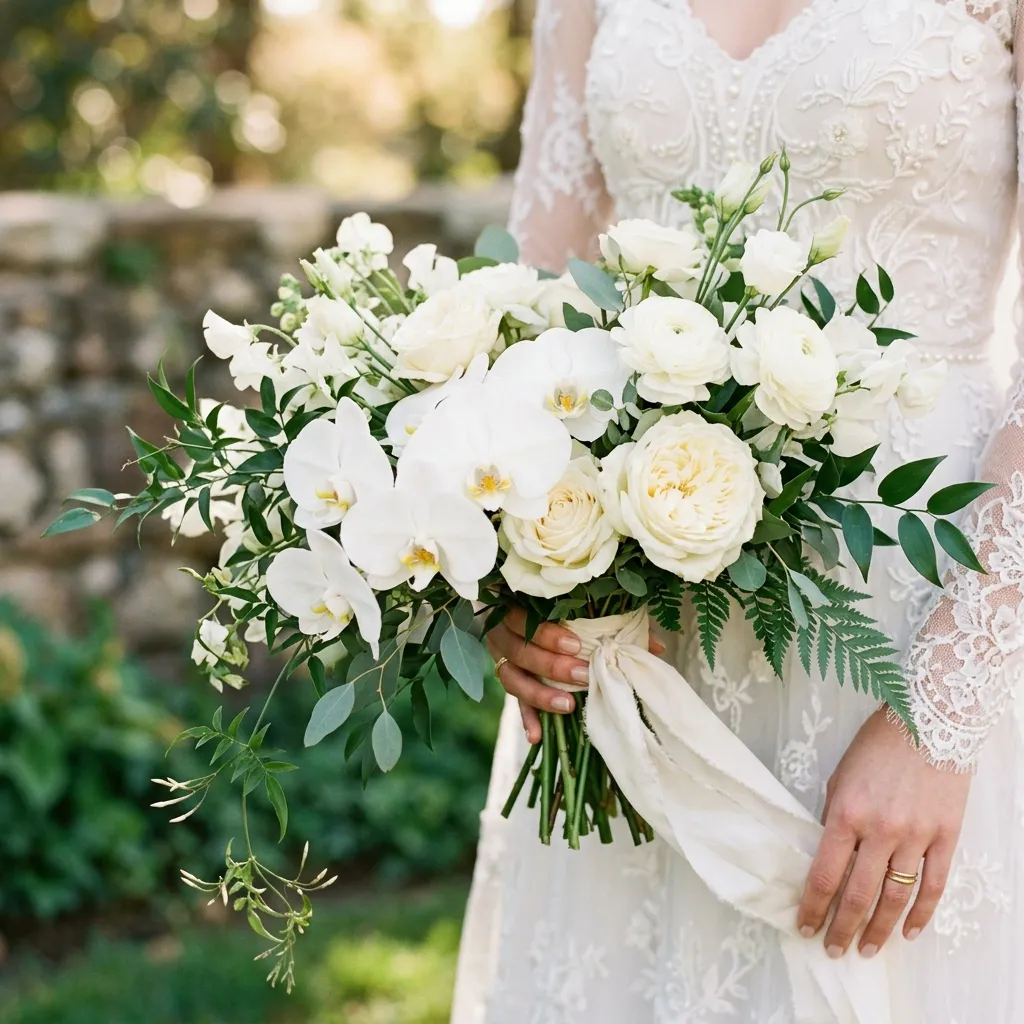
Microclimates and regional diversity
In one region, cool temperatures encourage long-stemmed sweet peas and ranunculus. In another, warmer conditions support garden roses, sunflowers, dahlias, and textural fillers. This regional variation means florists can choose blooms not just by season, but by the specific qualities they need in a design: stem length, bloom size, fragrance, and color intensity.
Specialty farms and boutique cultivation
Many California flower farms focus on hand-harvested, small-batch production. These farms often grow for quality rather than mass volume, which is ideal for luxury floral work. The blooms may have more character, natural variation, and design flexibility than standardized commercial flowers.
Extended growing windows
Unlike regions with severe winters, California often provides an extended season for many crops. This can broaden the design palette and allow florists to source certain flowers earlier or later than expected. However, the most elegant floral work still comes from respecting true seasonality rather than trying to force out-of-season blooms.
Spring California Blooms: The Peak of Romance and Refinement
Spring is one of the most celebrated floral seasons in California. The weather is mild, the light is luminous, and the blooms are abundant in shape, fragrance, and color. Spring florals are ideal for luxury weddings, brand activations, garden-inspired tablescapes, and high-end editorial work.
Ranunculus
California ranunculus are among the most beloved spring flowers in luxury design. Their layered petals, elegant cup shape, and wide range of colors make them indispensable for romantic compositions. Ranunculus work beautifully in bridal bouquets, low compotes, and airy garden arrangements. Their texture creates movement and softness without overwhelming the design.
Anemones
Anemones add dramatic contrast and modern elegance. Their bold centers and crisp petals make them especially effective in high-end arrangements that need a graphic focal point. White anemones with dark centers are classic in monochromatic luxury palettes, while blush, coral, and burgundy varieties create depth and drama.
Peonies
Few flowers communicate luxury as immediately as peonies. California-grown peonies are highly prized for their lush, voluminous blooms and sumptuous texture. Because their season is relatively short, they are often reserved for premium clients and events that require an especially elevated look. Peonies are exceptional in bridal work and statement arrangements, particularly when paired with roses and delicate spring companions.
Sweet peas
Sweet peas are among the most fragrant and graceful spring flowers available. Their delicate petals and soft tendrils lend movement and charm to arrangements. In luxury design, they are often used in pastel palettes, romantic bouquets, and airy garden compositions where scent is an important part of the experience.
Tulips
California tulips vary widely in shape and character. Standard tulips offer clean lines and refined simplicity, while parrot, double, and French tulips provide more texture and intrigue. In high-end design, tulips are often used in massed arrangements or in sculptural compositions where stem movement can be celebrated rather than controlled.
Garden roses
Spring garden roses, especially those grown in California, are essential in luxury floral design. Their layered petals, fragrance, and romantic form make them a foundation flower for weddings and premium events. Garden roses offer richness without heaviness, making them ideal for both classic and modern luxury aesthetics.
Flowering branches
Branch material adds scale, architecture, and seasonal authenticity. Spring branches such as flowering quince, flowering plum, cherry blossom, and apple blossom can transform an arrangement from lovely to extraordinary. These elements create vertical interest and bring the energy of a spring garden indoors.
Spring design strategy
For spring luxury work, focus on softness, fragrance, and layered movement. Combine focal blooms such as peonies and garden roses with textural accents like ranunculus, sweet peas, hellebores, and flowering branches. Use color stories that feel fresh and elegant: blush and ivory, butter yellow and cream, pale lavender and soft green, or apricot and champagne.
Summer California Blooms: Abundance, Warmth, and Texture
Summer in California offers a rich abundance of blooms that support both lush and contemporary floral aesthetics. While some spring flowers fade, summer introduces stronger structure, vivid color, and more dramatic forms. This is the season of generous bouquets, sculptural installations, and vibrant event florals.
Dahlias
Dahlias are among the most versatile and visually captivating summer flowers grown in California. They come in countless shapes, from ball dahlias and dinnerplate varieties to cactus and collarette forms. Their range of colors and sizes makes them a luxury staple for summer weddings and events. Dahlias perform especially well in arrangements that need fullness, drama, and a sophisticated garden feel.
Zinnias
Premium zinnias are often underestimated, yet they can be extraordinary in the right setting. Their cheerful form and strong stems make them valuable in high-end summer design, especially when used in abundance or paired with more refined focal blooms. Specialty zinnias can add movement, color vibrancy, and an organic, garden-grown charm.
Garden roses
Summer garden roses continue to be important, though careful sourcing is essential in warmer weather. California farms often produce excellent roses with strong stems and beautiful forms. In summer luxury arrangements, garden roses can anchor the design while supporting more textural, airy, or dramatic elements.
Hydrangea
Hydrangea is a quintessential summer flower in luxury design. Its large heads and lush texture make it ideal for opulent arrangements and large-scale installations. California hydrangea, when properly conditioned, can be highly effective in wedding arches, entryway arrangements, and tablescapes that call for volume and polish.
Cosmos
Cosmos bring lightness and movement to summer compositions. Their fine stems and delicate blooms balance heavier summer focal flowers beautifully. In upscale design, cosmos are especially useful for creating an effortless garden look without sacrificing refinement.
Lisianthus
Lisianthus is an elegant summer staple with rose-like blooms and graceful branching. It offers a softer, more delicate alternative to some of the bolder summer flowers. In luxury arrangements, lisianthus is excellent for adding texture, softness, and longevity.
Sunflowers and specialty sunflower varieties
While classic sunflowers are often associated with casual arrangements, specialty varieties can be incredibly chic in a high-end context. Smaller, muted, or unusual sunflower cultivars can lend warmth and richness to late-summer designs when paired with sophisticated textures and deeper color palettes.
Summer design strategy
Luxury summer florals should balance richness with airiness. Use strong focal flowers like dahlias, garden roses, and hydrangea, then soften the composition with cosmos, lisianthus, veronica, basil flowers, or other textural accents. Color palettes can range from monochromatic white and green to saturated jewel tones, sunset hues, or elegant terracotta and dusty rose combinations.
Fall California Blooms: Depth, Warmth, and Sophisticated Drama
Fall is one of the most rewarding seasons for luxury floral design. The colors deepen, textures become richer, and the overall mood shifts toward warmth and intimacy. California fall blooms are ideal for elegant weddings, private dinners, harvest-inspired celebrations, and editorial design with a moody, romantic edge.
Dahlias
Dahlias remain central well into early fall, often providing some of the most extraordinary shapes and colors of the year. The season’s later dahlias can feel especially sumptuous, with richer tones such as burgundy, rust, amber, mauve, and deep coral. They are invaluable for creating luxurious autumn arrangements.
Zinnias
Late-season zinnias offer color and resilience as temperatures shift. Their open faces and layered petals can add playful richness to fall arrangements, particularly when used alongside more structural elements like roses, scabiosa, and branching foliage.
Celosia
Celosia is a standout fall flower because of its unusual texture and sculptural form. Feathered, plume-like, or coral-shaped celosia can add artistic flair and contemporary elegance to luxury designs. It works especially well in arrangements that need movement and visual intrigue.
Amaranthus
Amaranthus brings cascading drama and texture to fall floral work. Whether used in a trailing installation, a tall centerpiece, or an asymmetrical bouquet, it introduces a sense of richness and organic movement. In sophisticated design, amaranthus is often paired with roses, dahlias, and seasonal foliage to create depth and tactile interest.
Garden roses
Autumn garden roses often appear more saturated and velvety in tone, making them ideal for fall palettes. Deep blush, caramel, dusty rose, and antique pink roses can soften stronger seasonal shades while preserving the overall warmth of the composition.
Scabiosa
Scabiosa is prized for its delicate texture and natural elegance. It bridges the gap between structured blooms and airy filler, helping fall arrangements feel refined rather than heavy. Its darker varieties are particularly effective in moody luxury palettes.
Chrysanthemums and specialty mums
Modern luxury floral design has reintroduced specialty chrysanthemums as sophisticated components rather than merely traditional fillers. Button mums, spider mums, and reflex mums can add shape and longevity to fall arrangements, especially when selected in muted or unusual tones.
Fall design strategy
Fall luxury arrangements should feel layered, tactile, and emotionally rich. A successful autumn composition might pair dahlias with garden roses, amaranthus, celosia, scabiosa, and moody foliage. The most compelling palettes often include burgundy, rust, ochre, smoky mauve, bronze, and cream. For clients seeking understated opulence, tone-on-tone designs can be especially effective.
Winter California Blooms: Elegance, Restraint, and Unexpected Beauty
Winter floral design in California offers a distinct kind of luxury. Rather than relying on abundance, winter work often emphasizes structure, elegance, and subtle sophistication. Many of the season’s best blooms have a cool, quiet beauty that feels refined and timeless.
Anemones
Winter is prime season for anemones, especially in California’s mild climate. Their crisp petals and striking centers are ideal for modern luxury arrangements, monochromatic palettes, and editorial styling. White anemones remain a favorite for weddings and formal events.
Ranunculus
Ranunculus continue to be a cornerstone of winter and early spring floral work. Their intricate, layered petals and wide color range make them one of the most useful premium flowers of the season. They are especially effective in romantic, soft, or sophisticated arrangements with a restrained palette.
Hellebores
Hellebores are among the most coveted winter flowers for designers who value subtle luxury. Their nodding blooms, muted tones, and sculptural appeal make them highly distinctive. Hellebores contribute a rare, almost painterly quality to arrangements and are ideal for clients who appreciate understated refinement.
Camellias
Camellias bring polished beauty and winter elegance, especially when used in a design that celebrates their glossy foliage and graceful bloom structure. In luxury work, camellias can read as very chic and architectural, particularly in shallow vessels or minimal compositions.
Paperwhites and narcissus
Paperwhites and narcissus introduce fragrance and a clean seasonal character. Their delicate forms work beautifully in winter arrangements that aim for freshness and luminosity rather than dramatic fullness.
Flowering branches
Winter flowering branches are essential for high-end design because they add height, silhouette, and a sense of anticipation. Magnolia, quince, cherry, and forsythia branches can create movement and seasonal identity while supporting the visual architecture of an installation.
Evergreen and textural foliage
Although not blooms in the strict sense, winter foliage is crucial in luxury floral work. California-grown eucalyptus, bay laurel, olive, cedar, and pine can enhance winter designs with texture, fragrance, and depth. When paired with delicate flowers like anemones and ranunculus, they create a refined seasonal balance.
Winter design strategy
Winter luxury florals should feel composed, elegant, and intentional. Use clean lines, limited color palettes, and a mix of soft blooms and structured botanical material. White, green, ivory, silver, deep plum, and muted pink are excellent winter palette choices. Less can be more in winter, especially when each bloom is chosen for quality and presence.
How to Choose the Right Seasonal Blooms for High-End Work
Selecting flowers for luxury design requires a more discerning eye than simply choosing what is available. A high-end florist must evaluate bloom quality, color, scale, fragrance, stem architecture, and performance under installation conditions.
Consider the event environment
Will the flowers be outdoors in heat, indoors with climate control, or displayed over several days? Summer blooms must tolerate warmth, while winter blooms must hold shape in cooler settings. A flower that is beautiful in a studio may not be suitable for a long outdoor event unless it is conditioned correctly.
Choose for form and movement
High-end floral design depends on visual rhythm. Some blooms should act as focal points, while others should guide the eye through the arrangement. Use California blooms with varied forms—round, spiky, branching, cascading, delicate, or open-faced—to create depth and sophistication.
Prioritize quality over quantity
Luxury clients notice petal condition, stem strength, bloom consistency, and overall finish. A smaller number of exceptional flowers often creates a more refined impression than a large number of average blooms. California specialty flowers are especially valuable because they tend to bring more character per stem.
Match blooms to the design intent
A modern installation may call for architectural anemones, camellias, and sculptural branches. A romantic wedding may need peonies, garden roses, ranunculus, and sweet peas. A moody dinner design may benefit from dahlias, scabiosa, amaranthus, and rich foliage. The best designers use seasonal blooms to support the message of the event.
Luxury Color Palettes Inspired by California Seasons
Color is one of the most powerful tools in floral design. Seasonal California blooms offer a broad range of tones that can be used to create signature luxury palettes for every type of event.
Spring palette ideas
- Blush, ivory, pale green, and champagne
- Butter yellow, cream, soft apricot, and sage
- Lavender, pale pink, white, and dusty green
Summer palette ideas
- White, green, and pale yellow for understated elegance
- Coral, peach, apricot, and warm blush for romantic warmth
- Jewel tones such as magenta, violet, deep pink, and burgundy for bold sophistication
Fall palette ideas
- Rust, cinnamon, terracotta, and cream
- Burgundy, mauve, antique rose, and bronze
- Ochre, caramel, deep blush, and olive
Winter palette ideas
- White, ivory, silver green, and black accents
- Plum, mauve, blush, and deep green
- Soft peach, cream, and muted gray-green for quiet luxury
Floral Design Techniques That Elevate Seasonal California Blooms
Even the most extraordinary flowers need thoughtful design to reach their full potential. High-end florists use technique to highlight bloom quality and create arrangements that feel harmonious, elevated, and purposeful.
Layering by scale
Start with architectural materials, then add focal flowers, then finish with delicate secondary blooms and movement elements. California blooms are ideal for this process because many farms produce both statement flowers and subtle accents within the same seasonal window.
Using negative space
Luxury design often benefits from restraint. Allowing certain stems or blooms to breathe can make the arrangement feel more editorial and expensive. Negative space is especially effective with elegant blooms like anemones, hellebores, sweet peas, and camellias.
Creating movement
Movement is one of the hallmarks of exceptional floral work. Use branching stems, trailing amaranthus, delicate sweet peas, or airy cosmos to create directional energy. California seasonal blooms are particularly well suited to naturalistic movement because many are grown in a style that celebrates organic form.
Designing with texture
Texture adds dimension and tactile richness. Combine smooth petals, ruffled blooms, velvety surfaces, and structural elements to avoid flat compositions. Peonies, roses, ranunculus, celosia, and hydrangea can be combined to create lush but sophisticated textural contrast.
Building with fragrance in mind
Fragrance matters in high-end floral design, especially for intimate events and private clients. Sweet peas, garden roses, narcissus, and some varieties of stock can enrich the sensory experience. When fragrance is intentionally layered, the arrangement becomes more memorable.
How to Work with California Flower Farms and Suppliers
One of the strongest advantages of seasonal California blooms is the opportunity to build direct relationships with growers and trusted suppliers. For luxury florists, these partnerships are a major source of quality control and creative access.
Source locally whenever possible
Local sourcing improves freshness and often provides better visibility into growing practices. It also allows florists to understand which blooms are truly in season and which varieties are best at a given moment.
Plan around farm availability
Specialty flowers may have short harvest windows. By planning events and design concepts around actual availability, florists can secure the best product and avoid costly substitutions. This is particularly important for premium blooms such as peonies, sweet peas, and specialty ranunculus.
Develop seasonal purchase habits
Repeat buyers often gain access to better product, priority selection, and deeper knowledge from growers. Over time, this results in stronger floral design consistency and more reliable luxury outcomes.
Respect natural variation
Seasonal blooms are often less uniform than imported commercial flowers, but that variation is part of their beauty. Luxury floral design benefits from this natural character, as long as the overall composition is curated with discernment.
Sustainability and the Modern Luxury Client
Today’s high-end floral client often expects beauty and responsibility to coexist. Seasonal California blooms support sustainability in meaningful ways, especially when paired with smart design practices.
Reduced transportation impact
Flowers grown closer to where they are used generally require less transport and less refrigeration time. This can reduce the environmental footprint of floral projects.
Better use of what is naturally abundant
Seasonal sourcing encourages florists to work with the rhythms of the land rather than against them. That approach often results in more thoughtful purchases and less waste.
Longer-lasting arrangements
Fresh, locally sourced blooms frequently last longer, which can reduce replacement needs and improve overall value for clients.
Transparent storytelling
Luxury clients appreciate knowing where their flowers come from, especially when those flowers are selected from California farms that prioritize quality and responsible growing. This transparency can enhance the emotional and ethical value of the final design.
Common Mistakes to Avoid When Designing with Seasonal Blooms
Even experienced designers can make mistakes when working with seasonal flowers. Avoiding these common pitfalls will improve both the beauty and performance of your arrangements.
Forcing the wrong bloom at the wrong time
Trying to source a flower outside its natural peak often results in weaker quality and higher cost. It is usually better to select a bloom that is truly in season and build the design around its strengths.
Ignoring climate and venue conditions
Some flowers are delicate and need careful handling in heat, while others are more resilient. Always consider the installation environment before finalizing the floral recipe.
Overstuffing arrangements
Luxury does not mean cramming in as many stems as possible. Overfilling can flatten the design and obscure the special qualities of individual blooms.
Neglecting stem conditioning
Proper hydration, trimming, cleaning, and storage are essential. Seasonal blooms can only perform their best when they are conditioned correctly from the moment they arrive.
Building a Year-Round Luxury Floral Program with California Blooms
The most successful luxury florists do not think only in terms of individual flowers. They think in terms of seasonal programs. A year-round California floral strategy allows you to anticipate availability, refine your aesthetic, and deliver consistent quality to clients.
Spring
Prioritize romantic, fragrant, and layered flowers such as peonies, ranunculus, sweet peas, tulips, anemones, and flowering branches. Aim for softness and freshness.
Summer
Lean into abundance and color with dahlias, hydrangea, garden roses, cosmos, and lisianthus. Focus on airy structure and textural richness.
Fall
Shift into deeper tones and sculptural forms with dahlias, celosia, amaranthus, specialty mums, scabiosa, and rich foliage. Emphasize warmth and depth.
Winter
Return to refined restraint with ranunculus, anemones, hellebores, camellias, narcissus, branches, and evergreen accents. Aim for elegance and clarity.
Final Thoughts: Designing with the Best of California
Seasonal California blooms offer one of the richest palettes available to high-end floral designers. They combine beauty, freshness, variety, and regional character in a way that few floral sources can match. By working with the seasons, florists gain not only superior product but also a deeper creative vocabulary—one rooted in nature, place, and time.
For luxury floral design, the best arrangements are never arbitrary. They are composed with intention, shaped by seasonal availability, and elevated by expert technique. California’s blooms make that possible across spring, summer, fall, and winter. Whether you are creating an intimate bridal bouquet, an opulent gala installation, or a signature arrangement for a discerning client, seasonal California flowers allow you to deliver work that feels fresh, elegant, and unforgettable.
At Flowers El Ranchito, we celebrate the artistry of seasonal design and the exceptional beauty of California-grown blooms. When you choose flowers in season, you are not only selecting the finest material for your work—you are honoring the natural rhythm that makes floral design truly extraordinary.
Frequently Asked Questions
Direct answers regarding flower delivery, custom ordering, and arrangements in the San Fernando Valley.
Which California blooms give the most luxurious look for weddings? ▾
Garden roses, ranunculus, peonies, sweet peas, dahlias, and premium hydrangea are among the most luxurious-looking California blooms when they are in season and properly conditioned.
Why does seasonality matter so much in high-end floral design? ▾
Seasonal flowers are fresher, last longer, and naturally reflect the best shape, color, and texture available at that time of year, which makes the design feel more elevated and authentic.
How can I make seasonal California flowers look more expensive in an arrangement? ▾
Use fewer, higher-quality stems, vary height and texture, keep the palette intentional, and let one or two standout blooms lead the composition instead of overfilling the design.
Request a Custom Order or Quote
Planning an event or looking for fresh bouquets? Tell us your vision and our Mission Hills floral designers will contact you with options & pricing.