The Complete Guide to Peonies, Roses, and Premium Blooms for Florists
Flowers El Ranchito Expert Advice
The Complete Guide to Peonies, Roses, and Premium Blooms for Florists
For florists, peonies, roses, and other premium blooms are far more than beautiful flowers. They are the foundation of luxury arrangements, wedding work, sympathy designs, event installations, and the everyday bouquets that define a shop’s reputation. These flowers command attention because of their form, fragrance, symbolism, versatility, and customer appeal. They also require careful handling, informed sourcing, and a strong understanding of seasonal availability, vase life, and design techniques. A florist who knows how to work with these blooms can create arrangements that feel elevated, memorable, and worth their premium price point.
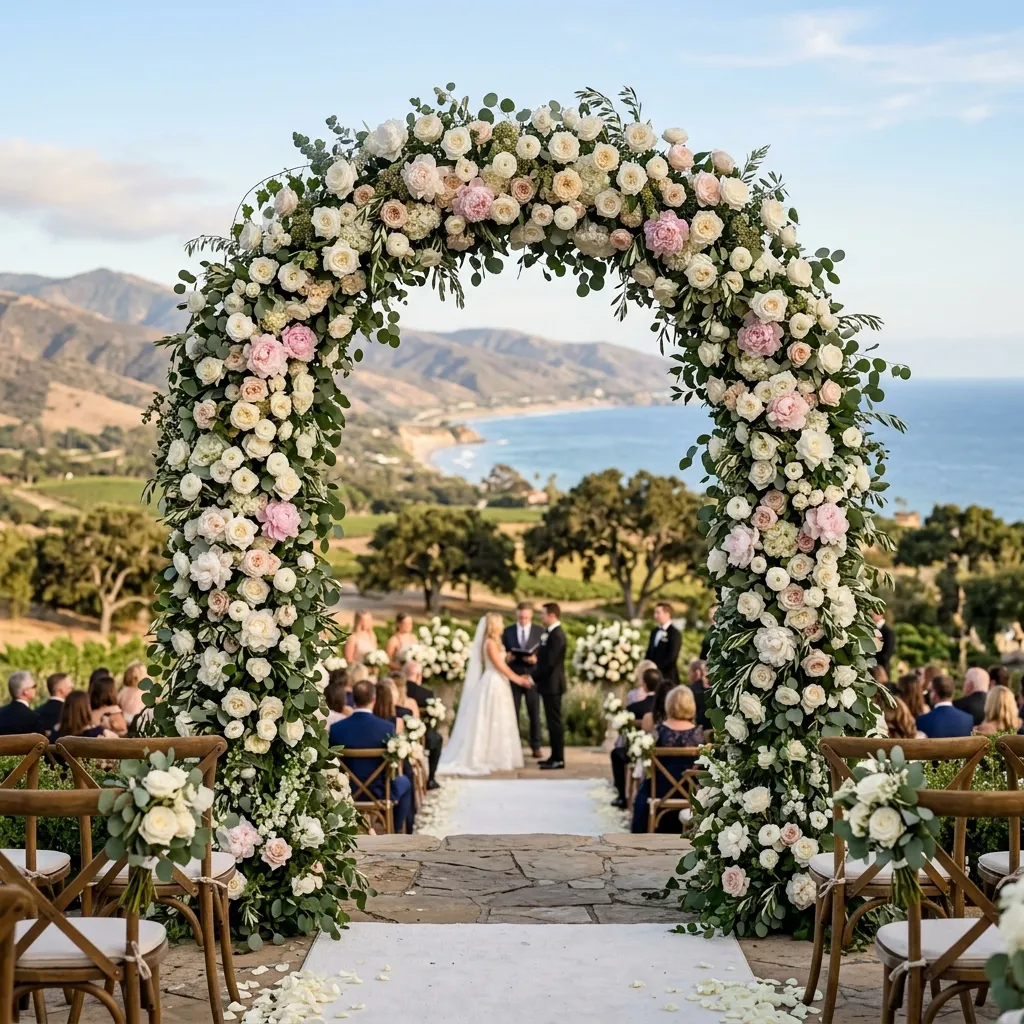
This guide is designed as a comprehensive resource for florists seeking to deepen their expertise in peonies, roses, and premium blooms. Whether you are building wedding collections, refining retail bouquets, or selecting inventory for high-end clients, understanding these flowers at a professional level will help you make better buying decisions, improve design quality, and increase customer satisfaction. From bloom characteristics and seasonality to care, mechanics, color theory, and profitable product positioning, this article covers the essential knowledge every florist should have.
Why Peonies, Roses, and Premium Blooms Matter in Floristry
Premium blooms play a central role in the floral industry because they combine strong consumer recognition with exceptional design value. Customers often choose florists based on whether they can provide these flowers reliably and beautifully. Peonies are synonymous with romance, weddings, and luxury. Roses remain one of the most versatile and emotionally resonant flowers in the world. Other premium blooms, such as ranunculus, garden roses, anemones, tulips, hydrangeas, orchids, and dahlias, round out a designer’s palette and allow florists to build depth, texture, and visual sophistication.
These flowers also influence pricing strategy. They may cost more wholesale, but their perceived value is high, which supports premium retail pricing. They tend to be associated with special occasions, and clients expect them to look abundant, fresh, and expertly arranged. Because of that, they are powerful tools for increasing average order value and reinforcing a brand’s premium positioning.
Understanding Peonies: The Florist’s Favorite Luxury Bloom
What Makes Peonies So Desirable?
Peonies are beloved for their lush, oversized blooms, soft petals, and romantic aesthetic. They symbolize prosperity, love, honor, and good fortune in many cultures. Florists value peonies because a single stem can create dramatic impact in a bouquet or centerpiece. Their natural fullness makes them ideal focal flowers, and their seasonal scarcity increases customer demand during peak months.
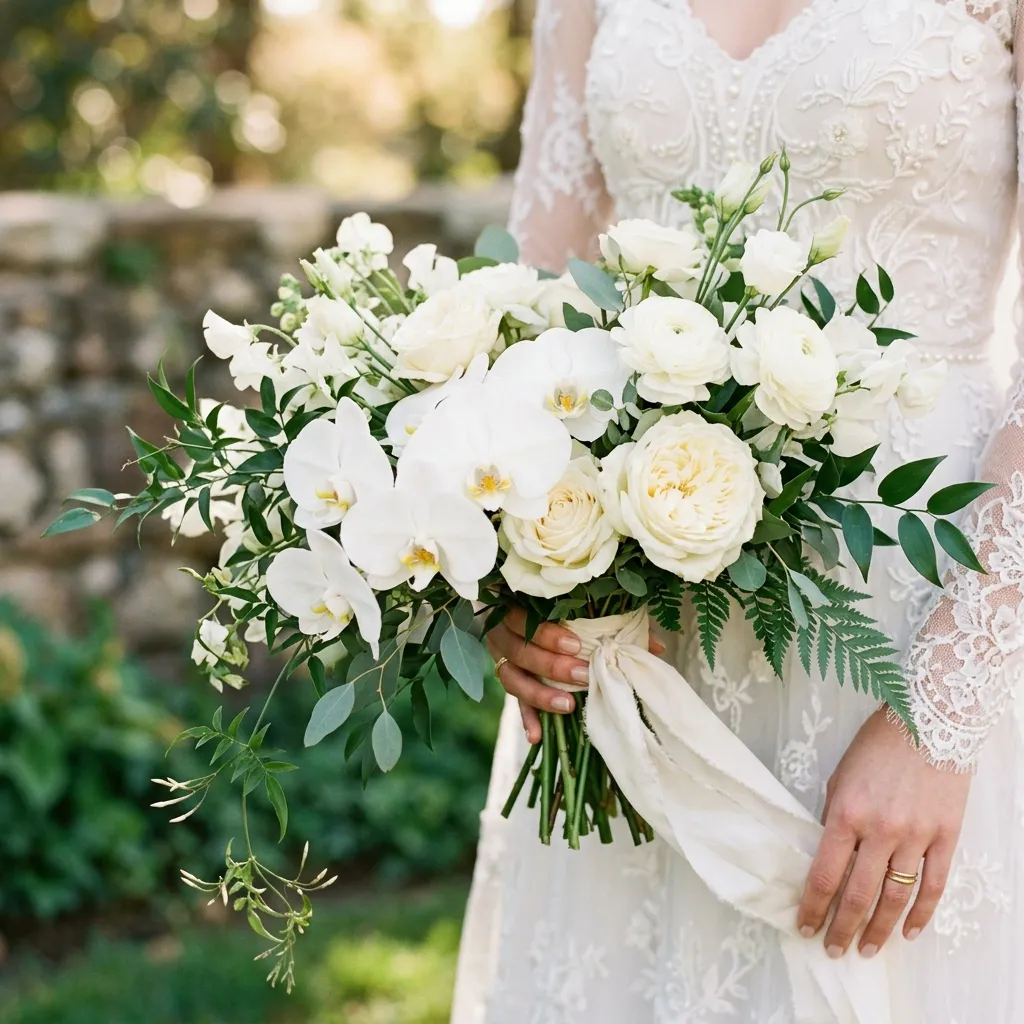
Peonies are especially powerful in bridal design. Brides often request them by name because they evoke softness, abundance, and timeless elegance. They photograph beautifully, open dramatically over time, and pair effortlessly with both classic and modern floral styles.
Peony Types Florists Should Know
Not all peonies are alike. Florists should be familiar with the main types to better serve clients and choose the right bloom for each design.
- Herbaceous peonies: The most familiar type, with stems that die back in winter and regrow in spring.
- Tree peonies: Woody shrubs with very large, often more delicate blooms and a somewhat different growth habit.
- Intersectional or Itoh peonies: Hybrids of herbaceous and tree peonies, valued for strong stems and abundant flowers.
For floristry, herbaceous and intersectional peonies are the most common commercial types used in cut flower work. They are loved for their bloom shape, durability, and availability from specialized growers.
Popular Peony Varieties for Floral Design
Variety selection matters because each peony behaves slightly differently in terms of color, opening, and stem quality. Some widely recognized varieties include:
- Sarah Bernhardt: A classic soft pink peony with large, full blooms and wide availability.
- Duchesse de Nemours: A creamy white variety with an elegant, refined appearance.
- Coral Charm: Famous for its coral-to-peach transition as it opens.
- Bowl of Cream: A lush, fully double white variety with strong wedding appeal.
- Shirley Temple: A blush-to-white bloom that fits romantic palettes.
- Festiva Maxima: A white peony with subtle crimson flecks, valued for a classic look.
Florists should consider bloom size, fragrance, openness, stem length, and timing when choosing peony varieties for different events or retail offerings.
Peony Seasonality and Availability
Peonies are highly seasonal, which is one reason they feel so special. Their availability depends heavily on climate, growing region, and import channels. In many markets, local peony season is relatively short, often concentrated in late spring to early summer. Florists who understand this window can capitalize on demand and build effective seasonal promotions.
Because customers often want peonies outside their natural season, many florists source imported peonies to extend availability. This can be a profitable strategy, but it requires careful planning around shipping conditions, pricing, and bloom stage.
How to Handle and Condition Peonies
Peonies can be sensitive to temperature and hydration, so proper conditioning is essential. They generally arrive in tight bud form and open over several days. Florists should remove lower foliage, recut stems at an angle, and place them in clean, cool water with floral preservative. Stems should be stored in a cool environment away from direct sunlight and ethylene-producing fruit.
Peonies should never be forced to open too quickly through excessive heat, because this can shorten vase life and affect bloom quality. For event work, staging peonies at different opening stages is ideal. This creates natural variation and ensures the design looks beautiful both at delivery and at peak event time.
Understanding Roses: The Essential Premium Flower
Why Roses Remain Indispensable
Roses are arguably the most important flower in commercial floristry. They are emotionally universal, available in an enormous range of colors and forms, and suitable for nearly every occasion. While many customers think of roses in a traditional sense, modern floristry uses them in a far more sophisticated way. From garden roses and spray roses to standard roses and premium specialty varieties, roses offer incredible flexibility.
Roses are also essential because they are dependable. Compared to many luxury blooms, roses are available year-round, which helps florists maintain steady stock and serve a wide variety of clients. Their symbolism—love, admiration, gratitude, remembrance, and celebration—makes them suitable for birthdays, anniversaries, weddings, sympathy work, and corporate gifting.
Types of Roses Florists Should Stock
Florists should understand the different rose categories and the design advantages each provides.
- Standard roses: Long stems with a single large bloom, ideal for classic arrangements and mass market bouquets.
- Garden roses: Known for layered petals, fragrance, and a romantic, loose form.
- Spray roses: Multiple smaller blooms per stem, excellent for texture and filler.
- David Austin-style roses: Garden-like blooms with exceptional petal count and luxury appeal.
- Premium hybrid tea roses: Selected for elegant shape, bloom size, and stem quality.
Each type serves a different purpose. A florist designing a bridal bouquet may prefer garden roses for their softness and romance, while a corporate order or large-scale event may benefit from standard roses due to their consistency and cost efficiency.
Rose Color Meanings and Design Applications
Color is one of the most important considerations in rose selection. Roses are emotionally charged flowers, and their color can completely change the message of an arrangement.
- Red roses: Passion, deep love, respect, and intensity.
- White roses: Purity, reverence, sympathy, and elegance.
- Pink roses: Admiration, gratitude, sweetness, and romance.
- Peach roses: Appreciation, warmth, sincerity, and subtle sophistication.
- Yellow roses: Friendship, joy, and cheerfulness.
- Lavender roses: Enchantment, mystery, and uniqueness.
- Coral and orange roses: Energy, enthusiasm, and modern vibrancy.
For florists, color selection should align with the occasion, the client’s emotional intent, and the overall palette of the design. Roses can be used as a monochromatic statement or as a balancing element in mixed arrangements.
How to Maximize Rose Vase Life
Roses are relatively durable, but proper handling is critical to maintaining freshness. Upon arrival, roses should be unwrapped, recut, and hydrated immediately. Leaves below the waterline must be removed to prevent bacteria growth. Clean buckets, cool storage, and consistent water changes are essential.
Some roses, especially garden roses and imported specialty varieties, may arrive with protective outer petals or in tighter bloom stages. Florists should understand how to stage them appropriately for the intended use. For event work, ordering roses at the correct opening stage prevents premature blooming or insufficient opening at the venue.
Other Premium Blooms Florists Should Master
Ranunculus
Ranunculus are cherished for their intricate, layered petals and delicate, papery texture. They provide exceptional visual detail and are often used in spring weddings, high-end mixed bouquets, and romantic arrangements. Their stems can be delicate, so they require gentle handling and cool hydration. Ranunculus pair beautifully with peonies, garden roses, anemones, and tulips.
Anemones
Anemones create striking visual contrast with their dark centers and smooth petals. They bring a contemporary, slightly dramatic edge to floral design. White anemones with black centers are especially popular in modern wedding work, while colored varieties add energy and flair. Their unique look makes them effective focal accents in both minimal and lush arrangements.
Hydrangeas
Hydrangeas are premium blooms valued for their large, cloud-like clusters of florets. They create fullness quickly and are useful in event design, centerpieces, and larger arrangements. They require ample hydration and are sensitive to heat, so proper care is essential. Hydrangeas are especially useful for creating volume at a relatively low stem count.
Orchids
Orchids bring a sleek, high-end aesthetic that works well in luxury events, modern installations, and corporate design. Phalaenopsis orchids are often used for their elegant arching stems and long-lasting performance. Cymbidium orchids, dendrobiums, and mokara orchids each offer different textures and visual effects. Orchids are ideal when a client wants something sophisticated, exotic, and refined.
Tulips
Tulips are simple in structure but highly expressive in movement and style. They continue to grow after being cut, which gives arrangements a dynamic quality. Premium tulips such as parrot tulips, double tulips, and French tulips are especially prized by florists. Their clean lines and elegant shape make them ideal for modern design.
Dahlias
Dahlias are known for their dramatic geometry, color range, and late-season appeal. They are highly desirable for weddings and autumn florals. Their bloom forms vary widely, from dinner-plate size to smaller, more intricate shapes. Because they are sometimes delicate and season-dependent, they should be handled carefully and used strategically in premium designs.
Seasonality: Planning Around the Bloom Calendar
Seasonality is one of the most important concepts in professional floristry. Clients may request specific blooms year-round, but the best florists understand when flowers are at their natural peak and how to source them effectively when they are not. Peonies, for example, are at their best in a limited season, while roses are available throughout the year. Other premium blooms, such as dahlias and ranunculus, also have key seasonal windows that affect price and quality.
Buying according to season helps florists preserve margins and maintain quality. Seasonal blooms tend to be more abundant, fresher, and less expensive than imported out-of-season alternatives. It also allows florists to market collections around the natural rhythm of flowers, which creates authenticity and excitement.
Building Seasonal Collections
Successful florists use seasonal collections to guide both retail and event offerings. A spring collection might highlight peonies, tulips, ranunculus, and specialty roses. A summer collection may emphasize garden roses, hydrangeas, lisianthus, and delphiniums. Autumn could focus on dahlias, roses in warm tones, chrysanthemums, and textural elements. Winter arrangements often rely on roses, orchids, amaryllis, and evergreens.
Seasonal storytelling helps customers feel connected to the flowers and makes the purchasing experience more curated and memorable.
Premium Bloom Buying: What Florists Should Look For
Stem Quality
Strong stems are crucial, especially for event work and larger arrangements. Look for straight, sturdy stems with good support and minimal bruising. Bent, weak, or damaged stems can cause design instability and shorten vase life.
Bloom Stage
The ideal bloom stage depends on the flower and its intended use. Peonies may arrive in tight bud form and open beautifully over time, while some roses need to be at a specific stage to perform properly for weddings. Understanding bloom stage is essential for avoiding disappointment and waste.
Color Consistency
Premium orders should be visually consistent, especially for monochromatic events or branded installations. Florists should inspect every bunch for tone variation, because slight differences can affect the finished design. This matters most with whites, blushes, corals, and reds.
Freshness Indicators
Fresh flowers should feel hydrated, firm, and lively. Petals should not appear limp, bruised, or browned at the edges. Foliage should be clean and not yellowing. Buds should be healthy, and stems should not have signs of slime or bacterial buildup.
Handling, Conditioning, and Storage Best Practices
Proper flower care is one of the most important operational skills in floristry. Even the most beautiful premium blooms can fail if they are not conditioned correctly. Good practice begins the moment flowers arrive. Florists should unpack immediately, inspect for quality, recut stems, remove excess foliage, and place blooms into clean buckets with fresh water and preservative.
Cool storage is ideal for most premium blooms. Temperature control slows down respiration and helps preserve freshness. Flowers should be kept away from direct sunlight, drafts, ripening fruit, and heat-producing equipment. Water should be changed regularly, and buckets must be sanitized to reduce bacterial growth.
Special handling is often required for delicate flowers like peonies, ranunculus, and hydrangeas. These blooms may need extra hydration, moisture management, or staging time before arrangement. Florists who develop disciplined handling systems reduce waste and improve customer satisfaction.
Designing with Peonies, Roses, and Premium Blooms
Using Premium Blooms as Focal Flowers
Peonies and premium roses are often the stars of a design. Their shape, scale, and emotional resonance make them ideal focal points. A single peony can anchor an entire bouquet. A cluster of garden roses can create a lush, romantic center in a centerpiece. By positioning premium blooms strategically, florists can create immediate visual impact.
Creating Texture and Depth
Premium blooms are most effective when paired with complementary textures. Ranunculus, lisianthus, spray roses, anemones, hydrangeas, and foliage add layers that make a design feel complete. The goal is not to crowd the arrangement, but to build contrast in bloom shape, size, and surface texture.
Balancing Form and Movement
Luxury arrangements often succeed because they appear both structured and natural. Roses provide a stable base, peonies offer fullness, and other premium blooms add movement. Florists should think about line, contour, and visual rhythm when arranging. A successful design guides the eye smoothly while still feeling abundant and elegant.
Color Strategy for High-End Designs
Color harmony is essential in premium floristry. Soft palettes using blush, ivory, cream, and pale green remain popular because they feel timeless and refined. However, bold combinations such as coral, burgundy, peach, and gold can be equally sophisticated when executed well. The key is to use color intentionally and avoid overcrowding the arrangement with too many competing tones.
Weddings, Events, and High-Value Floral Applications
Peonies, roses, and premium blooms are especially valuable in weddings and events because they communicate quality instantly. Brides often choose these flowers for bouquets, centerpieces, ceremony structures, and reception installations. Event planners rely on them for visual continuity and luxury presentation. Corporate clients may use them to signal sophistication and hospitality.
For weddings, these blooms should be selected with the venue, season, and photography style in mind. Large, open blooms can look stunning in portraits, while tighter blooms may be better for early-day events or warm outdoor settings. Florists should always consider how flowers will perform over time, especially for long event days.
Recommended Uses by Flower Type
- Peonies: Bridal bouquets, centerpiece focal flowers, luxury gift arrangements.
- Roses: Everyday bouquets, wedding work, sympathy arrangements, premium gifting.
- Ranunculus: Spring weddings, delicate mixed arrangements, romantic bouquets.
- Anemones: Modern designs, contrast accents, editorial arrangements.
- Hydrangeas: Large centerpieces, event tables, volume-building work.
- Orchids: Corporate design, installations, contemporary luxury florals.
Pricing and Profitability for Florists
Premium blooms can support excellent margins when priced thoughtfully. However, florists must understand costs, waste rates, labor, and market expectations. The wholesale cost of peonies, garden roses, and specialty flowers may be higher, but customers are often willing to pay more for perceived rarity and elegance.
Successful pricing should account for stem cost, conditioning time, design labor, overhead, and spoilage risk. Premium arrangements should never be priced like standard grocery bouquets. Instead, they should be positioned as curated, high-value products with clearly visible quality. Educating customers about seasonality, bloom grade, and design expertise also helps justify premium pricing.
How to Increase Profitability
- Offer seasonal premium collections with clear tiered pricing.
- Use roses as a dependable backbone flower for high-margin arrangements.
- Promote peonies and other rare blooms as limited-availability luxury items.
- Design arrangements that look abundant without excessive stem counts.
- Reduce waste through accurate ordering and bloom-stage planning.
Common Mistakes Florists Make with Premium Blooms
Even experienced florists can lose quality or profit by making avoidable mistakes. One common issue is buying too many out-of-season flowers without a clear sales plan. Another is failing to condition blooms properly, which shortens vase life and weakens customer trust. Some florists also underprice premium arrangements, not accounting for labor and spoilage. Others overdesign with too many bloom types, which can make luxury work feel messy rather than refined.
Another mistake is ignoring bloom stage. A peony that opens beautifully over two days may be perfect for a wedding, but not ideal for same-day retail pickup if the customer wants instant fullness. Similarly, some roses are better suited for tight, elegant designs, while others need room to open. Florists who match flower behavior to intended use will produce better results.
Building a Premium Floral Brand Around Peonies and Roses
Premium blooms are not just ingredients; they are brand assets. The flowers a florist chooses communicate style, quality, and expertise before the customer even reads the description. A shop that consistently presents refined peony and rose designs builds a reputation for excellence and reliability.
Branding should include clear photography, polished product descriptions, seasonal education, and consistent design standards. Customers should know what to expect when they order a premium bouquet. This means defining your aesthetic, training staff on quality standards, and sourcing blooms that support the brand promise.
Effective Marketing Angles
- Highlight peony season as a limited, highly anticipated event.
- Promote rose varieties by color, fragrance, and luxury appeal.
- Create educational content about bloom care and seasonality.
- Showcase behind-the-scenes conditioning and design work.
- Use premium blooms in signature collections and bridal portfolios.
Customer Education: Helping Clients Appreciate Premium Blooms
Customers often understand that peonies and garden roses are special, but they may not know why they cost more or how to care for them. Florists who educate clients build trust and reduce disappointment. Explain that some blooms are seasonal, that tighter buds may open over time, and that premium flowers are often selected for form, fragrance, and longevity rather than sheer quantity.
Care instructions should be simple but specific. Advise customers to trim stems, change water, keep arrangements away from heat and direct sun, and remove fading blooms as needed. A well-informed customer is more likely to appreciate the arrangement and become a repeat buyer.
Conclusion: Mastering Premium Blooms for Lasting Florist Success
Peonies, roses, and premium blooms are the heart of luxury floristry. They offer beauty, symbolism, versatility, and strong commercial value. For florists, mastering these flowers means understanding not just how they look, but how they behave, how they are sourced, how they are priced, and how they contribute to a memorable customer experience. When used skillfully, these blooms elevate designs, strengthen brand identity, and increase profitability.
The best florists approach premium flowers with both artistry and precision. They know when peonies are at their best, which roses suit a given occasion, and how to combine specialty blooms into arrangements that feel balanced and refined. They also understand that care and conditioning are just as important as design. By making informed choices at every stage—from procurement to presentation—you can create floral work that stands out in a competitive market.
Whether you are building wedding collections, expanding your retail offerings, or refining your luxury floral identity, peonies, roses, and premium blooms deserve a central place in your strategy. They are timeless for a reason. With the right knowledge, they become not just flowers, but the foundation of exceptional floristry.
Frequently Asked Questions
Direct answers regarding flower delivery, custom ordering, and arrangements in the San Fernando Valley.
How do I choose the best peonies for weddings and events? ▾
Choose peonies with firm stems, healthy guard petals, and buds that are just beginning to soften at the edges. For events, slightly tighter blooms are safer because they open more predictably after hydration and temperature adjustment.
What makes premium roses different from standard roses? ▾
Premium roses usually offer stronger stems, larger heads, better petal structure, more consistent color, and superior vase life. They are bred and handled for luxury presentation, which makes them ideal for high-end arrangements and event work.
How can florists extend the life of premium blooms in the cooler? ▾
Keep blooms at the proper temperature, use clean buckets and fresh solution, recut stems regularly, and separate flowers from fruit and decaying product. Good airflow, low ethylene exposure, and disciplined sanitation are essential for preserving quality.
Request a Custom Order or Quote
Planning an event or looking for fresh bouquets? Tell us your vision and our Mission Hills floral designers will contact you with options & pricing.