When it comes to wedding flowers, few blooms feel as effortlessly elegant and romantic as anemones. With their crisp petals, striking dark centers, and airy, modern silhouette, anemones bring a distinctive beauty that can elevate everything from a coastal-chic ceremony to a lush garden reception. But what truly makes anemones shine in wedding design is not just their individual charm—it’s how beautifully they pair with other blooms. At Flowers El Ranchito in Southern California, we love helping couples create floral stories that feel personal, balanced, and unforgettable. If you’re planning a wedding and wondering how to style anemones with other flowers, this guide will help you discover the most stunning combinations for bouquets, centerpieces, ceremony arrangements, and more.
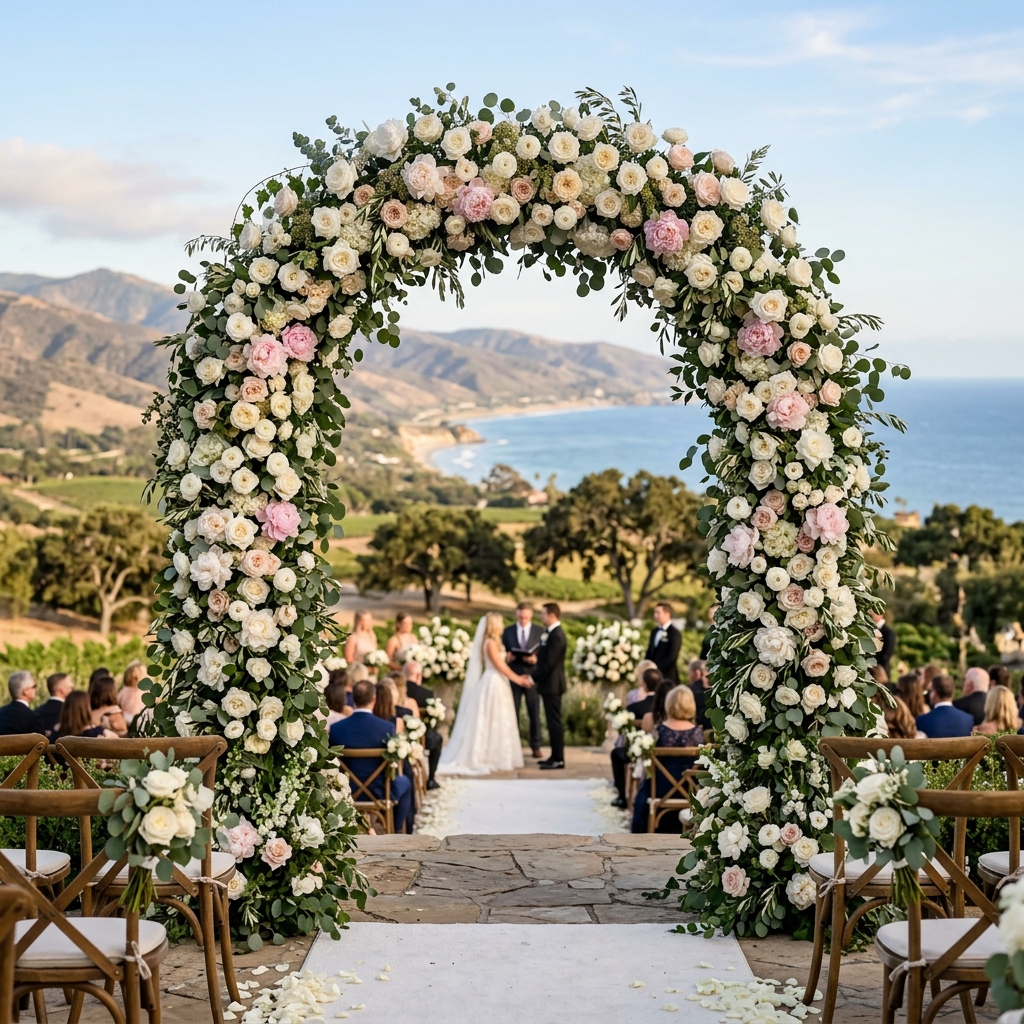
Anemones have become a beloved choice for modern weddings because they offer both sophistication and versatility. Their clean lines and dramatic centers create visual interest without overwhelming a design. That makes them ideal for couples who want flowers that feel timeless yet fresh. Available in classic white, soft blush, deep purple, and other seasonal shades, anemones can adapt to many wedding palettes and aesthetics.
Another reason anemones are so popular is their ability to bridge styles. They can look refined in a formal ballroom setting, whimsical in a garden ceremony, or effortlessly chic in a beachside celebration. Their unique shape gives floral arrangements a sense of movement and contrast, which is especially important when pairing them with fuller blooms. In wedding design, anemones work best when they are balanced with flowers that either soften their bold look or enhance their modern edge.
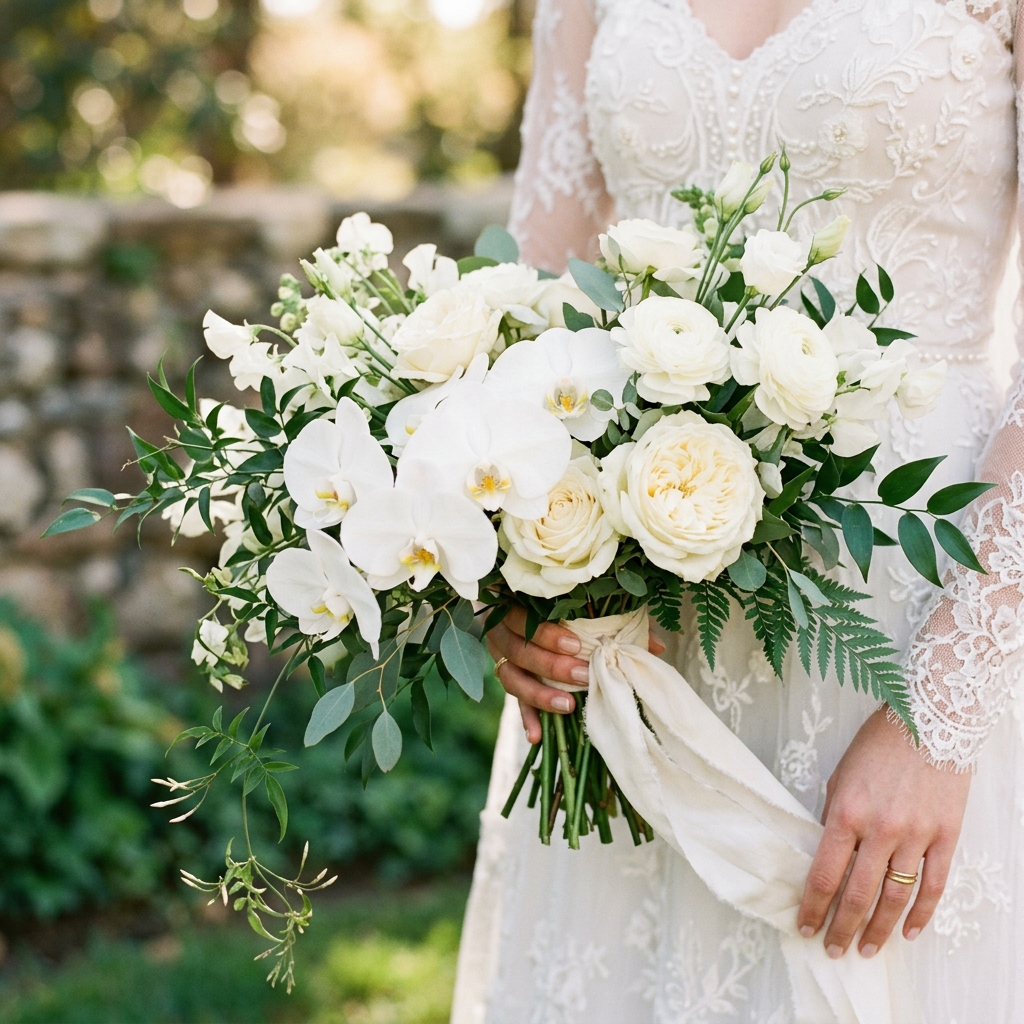
The secret to pairing anemones with other flowers is contrast. Because anemones have a relatively simple structure, they look especially striking alongside blooms with more volume, texture, or softness. Think of them as the statement piece in a floral arrangement—the bloom that catches the eye and gives the design a contemporary feel. The flowers around them should support that statement while adding richness and dimension.
When selecting companion flowers, consider color, shape, and seasonality. Soft, rounded blooms like roses and ranunculus can create a romantic contrast. Textural flowers like astilbe, scabiosa, or thistle add movement and depth. Delicate filler flowers such as waxflower or sweet pea help create an airy, garden-inspired look. For a wedding palette, pairing anemones with complementary tones can make the whole arrangement feel cohesive and intentional.
Roses are one of the most natural and beautiful partners for anemones in wedding florals. While anemones bring a crisp, modern edge, roses add softness, fullness, and timeless romance. Together, they create arrangements that feel elegant, lush, and balanced. White anemones paired with ivory or blush roses are especially popular for classic weddings, while deeper-toned roses can add drama and richness to a more moody palette.
In bridal bouquets, roses help fill the space around anemones so the arrangement feels abundant without losing structure. In centerpieces, the combination creates a refined look that works well for both intimate dinners and grand receptions. If you want a bouquet that feels polished but not overly traditional, roses and anemones are a winning pair.
Ranunculus and anemones are a dream team for spring and early summer weddings. Both blooms have a delicate, romantic quality, but their forms are different enough to create beautiful texture. Ranunculus offers layered, ruffled petals, while anemones provide a smooth, open face with a bold center. This contrast creates depth and visual interest in any arrangement.
For brides who love a soft, feminine style, white anemones with blush or peach ranunculus create a dreamy palette that feels light and romantic. If your wedding color story leans more modern, pairing anemones with buttercream or ivory ranunculus can deliver a clean, sophisticated look. This combination works especially well in hand-tied bouquets, sweetheart table arrangements, and petite ceremony pieces where every bloom can be appreciated up close.
Peonies are often considered one of the most luxurious wedding flowers, and when paired with anemones, they create a stunning mix of softness and drama. Peonies bring fullness and romance, while anemones add contrast and definition. This pairing is ideal for couples who want their flowers to feel abundant, elevated, and unforgettable.
White anemones with pale pink peonies are perfect for a romantic spring wedding, while blush anemones with deeper pink or coral peonies can create a more vibrant, joyful palette. Because peonies are so lush, they help frame the anemones beautifully in bridal bouquets and statement centerpieces. This is a combination that feels especially elegant in formal settings, but it can also soften a modern design with a touch of garden-style charm.
Garden roses are another exceptional partner for anemones, especially when the goal is to create arrangements that feel lush and romantic. Compared to standard roses, garden roses have larger blooms and more intricate petal structure, which adds a sense of abundance and luxury. When paired with anemones, they create a layered composition that feels both effortless and intentional.
This pairing is especially beautiful for wedding bouquets because it offers a strong mix of shape and texture. The bold center of the anemone stands out against the soft, ruffled petals of the garden rose, creating a bouquet that photographs beautifully from every angle. For couples planning a Southern California wedding with a romantic garden aesthetic, this is one of the most versatile and elegant floral combinations.
For couples who love a clean, contemporary look, tulips and anemones make a stunning pair. Both flowers have a graceful simplicity that lends itself to modern wedding design. Tulips introduce soft movement and height, while anemones provide a striking focal point. Together, they create arrangements that feel fresh, artistic, and refined.
This pairing is especially effective in minimalist bouquets or ceremony arrangements where the design relies on shape and line rather than sheer volume. White anemones with white or pale pink tulips can create a subtle, monochromatic palette, while black-centered anemones paired with deep plum or burgundy tulips offer a more dramatic statement. If your wedding style leans modern, editorial, or European-inspired, tulips and anemones are a beautiful choice.
Vertical flowers are wonderful companions for anemones because they add height and movement to arrangements. Delphinium, stock, snapdragons, and larkspur can help create a sense of airy elegance while allowing anemones to remain the focal point. These blooms are especially useful in larger ceremony installations, altar pieces, and tall reception centerpieces.
Delphinium brings a cool, romantic feel in shades of blue, lavender, or white. Stock adds fragrance and fullness, while snapdragons offer elegant lines and a touch of whimsy. When combined with anemones, these flowers create arrangements that feel dynamic and layered without becoming too dense. This is a great strategy for couples who want their florals to feel organic and garden-like, with plenty of visual movement.
Sometimes the most beautiful floral combinations come from the smallest details. Filler flowers are essential when pairing anemones with other blooms because they help soften transitions, add texture, and fill negative space. Waxflower, sweet pea, astilbe, feverfew, and chamomile are all lovely options depending on the season and overall style of the wedding.
Waxflower and anemones create a delicate, whimsical effect that works well in rustic or outdoor weddings. Sweet pea adds a romantic, fragrant touch that feels especially lovely in spring. Astilbe brings feathery texture, while chamomile or feverfew can create a fresh, meadow-inspired look. These supporting blooms don’t compete with anemones—they enhance them, making the overall design feel more natural and complete.
Color is one of the most important considerations when styling anemones with other flowers. White anemones are the most versatile and can be paired with nearly any palette, from soft pastels to bold jewel tones. Their dark centers create contrast that helps them stand out even in a busy arrangement. If you want a romantic look, pair white anemones with blush, ivory, and pale peach blooms. For a more dramatic wedding design, combine them with burgundy, plum, or deep red flowers.
Blush or colored anemones can also be used to create a softer, more tonal arrangement. Pairing them with roses, ranunculus, or garden roses in similar shades creates a dreamy monochromatic effect. If your wedding theme includes natural greens and neutrals, anemones look beautiful alongside dusty eucalyptus, olive branches, and creamy blooms. The key is to create balance so the anemones remain visible and distinctive within the arrangement.
Anemones can be styled in almost every part of a wedding floral design, and their pairings should be chosen based on the purpose of the arrangement. In bridal bouquets, they work beautifully with roses, ranunculus, and garden roses for a romantic and photogenic result. In bridesmaid bouquets, they pair well with simpler flowers like tulips or stock for a more streamlined look. For ceremony arches and altar arrangements, anemones can be mixed with larger blooms and greenery to create a dramatic focal point.
Reception centerpieces often benefit from a mix of anemones and textural flowers, especially when the table setting is meant to feel elegant but approachable. For boutonnieres and petite floral accents, anemones can stand alone or be paired with a single complementary bloom for a polished touch. No matter where they appear, anemones bring a sense of refinement that elevates the entire event.
When designing with anemones, choose companion blooms that offer contrast in shape and texture rather than matching them too closely. The most stunning arrangements usually combine soft, full flowers with airy accents so the anemones can stay the star of the design.
The best wedding florals do more than look beautiful—they reflect your style, your venue, and the feeling you want to create on your wedding day. Anemones are such a powerful flower because they can adapt to so many different design directions. Whether you pair them with roses for classic romance, ranunculus for softness, peonies for luxury, or tulips for a modern edge, they bring a sense of artistry to every arrangement.
At Flowers El Ranchito, we believe pairing flowers is an art form. The right combinations can turn a bouquet into a signature statement and a ceremony installation into an unforgettable backdrop. If you’re planning a wedding in Southern California and love the look of anemones, let us help you create floral pairings that feel fresh, elegant, and completely yours. With thoughtful design and the right supporting blooms, anemones can become the heart of a wedding flower story that you’ll remember forever.
Direct answers regarding flower delivery, custom ordering, and arrangements in the San Fernando Valley.
We suggest booking your wedding consultation 2 to 6 months prior to your date. However, our direct grower farm access allows us to accommodate rush and short-notice weddings when availability permits.
Yes, Flowers El Ranchito handles on-site delivery, ceremony arch floral installation, aisle styling, and reception table centerpiece placement at any Mission Hills & San Fernando Valley venue.
Yes, we source directly from premium California flower farms, ensuring maximum petal firmness, vibrant color, and extended vase life for your special day.
Planning an event or looking for fresh bouquets? Tell us your vision and our Mission Hills floral designers will contact you with options & pricing.