Masterclass in Luxury Event Florals for Galas, Soirées, and Private Estates
Flowers El Ranchito Expert Advice
Masterclass in Luxury Event Florals for Galas, Soirées, and Private Estates
Luxury event florals are far more than decorative accents. For galas, soirées, and private estates, they are an essential design language that shapes first impressions, directs movement, amplifies brand identity, and transforms an environment into an unforgettable experience. In the world of high-end entertaining, florals must do more than look beautiful in photographs. They must feel intentional in the room, harmonize with architecture, elevate guest perception, and sustain visual impact throughout the entire event.
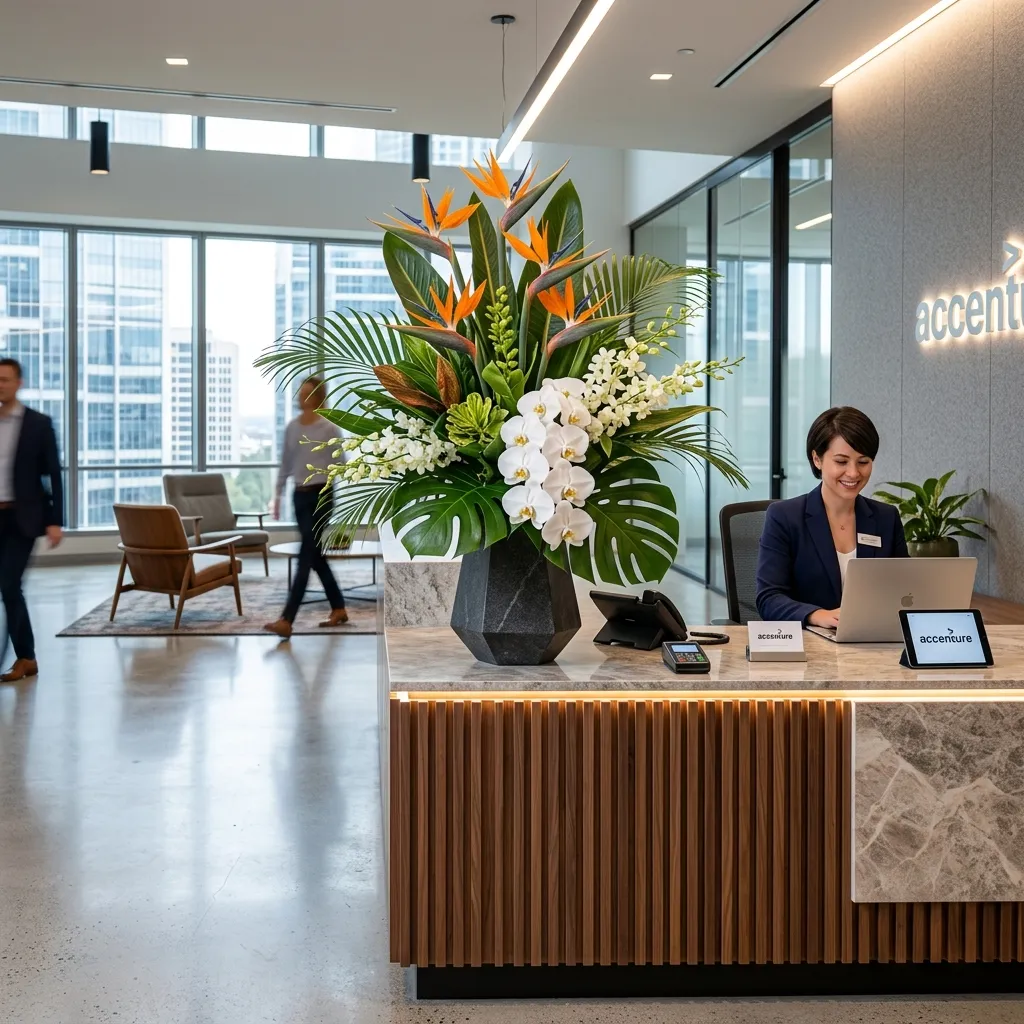
This masterclass explores the complete strategy behind luxury event floral design, from concept development and floral selection to scale, installation, logistics, and guest experience. Whether the setting is a black-tie gala in a grand ballroom, an intimate soirée on a city terrace, or a private estate celebration surrounded by gardens and art, the principles of exceptional floristry remain rooted in storytelling, craftsmanship, and precision.
At Flowers El Ranchito, luxury event florals are approached as immersive design experiences. Every stem, vessel, texture, and line of sight is chosen to support the atmosphere the client wants to create. When done well, florals do not merely decorate the event; they become the emotional architecture of the occasion.
The Role of Florals in Luxury Event Design
In luxury settings, floral design serves several critical functions at once. It contributes beauty, yes, but it also establishes tone, communicates exclusivity, and creates a sense of intentional abundance. A single floral scheme can signal modern elegance, romantic opulence, artful restraint, or dramatic theatricality. The most successful luxury floral concepts are never generic. They are composed like couture: tailored to the venue, the audience, the season, and the occasion.
For galas, florals often help reinforce a brand message or philanthropic mission. For soirées, they may create intimacy, conversational flow, and a sense of curated glamour. For private estates, the floral experience often becomes deeply personal, reflecting the hosts’ lifestyle, collections, garden preferences, and entertainment style. In all cases, the design should feel inevitable, as though the room was always meant to look that way.
Why luxury florals differ from standard event florals
Luxury event florals are defined by restraint, proportion, precision, and quality. They often use premium blooms with exceptional form, color depth, and longevity. They are designed with more attention to negative space, layering, and sight lines. They also require technical expertise in mechanics, installation, and environmental control. A luxury floral program considers not only how arrangements look at the moment of reveal, but how they age over several hours under lighting, temperature shifts, and guest interaction.
Beginning with the Event Narrative
Every high-end floral design should begin with a narrative. The story may stem from the host’s personal aesthetic, the event’s purpose, the venue’s architecture, or a desired emotional tone. This narrative informs every design decision, from color palette to vessel selection to the scale of installations.
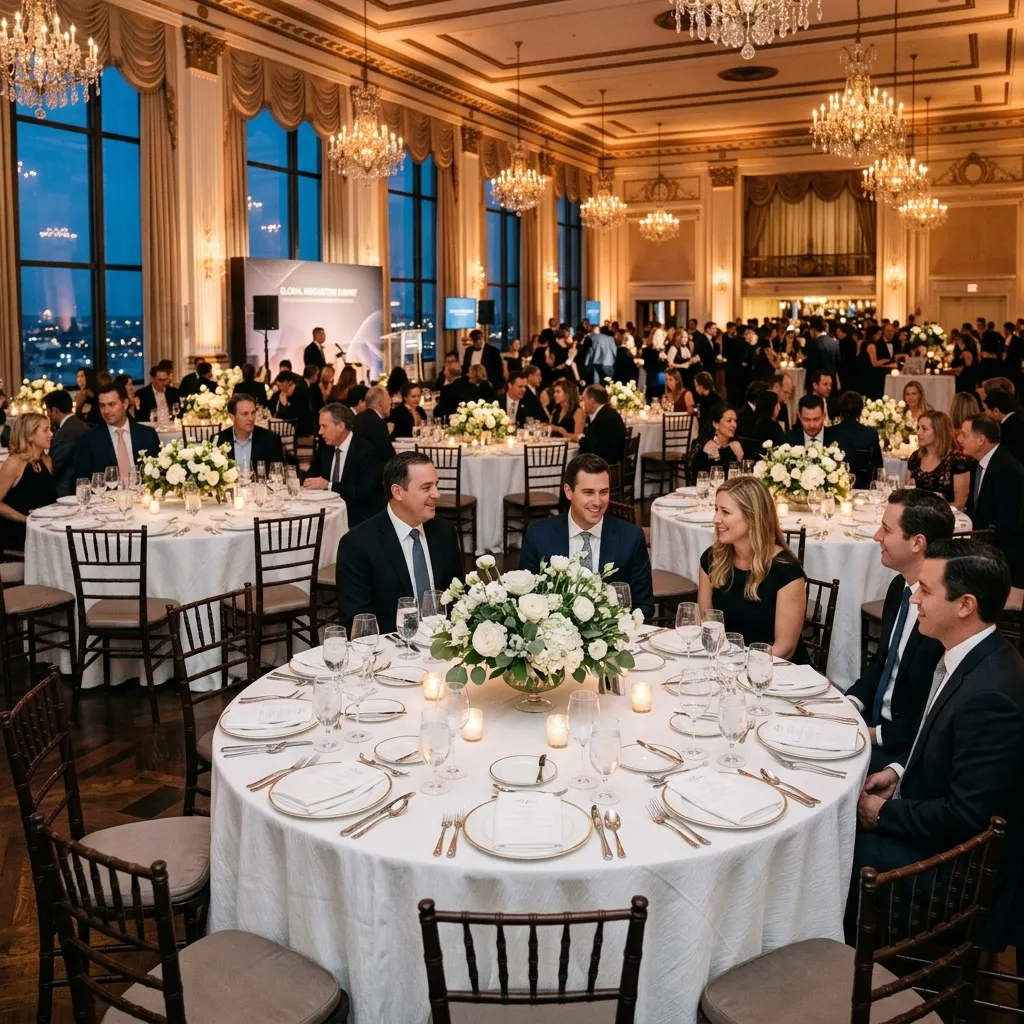
For example, a charity gala celebrating contemporary art may call for sculptural florals with striking silhouettes, unexpected botanical choices, and a restrained palette that lets the venue and event branding speak clearly. A garden soirée for a milestone birthday may inspire abundant, layered florals that appear collected, romantic, and organically luxurious. A private estate wedding anniversary dinner could prioritize seasonal garden blooms, candlelight, and arrangements that echo the surrounding landscape for a seamless indoor-outdoor feel.
Questions that shape the floral story
- What emotion should guests feel upon arrival?
- What is the visual relationship between florals, lighting, furniture, and linen?
- Is the design meant to be dramatic, intimate, minimalist, or lush?
- Should the florals complement or contrast the venue’s existing character?
- Are there brand colors, family traditions, or symbolic flowers that should be incorporated?
These questions help establish a design framework that ensures the florals are not isolated decorative pieces, but rather an integrated part of the overall event story.
Designing for Galas: Scale, Impact, and Ceremony
Galas demand visual authority. These events often involve formal entry sequences, cocktail receptions, seated dinners, award presentations, auctions, and after-parties. Florals must work in multiple zones and maintain impact across long event timelines. The design challenge is to create grandeur without clutter and sophistication without excess.
At gala events, scale is essential. Large-scale installations can anchor the room, define focal points, and enhance the sense of occasion. However, scale must always be balanced with sight-line functionality. Guests need to see the stage, converse across tables, and navigate the venue comfortably. The best gala florals feel immersive but not obstructive.
Key gala floral applications
- Entrance moments: Statement arrangements, floral arches, suspended installations, or branded botanical moments that create an immediate sense of prestige.
- Stage and podium design: Florals that frame speakers or performers without interfering with visibility or sound equipment.
- Dining tables: Centerpieces that feel elegant, proportionate, and consistent with guest sight lines.
- Photo backdrops: Florals that support social media visibility, sponsor recognition, and editorial-worthy imagery.
- Bar and lounge styling: Smaller compositions that extend the floral language into guest interaction areas.
For galas, luxury often lies in cohesion. The floral design should feel as though it has been choreographed across the venue. Repetition of select materials, vessels, or botanical motifs creates a polished, high-end experience that feels purposeful and controlled.
Designing for Soirées: Intimacy with Refined Drama
Soirées are typically more intimate than galas, but they still require elevated design. These events thrive on atmosphere, detail, and a sense of cultivated ease. Floral arrangements for soirées should enhance conversation, movement, and mood while keeping the environment relaxed and elegant.
Unlike the large-scale formality of a gala, a soirée often calls for florals that feel closer, softer, and more personal. Guests may be seated in smaller groups, moving between indoor and outdoor spaces, or enjoying a multi-course dining experience with layered entertainment. Florals in this setting should create a sense of discovery. Each table, bar, salon, or terrace may present a slightly different expression of the same overall design story.
Design traits that suit soirées
- More nuanced palettes with depth and tonal variation
- Mixes of garden-style abundance and architectural structure
- Lower centerpieces that encourage conversation
- Occasional dramatic focal pieces for entry points or dessert displays
- Greater use of candlelight and reflective surfaces
For soirées, the most effective luxury florals often appear effortless. They may include garden roses, ranunculus, orchids, hellebores, sweet peas, tulips, or seasonal foliage arranged with an editorial eye. The goal is not to overwhelm, but to seduce the senses with quiet opulence.
Designing for Private Estates: Personalization and Environmental Harmony
Private estate events offer a rare opportunity to integrate florals into a living landscape. The setting may include gardens, terraces, courtyards, pools, conservatories, colonnades, or grand interiors. Because the venue itself is often highly expressive, floral design should respect the property’s character while adding tailored refinement.
Estate events frequently involve multiple environments, each with different lighting conditions, architectural details, and guest flows. A thoughtful floral plan treats the estate as a sequence of experiences rather than a single backdrop. The arrivals area, ceremony lawn, dinner pavilion, cocktail terrace, and after-dinner lounge may each carry distinct floral treatments while remaining visually connected.
What makes estate florals unique
- Integration with natural surroundings and landscaping
- More freedom for organic forms and asymmetrical compositions
- Potential for dramatic floral pathways, arbor installations, or garden-inspired tablescapes
- Opportunities to echo the host’s home architecture and interior style
- Need for weather-aware and terrain-aware installation planning
Because private estates often allow for highly customized design, luxury florals can be especially expressive here. A floral concept may draw from the estate’s rose garden, reflect the color of the stonework, or mirror the tones found in antique furnishings and artwork. This degree of personalization is one of the hallmarks of truly high-end event design.
Choosing the Right Flowers for Luxury Events
Not all flowers communicate luxury in the same way. The best floral selections for high-end events are chosen not only for beauty but for form, rarity, texture, longevity, and compatibility with the design concept. Premium flowers often have unique petal structure, rich color saturation, or sculptural presence that reads beautifully both in person and in photographs.
Popular luxury blooms may include garden roses, peonies, orchids, ranunculus, anemones, tulips, hydrangea, calla lilies, sweet peas, dahlias, phalaenopsis orchids, cymbidium orchids, and specialty seasonal blossoms. Foliage and textural elements such as privet berry, smilax, olive, viburnum, fern, or clematis vines may be used to add dimension and movement.
Criteria for selecting luxury blooms
- Visual quality: Bloom shape, petal integrity, and color richness
- Seasonality: Using flowers at their natural peak for better condition and value
- Longevity: Suitability for the event duration and climate
- Scale: Whether the bloom reads appropriately in the intended installation
- Texture balance: Soft, structured, airy, and dimensional elements working together
Luxury florals often rely on a nuanced mix of high-impact focal flowers and supporting materials. The most expensive bloom is not always the most effective choice. What matters is the overall composition and whether the selected flowers create emotional richness and visual clarity.
Color Theory for High-End Floral Design
Color is one of the most powerful tools in event floristry. It shapes mood, defines elegance, and can unify the floral design with linens, stationery, lighting, artwork, and wardrobe. Luxury palettes are usually more sophisticated than simple single-color themes. They often involve tonal layering, muted accents, and deliberate contrasts that add dimension without chaos.
For galas, jewel tones, monochromatic whites, or dramatic dark palettes may create a striking effect. Soirées may benefit from softer tonal blends such as blush, ivory, apricot, taupe, moss, and champagne. Private estates often invite more organic palettes that complement the property, such as verdant greens, garden whites, lavender, dusty rose, or sunset-inspired combinations.
Luxury palette strategies
- Tonal layering: Using multiple shades within one color family to create depth and richness
- Complementary contrast: Pairing opposite hues carefully to create sophistication rather than visual noise
- Neutral grounding: Balancing stronger colors with ivory, cream, green, or brown tones
- Metallic accents: Integrating gold, silver, bronze, or mirrored surfaces through vessels and decor
- Seasonal alignment: Choosing colors that feel naturally connected to the time of year
Color should never be selected in isolation. It must always relate to the space, lighting, and desired guest experience. A palette that looks beautiful in daylight may feel different under candlelight or uplighting, so luxury design requires testing and visualization at the actual venue whenever possible.
Vessels, Mechanics, and Presentation
The vessel is not just a container. In luxury event florals, it is an integral design element that influences style, scale, and perceived quality. Whether the choice is a custom pedestal, antique urn, handblown glass bowl, metallic compote, or minimalist ceramic form, the vessel should feel aligned with the event narrative.
Mechanics are equally important, though they should remain invisible to guests. Premium floristry depends on technical precision: proper hydration, secure structures, balanced weight distribution, and appropriate support for large installations. A flawless finish requires thoughtful engineering behind the scenes.
Popular vessel styles for luxury events
- Classical urns and pedestals for formal gala settings
- Low compotes for conversation-friendly dinner tables
- Clear glass containers for modern, airy presentations
- Mirrored or metallic vessels for glamour-forward aesthetics
- Natural materials like stone, wood, or ceramic for estate and garden-inspired events
Presentation matters at every level. Even the most beautiful flowers can lose impact if the mechanics are visible or the vessel feels disconnected from the rest of the design. Luxury florals depend on impeccable finishing, including clean stems, precise water lines, concealed structure, and seamless integration with table design.
Large-Scale Installations and Floral Architecture
One of the most powerful aspects of luxury event florals is the ability to create floral architecture. These are not just arrangements placed in a room; they are spatial experiences. Suspended florals, floral canopies, entry tunnels, staircase installations, hanging compositions, garden walls, and immersive ceiling treatments all add visual drama and movement to an event.
Large-scale installations are especially effective when the venue has high ceilings, open sight lines, or dramatic architectural features. They can transform a ballroom into a destination, turn a terrace into a fantasy setting, or bring a private estate ceremony into cinematic focus.
Types of floral installations in luxury events
- Suspended installations: Floral clouds, chandeliers, or hanging gardens that draw the eye upward
- Entrance arches and portals: Immersive greetings that set the tone immediately
- Table canopy elements: Overhead florals that create intimacy over dining areas
- Staircase florals: Cascades and garlands that accent movement and grandeur
- Wall and hedge treatments: Large-scale floral backdrops for branding or photography
These installations require extensive planning, venue coordination, and technical expertise. Weight limitations, anchoring points, fire codes, access times, and installation sequencing all affect feasibility. Luxury clients expect not just beauty, but confidence and professionalism in execution.
Table Design: The Heart of the Guest Experience
While installations create spectacle, table florals create intimacy. Guests spend the majority of their event seated or gathered around tables, which makes tabletop design one of the most important components of luxury event floristry. Table florals must support conversation, complement place settings, and feel consistent with the broader event story.
Table centerpieces can range from low, lush garden designs to taller, more sculptural arrangements depending on the event format. The key is to align them with function. A gala dinner may require elevated forms that make a statement yet preserve visibility. A private dinner soirée may favor low, romantic compositions with candle clusters and textured linens. Estate dining may combine both to create a layered, collected feel.
Elements of a high-end tablescape
- Floral centerpieces with appropriate scale and balance
- Candles in varying heights for warmth and depth
- Elegant linens and napery that support the color story
- Chargers, glassware, and flatware selected for visual harmony
- Place cards or menus that echo the floral palette and event branding
Luxury table design is successful when every element feels considered. Florals should not compete with the table design; they should complete it. The best tablescapes invite guests to lean in, stay longer, and feel immersed in the experience.
Lighting, Photography, and Floral Perception
Florals exist in partnership with light. The same arrangement can appear soft and romantic in warm candlelight, crisp and elegant in daylight, or highly sculptural under theatrical uplighting. Luxury event design must consider how florals will be viewed not only in person, but also through the camera lens.
For galas and soirées, photography is often a key priority. Sponsors, hosts, and guests may share images across social platforms or use them for publication and marketing. Floral design should therefore maintain impact from multiple angles and under different lighting conditions. Textures, color values, and bloom shapes should be selected with both editorial beauty and event ambiance in mind.
Lighting considerations for luxury florals
- Warm light enhances romantic palettes and soft petals
- Cool light can sharpen modern arrangements and white florals
- Candlelight adds movement and glow but may flatten color depth
- Uplighting can intensify drama in large installations
- Natural light reveals true color and requires careful placement to avoid harsh contrast
An experienced floral designer evaluates how the arrangements will read at arrival, during dinner, during speeches, and in after-dark photographs. A truly luxury-forward design remains compelling in every phase of the event.
Seasonality and Sourcing for Premium Results
Seasonality plays a major role in the quality and sophistication of event florals. While many flowers are available year-round, the finest results often come from working with blooms that are naturally in season or sourced from trusted growers with exceptional standards. Seasonal flowers tend to be fresher, more beautiful, and more cost-effective than out-of-season alternatives that may not perform as well.
Luxury floral sourcing may also involve specialty import blooms, locally grown premium stems, or hard-to-find varieties selected for a highly specific design concept. The sourcing strategy should always balance visual ambition with realistic performance requirements, especially for large events or outdoor estate settings.
Benefits of seasonal sourcing
- Better bloom quality and freshness
- Improved longevity during the event
- More natural-looking compositions
- Enhanced sustainability and often better value
- Greater ease of matching the floral palette to the season
Seasonal awareness also helps the design feel authentic. A winter gala with velvety whites and evergreens has a different emotional resonance than a spring soirée filled with airy blossoms and fresh green foliage. Seasonal intelligence is one of the marks of a master floral designer.
Logistics, Timeline, and Event Execution
Luxury event florals require meticulous logistical planning. The visual concept is only as strong as the execution behind it. For large events, the floral team must coordinate with planners, venue managers, lighting designers, caterers, production crews, and security personnel. Delivery windows, load-in routes, access restrictions, and installation schedules all influence the final result.
High-end floral production often begins days or even weeks before the event, depending on scale. Flowers may need to be conditioned, sorted, cut, hydrated, and staged for specific placements. Installations may require lifts, ladders, scaffolding, or specialized support structures. For private estates, crews may also need to protect landscaping, surfaces, and interior finishes during the installation process.
Essential execution steps
- Venue walkthrough and measurements
- Design presentation and approval
- Flower ordering and source confirmation
- Production schedule and team assignment
- Load-in, installation, and final styling
- Post-event breakdown and care coordination
The smoother the logistics, the more polished the guest-facing experience. Luxury clients rely on their floral team to manage complexity invisibly, ensuring the final reveal feels effortless and refined.
Sustainability in Luxury Event Florals
Modern luxury increasingly includes responsibility. Sustainable floral design does not mean sacrificing beauty. It means making informed decisions about sourcing, reuse, waste reduction, and materials management while preserving a high level of design quality. For luxury events, sustainability can be integrated elegantly and discreetly.
Approaches may include choosing seasonal flowers, prioritizing local growers when possible, repurposing ceremony florals for reception spaces, using reusable mechanics, donating viable flowers after the event, and minimizing single-use plastics. Many clients also appreciate floral concepts that feel lush and premium without unnecessary excess.
Elegant sustainability strategies
- Repurpose aisle florals into dinner or lounge settings
- Use reusable vessels and structures wherever feasible
- Source specialty flowers from responsible growers
- Design with longevity to reduce waste during the event
- Plan post-event flower donation or reuse programs
Sustainability enhances luxury when it is executed with care. A thoughtful, environmentally conscious floral plan can still feel opulent, tailored, and highly polished.
Common Mistakes in Luxury Event Florals
Even the most beautiful flowers can fail to deliver the intended effect if the design lacks discipline. Common mistakes in luxury event florals usually involve scale, color balance, poor sight-line management, or insufficient coordination with the venue and production teams.
Frequent pitfalls to avoid
- Overcrowding tables so guests cannot converse comfortably
- Using too many disparate flower types without a clear hierarchy
- Ignoring venue architecture and creating floral work that feels disconnected
- Choosing blooms that are visually beautiful but impractical for the event duration
- Underestimating installation time, transport needs, or weather conditions
- Failing to account for photography angles and lighting changes
Luxury design is not about adding more. It is about editing carefully and making each element work at a high level. When floral designers approach events with discipline and clarity, the result feels elevated rather than merely abundant.
How to Work with a Luxury Floral Designer
Clients planning galas, soirées, or private estate events benefit most from collaborating early with an experienced floral designer. The earlier the design process begins, the more fully the florals can be integrated into the broader event vision. This is particularly important for custom installations, rare blooms, or venues with complex access requirements.
A strong designer will ask detailed questions about the event purpose, guest profile, venue, branding, and desired mood. They will also help translate abstract ideas into practical floral solutions. The collaboration should feel both creative and strategic.
What to bring to the design consultation
- Venue details and floor plans if available
- Inspiration images that reflect mood, not just flower types
- Palette preferences and any brand or family colors
- Guest count and event flow information
- Budget parameters and priority areas
- Notes on dietary service timing, speeches, performances, or other production elements
Luxury floral design thrives on collaboration. The more clearly a client communicates the event’s purpose and aesthetic, the more precisely the floral designer can deliver a cohesive and memorable result.
Final Thoughts: Florals as the Signature of the Occasion
Masterclass-level luxury event florals are never accidental. They arise from a deep understanding of design principles, flower behavior, venue dynamics, and guest experience. For galas, they provide grandeur, polish, and structure. For soirées, they create atmosphere, intimacy, and tactile beauty. For private estates, they bridge the elegance of the home with the artistry of the celebration.
The most memorable floral experiences do not simply fill a space. They define it. They shape how guests move, where they pause, what they photograph, and how they remember the evening long after it ends. In that sense, luxury event florals are not an accessory to celebration. They are the language through which celebration becomes extraordinary.
At Flowers El Ranchito, luxury event florals are designed to feel refined, immersive, and unmistakably personal. From the first concept conversation to the final petal placement, every detail matters. When executed with artistry and care, florals become the signature that transforms a gala into a statement, a soirée into an experience, and a private estate into a world of its own.
Frequently Asked Questions
Direct answers regarding flower delivery, custom ordering, and arrangements in the San Fernando Valley.
What makes luxury event florals different from standard event arrangements? ▾
Luxury florals are designed as part of the guest experience, not as standalone decor. They account for scale, sightlines, scent, lighting, architecture, and the emotional tone of the event, with premium materials and meticulous installation standards.
How far in advance should florals be planned for a gala or private estate event? ▾
For high-end events, planning should begin as early as possible—ideally 8 to 16 weeks in advance, and even earlier for large estates or custom installations. This allows time for sourcing specialty blooms, vessel fabrication, mockups, and coordination with planners and venue teams.
How do you keep large floral designs elegant instead of overwhelming? ▾
The key is disciplined editing: limit the palette, repeat shapes intentionally, balance height and negative space, and design around the room’s architecture. True luxury often comes from what is left out, not what is added.
Request a Custom Order or Quote
Planning an event or looking for fresh bouquets? Tell us your vision and our Mission Hills floral designers will contact you with options & pricing.