When words feel too small for grief, flowers speak in a language that has comforted people for centuries. Among the most tender and meaningful blooms, lilac holds a special place in sympathy arrangements. Its soft fragrance, gentle color, and timeless elegance make it a flower that feels both deeply personal and universally comforting. In this article, we explore the history and origins of lilac for sympathy, tracing how this beloved bloom came to symbolize remembrance, renewal, and quiet support.
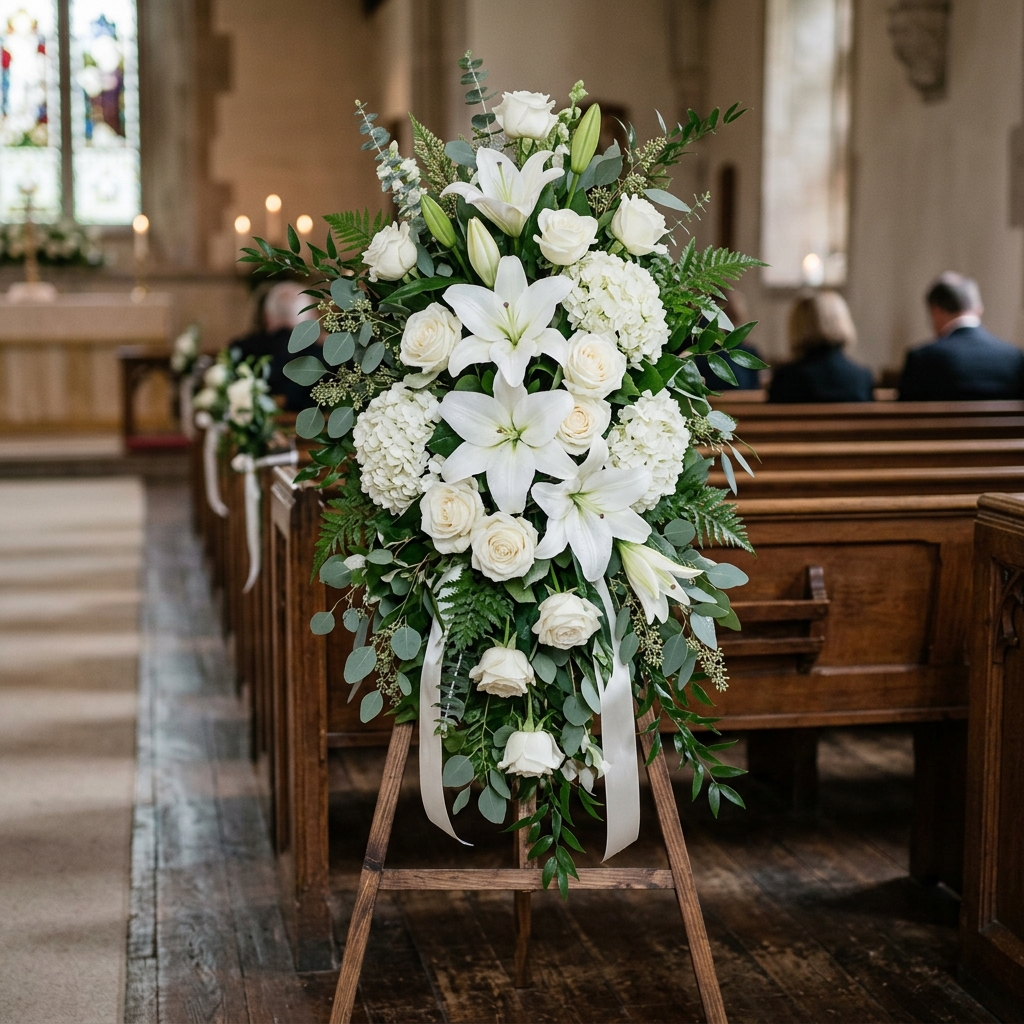
At Flowers El Ranchito, we know that sympathy flowers are never just decorative. They are messages of love, honor, and presence. Lilac, in particular, carries a history that enriches its meaning in moments of loss. Understanding where lilac comes from and how it has been used throughout history can help you choose arrangements that feel thoughtful, heartfelt, and appropriate for memorial services, funerals, and expressions of condolence.
Lilac belongs to the genus Syringa, a plant group native to parts of Europe and Asia. Its roots stretch back centuries, with wild lilac species growing in regions such as the Balkans, the Himalayas, and Eastern Asia. The name “lilac” itself is believed to have traveled through Persian and Arabic influences before entering European languages, reflecting the flower’s long journey across cultures and continents.
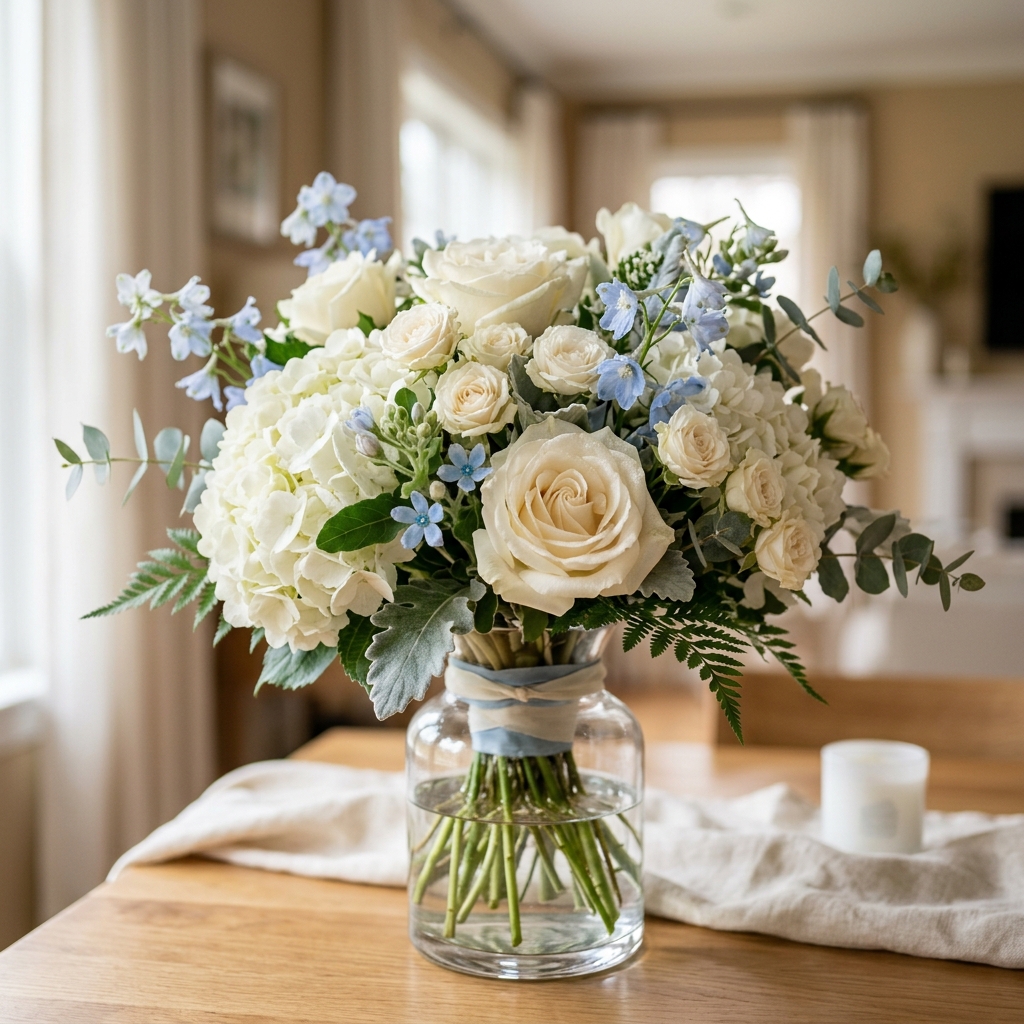
Historically, lilac was prized not only for its beauty but also for its scent. In ancient gardens, flowering shrubs were often cultivated near homes, temples, and gathering places because fragrance was thought to elevate the spirit and calm the mind. That calming presence is one reason lilac remains so fitting for sympathy today. Its scent is soft rather than overpowering, creating a peaceful atmosphere that feels appropriate in times of reflection and remembrance.
As lilac spread through Europe, it became a beloved ornamental plant in monastery gardens and noble estates. Its spring bloom signaled renewal after winter, making it a natural emblem of hope. Over time, that association with rebirth and the return of life helped lilac take on deeper symbolic meaning. In sympathy settings, this history matters because it connects grief with the enduring cycle of memory, love, and healing.
Flowers have always carried symbolic meaning, and lilac is no exception. In Victorian flower language, lilac often represented youthful innocence, first love, and remembrance. While those meanings may seem different from sympathy at first glance, they reveal something important: lilac has long been associated with tender emotion and the preciousness of time. When used in memorial flowers, lilac honors a life that is cherished and remembered with affection.
In many cultures, purple and lavender tones are tied to dignity, spirituality, and reverence. These qualities make lilac especially meaningful for sympathy arrangements. The flower’s delicate color can suggest grace and serenity, offering a visual expression of peace. Whether placed in a casket spray, funeral bouquet, standing wreath, or sympathy vase arrangement, lilac brings a sense of calm that helps soften the heaviness of loss.
Another reason lilac resonates in memorial settings is its seasonal symbolism. Lilacs bloom in spring, a season that represents renewal, hope, and the continuation of life. For families grieving a loved one, spring flowers can serve as a gentle reminder that love does not end with loss. Instead, it transforms into memory, legacy, and the quiet comfort of shared stories.
Sympathy flowers have always been chosen with care, and lilac rose to prominence because it offers several layers of meaning at once. Its fragrance evokes comfort. Its color suggests dignity. Its historical associations point to remembrance and renewal. Together, these qualities make lilac a powerful flower for expressing condolences without saying too much.
In funeral traditions, flowers help create a sacred and soothing environment. Lilac’s soft petals and graceful clusters bring texture and movement to arrangements, while its gentle presence does not overwhelm the senses. This balance is especially important in sympathy design, where flowers should feel respectful, elegant, and calming.
For many families, lilac also carries a sense of familiarity. It is a flower that may remind someone of a grandmother’s garden, a springtime memory, or a cherished home. That personal connection can make sympathy arrangements feel more intimate and meaningful. When flowers evoke a memory, they do more than decorate a service; they honor a life in a deeply human way.
Across the world, flowers are used to mark life’s most important moments, and lilac has appeared in both celebratory and solemn contexts. In some European traditions, lilac was planted near homes as a symbol of protection and harmony. In others, the flower’s fragrance and bloom cycle made it a sign of spiritual reflection. These associations helped lilac become a flower that could speak to both joy and sorrow.
In Eastern traditions, flowering shrubs and blossoms are often connected to the impermanence of life. This idea aligns closely with the use of sympathy flowers, which acknowledge the beauty of a life lived while recognizing the sadness of its passing. Lilac’s brief but abundant bloom mirrors that truth: it is fleeting, yet unforgettable.
Today, lilac is appreciated across many communities for its understated elegance. It can be used in religious services, non-denominational memorials, graveside tributes, and celebration-of-life gatherings. Its versatility makes it a thoughtful choice when you want a flower that feels meaningful without being overly formal or dramatic.
Color plays a major role in floral symbolism, and lilac’s palette is especially suited to sympathy work. Soft lavender and pale purple tones suggest peace, compassion, and spiritual comfort. Deeper purple shades can convey dignity, respect, and admiration. When these colors appear in sympathy arrangements, they create a gentle visual message that supports the emotional tone of a memorial.
Lavender hues can also help balance other traditional sympathy flowers such as white roses, lilies, chrysanthemums, and carnations. Together, these blooms create arrangements that feel layered and harmonious. Lilac can be used as a focal flower or as an accent, depending on the style of the tribute. Either way, its color adds depth while maintaining a serene and respectful appearance.
For families seeking a modern yet timeless arrangement, lilac offers a beautiful alternative to more common sympathy flowers. It feels fresh and distinctive, yet it still carries the quiet dignity expected in funeral and condolence designs. That combination of uniqueness and tradition is part of what makes lilac so special.
When selecting sympathy flowers, pair lilac with white blooms for a classic look, or combine it with soft greens and pale pinks for a more personal, garden-inspired tribute.
Professional florists often use lilac to add softness, fragrance, and texture to sympathy arrangements. Because lilac blooms in clustered sprays, it creates a natural, abundant look that feels full without appearing heavy. This makes it ideal for arrangements that need to convey warmth and comfort while maintaining elegance.
In casket sprays, lilac can be used to create graceful movement across the design. In standing sprays and wreaths, it adds a gentle touch of color that draws the eye without dominating the arrangement. In sympathy bouquets delivered to the home, lilac offers a comforting fragrance that can bring a small measure of peace to a grieving family.
Florists also appreciate lilac because it pairs beautifully with seasonal flowers. White roses, hydrangeas, stock, calla lilies, and orchids all complement lilac’s refined look. Whether the design is traditional, contemporary, or garden-style, lilac can help create an arrangement that feels authentic and emotionally resonant.
One of the most powerful reasons lilac works so well in sympathy arrangements is its connection to memory. The flower’s fragrance is often described as nostalgic, capable of bringing back vivid recollections of spring days, family gardens, and cherished moments. In grief, memory becomes a source of comfort, and flowers that awaken memory can provide real emotional support.
Lilac also symbolizes healing in a quiet, gentle way. Its bloom arrives after winter, suggesting that even after periods of darkness, beauty can return. This does not erase sorrow, but it offers a hopeful perspective. In sympathy settings, that message can be deeply reassuring: grief is real, but love remains, and healing can unfold slowly over time.
Because of these qualities, lilac is often chosen for tributes that aim to feel both reverent and uplifting. It honors the sadness of loss while also reflecting the beauty of a life remembered. That balance makes it one of the most meaningful flowers you can send or display during a time of mourning.
Modern sympathy flowers are often selected with both tradition and personal meaning in mind. Lilac fits beautifully into this approach because it brings together a rich history, elegant appearance, and heartfelt symbolism. Whether you are sending flowers to a service, a funeral home, a church, or a family residence, lilac can help express compassion in a graceful and sincere way.
If the person being honored loved gardens, springtime, soft colors, or fragrant blooms, lilac may be especially appropriate. It can also be a thoughtful choice when you want a sympathy arrangement that feels distinct from more common options while still remaining classic and respectful. For many families, that subtle individuality makes the tribute feel even more personal.
At Flowers El Ranchito, we believe sympathy flowers should reflect both the person who has passed and the love of those who remain. Lilac does exactly that. Its history gives it depth, its beauty gives it presence, and its symbolism gives it meaning. When chosen with care, lilac becomes more than a flower; it becomes a gentle expression of remembrance.
The history and origins of lilac reveal why this flower continues to hold such a special place in sympathy arrangements. From its ancient roots in Europe and Asia to its enduring symbolism of renewal, memory, and dignity, lilac carries a message that is both timeless and comforting. It reminds us that even in grief, there can be beauty. Even in loss, there can be love. And even in silence, flowers can speak with remarkable tenderness.
When you choose lilac for sympathy, you are choosing a bloom with a story. That story adds depth to your tribute and helps create a meaningful expression of support for those who are mourning. Soft, fragrant, and full of grace, lilac remains one of the most heartfelt flowers for honoring a life well loved.
Direct answers regarding flower delivery, custom ordering, and arrangements in the San Fernando Valley.
Yes, Flowers El Ranchito provides direct, coordinated delivery of standing sprays, casket blankets, and sympathy baskets to all funeral homes, churches, and memorial parks in Mission Hills & San Fernando Valley and across the San Fernando Valley.
Orders confirmed by 2:00 PM PST qualify for prompt same-day delivery. For morning viewings and chapel services, we recommend ordering 24 hours prior to guarantee on-time setup.
Yes, all memorial tributes include custom ribbon sash lettering, personalized card messages, and your choice of California-grown white lilies, roses, carnations, and orchids.
Planning an event or looking for fresh bouquets? Tell us your vision and our Mission Hills floral designers will contact you with options & pricing.