Few flowers capture wedding-day romance quite like anemones. With their velvety petals, striking dark centers, and airy, modern elegance, anemones have become a favorite for couples who want a design that feels both timeless and fresh. If you are planning a celebration in Southern California and want to create your own floral arrangements, anemones are a beautiful choice for DIY wedding flowers. Their dramatic look makes even simple arrangements feel elevated, and with the right preparation, they can shine in bridal bouquets, centerpieces, boutonnieres, and ceremony accents.
Anemones stand out because they offer contrast. The signature black or deep navy center creates a bold focal point, while the delicate petals add softness and movement. This balance makes them especially versatile for wedding design. Whether your style is coastal and breezy, garden-inspired, minimalist, or romantic and classic, anemones can adapt beautifully.
For DIY brides and grooms, anemones are also appealing because they make a statement without requiring a large number of blooms. A few stems can instantly transform a bouquet or centerpiece. They pair well with roses, ranunculus, tulips, sweet peas, eucalyptus, olive branches, and seasonal greenery, giving you endless options for custom wedding arrangements.
Another reason couples love anemones is their visual impact in photos. Their clean lines and dramatic centers photograph beautifully, especially in natural light. If you are planning a Southern California wedding with outdoor ceremonies, garden receptions, or beachside vows, anemones can bring a modern, editorial feel to your floral story.
Before you begin arranging, think carefully about color. Anemones come in several shades, including white, blush, red, purple, and deep burgundy. White anemones are the most popular for weddings because they blend seamlessly with almost any palette and feel elegant in both classic and contemporary designs. Blush and soft pink varieties create a romantic mood, while red and burgundy anemones add drama and richness.
When selecting anemones for DIY wedding arrangements, consider the overall tone of your event. For a soft and airy look, pair white anemones with cream roses, pale greenery, and delicate filler flowers. For a more modern palette, combine white anemones with black accents, dusty eucalyptus, and structured blooms like calla lilies or orchids. If your wedding leans rustic or bohemian, anemones look gorgeous with garden roses, scabiosa, and textured foliage.
It is also smart to think about seasonality. Anemones are often available during cooler months, which makes them especially lovely for fall, winter, and early spring weddings. If you are planning a summer celebration in Southern California, speak with your florist or flower market about availability and the best sourcing options for your date.
Proper preparation is one of the secrets to successful DIY wedding flowers. Anemones are delicate but manageable when handled with care. Start by trimming each stem at a sharp angle using clean floral shears or a sharp knife. This helps the flowers take in water more efficiently. Remove any leaves that would sit below the waterline in your buckets or vases, since submerged foliage can cause bacteria to grow and shorten the life of your blooms.
Next, place the stems in clean, cool water and let them hydrate for several hours, or ideally overnight, in a cool space away from direct sunlight. Anemones are known for their slightly flexible stems, so hydration is important for helping them perk up before arranging. If the blooms arrive with protective netting around the heads, leave it on while they hydrate and remove it only when you are ready to design.
Because anemones can be sensitive to heat, avoid leaving them in a warm car or sunny room for too long. In Southern California, where temperatures can rise quickly, this is especially important. Keep them in an air-conditioned room whenever possible, and only bring them out when you are ready to work on your arrangements.
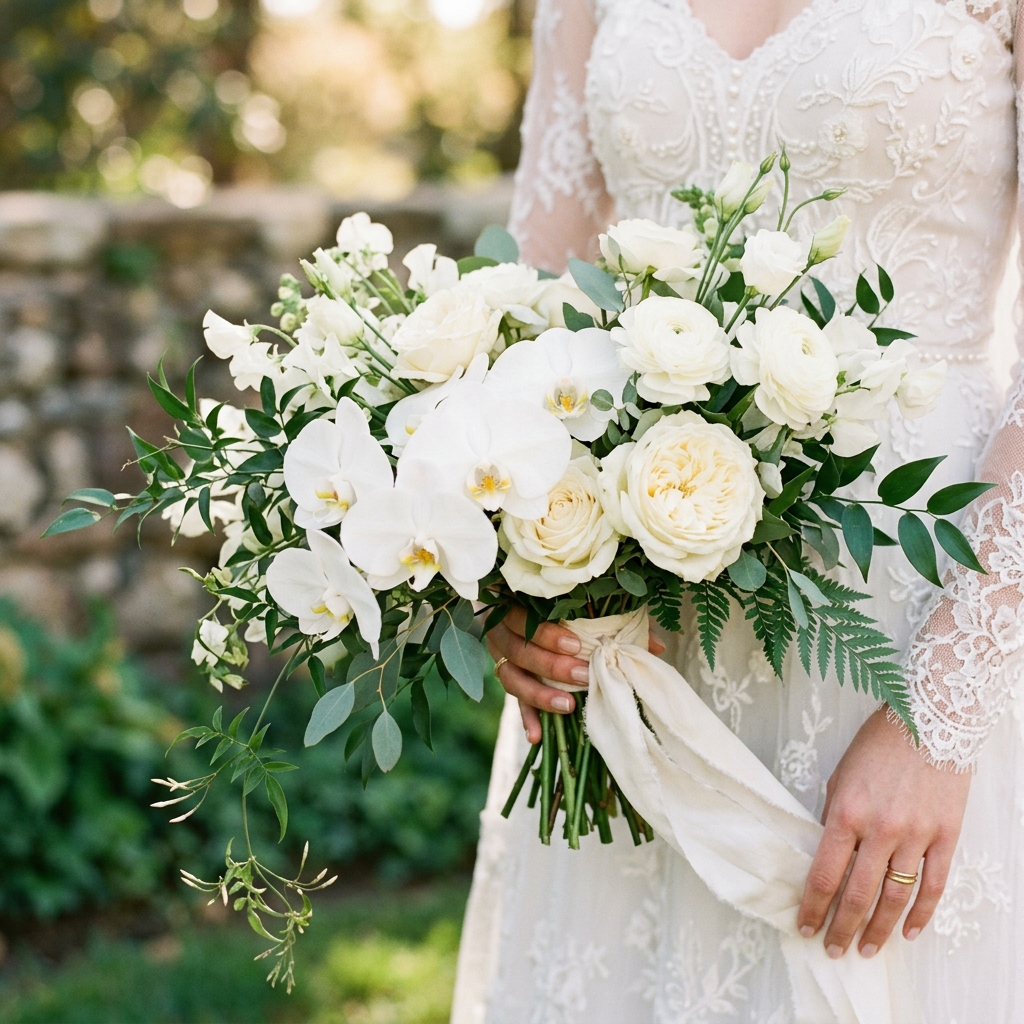
For bridal bouquets, anemones are often best used as focal flowers rather than the only bloom. Their bold centers naturally draw the eye, so a bouquet with a mix of textures will feel balanced and luxurious. To create a beautiful DIY bouquet, begin with your greenery or structural stems, then add your larger flowers, and finish with anemones near the front and outer edge so their faces are visible.
A classic bouquet recipe might include white anemones, ivory roses, ranunculus, and eucalyptus. For a more refined, modern bouquet, try white anemones with calla lilies, tulips, and a single trailing ribbon. If you want something lush and romantic, combine anemones with garden roses, hellebores, and airy greenery. The key is to avoid overcrowding the stems. Anemones look best when they have room to breathe and can show off their natural shape.
As you build the bouquet, rotate it in your hands often to keep the silhouette even. Group flowers in odd numbers when possible, since this creates a more organic and pleasing look. If you are making multiple bouquets for bridesmaids, use the same flower palette but vary the size and number of anemones slightly so each arrangement feels intentional without being identical.
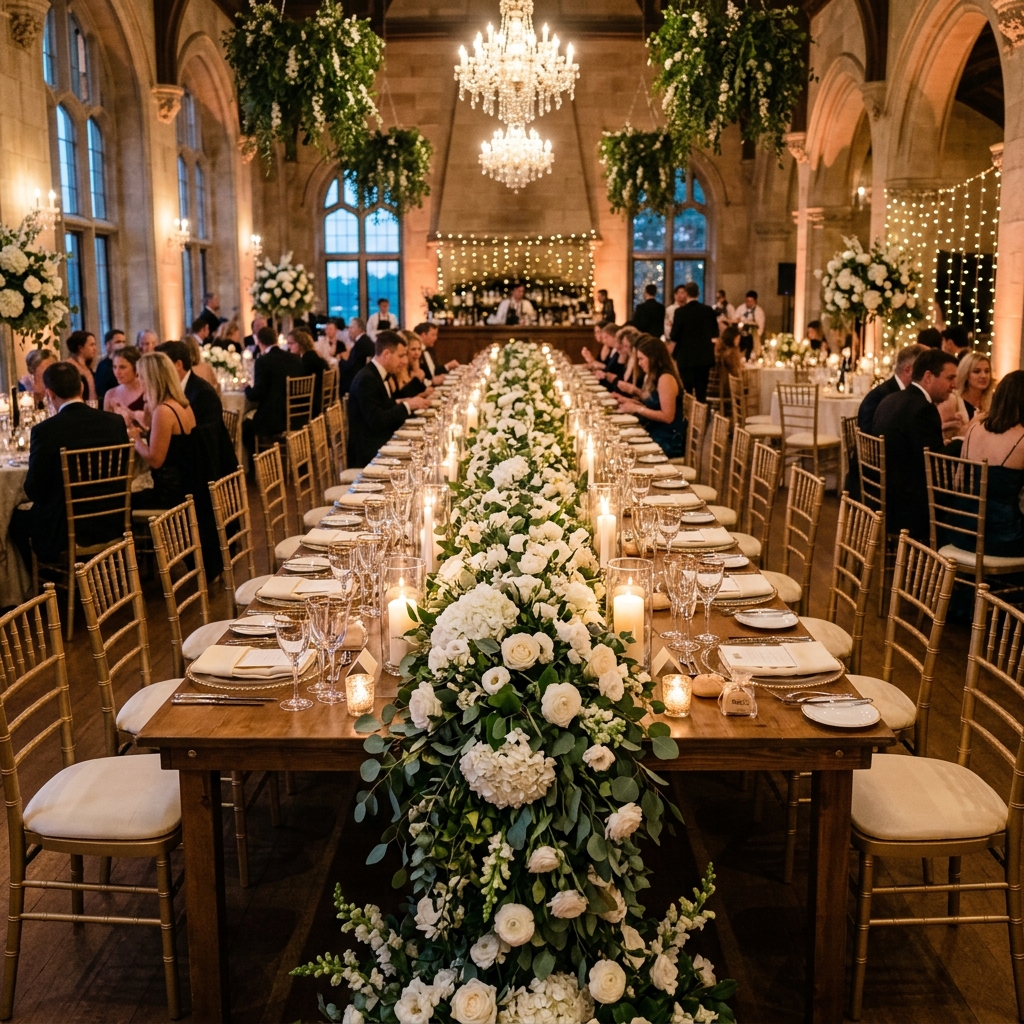
Anemones are perfect for wedding centerpieces because they bring elegance without overwhelming the table. For low arrangements, use a shallow vase or compote and create a layered design with anemones placed toward the top and front. Their dark centers add contrast that helps the arrangement read clearly from across the room. This is especially helpful if your reception tables are long and guests will be viewing the flowers from multiple angles.
For a simple DIY centerpiece, combine anemones with roses, spray roses, and greenery in a low bowl. If you want a more modern look, use just a few stems of anemones in sleek glass vessels or ceramic containers. A cluster of three small arrangements can be more impactful than one large centerpiece, especially for intimate receptions or backyard weddings.
When designing centerpieces, think about height and sightlines. Guests should be able to talk comfortably across the table, so keep low arrangements below eye level unless you are intentionally creating tall floral displays. Anemones work particularly well in low and medium-height arrangements because their blooms are striking without needing a lot of volume.
Freshness matters when you are working with delicate flowers. The best way to keep anemones looking their best is to store them in cool water until the last possible moment. On the wedding day, transport them in sturdy containers that prevent stems from shifting too much. If you are arranging at home, keep your workspace cool and out of direct sun.
Once your arrangements are complete, mist them lightly if needed, but avoid soaking the petals. Too much moisture can cause spotting or damage. If the event is outdoors, place floral foam or water tubes in strategic spots if your design requires extra support. For bouquets, a fresh water source and a cool holding area will help keep the blooms crisp until the ceremony begins.
It also helps to have a backup plan. Keep a few extra stems on hand in case any blooms bruise or open too quickly. Since anemones can change shape as they mature, having extras gives you flexibility when making last-minute adjustments.
For the longest-lasting anemones, buy them when the petals are just beginning to open. They will continue to bloom beautifully after hydration, giving you a fuller look by the wedding day.
One of the most common mistakes with anemones is using too many of them in one arrangement. Because they are so visually powerful, a little goes a long way. Overloading a bouquet or centerpiece with anemones can make the design feel heavy instead of elegant. Balance them with supporting flowers and greenery so the arrangement feels intentional and refined.
Another mistake is ignoring stem support. Anemone stems can be a bit flexible, so if you are creating a bouquet or centerpiece that needs structure, make sure to anchor the stems well with tape, floral wire, or a supportive vase shape. Additionally, avoid exposing them to extreme heat or direct sun for long periods, especially during transport and setup.
Finally, do not wait until the last minute to practice. A trial run with your DIY wedding flowers can help you understand how the stems behave, how much water they need, and which blooms pair best with your chosen palette. Practicing ahead of time reduces stress and gives you more confidence on the big day.
Anemones are incredibly adaptable, which is one reason they are so beloved in wedding design. For a classic wedding, pair white anemones with roses, peonies, and soft greenery in a clean, symmetrical arrangement. For a modern wedding, use fewer blooms with strong lines and negative space, allowing the anemones to make a sculptural statement.
If your wedding theme is garden-inspired, combine anemones with seasonal blooms that feel freshly picked from the garden. Think ranunculus, sweet peas, lisianthus, and trailing foliage. For a boho wedding, add texture with dried elements, airy grasses, and loose, organic shapes. Anemones can even work in a moody, dramatic color story when paired with burgundy blooms, dark foliage, and candlelight.
In Southern California, where outdoor venues range from coastal terraces to citrus groves and vineyard estates, anemones can complement nearly any backdrop. Their clean, elegant look feels especially at home in natural settings, where they can echo the simplicity and beauty of the landscape.
If you are looking for a flower that brings sophistication, contrast, and romance to your wedding day, anemones are an excellent choice. They are striking enough to stand on their own, yet versatile enough to blend beautifully with other blooms. With thoughtful preparation, careful handling, and a clear design plan, you can create DIY wedding arrangements that look polished and professional.
Whether you are making your own bouquet, designing reception centerpieces, or adding floral details to your ceremony, anemones offer the kind of beauty that feels effortless and memorable. Their bold centers and delicate petals make them one of the most photogenic flowers for weddings, and their versatility means they can fit a wide range of styles.
For couples who want wedding flowers that feel personal, elegant, and full of character, anemones are a wonderful bloom to build around. With the right approach, your DIY arrangements can look every bit as stunning as they feel meaningful.
Direct answers regarding flower delivery, custom ordering, and arrangements in the San Fernando Valley.
We suggest booking your wedding consultation 2 to 6 months prior to your date. However, our direct grower farm access allows us to accommodate rush and short-notice weddings when availability permits.
Yes, Flowers El Ranchito handles on-site delivery, ceremony arch floral installation, aisle styling, and reception table centerpiece placement at any Mission Hills & San Fernando Valley venue.
Yes, we source directly from premium California flower farms, ensuring maximum petal firmness, vibrant color, and extended vase life for your special day.
Planning an event or looking for fresh bouquets? Tell us your vision and our Mission Hills floral designers will contact you with options & pricing.