Complete Masterclass on Dried Flowers and Fresh-Dried Hybrid Arrangements
Flowers El Ranchito Expert Advice
Complete Masterclass on Dried Flowers and Fresh-Dried Hybrid Arrangements
Dried flowers have moved far beyond their former role as nostalgic keepsakes. Today, they are one of the most versatile, design-forward, and sustainable materials in modern floral styling. When combined with fresh flowers in a fresh-dried hybrid arrangement, they create floral compositions that are visually rich, texturally dynamic, and longer lasting than traditional all-fresh designs. For weddings, home décor, gifts, events, and brand installations, dried and hybrid arrangements offer beauty that lingers well beyond the lifespan of seasonal blooms.
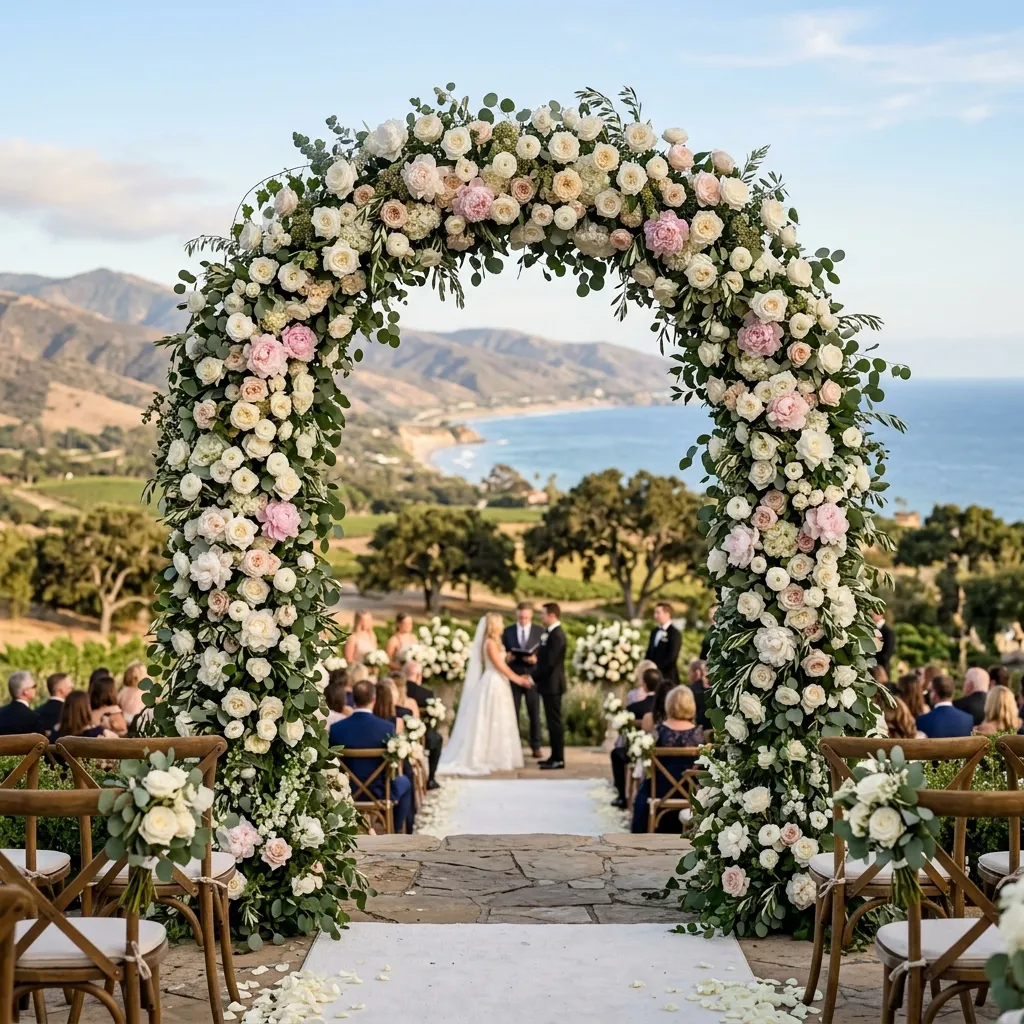
This masterclass is designed to provide a complete, practical, and deeply informed guide to dried flowers and fresh-dried hybrid arrangements. Whether you are a floral enthusiast, event planner, designer, or someone seeking to understand how to create elegant arrangements with lasting appeal, this article will walk you through everything from flower selection and drying methods to composition, color theory, care, preservation, and professional styling techniques.
What Are Dried Flowers?
Dried flowers are natural blooms, grasses, foliage, seed pods, and botanicals that have had their moisture removed through various preservation methods. Once dried, these materials retain their shape, often their structure, and in many cases much of their color. Unlike fresh flowers, dried botanicals are not meant to be hydrated after cutting; instead, they are preserved in a stable state that can last for months or even years when properly handled.
Dried flowers can include fully dried blooms, air-dried grasses, preserved foliage, bleached materials, naturally desiccated seed heads, and specialty treated botanicals. The term is broad and includes everything from classic lavender bundles to premium preserved roses and rustic wheat stalks.
Why Dried Flowers Have Become So Popular
- Longevity: They last significantly longer than fresh flowers.
- Sustainability: They reduce waste and can be reused in décor.
- Design flexibility: They add texture, movement, and sculptural interest.
- Seasonal adaptability: Many dried botanicals are available year-round.
- Cost efficiency: Their extended lifespan can offer better value over time.
What Is a Fresh-Dried Hybrid Arrangement?
A fresh-dried hybrid arrangement combines fresh cut flowers with dried or preserved botanicals in a single floral composition. The goal is not merely to place two categories of flowers together, but to design a balanced arrangement where each material enhances the other. Fresh blooms provide softness, fragrance, and vitality. Dried elements contribute structure, texture, and durability.
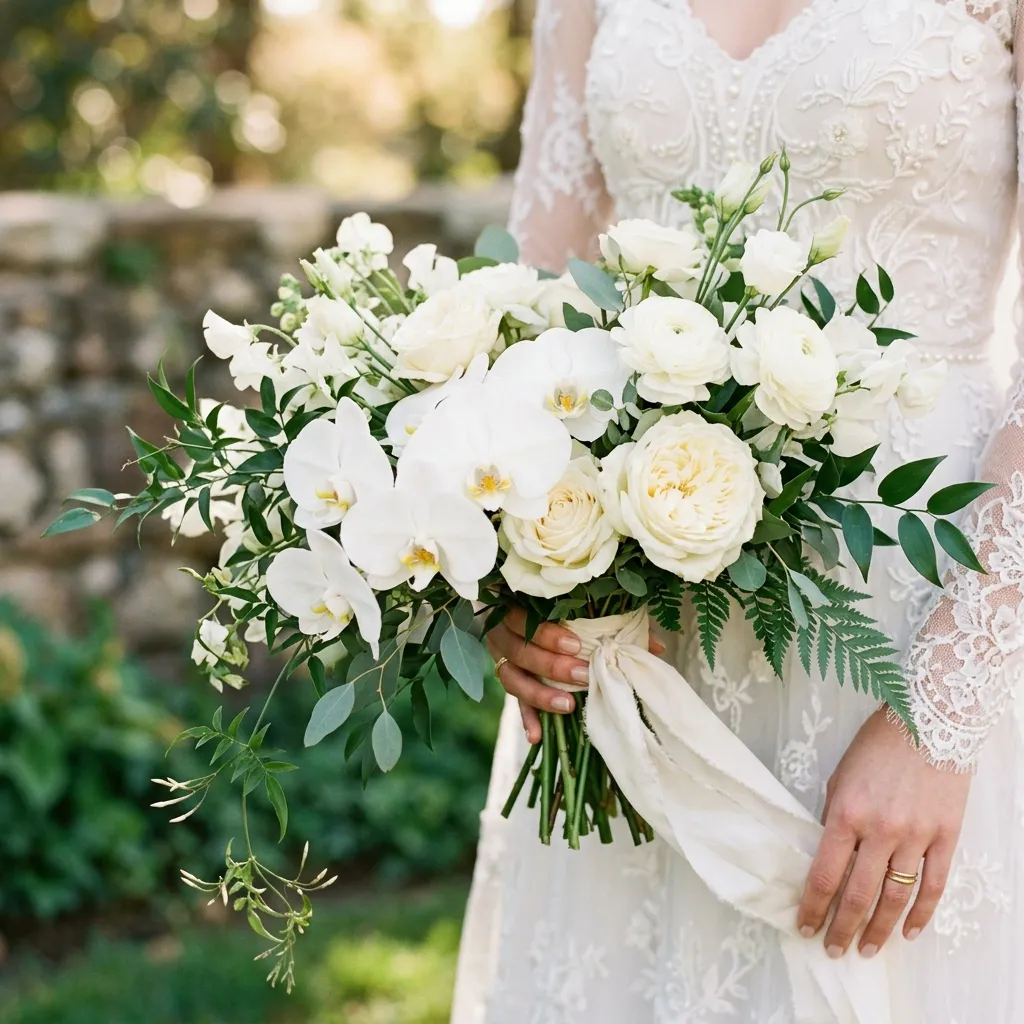
Hybrid arrangements are especially compelling because they bridge the gap between ephemeral freshness and enduring style. They can feel romantic, contemporary, bohemian, editorial, rustic, or luxurious depending on the selection of materials and the styling technique.
Common Uses for Hybrid Arrangements
- Wedding bouquets and centerpieces
- Bridal showers and baby showers
- Home décor and mantel styling
- Retail displays and hospitality spaces
- Sympathy arrangements with extended keepsake value
- Seasonal installations and photo backdrops
The Advantages of Working With Dried and Hybrid Florals
Understanding the advantages of dried flowers and hybrid designs helps explain why they are now a staple in contemporary floral design. These materials are not simply trendy; they are genuinely functional and highly expressive.
1. Extended Display Life
Fresh flowers usually last days to two weeks, depending on the variety and care. Dried flowers, by contrast, can last for months or even years. In hybrid arrangements, the dried portion continues to look beautiful long after the fresh elements fade, giving the arrangement a graceful afterlife.
2. Greater Texture and Depth
Dried botanicals introduce texture that fresh flowers cannot always provide. Their papery petals, rigid stems, feathery grasses, and architectural silhouettes create visual complexity. When paired with lush fresh blooms, the result is a more dimensional arrangement.
3. Design Versatility
Dried flowers suit a wide range of aesthetics, from minimal and modern to romantic and rustic. They can be dyed, bleached, tinted, or left natural, allowing designers to work within nearly any color palette.
4. Sustainability and Reusability
Many consumers now prioritize florals with a lower environmental impact. Dried and preserved materials can be reused for future arrangements, styled into décor, or repurposed after an event.
5. Emotional Keepsake Value
Hybrid arrangements can retain sentimental significance long after a celebration ends. Wedding bouquets, anniversary gifts, and memorial arrangements can be preserved more meaningfully when they include dried components.
Best Flowers and Botanicals for Drying
Not every flower dries well. Some collapse, fade dramatically, or lose shape. Choosing the right botanicals is crucial if you want beautiful results. The best dried flowers are generally those with sturdy petals, strong stems, low moisture content, or naturally papery textures.
Flowers That Dry Beautifully
- Roses
- Hydrangeas
- Lavender
- Statice
- Strawflower
- Baby’s breath
- Celosia
- Globe amaranth
- Yarrow
- Craspedia
Dried Foliage and Textural Elements
- Eucalyptus
- Ruscus
- Fern
- Pampas grass
- Wheat
- Oats
- Lagurus (bunny tails)
- Phalaris
- Seeded eucalyptus
- Thistle
Specialty Botanicals for Impact
For more dramatic designs, florists often incorporate preserved palm spears, lotus pods, banksia, scabiosa seed pods, nigella pods, dried citrus slices, and bleached grasses. These elements bring sculptural drama and can help define the overall style of the arrangement.
How to Dry Flowers: Proven Techniques
Drying flowers is both an art and a technical process. Different flowers respond differently to drying methods, and the chosen technique affects color retention, petal shape, and texture. The right method depends on the species, the desired effect, and the final use of the dried botanicals.
Air Drying
Air drying is the most traditional and widely used method. It is ideal for roses, lavender, eucalyptus, baby’s breath, statice, and many other sturdy blooms.
How it works: Flowers are gathered into small bundles, secured with string or elastic, and hung upside down in a dry, dark, well-ventilated space. Darkness helps preserve color, while airflow minimizes mold.
Best for: Herbs, grasses, roses, small clustered flowers, and foliage.
Silica Gel Drying
Silica gel is a granular drying agent that helps flowers retain more of their original shape and color. This method is often used for delicate blooms such as peonies, ranunculus, dahlias, and garden roses.
Best for: High-value blooms where shape preservation matters most.
Consideration: Silica drying requires more materials and effort, but it often produces superior results for ornate flowers.
Pressing
Pressing flattens flowers and foliage, making them suitable for frame art, cards, notebooks, and layered decorative elements. While pressing is not commonly used for three-dimensional arrangements, pressed botanicals can be integrated into mixed-media floral work.
Oven or Microwave Drying
These faster methods can work for certain flowers, but they require care to avoid scorching or distortion. They are best used by experienced makers or for experimental projects.
Glycerin Preservation
Glycerin-preserved foliage retains flexibility, which makes it useful in arrangements where a soft, natural drape is desired. Eucalyptus and magnolia leaves are common candidates for this treatment.
Fresh Flowers That Pair Beautifully With Dried Elements
The most successful hybrid arrangements rely on thoughtful pairing. Fresh flowers should complement the tone, structure, and scale of the dried botanicals without overpowering them.
Fresh Blooms Ideal for Hybrid Design
- Roses
- Spray roses
- Ranunculus
- Anemones
- Lisianthus
- Dahlias
- Garden roses
- Carnations
- Scabiosa
- Tulips
- Peonies
Fresh Foliage That Complements Dried Materials
- Seeded eucalyptus
- Silver dollar eucalyptus
- Italian ruscus
- Salal
- Fern
- Olive branches
The key is balance. Fresh florals should bring softness and life, while dried components anchor the composition with texture and permanence.
Color Theory for Dried Flower Arrangements
Color plays a central role in dried floral styling because dried botanicals behave differently from fresh blooms. Their hues are often more muted, earthy, smoky, or sun-washed. This creates opportunities for sophisticated palettes that feel timeless and layered.
Understanding Dried Flower Color Behavior
During drying, some flowers darken, some fade, and some shift toward sepia, beige, rust, rose, or antique green. These changes are not flaws; they are part of the charm. Designers should anticipate the eventual color transformation when planning an arrangement.
Popular Color Palettes
- Neutrals: Ivory, sand, beige, taupe, oatmeal, soft blush
- Earth tones: Rust, terracotta, ochre, burgundy, moss, clay
- Moody tones: Plum, wine, charcoal, deep rose, forest green
- Muted romantic: Dusty pink, cream, faded lavender, sage
- Modern minimal: White, beige, bleached tones, pale green
How to Build a Cohesive Palette
Choose one dominant tone, one supporting tone, and one accent. For example, a palette might combine cream roses, bleached pampas, blush preserved hydrangea, and a touch of rust-colored dried flax. This creates unity without monotony.
Essential Design Principles for Hybrid Arrangements
Creating a successful fresh-dried arrangement requires the same foundational design principles used in all floral design: balance, proportion, rhythm, contrast, emphasis, and harmony. The difference lies in how these principles are expressed across two distinct material types.
Balance
Balance may be symmetrical, asymmetrical, or radial. Dried materials often carry more visual weight due to their stiffness and texture, so they must be distributed thoughtfully. A cluster of pampas grass can visually balance several fresh roses if placed strategically.
Proportion
The scale of blooms and botanicals should suit the container and the intended setting. A wide ceramic vessel may require tall dried stems and generous fresh blooms, while a small vase might call for a restrained mix of delicate flowers and airy grasses.
Contrast
One of the greatest strengths of hybrid design is contrast. Soft petals against rough pods, glossy fresh leaves against matte dried stems, and bright blooms against subdued textures all create visual interest.
Rhythm and Movement
Line elements such as grasses, wheat, and eucalyptus help lead the eye through the design. Their flowing shapes can soften the transition between fresh and dried materials.
Harmony
Harmony ensures that the arrangement feels intentional rather than random. This is achieved through repetition of colors, shapes, or textures across the entire design.
How to Build a Fresh-Dried Hybrid Arrangement Step by Step
Whether you are designing a centerpiece, bouquet, or vase arrangement, the process follows a few essential stages. Starting with a plan will save time and produce better results.
Step 1: Select a Clear Design Direction
Decide on the overall style before you begin. Is the arrangement rustic, romantic, editorial, modern, organic, or luxurious? The style will influence flower choices, palette, structure, and container selection.
Step 2: Choose a Suitable Container
Containers are not merely functional; they are part of the visual story. Stoneware, ceramic, glass, brass, matte pottery, and woven vessels all create different moods. A hybrid arrangement often benefits from vessels with enough heft to support tall dried elements.
Step 3: Establish the Structural Framework
Start with dried foliage, grasses, or branches to create the shape and silhouette. These provide the architecture of the arrangement. Build height, direction, and flow before inserting delicate fresh blooms.
Step 4: Add Fresh Flowers
Place fresh blooms in focal points and clusters. The fresh flowers should soften the structure and draw the viewer’s eye. Grouping similar blooms together can create stronger visual impact than scattering them evenly.
Step 5: Insert Accent Botanicals
Add smaller dried botanicals, seed pods, or preserved elements to fill gaps and create texture. These details help unify the arrangement and prevent it from feeling sparse.
Step 6: Refine Shape and Scale
Step back and evaluate the proportions. Adjust the height, spread, and balance. Remove anything that feels crowded or disconnected. A great arrangement should look intentional from every angle.
Hybrid Bouquet Design: Special Considerations
Hybrid bouquets require a slightly different approach than vase arrangements because they must be held comfortably, remain portable, and often endure extended handling. For bridal bouquets especially, weight and texture are crucial.
Why Hybrid Bouquets Work So Well
Dried elements add durability and shape to bouquets, while fresh blooms provide color and softness. This makes them ideal for weddings and special occasions where the bouquet must look stunning during the event and then continue as a keepsake afterward.
Best Structural Elements for Bouquets
- Preserved eucalyptus
- Lagurus
- Wheat
- Bunny tails
- Ruscus
- Small preserved roses
- Statice
- Craspedia
Handling and Construction Tips
Because dried stems can be brittle, they should be wired, taped, or positioned with care. Fresh stems should be hydrated until assembly. If the bouquet is meant to last as a keepsake, some florists create a transition strategy: fresh flowers are used at the event, then the bouquet is dried afterward or contains enough dried content to maintain its beauty during the fading process.
Styling Dried Flowers in the Home
Dried flowers are especially appealing for home décor because they remain attractive with minimal maintenance. They fit seamlessly into entryways, dining tables, living room shelves, bedside tables, and kitchen counters. Hybrid arrangements can be used for seasonal displays or as focal pieces in interior design schemes.
Best Rooms for Dried Florals
- Living room: Adds warmth and texture to common areas
- Dining room: Provides elegant centerpieces with lasting presence
- Bedroom: Creates a serene, romantic atmosphere
- Entryway: Offers a welcoming, curated first impression
- Home office: Adds organic softness to workspaces
How to Style by Interior Aesthetic
Minimalist spaces: Use one or two dried elements in a sculptural vase. Keep the palette neutral and clean.
Bohemian spaces: Layer pampas, grasses, bleached textures, and warm-toned flowers for a relaxed, airy look.
Classic interiors: Pair dried hydrangeas, roses, and preserved greenery with refined containers.
Modern interiors: Choose dramatic asymmetry, strong lines, and restrained color palettes.
Weddings and Events: Why Hybrid Arrangements Are a Favorite
Event floristry has embraced dried and hybrid arrangements for practical and aesthetic reasons. They photograph beautifully, withstand long event timelines, and can be repurposed in ways fresh-only arrangements often cannot.
Advantages for Weddings
- Better longevity during long ceremonies and receptions
- Enhanced textural appeal in photos
- Strong compatibility with boho, rustic, and modern wedding themes
- Potential to preserve bouquets after the event
- Reduced concern over wilting in warm weather
Popular Wedding Applications
- Bridal bouquets
- Bridesmaid bouquets
- Ceremony arches
- Reception centerpieces
- Welcome sign florals
- Table runners and mantle garlands
- Escort card displays
Event Design Tip
For large-scale events, dried flowers can serve as a foundational layer while fresh flowers are used strategically in focal areas. This reduces the need for extensive refrigeration and allows a more efficient use of premium blooms.
Care and Maintenance for Dried Flowers
One of the greatest appeals of dried flowers is that they require little care, but “little” does not mean “none.” Proper handling preserves their beauty and prevents unnecessary deterioration.
How to Care for Dried Flowers
- Keep them out of direct sunlight to reduce fading.
- Avoid humidity and damp environments.
- Do not water dried flowers.
- Dust gently with a soft brush, feather duster, or hairdryer on a cool setting.
- Handle stems carefully to prevent breakage.
How to Care for Hybrid Arrangements
Hybrid arrangements include fresh components, so care is more nuanced. Replace water regularly, trim fresh stems when needed, and remove fading blooms before they affect the rest of the design. If the arrangement is meant to transition into a fully dried display, remove the fresh flowers at the right time and allow the remaining materials to continue drying naturally.
Common Mistakes to Avoid
Even experienced designers can make mistakes when working with dried materials. Awareness prevents disappointment and helps preserve the integrity of the arrangement.
1. Using Flowers That Dry Poorly
Not every bloom is suitable for drying. Flowers with high moisture content or very delicate petals may shrivel unattractively. Always research before selecting materials.
2. Overcrowding the Arrangement
Dried flowers often need room to breathe visually. Crowding too many elements together can make the design feel heavy or chaotic.
3. Ignoring Texture Balance
If the arrangement contains too many stiff or too many delicate elements, it can lose cohesion. Aim for a mix of bold and soft textures.
4. Exposing Dried Flowers to Humidity
Humidity is one of the main enemies of dried florals. Avoid bathrooms, very damp kitchens, or uncovered outdoor spaces.
5. Forgetting About Scale
A few dried stems can be lost in a large vessel, while oversized pampas or branches can overwhelm a small bouquet. Match material scale to the project.
Creative Styling Ideas for Dried and Hybrid Florals
The range of possibilities is nearly endless. Here are several inspiring directions that showcase how adaptable these arrangements can be.
Rustic Farmhouse Style
Use wheat, bunny tails, eucalyptus, and cream fresh roses in a ceramic pitcher or glass vase. Keep the palette soft and natural.
Modern Editorial Style
Combine sculptural dried branches, bleached grasses, and monochromatic fresh blooms in an asymmetrical design with strong negative space.
Romantic Garden Style
Pair preserved hydrangea, blush dried roses, and fresh peonies or ranunculus for a lush, sentimental composition.
Bohemian Style
Blend pampas grass, palm spears, dried thistle, and soft fresh florals with organic movement and a loose silhouette.
Luxury Minimalism
Use a restrained palette of ivory, cream, pale beige, and soft green with a refined vessel and carefully curated stems.
How Dried Flowers Support Sustainable Floral Design
Sustainability is now an essential topic in floral design. Dried flowers contribute to more responsible styling by extending the usefulness of floral material and reducing the frequency of replacement.
Ways Dried Flowers Reduce Waste
- They can be used longer than fresh arrangements.
- They can be repurposed for multiple events or spaces.
- They reduce the need for constant replacement.
- They are often preserved without refrigeration.
For environmentally conscious clients, dried and hybrid arrangements offer a compelling balance of beauty, longevity, and lower waste. While not every floral project should be dried-only, thoughtful inclusion of preserved elements can meaningfully improve sustainability.
Buying Dried Flowers: What to Look For
When purchasing dried flowers, quality matters. Well-prepared materials retain shape, color, and stability far better than poorly dried ones. Whether sourcing from a florist, wholesaler, or specialty retailer, inspect the product carefully.
Indicators of Quality
- Consistent color without excessive browning
- Intact petals and stems
- No visible mold or mildew
- Minimal crumbling or shedding
- Good structural integrity
Questions to Ask a Supplier
- How was this flower dried or preserved?
- Was it naturally dried, silica-dried, or chemically preserved?
- How should it be stored before use?
- How long is the expected display life?
Professional Tips for Long-Lasting Hybrid Arrangements
If your goal is to create arrangements that stay beautiful as long as possible, a few professional practices make a significant difference.
1. Start With Quality Fresh Flowers
Fresh blooms should be at an appropriate stage of opening, not overly mature. This extends the lifespan of the fresh portion of the arrangement.
2. Use Dried Elements as a Backbone
Think of dried botanicals as the skeleton or framework of the arrangement. Fresh blooms then become the expressive, living accents.
3. Protect Against Moisture
Do not let fresh flowers dampen dried elements excessively. If the arrangement is in water, make sure the dried components stay above the waterline unless specifically designed otherwise.
4. Plan for Fading Gracefully
A hybrid arrangement should still look intentional as the fresh flowers age. Select fresh flowers that dry attractively or transition well into the overall composition.
5. Store Leftover Materials Correctly
Unopened bundles of dried flowers should be stored in a cool, dry place away from sunlight and humidity. This preserves inventory for future designs.
Conclusion: The Art and Lasting Value of Dried and Hybrid Floristry
Dried flowers and fresh-dried hybrid arrangements represent one of the most exciting and enduring directions in contemporary floral design. They offer more than trend appeal; they provide a practical, elegant, and emotionally resonant way to experience flowers. By combining the vitality of fresh blooms with the texture and longevity of dried botanicals, florists and design enthusiasts can create arrangements that feel layered, memorable, and deeply personal.
Mastering this style means understanding how flowers dry, how textures interact, how palettes evolve, and how to balance structure with softness. It means learning to see dried flowers not as replacements for fresh blooms, but as creative partners that expand what floral design can do. From intimate home vases to wedding bouquets and large-scale event installations, fresh-dried hybrid arrangements bring together beauty and staying power in a way few other floral forms can.
For anyone seeking floral designs that are stylish, sustainable, and rich in character, the world of dried flowers offers endless inspiration. And when paired thoughtfully with fresh blooms, it becomes something even more compelling: a living design language that celebrates both fleeting beauty and lasting form.
Frequently Asked Questions
Direct guidance from our family florists at 10648 1/2 Sepulveda Blvd, Mission Hills, CA.
How long do dried flowers last? ▾
With proper care, many dried flowers can last from several months to a few years. Some preserved botanicals last even longer.
Can all fresh flowers be dried? ▾
No. Some flowers dry beautifully, while others collapse or discolor. Roses, lavender, hydrangea, and statice are among the most reliable choices.
Do dried flowers need water? ▾
No. Dried flowers should never be placed in water unless specifically intended as part of a mixed installation with elevated dry elements.
Are hybrid arrangements good for weddings? ▾
Yes. They are especially popular for weddings because they are durable, photogenic, and can be kept as keepsakes.
Can dried flowers be colored or dyed? ▾
Yes. Many dried flowers are dyed, tinted, bleached, or otherwise treated to achieve specific aesthetics.
Request a Custom Order or Quote
Planning an event or looking for fresh bouquets? Tell us your vision and our Mission Hills floral designers will contact you with options & pricing.