Complete Masterclass on Corporate Floral Installations for Premium Brands
Flowers El Ranchito Expert Advice
Complete Masterclass on Corporate Floral Installations for Premium Brands
Corporate floral installations for premium brands are far more than decorative accents. They are immersive brand statements, visual storytelling tools, and atmosphere-shaping design elements that can influence perception within seconds. In luxury retail, hospitality, corporate headquarters, private events, product launches, and executive spaces, flowers become an extension of the brand identity itself. When thoughtfully designed, a floral installation can communicate elegance, innovation, exclusivity, warmth, or prestige without a single word being spoken.
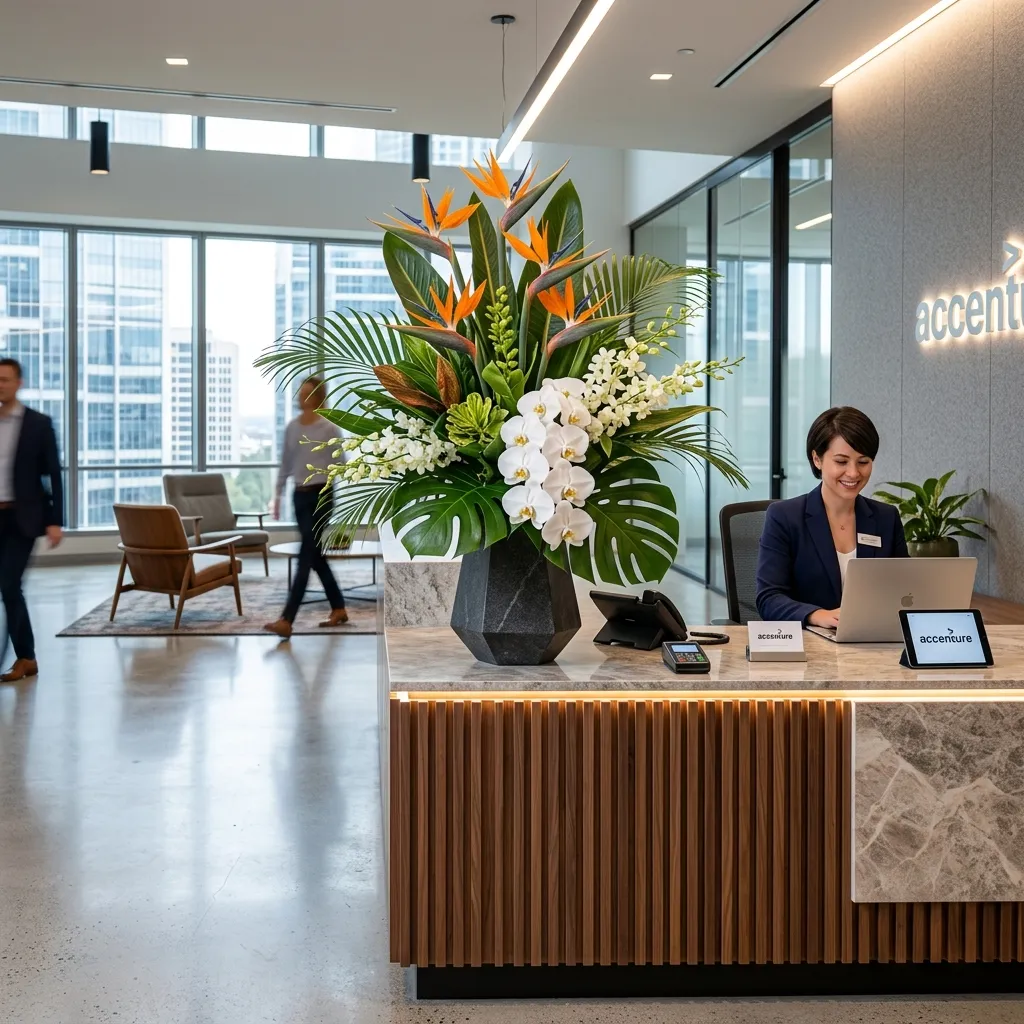
For premium brands, every detail matters. The quality of the blooms, the scale of the design, the choice of vessel, the precision of placement, and even the seasonal relevance of the flower palette all contribute to the overall experience. A corporate floral installation must therefore balance aesthetics, logistics, durability, and brand strategy. It should feel effortless to the viewer, yet it often requires meticulous planning, expert sourcing, technical execution, and ongoing care behind the scenes.
This masterclass explores the complete world of corporate floral installations for premium brands. Whether the setting is a luxury showroom, an upscale lobby, an executive conference, a flagship storefront, or a high-profile launch event, the principles remain the same: the installation must elevate the environment and reinforce the brand’s values at every glance. From concept development and floral selection to structural engineering, installation methods, maintenance, and ROI considerations, this guide covers everything needed to understand and execute premium floral design at the highest level.
What Corporate Floral Installations Really Do for Premium Brands
Floral installations in corporate environments serve a strategic purpose. They are not simply “pretty” additions. In premium settings, flowers can establish tone, define space, direct attention, and deepen emotional engagement. A well-executed floral installation signals that a brand values excellence, hospitality, and detail. That visual message can have a profound effect on clients, guests, investors, partners, and employees.
They strengthen brand perception
Premium brands thrive on perception. A floral installation in a reception area or event space can subtly reinforce the brand’s positioning as refined, thoughtful, and high-touch. The design can echo brand colors, architectural lines, seasonal themes, or campaign concepts, creating a cohesive sensory experience.
They create memorable first impressions
First impressions are formed quickly, especially in environments where guests arrive with expectations of quality. Flowers can immediately elevate a lobby, entrance, stage, or product display. A striking installation can become the signature element people remember long after the visit ends.
They support experiential marketing
Today’s luxury consumers expect more than products. They expect experiences. Floral installations can be used as part of a broader experiential strategy, helping brands create photo-worthy moments, social media visibility, and emotional engagement. In this sense, the installation becomes both a design feature and a marketing asset.
They humanize corporate spaces
Even the most sophisticated corporate environments can feel cold without organic elements. Floral installations bring life, softness, and movement into structured spaces. They balance modern materials like glass, stone, metal, and polished finishes with natural beauty and tactile richness.
Defining a Premium Floral Language for Corporate Environments
Designing for premium brands requires a visual language that is intentional and disciplined. Corporate floral installations should never feel generic, overly busy, or disconnected from the environment. Instead, they should express the brand’s personality through a sophisticated blend of color, form, texture, and scale.
Luxury is often about restraint
One of the most important principles in premium floral design is restraint. Luxury is rarely about excess. It is more often communicated through precision, editing, and selectivity. A few exceptional blooms placed with confidence may have more impact than an overfilled arrangement lacking direction.
Form should reflect architecture
Corporate environments often feature clean lines, geometric structures, or highly designed interiors. Floral installations should respond to these forms. For example, a curved flower wall might soften a modern lobby, while a long linear arrangement may complement a boardroom table or retail display. The floral form should feel like it belongs in the space, not imposed upon it.
Texture creates depth and richness
Premium floral design often relies on a sophisticated layering of textures. Velvet petals, delicate sprays, glossy foliage, structural branches, and sculptural blooms each contribute to visual interest. In a corporate setting, the interplay of textures can elevate a composition from attractive to unforgettable.
Color should be strategic, not random
Color selection is central to brand alignment. Neutral palettes communicate timeless elegance, while deep jewel tones can suggest richness and drama. Soft blushes and creams may evoke refinement and warmth, and monochromatic installations can feel highly contemporary. For premium brands, the color story should be purposeful and harmonized with interiors, branding, and event objectives.
Types of Corporate Floral Installations for Premium Brands
There is no single format for a corporate floral installation. The right approach depends on the space, audience, occasion, and brand goals. Premium brands often use several types of installations throughout the year, adapting scale and style to different settings.
Lobby and reception installations
These are among the most visible and influential floral placements in corporate environments. Reception installations set the tone immediately and can be updated seasonally or for special campaigns. They are often larger-scale, highly polished, and designed to last in high-traffic areas.
Suspended floral installations
Hanging floral pieces create drama and a sense of wonder. These are ideal for luxury events, flagship launches, gala settings, atriums, and grand entrances. Suspended installations require structural expertise and safety planning, but when executed properly, they create exceptional visual impact.
Floral walls and branded backdrops
Floral walls remain highly effective for premium brands because they combine decoration with visibility. They are often used for press moments, product launches, retail activations, and photo opportunities. When customized with brand colors, signage, or integrated lighting, they become powerful visual assets.
Tabletop and meeting room arrangements
Smaller-scale installations are essential in executive environments. These pieces should feel refined, non-obstructive, and harmonious with the room’s purpose. They may appear in boardrooms, dining tables, VIP lounges, and private hospitality settings.
Retail and product display florals
Luxury retail brands use floral installations to enhance merchandising, direct traffic, and highlight featured products. In this context, flowers act as visual anchors that elevate the shopping experience and support storytelling around collections, launches, or seasonal campaigns.
Event centerpieces and immersive installs
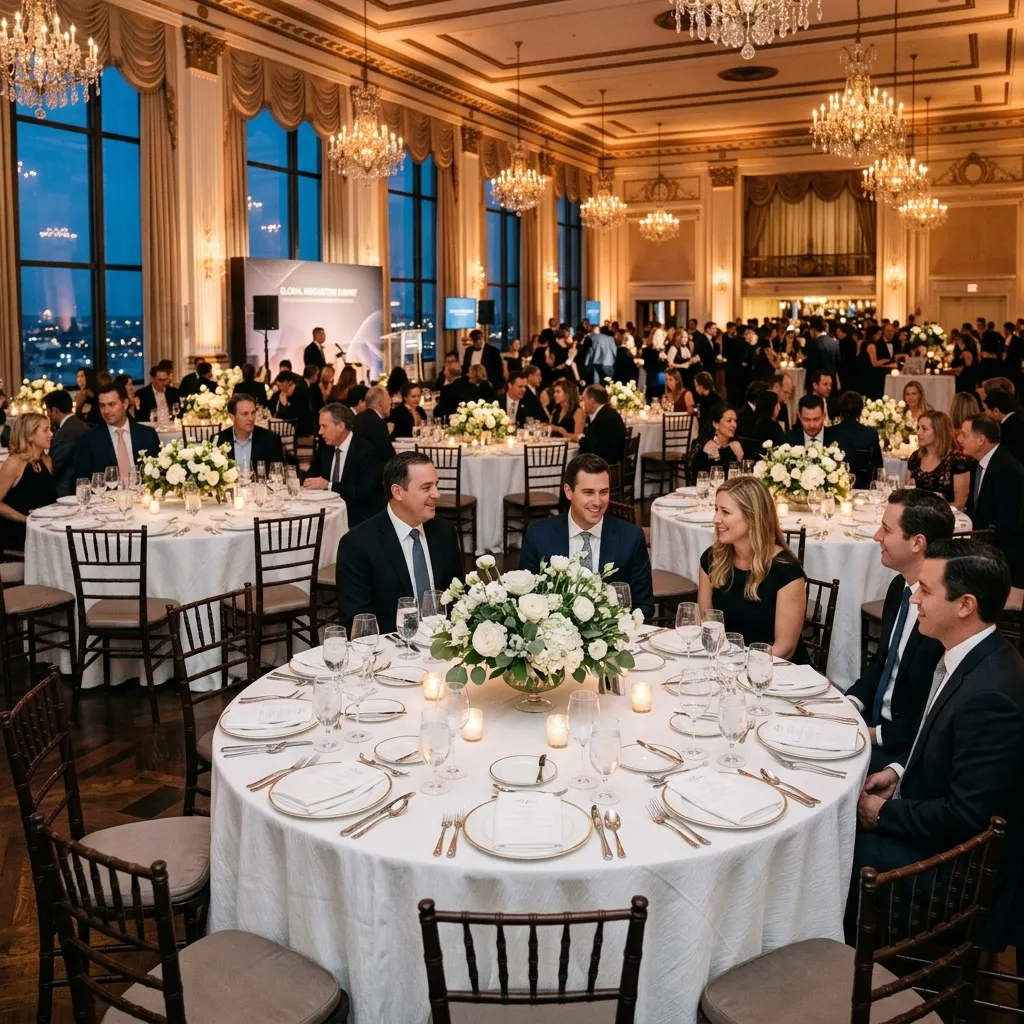
For corporate galas, conferences, launches, and brand celebrations, floral centerpieces may extend into larger immersive environments. These can include entrance moments, stage features, bar installations, photo areas, and directional floral design throughout the venue.
The Brand Strategy Behind the Design
Successful corporate floral installations begin with strategy. Premium brands should never approach flowers as a last-minute decorative decision. Instead, floral design should be integrated into the brand and event planning process from the beginning.
Understand the brand identity
Before choosing flowers, the designer must understand the brand’s values, audience, tone, and visual identity. Is the brand bold and fashion-forward, or quiet and heritage-driven? Is it minimalist and modern, or opulent and expressive? The floral installation should communicate those qualities instantly.
Define the purpose of the installation
Every installation should have a clear objective. Is it meant to impress clients, support a launch, attract social media attention, welcome investors, or create comfort in a corporate environment? The purpose influences scale, color, structure, and flower selection.
Align with campaign or event themes
Premium brands often run seasonal campaigns or product launches that can be amplified through floral design. A fragrance launch may call for botanical softness. A jewelry presentation may require refined, luminous florals. A fashion event may embrace bold sculptural forms and unexpected materials.
Consider audience psychology
The target audience determines how the installation should feel. Executive clients may respond best to understated luxury, while media and social audiences may prefer a more dramatic visual statement. A premium design balances broad appeal with distinctiveness.
Flower Selection for Premium Corporate Installations
Choosing the right flowers is one of the most important decisions in corporate floral design. Premium brands require blooms that are not only beautiful, but also durable, high-quality, and appropriate for the desired visual effect.
Choose blooms with structure and longevity
In corporate environments, flowers must often endure long display periods under lighting, air conditioning, and foot traffic conditions. Roses, orchids, hydrangeas, anthuriums, peonies, garden roses, calla lilies, tulips, and premium seasonal blooms are common choices, depending on the context and climate.
Use focal flowers intentionally
Focal flowers create the primary visual impact. In premium installations, these may be used sparingly for maximum effect. Large-headed blooms, such as hydrangeas or peonies, create volume and softness, while orchids and anthuriums offer architectural sophistication.
Incorporate textural elements
To prevent the design from feeling flat, premium floral installations often include textural accents such as berries, buds, branches, grasses, seed pods, or specialty foliage. These elements add complexity and elevate the overall composition.
Prioritize bloom quality
For premium brands, bloom condition is non-negotiable. Petals should be pristine, stems strong, and foliage immaculate. Even a technically beautiful design can be undermined by flowers that are bruised, tired, or inconsistent in quality. Sourcing from trusted growers and distributors is essential.
Match flowers to the environment
Some flowers perform better than others depending on location. A floral installation in a sunny atrium will require more resilient materials than one in a climate-controlled boardroom. Understanding environmental conditions helps preserve the installation’s appearance throughout its display period.
Color Theory in Corporate Floral Installations
Color is one of the fastest ways to shape emotional response. In premium branding, floral color palettes should be chosen with exceptional care. They must support both the immediate visual impact and the deeper meaning of the brand experience.
Monochromatic palettes
Single-color installations feel refined and contemporary when executed well. All-white florals, for example, can communicate purity, elegance, and sophistication. A monochromatic palette is also useful when the goal is to create harmony without visual distraction.
Analogous palettes
Colors adjacent on the color wheel can create softness and flow. Blush, peach, cream, and apricot may evoke warmth and romance, while emerald, moss, and deep green can convey grounded luxury. These palettes are particularly effective in hospitality and lifestyle branding.
Contrasting palettes
Premium brands with bold identities may benefit from stronger contrast. Deep burgundy against ivory, or plum with gold-toned accents, can create a sense of richness and drama. Contrast should be deliberate and balanced so the design remains elegant, not chaotic.
Brand-matched color systems
Where possible, the floral palette should echo brand colors. This does not mean matching every shade exactly. Instead, the goal is to interpret brand hues in a natural, refined way. A skilled florist translates color into organic form without making the installation feel overly literal.
Scale, Proportion, and Spatial Harmony
In corporate floral installations, scale can make or break the design. Premium environments often feature large ceilings, expansive sightlines, or significant architectural features. Flowers must be proportionate to the space in order to feel intentional and luxurious.
Design for the architecture
Before finalizing any installation, the designer should assess ceiling height, wall width, furniture placement, traffic patterns, lighting, and focal points. A floral piece should complement the room’s proportions and enhance the architecture rather than compete with it.
Big does not always mean better
While dramatic scale can be impactful, the most effective premium floral installations are often the ones that feel perfectly placed. A smaller but exquisitely composed arrangement can outperform a massive installation that lacks cohesion. The right size is the size that suits the objective and the environment.
Use visual hierarchy
Successful installations guide the eye. They may feature one dominant focal area, with supporting elements that draw attention toward it. This hierarchy creates clarity and helps the viewer understand the composition instantly.
Materials, Mechanics, and Structural Considerations
Premium floral installations are as much engineering projects as they are artistic compositions. Behind every beautiful display is a framework of mechanics, support systems, hydration solutions, and careful logistics.
Choose the right base or armature
Depending on the design, the installation may require floral foam alternatives, chicken wire, water sources, custom-built frames, hidden containers, hanging systems, or modular supports. The structure must be secure, discreet, and appropriate for the intended lifespan of the installation.
Maintain hydration and freshness
Fresh flowers need water management to remain beautiful. Larger installations may use hidden hydration sources, water tubes, or daily top-ups. For long-term corporate displays, maintenance plans are essential to preserve appearance and prevent premature decline.
Address safety and compliance
Corporate spaces often have strict rules regarding fire safety, load-bearing limits, access points, and installation timing. Suspended installations, tall arrangements, and electrical integrations may require coordination with venue managers, engineers, or facilities teams. Premium floral work must always prioritize compliance.
Minimize visible mechanics
A hallmark of luxury floral design is the invisibility of support systems. The viewer should experience effortless beauty, not the tools behind it. Skilled florists conceal mechanics carefully so the final composition feels seamless and polished.
Installation Planning and Project Management
Floral installations for premium brands require professional project management. The artistry is only one part of the process. Scheduling, communication, transport, coordination, and timing are equally critical.
Begin with a detailed site assessment
A site visit allows the florist to evaluate dimensions, lighting, access routes, surfaces, and environmental conditions. This information informs design decisions and helps prevent surprises on installation day.
Create a clear production timeline
Premium projects often involve multiple stakeholders and fixed deadlines. A production timeline should include design approval, sourcing, procurement, mechanics fabrication, bloom conditioning, transport, setup, and breakdown if applicable.
Coordinate with venue and operations teams
Corporate environments are busy and highly controlled. Coordination with building management, security, housekeeping, and event producers ensures smooth access and minimal disruption. Clear communication is essential to protect both the installation and the business environment.
Plan for contingencies
Flowers are living materials, and premium installations must account for natural variation. Backup blooms, replacement supplies, weather protection, and contingency time are all part of professional execution. The best designs are those that remain resilient under pressure.
Maintenance and Longevity in Corporate Settings
Unlike one-day event flowers, corporate installations may need to remain pristine for days or weeks. This requires an ongoing maintenance strategy tailored to the specific environment.
Establish a care routine
A maintenance plan may include water checks, stem trimming, petal cleaning, replacement of tired blooms, removal of faded foliage, and general touch-ups. Regular maintenance preserves the premium appearance and protects the brand image.
Monitor environmental stress
Heat, cold air, direct sun, and frequent handling can all reduce floral life. Designers should identify stress points early and adjust placement or materials accordingly. For example, flowers near entry doors may need more frequent replacement than those in protected interior spaces.
Refresh strategically
Not every installation needs a full redesign to stay fresh. In many cases, rotating out a few focal flowers or changing accent elements can revive the overall look. Strategic refreshes are often more cost-effective than complete replacement.
Seasonality and Trend Awareness
Premium floral installations should feel current, but not trendy in a way that becomes dated quickly. The best designers know how to interpret seasonality and contemporary aesthetics through a timeless lens.
Use seasonality as a luxury cue
Seasonal flowers suggest freshness, relevance, and abundance. They also create opportunities to align with holidays, fiscal milestones, retail cycles, and cultural moments. However, seasonality should be expressed with sophistication rather than cliché.
Balance trend with longevity
Current floral trends may include sculptural asymmetry, monochrome styling, immersive installations, and garden-inspired abundance. These can be effective, but they should be adapted to the brand rather than copied directly. Premium design favors interpretation over imitation.
Rotate installations through the year
Many luxury brands use seasonal floral programs as part of their ongoing visual identity. This creates anticipation and keeps the space feeling dynamic. Rotations can be tied to product launches, seasonal campaigns, or corporate milestones.
Lighting, Photography, and Social Visibility
In modern corporate and luxury environments, floral installations often live on camera as much as they do in person. Design decisions should account for how the installation will appear under lighting and in photographs.
Design for visibility from multiple angles
An installation in a lobby or event space may be viewed from entrance paths, seating areas, and media angles. The composition should hold up from the front, side, and, when relevant, from above.
Consider lighting temperature
Warm and cool lighting can dramatically affect how flowers appear. Whites may look creamy or blue-toned depending on lighting, while reds and pinks may intensify. Coordination with lighting designers helps preserve the integrity of the chosen palette.
Make the installation camera-friendly
Premium brands often expect social media sharing and press coverage. Clean edges, strong focal points, and thoughtful negative space all help floral designs photograph beautifully. The installation should invite engagement without appearing gimmicky.
Budgeting for Premium Corporate Floral Installations
Corporate floral installations can vary widely in cost depending on size, complexity, flower selection, installation method, and longevity requirements. Premium brands should view floral design as a strategic investment rather than a discretionary expense.
What drives cost
- Scale and structural complexity
- Rare or high-end flower varieties
- Custom fabrication and mechanics
- Installation labor and timing constraints
- Maintenance and refresh schedules
- Transport and venue access logistics
Why premium florals are worth the investment
For luxury brands, floral installations can enhance brand perception, support client hospitality, generate media interest, and elevate the perceived value of the entire space or event. The return may not always be measurable in direct sales alone, but the influence on image and experience can be substantial.
Plan for recurring programs
Rather than treating florals as one-off spending, many premium brands benefit from ongoing floral programs. A recurring contract allows for consistency, better planning, and more refined alignment with the brand over time.
Working with the Right Floral Partner
The quality of a corporate floral installation depends heavily on the expertise of the florist or floral studio. Premium brands should seek a partner with technical skill, design sophistication, logistical competence, and an understanding of corporate standards.
Look for portfolio depth
A strong portfolio should show variety in scale, style, and context. The florist should demonstrate the ability to work in corporate lobbies, luxury events, retail environments, and branded experiences with equal confidence.
Evaluate communication and professionalism
Premium projects require responsiveness, clarity, and reliability. A florist must be able to collaborate with marketing teams, executive assistants, event producers, venue managers, and brand directors while keeping the process organized and calm.
Prioritize custom design capability
The best floral partners do not offer one-size-fits-all solutions. They interpret brand identity and space requirements to produce original work that feels tailor-made. This level of customization is essential for premium outcomes.
Common Mistakes to Avoid in Corporate Floral Installations
Even beautiful flowers can fail in a corporate environment if the concept or execution is not aligned with the space and brand. Avoiding common mistakes is crucial to success.
Overcrowding the space
Too many floral elements can make a premium environment feel cluttered or chaotic. Luxury design benefits from breathing room and intentional placement.
Ignoring brand identity
An installation that looks beautiful but does not reflect the brand can feel generic. Every design choice should support the larger visual narrative.
Choosing impractical flowers
Some blooms are stunning but unsuitable for long displays or high-traffic areas. Selecting flowers based only on appearance can lead to premature deterioration.
Neglecting maintenance
Even the most exquisite installation needs care. Without maintenance, the quality and impact decline quickly, which can undermine the very impression the design was meant to create.
The Future of Corporate Floral Installations for Premium Brands
The future of corporate floral installations is increasingly experiential, sustainable, and integrated with broader brand environments. Premium brands are seeking designs that are not only visually exceptional, but also responsible, adaptable, and memorable.
More bespoke storytelling
Floral installations will continue to move beyond decoration and into narrative design. Expect more pieces shaped by brand history, product inspiration, cultural moments, and sensory storytelling.
Greater sustainability expectations
Premium clients increasingly value eco-conscious practices, including reusable mechanics, locally sourced blooms, reduced waste, and composting strategies. Sustainable excellence is becoming part of luxury itself.
More immersive environments
Rather than isolated arrangements, future corporate floral design will likely lean toward total spatial experiences. Florals may integrate with scent, lighting, digital media, and architectural features to create fully immersive brand moments.
Final Thoughts: Why Corporate Floral Installations Matter More Than Ever
Corporate floral installations for premium brands represent the meeting point of design, branding, hospitality, and emotion. In a world where audiences are highly visually literate and increasingly selective about where they invest their attention, flowers offer something rare: instant beauty with strategic depth. When designed with expertise, floral installations can transform ordinary spaces into expressive brand environments that feel elevated, intentional, and unforgettable.
For premium brands, the value of florals lies not only in aesthetics but in the experience they create. A breathtaking lobby installation can welcome clients with elegance. A sculptural event piece can amplify a launch. A refined tabletop arrangement can make an executive meeting feel considered and special. Across every touchpoint, flowers send a powerful message: this brand cares about quality, detail, and the emotional impact of its environment.
The most successful corporate floral installations are those that are visually compelling, structurally sound, brand-aligned, and expertly maintained. They reflect both artistic vision and operational discipline. They feel effortless because every element has been carefully planned. And they leave a lasting impression because they engage people on a sensory and emotional level.
For premium brands seeking to stand apart, corporate floral installations are not an accessory. They are a strategic design investment, a form of visual communication, and a signature expression of excellence. When executed at the highest level, they do more than decorate a space. They define it.
Frequently Asked Questions
Direct answers regarding flower delivery, custom ordering, and arrangements in the San Fernando Valley.
How far in advance should a premium corporate floral installation be planned? ▾
For luxury events, plan 2 to 6 weeks ahead, depending on scale, venue complexity, and flower sourcing. Large branded activations or custom structures may need even more lead time for engineering, mockups, permits, and specialty blooms.
What makes a corporate floral installation feel premium instead of overly decorative? ▾
Premium installations are intentional: they reflect the brand palette, complement the architecture, use disciplined flower choices, and avoid visual clutter. Luxury is often about restraint, proportion, and flawless execution rather than sheer quantity.
How do you keep large floral installations fresh throughout a long event? ▾
Use hydration systems, conditioned flowers, strategic bloom placement, and venue-aware mechanics. We also stagger the most delicate blooms away from heat sources, direct sunlight, and high-traffic touch points, then schedule discreet touch-up visits when needed.
Request a Custom Order or Quote
Planning an event or looking for fresh bouquets? Tell us your vision and our Mission Hills floral designers will contact you with options & pricing.