Complete Masterclass on Centerpieces for Weddings, Dinner Parties, and Special Events
Flowers El Ranchito Expert Advice
Complete Masterclass on Centerpieces for Weddings, Dinner Parties, and Special Events
Centerpieces are far more than decorative accents placed in the middle of a table. They are visual anchors, conversation starters, mood setters, and essential design elements that help define the entire atmosphere of a wedding, dinner party, corporate gala, anniversary celebration, fundraiser, or private special event. A thoughtfully designed centerpiece can transform an ordinary table into a memorable experience, bringing together color, texture, scale, fragrance, and lighting in a way that feels polished and intentional.
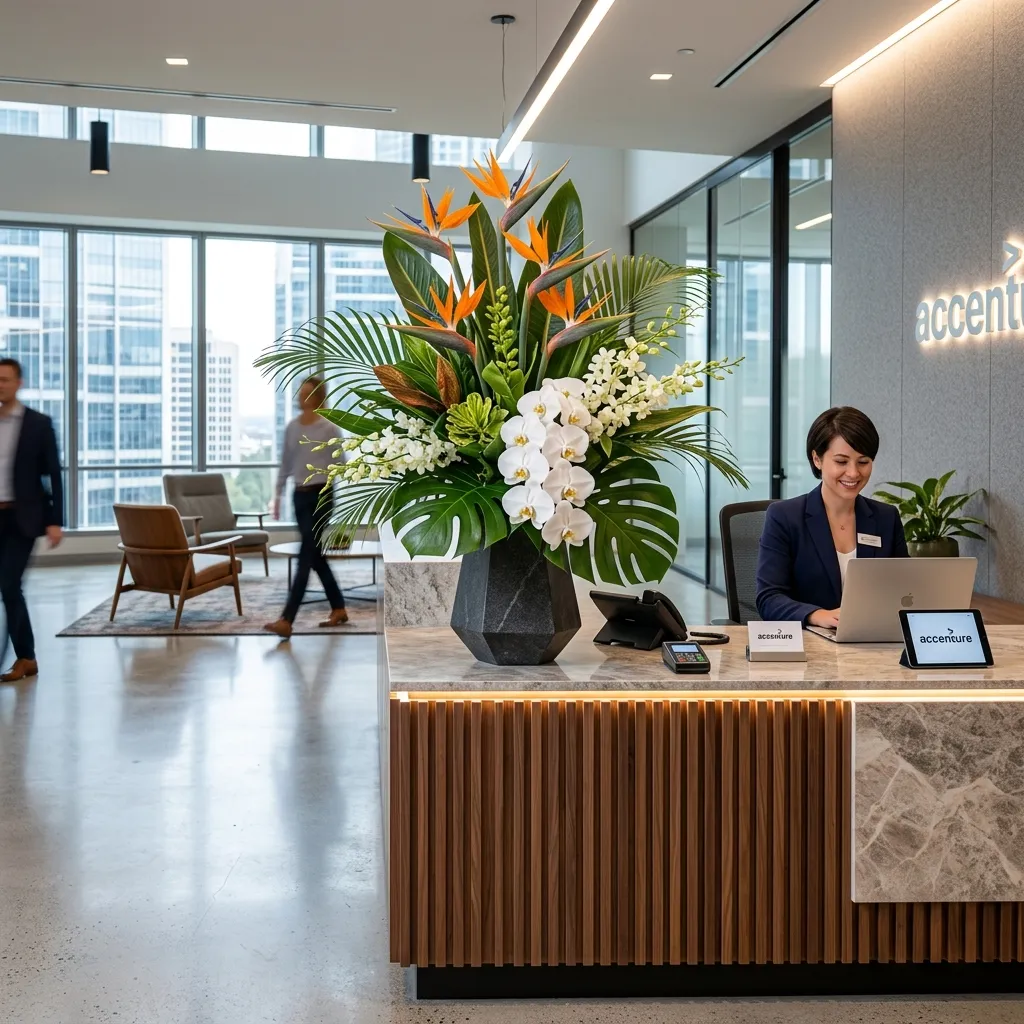
For event planners, hosts, florists, and design-conscious clients, understanding centerpiece design is a crucial skill. The best centerpieces balance beauty and function. They complement the venue, enhance the tablescape, support the event’s theme, and allow guests to see, speak, and enjoy themselves comfortably. Whether you are planning romantic wedding reception tables, refined dinner parties, or elaborate special events, mastering centerpiece design will help you create a cohesive and unforgettable setting.
This comprehensive guide explores everything you need to know about centerpieces: styles, materials, sizing, flower selection, budget strategy, tablescapes, seasonal considerations, venue logistics, installation tips, and professional design principles. If you want to create centerpieces that look elevated and feel purposeful, this masterclass will give you the framework to do it with confidence.
What Is a Centerpiece and Why Does It Matter?
A centerpiece is the primary decorative arrangement placed at the center of a table. In floral design, this usually means an arrangement of flowers, greenery, candles, vessels, or a combination of these elements. In broader event design, centerpieces can also include sculptural objects, fruit displays, lanterns, books, fabric installations, or thematic decor pieces.
Centerpieces matter because they influence how a table feels and functions. A low, lush floral arrangement can create romance and intimacy. A tall, airy centerpiece can add drama and scale to a ballroom. A minimalist candle cluster may suit a modern dinner party, while a garden-style arrangement can soften a rustic wedding reception. The centerpiece often acts as the visual bridge between linens, dishware, chargers, stationery, lighting, and room decor.
In practical terms, the centerpiece must also respect the guest experience. It should not block sightlines, crowd the table, interfere with service, or feel disconnected from the rest of the event design. A successful centerpiece is one that enhances the environment without overpowering it.
Core Principles of Great Centerpiece Design
1. Balance Aesthetics and Function
The most beautiful centerpiece is not automatically the most effective. Your design must support conversation, dining, and movement. Guests should be able to see across the table, reach their plates comfortably, and enjoy the arrangement without feeling overwhelmed. In many cases, this means choosing either low designs that stay below eye level or tall designs that are intentionally elevated above sightlines.
2. Match the Scale to the Table and Venue
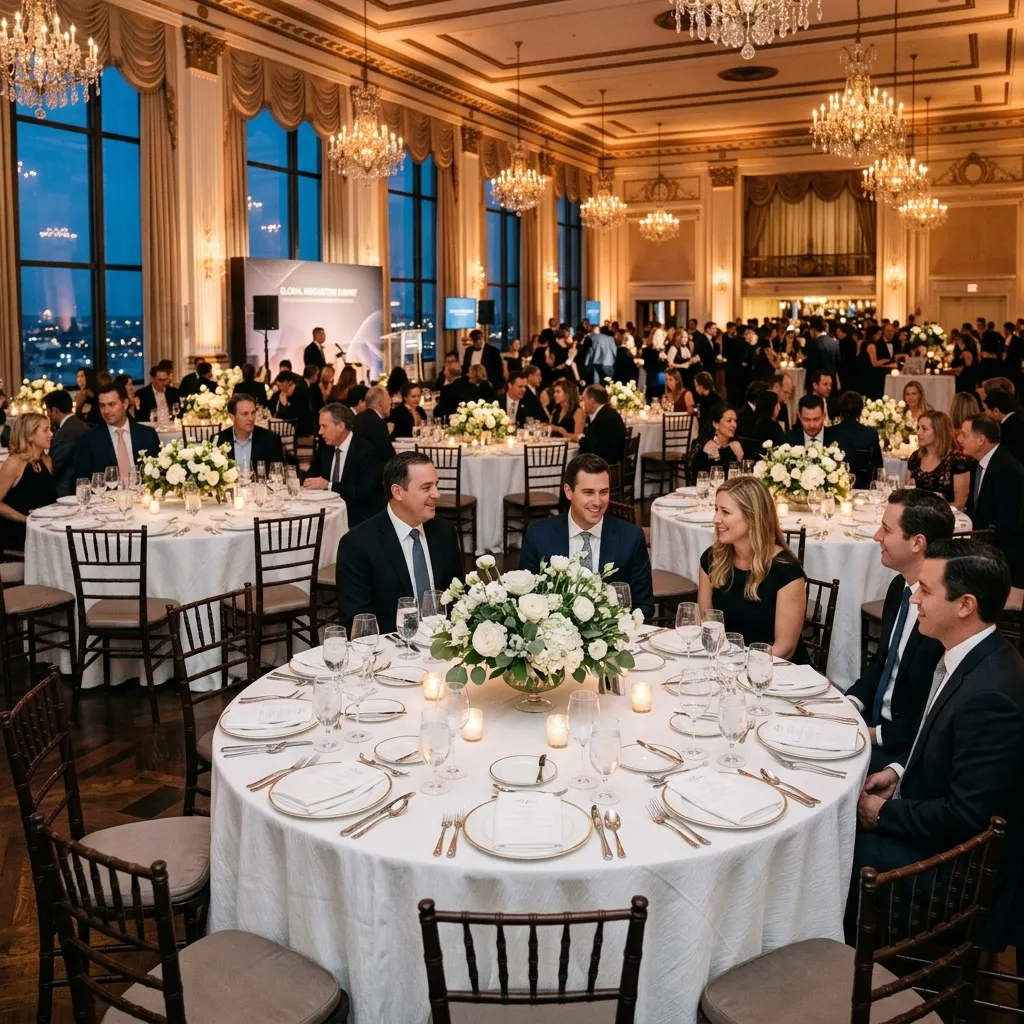
Scale is one of the most important principles in centerpiece design. A tiny arrangement on a long banquet table can look lost, while an oversized piece on a small round table can feel crowded. Always consider the dimensions of the table, the ceiling height, the room’s proportions, and the overall event style. Grandeur works beautifully in a ballroom; restraint often suits intimate spaces.
3. Create Harmony with the Event Theme
Centerpieces should feel like a natural extension of the event’s visual identity. A black-tie wedding may call for elegant roses, orchids, crystal, and candlelight. A garden wedding may lean into wildflowers, trailing greenery, and organic vessels. A corporate dinner may require sleek, polished compositions in a disciplined color palette. Every design choice should reinforce the theme rather than compete with it.
4. Use Color Intentionally
Color can unify the centerpiece with the linens, stationery, floral installations, and surrounding decor. Soft neutrals create timeless elegance. Bold tones add energy and personality. Monochromatic palettes feel sophisticated and modern, while complementary color schemes create visual richness. Color should be chosen not only for beauty, but also for emotional effect.
5. Incorporate Texture and Contrast
The most compelling centerpieces often combine varied textures: velvety petals, glossy leaves, airy grasses, matte ceramics, reflective glass, and flickering candlelight. Contrast creates depth and keeps arrangements from feeling flat. A centerpiece that uses only one texture may appear one-dimensional, while layered texture makes the design feel professionally composed.
Types of Centerpieces for Weddings, Dinner Parties, and Special Events
Floral Centerpieces
Floral centerpieces remain the most popular choice for weddings and formal events because flowers bring softness, movement, fragrance, and romance. They can be structured or organic, compact or sprawling, lush or minimal. The flower selection, vessel, and arrangement style together determine the overall effect.
Common floral centerpiece styles include compact low arrangements, garden-style compositions, monochromatic rose designs, mixed bloom arrangements, and flower-forward arrangements with cascading greenery. Florals are particularly effective for events that aim to feel elegant, celebratory, and emotionally resonant.
Candle Centerpieces
Candles introduce warmth, atmosphere, and an immediate sense of intimacy. They are especially effective for evening events, dinner parties, and romantic receptions. Candle centerpieces can be built entirely from candles or paired with florals and greenery for added dimension.
Popular candle centerpiece formats include taper candles in elegant holders, pillar candles in hurricanes, votive clusters, floating candles, and mixed-height candle groupings. When styled well, candles can make a room feel luxurious without requiring a large floral budget.
Mixed Media Centerpieces
Mixed media centerpieces combine flowers with candles, fruit, branches, lanterns, books, ceramics, metallic accents, or thematic objects. These arrangements are often ideal for hosts who want a curated, editorial look. Mixed media designs can add narrative and personality to an event while maintaining visual sophistication.
For example, a winter wedding might incorporate white blooms, silver candleholders, and evergreen branches. A vineyard dinner party might use grapes, olive branches, low greenery, and wine-colored flowers. A corporate gala might favor clean lines, glass vases, orchids, and metallic details.
Non-Floral Centerpieces
Not every centerpiece needs flowers. In some settings, non-floral designs may be more appropriate due to budget, season, style preference, or event concept. Non-floral centerpieces can include sculptural objects, bowl arrangements, potted herbs, fruit towers, stacked books, geometric installations, or modern candle displays.
These are especially useful for minimalist events, brand activations, contemporary dinner parties, and venues where florals are not the focus. They can be visually striking, cost-effective, and highly customized.
Edible and Interactive Centerpieces
For some events, centerpieces can serve both decorative and experiential purposes. Fruit arrangements, dessert towers, bread displays, herb planters, or interactive grazing-style tables can add charm and functionality. These are especially effective for dinner parties, showers, and casual celebrations where guests may appreciate a more relaxed, welcoming atmosphere.
Choosing the Right Centerpiece for the Occasion
Wedding Centerpieces
Wedding centerpieces should reflect the couple’s style, the formality of the event, and the overall ceremony aesthetic. Romantic weddings often feature garden roses, peonies, hydrangea, ranunculus, orchids, or seasonal blooms with soft greenery. Modern weddings may lean toward structural florals, calla lilies, anthuriums, or minimalist arrangements in sculptural vessels.
For weddings, it is also important to coordinate with the ceremony floral design, bridal bouquet, reception signage, linens, and lighting. The best wedding centerpieces feel like part of a larger story rather than isolated decor.
Dinner Party Centerpieces
Dinner party centerpieces should encourage conversation and comfort. They can be smaller, more intimate, and more personal than wedding arrangements. Since guests may sit around the table for an extended period, the centerpiece should allow clear sightlines and practical space for serving dishes.
Low arrangements, small grouped vases, candle clusters, and seasonal designs are especially effective for dinner parties. The centerpiece can echo the menu, season, or host’s style for a cohesive experience.
Special Event Centerpieces
Special events encompass a broad category: birthdays, anniversaries, galas, fundraisers, showers, milestone celebrations, and branded events. Centerpieces for these occasions should be tailored to the audience and purpose of the event.
A gala may require dramatic tall arrangements with premium flowers and elegant vessels. A birthday dinner may benefit from playful color and lively texture. A baby shower might call for soft, cheerful arrangements and delicate accents. Corporate events often work best with polished, brand-aligned styling that feels professional and visually consistent.
Understanding Table Shapes and Centerpiece Proportions
Round Tables
Round tables are ideal for low centerpieces because guests sit facing one another in a circular arrangement. A centerpiece should generally remain compact enough to preserve conversation flow. If you choose a tall arrangement, ensure it is visually elevated enough that guests can see beneath or around it.
Long Banquet Tables
Banquet tables often require a repeating centerpiece rhythm rather than one single arrangement. A series of small floral clusters, candles, or mixed objects can create a balanced look along the length of the table. This approach prevents the design from feeling isolated in one spot and helps the entire table feel thoughtfully styled.
Rectangular Tables
Rectangular tables can support either one central arrangement or multiple repeated elements. A linear arrangement may work well for modern or formal events, while smaller arrangements spaced evenly along the center can create a more relaxed and approachable feel.
Square Tables
Square tables often benefit from a single sculptural centerpiece or a symmetrical composition. Because the table has defined edges and balanced proportions, the centerpiece can be more architectural without feeling visually heavy.
Choosing Flowers for Centerpieces
Best Flowers for Classic Elegance
Roses, peonies, hydrangeas, tulips, orchids, and ranunculus are timeless choices for elegant centerpiece design. They offer broad appeal, graceful form, and adaptability across many event styles. These blooms work particularly well for weddings and formal dinners.
Best Flowers for Organic and Garden-Style Designs
For a more natural, airy, or garden-inspired look, consider dahlias, lisianthus, scabiosa, sweet peas, cosmos, delphinium, astilbe, and seasonal greenery. These flowers create movement and softness, making arrangements feel collected rather than overly structured.
Best Flowers for Modern and Minimalist Designs
Calla lilies, anthuriums, orchids, amaryllis, protea, and tulips can deliver a contemporary aesthetic. These flowers often have strong silhouettes and clean lines, which pair beautifully with sleek vessels and restrained palettes.
Best Flowers for Rustic or Seasonal Events
Sunflowers, chrysanthemums, marigolds, carnations, local wildflowers, branches, berries, and seasonal foliage can bring warmth and charm to rustic events. These materials are also helpful when designing with a more moderate budget or embracing a specific seasonal feel.
Color Theory for Centerpiece Design
Monochromatic Palettes
A monochromatic centerpiece uses variations of one color, such as blush, ivory, white, or deep burgundy. This approach creates sophistication and visual unity. It is especially effective for weddings and formal events where cohesion is essential.
Analogous Palettes
Analogous colors sit near each other on the color wheel, such as pink, peach, and coral or blue, lavender, and violet. These palettes feel harmonious and soft. They are a great way to add depth without creating harsh contrast.
Complementary Palettes
Complementary colors, such as blue and orange or purple and yellow, create high energy and strong visual impact. They should be handled carefully in centerpieces to avoid appearing too loud, but when balanced well, they can bring excitement and personality to special events.
Neutral Palettes
Whites, creams, taupes, greens, and soft blush tones are among the most versatile centerpiece colors. Neutral palettes allow texture, shape, and candlelight to become the stars of the design. They are ideal for weddings, upscale dinners, and luxury events.
Vessels, Bases, and Display Elements
Glass Vases
Glass vases are versatile and elegant, suitable for modern, classic, or minimalist arrangements. Clear glass works well when you want the flowers to feel weightless or when the stems are part of the design. Colored glass can introduce subtle tint and mood.
Ceramic and Pottery Containers
Ceramic vessels lend warmth, artistry, and an handcrafted quality. They are especially effective for rustic, organic, or editorial styling. Matte finishes often feel more current, while glazed finishes can add subtle sheen.
Metallic Holders
Gold, silver, brass, and black metal vessels or candleholders can add formality and polish. These elements are especially popular for weddings, black-tie events, and holiday celebrations. Use metallics intentionally so they enhance rather than dominate the table.
Compotes, Pedestals, and Low Bowls
Compotes and pedestal bowls create a refined, elevated presentation. They are excellent for low floral arrangements because they lift the design slightly without obstructing sightlines. They also help centerpieces feel substantial and finished.
Mirrors, Trays, and Decorative Surfaces
Mirrored bases or decorative trays can expand the visual presence of a centerpiece and help contain candles or smaller objects. They may be especially useful for glamorous or modern events, but they should be used thoughtfully to avoid clutter or distracting reflections.
How to Design a Stunning Centerpiece Step by Step
Step 1: Define the Event Purpose and Mood
Before selecting flowers or vessels, identify the emotional goal of the event. Should the space feel romantic, formal, celebratory, luxurious, modern, relaxed, or whimsical? The centerpiece should reinforce that mood immediately.
Step 2: Assess the Table and Venue
Measure the tables, note the ceiling height, evaluate the room lighting, and consider the overall architectural style. The venue may influence whether you choose low or tall centerpieces, dense or airy compositions, and soft or bold colors.
Step 3: Set a Budget
Budget affects flower types, vessel choices, size, labor, and quantity. A clear budget helps determine where to invest for maximum visual impact. Sometimes fewer, larger arrangements are better than many small ones; other times, repeated simpler centerpieces create a stronger overall effect.
Step 4: Build a Color and Material Palette
Choose flowers, greenery, candles, vessels, and accent materials that all work together. Keep the palette focused. Too many colors or finishes can make even expensive designs appear disjointed.
Step 5: Establish Height and Shape
Decide whether the arrangement will be low, tall, airy, compact, cascading, or sculptural. Height should always be considered in relation to the guest experience and venue sightlines.
Step 6: Add Texture and Secondary Elements
Once the primary flowers are in place, incorporate supporting blooms, foliage, candles, or accents to create depth. This is where the centerpiece becomes layered and professional rather than flat.
Step 7: Evaluate from Guest Perspective
Look at the centerpiece from seated eye level. Can guests converse comfortably? Is the arrangement stable? Does it look beautiful from multiple angles? A centerpiece should be considered as part of the guest’s lived experience, not only as a photo object.
Low Centerpieces vs Tall Centerpieces
When to Choose Low Centerpieces
Low centerpieces are ideal for conversation-heavy events, intimate dinner parties, and round table layouts. They create a cozy, grounded feel and are often easier to coordinate with multiple place settings. They also work well for lush floral designs that showcase abundance without blocking views.
When to Choose Tall Centerpieces
Tall centerpieces are effective when you want drama, luxury, or vertical interest. They are often used in ballrooms, large venues, and formal receptions where the design needs to hold space in a grand room. Tall arrangements must be carefully engineered so they do not feel unstable or visually top-heavy.
When to Mix Both
Alternating low and tall centerpieces can create rhythm across a room and prevent visual monotony. This strategy works especially well for large weddings and special events with multiple tables. Variety can make the room feel layered and intentional.
Candle Safety and Practical Considerations
Candles are beautiful, but they require careful planning. Always consider venue rules, fire safety, HVAC airflow, and placement near fabrics or floral materials. Use appropriate holders, flame protection, and stable surfaces. In some venues, flameless candles may be the better choice, particularly where open flame is restricted.
When combining candles with flowers, ensure enough space so petals do not come in contact with heat sources. For tall taper candles, make sure they are secure and level. For floating or pillar candles, use the correct vessel and keep waterlines clean. Safety should never be sacrificed for style.
Seasonal Centerpiece Planning
Spring Centerpieces
Spring centerpieces often feature soft pastels, airy greenery, tulips, ranunculus, peonies, hyacinth, and other fresh blooms. The mood is typically light, romantic, and full of renewal. Spring arrangements often benefit from gentle movement and a natural finish.
Summer Centerpieces
Summer designs may include vibrant colors, garden roses, dahlias, hydrangeas, zinnias, and bold greenery. Summer centerpieces often feel abundant and energetic. They can incorporate bright fruit, textured foliage, or outdoor-friendly vessels.
Fall Centerpieces
Fall centerpieces naturally lean into warmth: burgundy, amber, rust, gold, copper, and deep green. Seasonal elements such as berries, branches, dried grasses, and textured blooms help capture the richness of autumn. These arrangements often feel cozy, layered, and tactile.
Winter Centerpieces
Winter centerpieces can be crisp, elegant, and atmospheric. White blooms, evergreen, amaryllis, orchids, berries, metallic accents, and candles are especially effective. Winter designs may emphasize texture and glow more than volume.
Budgeting for Centerpieces
Centerpieces can represent a major portion of an event floral budget, but there are many ways to maximize value. The key is understanding where visual impact comes from. Premium flowers can be used strategically in focal areas, while supporting blooms and greenery help stretch the design. Reusable vessels, seasonal selections, and intentional repetition can also help manage costs.
If the budget is limited, consider these strategies: use fewer varieties of flowers for a more refined and cost-effective palette, mix floral and non-floral elements, choose smaller arrangements repeated across tables, or focus your most elaborate designs on high-visibility tables such as the sweetheart table, head table, or VIP tables.
Common Centerpiece Mistakes to Avoid
- Ignoring scale: A centerpiece that is too big or too small for the table will always feel off balance.
- Blocking conversation: If guests cannot see each other comfortably, the centerpiece is too obstructive.
- Using too many colors: An unfocused palette can make the design feel busy rather than elegant.
- Overcrowding the table: Centerpieces should leave practical space for dining essentials.
- Forgetting venue lighting: What looks beautiful in daylight may read differently under candles or dim reception lighting.
- Neglecting the vessel: The container is part of the design and should not be an afterthought.
- Choosing flowers without considering durability: Some blooms may wilt quickly in heat or long event timelines.
- Missing the theme connection: A centerpiece should belong to the event, not feel randomly selected.
Centerpiece Trends in Modern Event Design
Organic, Loose Arrangements
Many modern events favor airy, natural compositions that feel less formal and more editorial. These arrangements often include movement, asymmetry, and varied bloom sizes.
Textural Minimalism
Rather than using many colors or flowers, some designers focus on texture and form. A restrained palette with carefully chosen materials can feel incredibly sophisticated.
Statement Vessels
Vessels are increasingly becoming focal points in their own right. Sculptural ceramics, artistic glass, and custom metalwork can make even simple florals feel special.
Layered Tablescapes
Centerpieces are now often designed as part of a complete tabletop experience. This includes napkins, menus, chargers, glassware, candles, and floral elements working together as one design story.
Working with a Florist for Centerpieces
Collaborating with an experienced florist can dramatically improve both the beauty and practicality of your event design. A skilled floral professional will help you choose appropriate flowers, define the right scale, manage seasonality, and anticipate logistical challenges. Florists understand how flowers behave under different conditions, how to protect arrangements during transport, and how to coordinate centerpieces with overall event styling.
When consulting with a florist, be prepared to share your venue details, guest count, table layout, inspiration images, budget range, and event timeline. The more information you provide, the more accurately the florist can design centerpieces that fit both your aesthetic and practical goals.
Final Thoughts: Designing Centerpieces That Guests Remember
The best centerpieces do not simply decorate a table. They shape the emotional tone of an event, guide the visual story, and elevate every guest’s experience. Whether you are planning a wedding reception, an elegant dinner party, or a major special event, centerpiece design deserves careful attention and expert-level thought.
Start with purpose. Respect scale. Choose flowers, vessels, candles, and textures with intention. Design for both beauty and comfort. When all of these elements come together, your centerpieces will not just fill space; they will define it.
At Flowers El Ranchito, we believe every table deserves thoughtful artistry. The right centerpiece can turn a gathering into a memory, a meal into an occasion, and a venue into an unforgettable setting. With the right design strategy, your centerpieces can become one of the most admired features of your event.
Frequently Asked Questions
Direct answers regarding flower delivery, custom ordering, and arrangements in the San Fernando Valley.
How tall should a wedding centerpiece be? ▾
A wedding centerpiece should either stay low enough for easy conversation or rise high enough to clear sightlines completely. The risky zone is the middle, where guests have to look through flowers. As a rule, low arrangements are usually under 14 inches, while tall designs should lift above seated eye level with a stable, elegant structure.
What flowers work best for dinner party centerpieces? ▾
Dinner parties do best with flowers that feel refined but not overpowering, such as garden roses, spray roses, ranunculus, hydrangea, tulips, orchids, lisianthus, and seasonal greenery. The best choice depends on the mood: soft and romantic for intimate dinners, structured and modern for formal settings, or colorful and loose for relaxed celebrations.
How far in advance should centerpieces be ordered? ▾
For weddings and major events, centerpieces should ideally be planned several months ahead, especially if specific flowers or vessels are needed. For smaller dinner parties, two to four weeks is often enough, but the earlier you reserve your florist, the better the access to premium blooms, custom containers, and thoughtful design revisions.
Request a Custom Order or Quote
Planning an event or looking for fresh bouquets? Tell us your vision and our Mission Hills floral designers will contact you with options & pricing.