The Ultimate Guide to Wedding Floral Arrangements
Wedding floral arrangements do far more than decorate a venue. They establish the mood of the celebration, express the couple’s style, support the color palette, guide the eye through the ceremony and reception spaces, and create unforgettable moments in photographs. From the bride’s bouquet to the ceremony arch, from centerpieces to cake flowers, every floral detail contributes to the overall experience of the day. Choosing the right wedding flowers is both an art and a planning process, requiring careful attention to seasonality, budget, venue design, color harmony, and personal meaning.
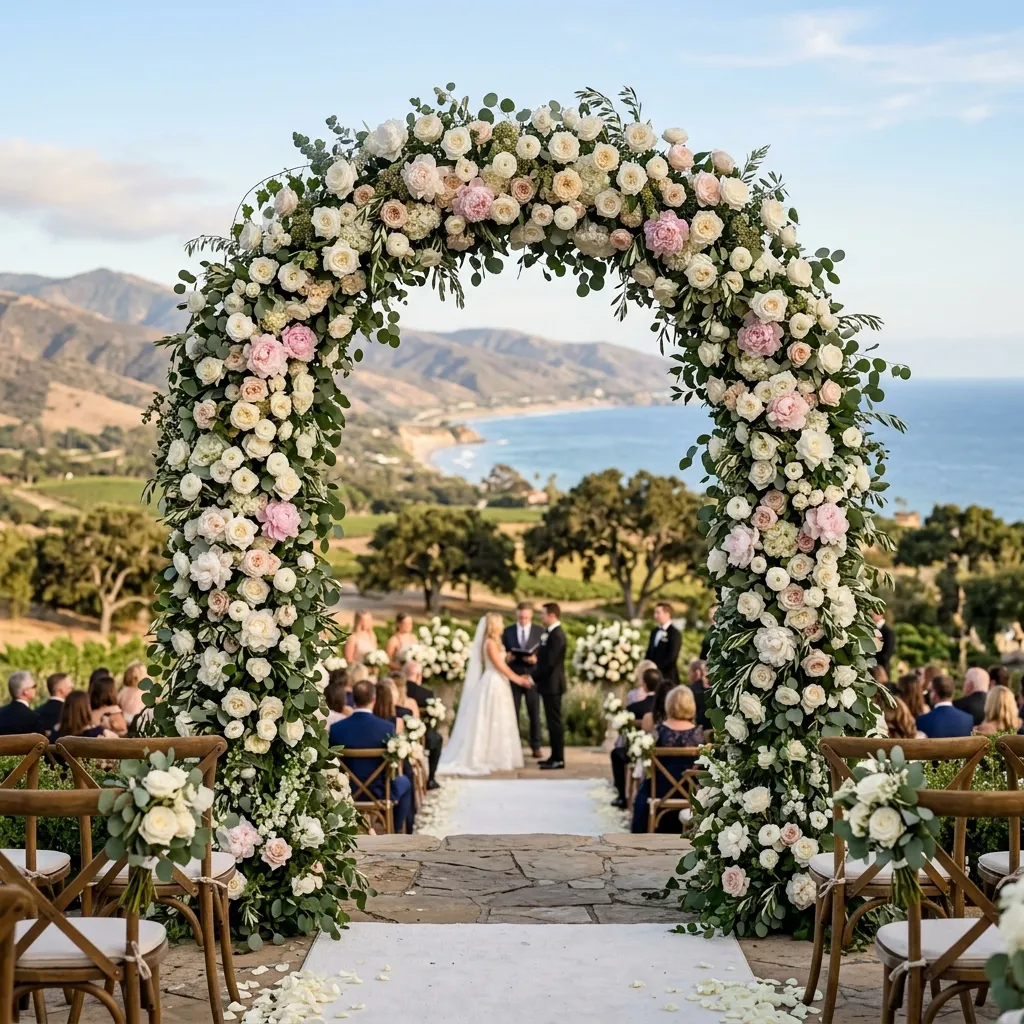
This comprehensive guide covers everything you need to know about wedding floral arrangements, including the major flower elements, style considerations, budgeting, seasonal flower choices, centerpiece design, bouquet planning, ceremony florals, reception installations, preservation options, and expert tips for working with a florist. Whether you are planning an intimate gathering or a grand celebration, this guide will help you approach wedding flowers with clarity and confidence.
Why Wedding Floral Arrangements Matter
Flowers are one of the most emotionally resonant elements of a wedding. They bring softness, romance, fragrance, and movement to a space. Just as importantly, they help unify all the visual components of the event, including linens, attire, décor, lighting, and signage. A thoughtfully designed floral plan can transform even the simplest venue into something memorable and elegant.
Wedding floral arrangements also carry symbolic meaning. Roses may represent romance, peonies abundance and prosperity, lilies purity, and orchids luxury and sophistication. While symbolic meaning is not required in floral design, many couples enjoy choosing flowers that reflect their relationship, cultural traditions, family heritage, or favorite memories.
In practical terms, flowers serve several key design functions:
- They define the ceremony and reception atmosphere.
- They create photo-friendly focal points.
- They connect the color story throughout the event.
- They help guide guests through different spaces.
- They elevate tablescapes and architectural features.
Understanding the Main Types of Wedding Floral Arrangements
Before building a floral plan, it helps to understand the major categories of wedding flowers. Each component serves a different purpose and can be designed in many styles, from classic and traditional to modern and editorial.
The Bridal Bouquet
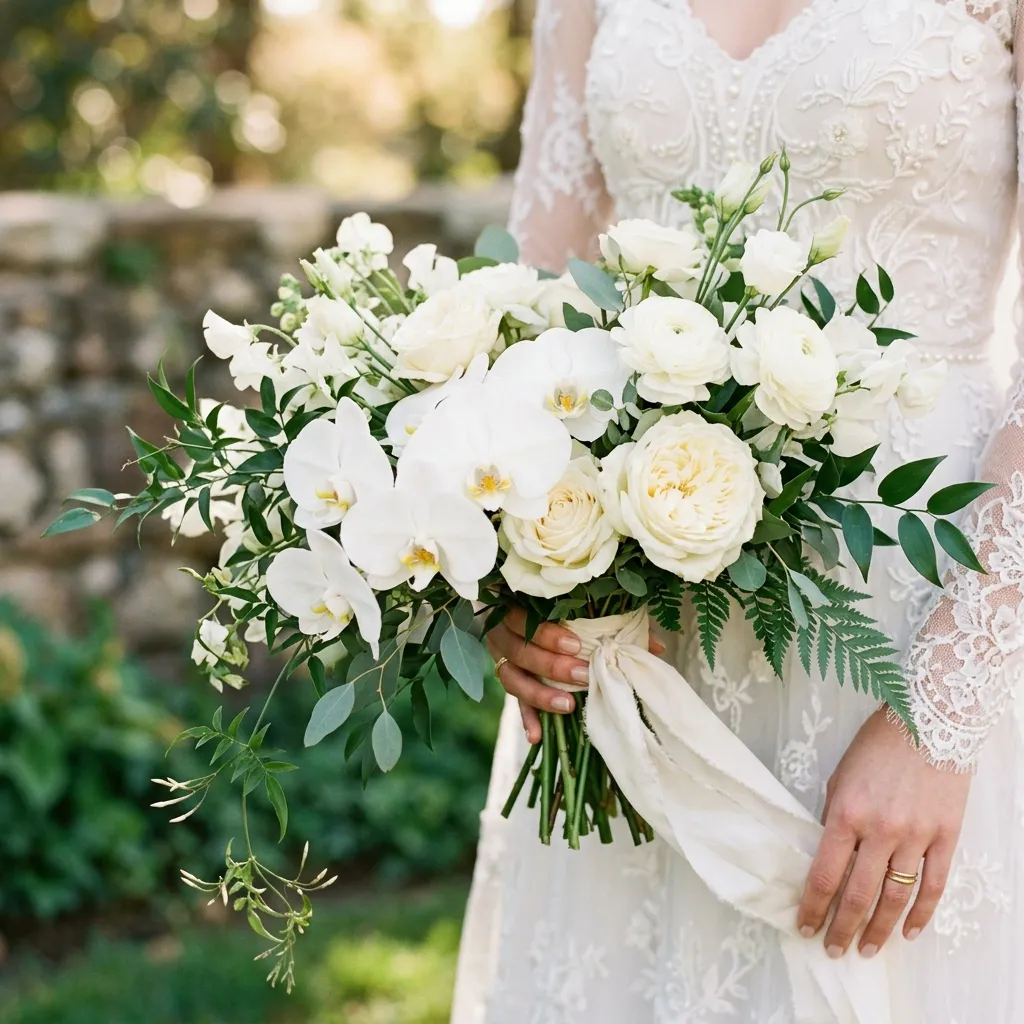
The bridal bouquet is one of the most iconic floral elements in a wedding. It should complement the bride’s dress, personal style, and overall color palette. Bouquets can be hand-tied, cascading, posy-style, minimalist, or large and dramatic. The bouquet is also central in many photographs, making its design especially important.
Popular bridal bouquet styles include:
- Round bouquet: A compact, polished, classic shape.
- Hand-tied bouquet: Loose, organic, and natural in appearance.
- Cascade bouquet: Elegant and flowing, with blooms trailing downward.
- Posy bouquet: Small and gathered, ideal for simpler wedding styles.
- Garden-style bouquet: Lush, layered, and romantic with mixed textures.
Bridesmaid Bouquets
Bridesmaid bouquets should coordinate with the bridal bouquet without competing with it. They are typically smaller and slightly simpler, though they may follow the same floral theme. Many couples use bridesmaid bouquets to reinforce the wedding color palette and create visual harmony in photos.
Design options include matching mini versions of the bride’s bouquet, monochromatic arrangements, or bouquets featuring one or two accent flowers used throughout the wedding design.
Boutonnieres
Boutonnieres are small floral accents worn by grooms, groomsmen, fathers, and other honored guests. They are usually pinned to the lapel and often echo flowers found in the bridal bouquet or centerpieces. Boutonnieres are typically designed with durable blooms and greenery, since they must remain neat throughout the event.
Corsages
Corsages are traditionally worn by mothers, grandmothers, and other special guests. They can be designed as wrist corsages, pin-on corsages, or elegant floral accessories attached to handbags or wraps. Modern wedding trends have expanded corsage design to include more understated, wearable floral pieces.
Ceremony Floral Arrangements
Ceremony florals set the tone for the “I do” moment and frame the couple during vows. These arrangements can be minimal or expansive depending on the venue and budget. Common ceremony flowers include altar pieces, aisle markers, pew ends, ground arrangements, floral arches, floral pillars, and aisle runner accents.
Reception Centerpieces
Centerpieces are among the most visible wedding floral arrangements because they shape the dining experience. They can be low and intimate, tall and dramatic, or a combination of both. Their purpose is to enhance the tablescape without obstructing conversation.
Statement Installations
Statement installations are the large-scale floral features often seen in luxury weddings. These may include hanging floral chandeliers, floral walls, entryway arches, staircase installations, ceiling gardens, sweetheart table backdrops, and tent draping integrated with flowers. These designs create unforgettable impact and photograph beautifully.
Additional Floral Details
Beyond the major arrangements, flowers can appear in many subtle places throughout the event. These details include cake flowers, bar arrangements, welcome sign florals, chair adornments, escort card table accents, bathroom arrangements, and floral touches in lounge areas. These smaller elements may seem minor, but they contribute to a cohesive and polished guest experience.
Choosing a Wedding Floral Style
Your floral style should reflect the overall aesthetic of the wedding. Flowers are most successful when they support the venue, attire, lighting, and color palette rather than standing apart from them.
Classic and Elegant
Classic wedding florals feature refined shapes, symmetry, and timeless blooms such as roses, calla lilies, hydrangeas, and peonies. These arrangements often use white or blush tones with understated greenery. They work beautifully in ballrooms, churches, and formal venues.
Romantic and Garden-Inspired
Garden-style florals are lush, organic, and full of movement. They often include layered blooms, delicate textures, and soft color transitions. This style is ideal for outdoor weddings, estates, vineyards, and historic settings.
Modern and Minimalist
Modern wedding florals tend to feature clean lines, limited color palettes, and carefully chosen architectural flowers such as orchids, anthuriums, tulips, or calla lilies. These arrangements work well in contemporary venues and urban spaces.
Bohemian and Free-Flowing
Boho wedding flowers are relaxed, textural, and asymmetrical. They may include pampas grass, dried elements, wildflowers, eucalyptus, and earthy tones. This style is often used for desert, rustic, beach, or open-air weddings.
Luxurious and Dramatic
For couples seeking high-impact design, luxury floral arrangements may feature abundant blooms, bold color palettes, oversized installations, and sculptural forms. These arrangements are often designed to create a sense of grandeur and exclusivity.
How to Choose the Right Wedding Flowers
Selecting flowers involves more than simply choosing what looks beautiful in a photo. Several factors should shape the final decision, including seasonality, durability, color, fragrance, symbolism, and budget.
Consider the Season
Seasonal flowers are usually more affordable, fresher, and easier to source in abundance. They also tend to look more natural in a given time of year. While many flowers are available year-round due to global sourcing, choosing seasonal blooms often results in better value and better quality.
Examples of seasonal considerations:
- Spring: Peonies, ranunculus, tulips, sweet peas, lilacs, daffodils.
- Summer: Roses, dahlias, hydrangeas, zinnias, sunflowers, lisianthus.
- Fall: Chrysanthemums, marigolds, dahlias, amaranthus, calla lilies.
- Winter: Amaryllis, roses, orchids, anemones, camellias, evergreens.
Think About Color Palette
Color is one of the most important elements in floral design. Your flowers should connect with the bridesmaid dresses, linens, stationery, venue finishes, and lighting. Some couples prefer soft monochromatic palettes, while others opt for complementary tones or bold contrasts.
When selecting color, consider the emotional atmosphere you want to create:
- White and green: Clean, timeless, serene.
- Blush and champagne: Romantic and delicate.
- Deep jewel tones: Rich, dramatic, and luxurious.
- Bright mixed hues: Joyful, festive, and energetic.
- Earth tones: Organic, warm, and grounded.
Account for Fragrance
Fragrance can be a lovely enhancement, but it should be used thoughtfully. Highly fragrant blooms such as garden roses, lilies, stock, and hyacinths may be perfect for some weddings, while others may prefer low-fragrance flowers for comfort and practicality. Strong scents can be overwhelming in enclosed spaces or for guests with sensitivities.
Think About Durability
Some flowers are more resilient than others. If your event is outdoors, in heat, or over many hours, durability matters. A florist can recommend blooms that hold up well and remain fresh throughout the event. This is especially important for bouquets, boutonnieres, and installations that must withstand transportation and timing delays.
Honor Meaning and Tradition
Many couples choose flowers with personal or cultural significance. You may want to include a flower from a family garden, a bloom associated with your heritage, or flowers that reflect your wedding season. These details add depth and emotion to the floral story.
Wedding Bouquet Design: What to Know
The bridal bouquet should feel balanced with the dress, body frame, and event style. A bouquet that is too large may overwhelm a petite gown, while one that is too small may get lost in photographs. The right bouquet enhances the bride’s look and supports the overall wedding aesthetic.
Bouquet Shape and Scale
Shape matters as much as flower selection. Round bouquets feel structured and formal, while hand-tied bouquets feel looser and more natural. Cascading bouquets bring drama and elegance. A florist will typically consider the silhouette of the dress, the height of the bride, and the visual weight of the arrangement.
Texture and Movement
Modern bouquets often use a mix of focal flowers, smaller accent blooms, greenery, and delicate elements to create movement. This layered approach makes the bouquet more dimensional and photogenic. Texture can be added with flowers like astilbe, scabiosa, sweet pea, anemones, fern, eucalyptus, and roses of different sizes.
Ribbon and Finishing Details
Bouquet wrapping is an often-overlooked design detail. Silk ribbon, velvet ribbon, satin, lace, or custom fabric can elevate the bouquet and coordinate with the wedding style. The handle should feel comfortable in the bride’s hand and look polished in photos.
Designing Ceremony Floral Arrangements
Ceremony flowers should create a meaningful backdrop for the vows while supporting the space rather than overpowering it. The amount and style of florals depend heavily on the venue itself. A scenic outdoor location may require only minimal arrangements, while a simple indoor venue may need more floral design to create atmosphere.
Floral Arches and Arbors
Floral arches are among the most iconic ceremony features. They frame the couple during the exchange of vows and can be designed in countless ways, from asymmetrical garden installations to full, overflowing arches. Arches work particularly well in outdoor ceremonies, but they can also be used indoors as a focal backdrop.
Altar and Chancel Arrangements
Altar flowers are often arranged symmetrically for traditional ceremonies, though modern designs may use asymmetrical compositions or clustered floor arrangements. The goal is to frame the ceremony space beautifully without obstructing the couple or officiant.
Aisle Markers
Aisle markers add rhythm and visual interest along the processional path. These can be small arrangements tied to chairs or pews, floral clusters at the end of rows, petals scattered down the aisle, or compact pedestals placed at intervals. Aisle flowers are especially effective in long or dramatic ceremony spaces.
Ground Arrangements
Ground floral arrangements are increasingly popular for their organic, contemporary look. These arrangements sit at floor level and create a layered effect that feels lush and immersive. They are particularly useful for framing altars, arches, and platform stages.
Wedding Reception Floral Arrangements
The reception is where floral design can become more expansive and expressive. Flowers help define guest tables, sweetheart tables, bars, lounges, and entry points. They should enhance the dining experience while also contributing to the overall ambience.
Low Centerpieces
Low centerpieces are ideal for conversation-friendly dining. They should be attractive from all sides and allow guests to see one another comfortably across the table. These arrangements often use layered blooms in bowls, compotes, or low vessels, sometimes mixed with candles for added warmth.
Tall Centerpieces
Tall centerpieces create drama and sophistication. They may feature elevated arrangements, branching elements, or floral designs atop pedestals or tall stands. When designed correctly, they draw the eye upward and make a room feel more spacious. However, they must be positioned carefully so they do not block sightlines.
Sweetheart Table Flowers
The sweetheart table is often a focal point for photographs during the reception. Floral accents here can include a lush runner, hanging backdrop florals, side arrangements, or a statement installation behind the couple. This area should feel special and visually distinct from the guest tables.
Bar, Lounge, and Entryway Florals
Floral arrangements at the bar, escort card display, guest book table, and lounge spaces help extend the floral story beyond the dining tables. These smaller designs can be playful, elegant, or artistic and are an excellent way to maximize impact in high-traffic guest areas.
Dance Floor and Ceiling Installations
In larger weddings, the dance floor can be transformed with overhead floral chandeliers, suspended greenery, or hanging installations. These elements create a sense of immersion and help define the party atmosphere. Ceiling florals are especially effective in tents and ballrooms.
How to Build a Floral Budget
Wedding floral budgets vary widely based on event size, design complexity, flower types, labor, setup, and location. Couples often underestimate the labor involved in wedding florals, but a significant portion of the cost comes from design time, preparation, transportation, and on-site installation.
What Influences Floral Cost
- Number of guests and tables
- Size of the bridal party
- Choice of premium blooms
- Need for custom installations
- Delivery and setup logistics
- Venue access and time restrictions
- Reuse of ceremony flowers at reception
How to Prioritize Spending
If your budget is limited, prioritize the floral elements that matter most to you and are most visible in photos. Common priorities include the bridal bouquet, ceremony focal point, sweetheart table, and reception centerpieces. Couples often save money by using more greenery, selecting seasonal flowers, limiting the number of large installations, and repurposing ceremony florals for the reception.
Smart Ways to Maximize Value
- Choose in-season blooms.
- Repurpose ceremony arrangements at the reception.
- Use statement flowers strategically rather than everywhere.
- Mix premium blooms with more affordable supporting flowers.
- Concentrate design in high-impact areas.
- Opt for fewer, larger arrangements instead of many small ones.
Working With a Wedding Florist
A skilled florist brings technical expertise, design knowledge, and practical problem-solving to your wedding. Working with a professional is especially valuable because floral design involves more than choosing flowers; it requires planning around availability, freshness, mechanics, timing, delivery, and venue conditions.
What to Share With Your Florist
To create the best proposal, your florist will need key information such as your wedding date, venue, guest count, color palette, dress style, inspiration images, budget range, and any specific flowers you love or want to avoid. The more detail you provide, the better the design recommendation will be.
Questions to Ask
- Which flowers are in season on my wedding date?
- What floral elements should be prioritized for my budget?
- Can ceremony flowers be repurposed for the reception?
- How do you handle delivery, setup, and breakdown?
- What substitutions might be needed if certain blooms are unavailable?
How to Read a Floral Proposal
A floral proposal should clearly outline the arrangement types, quantities, flower suggestions, color palette, labor costs, delivery fees, and any installation details. Ask for clarification if any line item is unclear. A professional florist should be able to explain how each part of the proposal contributes to the design plan.
Seasonal Wedding Floral Guide
Seasonality has a major effect on flower selection and design. Choosing flowers that are naturally abundant during your wedding season often results in better quality, better value, and more design flexibility.
Spring Wedding Flowers
Spring weddings often feature soft, romantic blooms such as peonies, ranunculus, tulips, sweet peas, hellebores, and anemones. The palette may include blush, lavender, coral, cream, and fresh greens. Spring arrangements often feel delicate, airy, and fresh.
Summer Wedding Flowers
Summer florals are typically abundant and colorful. Roses, hydrangeas, dahlias, zinnias, lisianthus, sunflowers, and delphinium are popular choices. Summer weddings may embrace vibrant palettes, lush greenery, and bold statement flowers.
Fall Wedding Flowers
Autumn arrangements often include rich, warm colors and textured blooms such as dahlias, amaranthus, marigolds, chrysanthemums, roses, and berries. Earthy tones, rust, burgundy, copper, and amber are especially popular in fall floral design.
Winter Wedding Flowers
Winter weddings can feel exceptionally elegant with amaryllis, roses, orchids, anemones, hellebores, camellias, evergreens, and branches. Deep jewel tones, silver accents, ivory, and dark greenery often suit the season beautifully.
Floral Design for Different Wedding Themes
Wedding flowers should reflect the venue and theme rather than follow trends blindly. A vineyard wedding may call for loose, natural compositions, while a black-tie ballroom wedding may require more formal symmetry.
Rustic Weddings
Rustic floral arrangements often include wildflowers, textured greenery, sunflowers, daisies, baby’s breath, and natural vessels like wood boxes, mason jars, or ceramic containers. The overall effect should feel earthy and approachable.
Beach Weddings
Beach wedding flowers often lean toward light, breezy designs that can withstand wind and heat. Orchids, tropical blooms, white roses, and greenery work well. Arrangements should be secure, low-profile, and resistant to the coastal environment.
Luxury Ballroom Weddings
Ballroom weddings often feature sophisticated floral design with tall centerpieces, full ceremony arrangements, chandeliers, and abundant candlelight. The floral palette may be classic white, romantic blush, or rich jewel tones.
Garden and Outdoor Weddings
Garden-inspired weddings benefit from floral arrangements that look as though they belong in the landscape. Loose shapes, layered textures, and soft transitions between blooms create a natural and enchanting look.
Common Mistakes to Avoid With Wedding Flowers
Even beautiful flowers can miss the mark if they are not planned carefully. Avoiding common pitfalls can help you get the most out of your floral investment.
Choosing Flowers Without Considering the Venue
A grand arrangement may look beautiful in a ballroom but feel out of place in a small garden setting. Flowers should suit the scale, architecture, and lighting of the venue.
Ignoring Seasonality
Requesting out-of-season flowers may increase cost and reduce consistency. Unless a specific bloom is essential, it is usually wise to embrace what is naturally available.
Overcrowding the Tables
Centerpieces should enhance the table, not dominate it. If flowers obstruct guest conversation or take up too much dining space, they become impractical.
Forgetting Transportation and Setup
Wedding flowers need proper handling, cooling, transport, and installation. A plan must be in place for moving arrangements safely from the studio to the venue and setting them up on time.
Not Allocating Enough Budget for Labor
Large installations, custom arches, and complex designs require significant labor. Budgeting only for blooms without accounting for design and logistics can lead to unpleasant surprises.
How to Repurpose Wedding Flowers
Repurposing flowers is one of the most effective ways to increase value. Ceremony arrangements can often be moved to the reception after the vows, while bridesmaid bouquets can decorate the cake table, gift table, or guest book area later in the evening.
Common repurposing opportunities include:
- Moving altar pieces to the sweetheart table.
- Using aisle markers on buffet stations or welcome tables.
- Repositioning arch florals for photo backdrops.
- Placing bridesmaid bouquets in decorative vases at the reception.
- Reusing large arrangements near entryways or lounges.
Preserving Wedding Flowers After the Event
Many couples want to keep at least part of their wedding florals as a memory of the day. There are several preservation options, including air-drying, pressing, resin preservation, or working with a professional flower preservation specialist. Bouquets can also be carefully photographed and kept in shadow boxes or memory displays.
If you plan to preserve flowers, tell your florist ahead of time so delicate blooms can be selected and handled appropriately. Roses, ranunculus, and certain greenery types often preserve well, while more fragile flowers may be less suitable.
Sustainable Wedding Floral Practices
Sustainability is increasingly important in wedding planning. Couples who want to reduce waste can work with a florist on more eco-conscious choices. This may include using seasonal and locally grown flowers, avoiding floral foam when possible, repurposing arrangements, donating flowers after the event, and designing with reusable vessels.
Eco-friendly floral design can still feel luxurious and beautiful. In fact, sustainable choices often support better freshness and a more authentic seasonal look.
Final Tips for Beautiful Wedding Floral Arrangements
The most successful wedding florals are not just beautiful individually; they work together as a cohesive design system. Every bouquet, centerpiece, and installation should contribute to the same visual story. Keep the following principles in mind as you plan:
- Start with the venue and color palette.
- Prioritize the floral elements most visible in photos.
- Use seasonality to guide selection.
- Balance beauty with practicality.
- Work with an experienced florist who understands your style.
- Think about how the flowers will look from every angle.
- Include meaningful details that reflect your personality and story.
Conclusion: Creating Wedding Florals That Feel Personal and Timeless
Wedding floral arrangements are among the most expressive and transformative elements of a celebration. They create atmosphere, elevate design, and add emotional depth to the day. Whether your vision is soft and romantic, bold and modern, lush and garden-inspired, or classic and refined, the right floral design can bring that vision to life with elegance and intention.
By understanding the different types of wedding floral arrangements, choosing blooms carefully, working with the season, prioritizing your budget, and collaborating with a skilled florist, you can create flowers that feel both beautiful and meaningful. The best wedding florals do more than fill a space. They tell a story, capture a moment in time, and help create memories that last long after the last guest has gone home.