The Florist’s Guide to Seasonal California Blooms
California is one of the most abundant floral landscapes in the world. From the misty coastal regions to the sun-drenched valleys and mountain foothills, the state’s varied climate creates a near year-round parade of flowers that are beloved by florists, growers, event designers, and home gardeners alike. For a florist, understanding seasonal California blooms is not simply about knowing what is available at any given time. It is about working with nature’s rhythms, sourcing flowers at their freshest, designing arrangements that feel authentic to the season, and helping customers choose blooms that are both beautiful and practical.
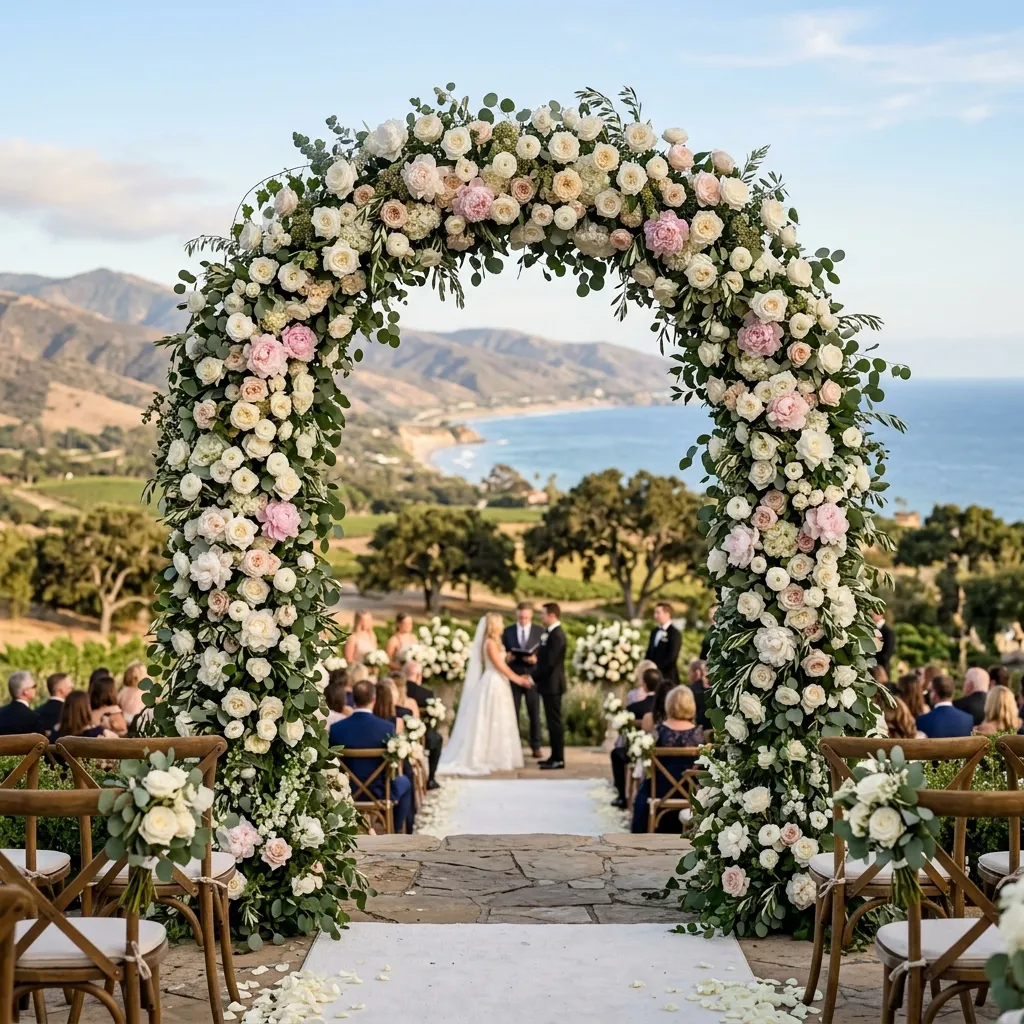
This guide offers a comprehensive look at the most important seasonal flowers grown in California, when they are at their peak, how they are used in floral design, and why seasonal sourcing matters. Whether you are planning a wedding, selecting sympathy flowers, arranging retail bouquets, or simply looking to deepen your knowledge of California-grown flowers, this is your definitive florist’s guide.
Why Seasonal Blooms Matter in California Floristry
Seasonality is the foundation of great floral design. When flowers are in season, they are typically fresher, longer-lasting, more affordable, and more abundant. In California, the long growing season and diversity of microclimates allow florists to work with a rich palette of blooms throughout the year, but the specific flowers available still shift by month and region.
Choosing seasonal flowers is beneficial for several reasons:
- Better vase life: Seasonal flowers are usually harvested closer to peak condition.
- Improved quality: Blooms grown in their natural season tend to open more gracefully and hold shape better.
- More sustainable sourcing: Local, seasonal flowers often require less transportation and fewer resources.
- Stronger visual harmony: Seasonal palettes feel cohesive and naturally aligned with the time of year.
- Greater value: In-season flowers are often more cost-effective than imported or forced blooms.
California floristry has a special advantage: the state’s growers produce everything from delicate spring ranunculus to summer sunflowers, autumn dahlias, and winter camellias. That means a florist can create designs that feel grounded in place and season while still offering variety and luxury.
Understanding California’s Floral Growing Regions
To understand seasonal blooms in California, it helps to recognize that the state is not one single growing environment. Coastal fog, inland heat, mountain elevation, and desert conditions all influence what thrives and when.
Coastal California
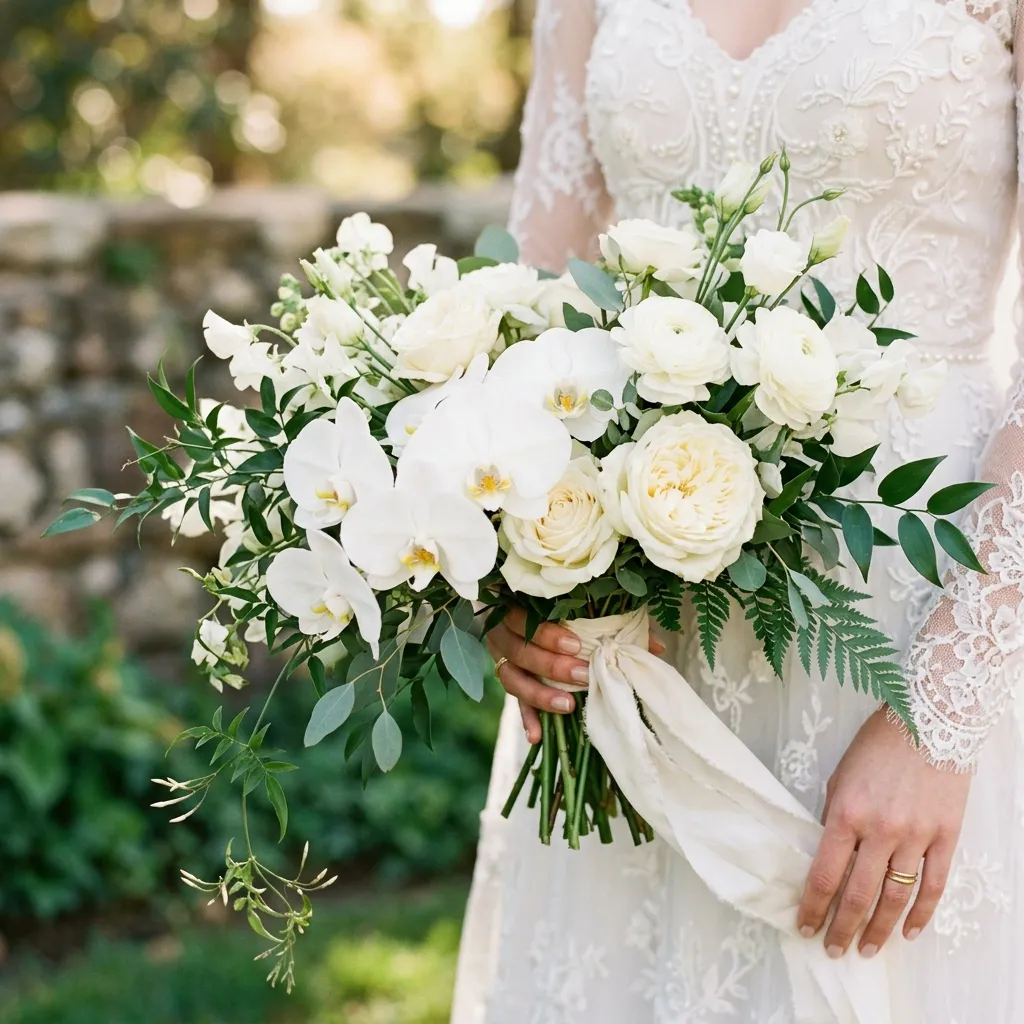
Areas like Santa Barbara, Ventura, Monterey, and parts of Sonoma benefit from milder temperatures and cooler nights. This climate is ideal for cool-season blooms such as ranunculus, anemones, sweet peas, stock, and hydrangea.
Central Valley
The Central Valley is a major agricultural powerhouse with warm to hot summers and cool winters. It supports a broad range of flowers, including sunflowers, zinnias, roses, and chrysanthemums.
Southern California
With abundant sunshine and a generally mild climate, Southern California offers year-round floral diversity. Many growers here produce roses, orchids, protea, succulents, bougainvillea, and specialty cut flowers.
Northern California
Northern regions enjoy a more temperate climate with strong seasonal shifts. This area is excellent for spring bulbs, peonies, dahlias, and many garden flowers that love cooler nights and moderate daylight.
Because of these regional differences, California florists often work with a flexible sourcing strategy, blending local bloom availability with seasonal shifts in design style.
Spring Blooms in California: Freshness, Romance, and Renewal
Spring is one of the most celebrated floral seasons in California. After winter rains, gardens and farms burst into color, and florists gain access to some of the most beloved blooms in the industry. Spring flowers are often associated with softness, elegance, and new beginnings, making them especially popular for weddings, Easter, Mother’s Day, and celebratory gifts.
Ranunculus
Ranunculus is one of California’s signature spring flowers. Known for its layered petals and intricate, rose-like form, ranunculus is prized for its lush texture and wide color range, including white, blush, coral, yellow, orange, and deep pink. California-grown ranunculus, especially from the Central Coast, is widely admired for its high quality.
Best use: Wedding bouquets, centerpieces, romantic arrangements, and luxury spring designs.
Anemones
Anemones offer dramatic contrast with their dark centers and delicate petals. They are especially popular in white, burgundy, blue, and pink. California growers produce stunning spring anemones that are often featured in contemporary floral design.
Best use: Modern bouquets, editorial arrangements, boutonnieres, and high-contrast spring palettes.
Sweet Peas
Sweet peas are known for their soft ruffled petals and unforgettable fragrance. These delicate blooms are a florist favorite in spring because of their romantic appearance and airy movement. California sweet peas are often available in pastel shades such as lavender, pink, peach, and cream.
Best use: Boutique bridal bouquets, garden-style arrangements, and fragrance-forward designs.
Peonies
Peonies have a short but highly anticipated season, and California growers help extend their availability. With their large, billowy blooms and luxurious feel, peonies are often considered one of the most desirable flowers in the world. Colors range from white and blush to coral and deep pink.
Best use: Premium bouquets, wedding florals, upscale gifts, and focal arrangements.
Tulips
Tulips bring structure, brightness, and elegance to spring designs. California-grown tulips are available in many forms, including classic, parrot, fringed, and double varieties. Their clean lines make them ideal for both simple and sophisticated arrangements.
Best use: Monofloral bouquets, mixed spring arrangements, and minimalist designs.
Iris, Stock, and Delphinium
These flowers add height, texture, and color saturation to spring work. Stock brings a spicy fragrance and full clustered blossoms; delphinium adds striking vertical movement; and iris contributes sculptural elegance.
Best use: Statement centerpieces, altar arrangements, and tall compotes.
Summer Blooms in California: Bold Color and Sun-Loving Beauty
Summer in California delivers warmth, long daylight hours, and flowers that thrive in heat and sun. Florists working in summer often lean into vibrant color palettes, loose garden-style forms, and durable blooms that can withstand warmer temperatures. Summer flowers are ideal for celebrations, outdoor events, beach weddings, and cheerful gift arrangements.
Sunflowers
Sunflowers are the quintessential summer bloom. With their golden petals and cheerful faces, they bring instant warmth to any arrangement. California-grown sunflowers can range from classic large-head varieties to smaller, more delicate specialty types.
Best use: Rustic bouquets, farm-style designs, summer parties, and cheerful everyday arrangements.
Zinnias
Zinnias are excellent summer flowers because they thrive in heat and offer strong, saturated color. They come in vivid shades of pink, orange, red, yellow, lime, and coral. Their sturdy stems make them valuable for cutting gardens and retail bouquets.
Best use: Colorful mixed bouquets, casual arrangements, and garden-inspired designs.
Roses
While roses are available year-round in California, summer is a strong season for many garden and spray rose varieties. California roses are celebrated for their freshness, fragrance, and wide range of forms. Garden roses, in particular, are prized for lush, peony-like heads and romantic appeal.
Best use: Weddings, anniversaries, luxury bouquets, and formal arrangements.
Dahlias
Dahlias are a summer-to-fall favorite in California, reaching their peak as temperatures remain warm. Their incredible diversity in shape, size, and color makes them a florist’s dream. From petite pompons to dinner-plate blooms, dahlias create visual drama and richness.
Best use: Bridal work, centerpiece designs, and high-impact seasonal arrangements.
Hydrangea
Hydrangea thrives in many California microclimates and is particularly beloved for its voluminous heads and soft, cloud-like appearance. Blue, green, white, pink, and lavender hydrangeas are common in seasonal design work.
Best use: Large arrangements, event installations, and elegant garden-themed designs.
Lisianthus
Lisianthus is an elegant summer bloom with rose-like petals and excellent vase life. It is available in soft, romantic tones as well as more vibrant shades. Florists appreciate lisianthus for its versatility and refined appearance.
Best use: Wedding bouquets, delicate centerpieces, and upscale mixed arrangements.
Cosmos and Marigolds
For florists seeking a more whimsical or folk-inspired aesthetic, cosmos and marigolds offer texture, movement, and seasonally appropriate color. Cosmos is airy and graceful, while marigolds are bold, radiant, and culturally significant in many celebrations.
Best use: Seasonal festivals, garden arrangements, and vibrant celebration florals.
Autumn Blooms in California: Texture, Warmth, and Harvest Color
Autumn in California is a transitional season marked by rich hues, textural contrasts, and increasingly earthy palettes. While some summer flowers continue into early fall, autumn introduces a more grounded and dramatic floral character. Florists often pair blooms with berries, pods, foliage, and dried elements to reflect the season’s character.
Dahlias at Peak Season
Although dahlias begin in summer, they often reach their most impressive form in early to mid-autumn. Their variety of shape and color supports lush harvest-themed arrangements, romantic weddings, and richly layered bouquets.
Best use: Autumn weddings, thanksgiving tables, and statement centerpieces.
Chrysanthemums
Chrysanthemums are one of the most important autumn flowers in California floristry. Available in many forms—disbud mums, spray mums, pompons, and spider mums—they provide exceptional durability and volume. Their colors range from white and bronze to rust, burgundy, yellow, and plum.
Best use: Long-lasting arrangements, sympathy work, seasonal gifts, and harvest displays.
Marigolds
Marigolds bring intense color and cultural significance, especially in autumn celebrations. Their bright orange and yellow tones are associated with warmth, remembrance, and festivity. California marigolds are often used in seasonal décor and altar work.
Best use: Cultural celebrations, autumn tablescapes, and vivid accent arrangements.
Celosia
Celosia adds extraordinary texture to fall floral work. With forms resembling flames, plumes, or crested coral, celosia brings sculptural interest and rich color. It is often available in red, burgundy, gold, orange, and pink.
Best use: Modern fall bouquets, textural arrangements, and designer work.
Roses in Autumn Tones
Roses remain a staple in every season, but autumn arrangements often favor roses in warm, moody shades such as copper, caramel, terracotta, deep red, and dusty mauve. These tones harmonize beautifully with seasonal foliage and dried materials.
Best use: Romantic fall bouquets, sympathy arrangements, and event florals.
Protea
In Southern California, protea is a standout autumn bloom with exceptional texture and longevity. Native to South Africa but widely grown in California’s mild climate, protea includes varieties such as king protea, pincushion protea, and leucadendron. These bold blooms work especially well in contemporary or rustic designs.
Best use: Statement arrangements, upscale rustic weddings, and architectural floral compositions.
Foliage and Accents
Autumn floristry in California is not only about flowers. Seed pods, eucalyptus, berries, hypericum, smoky foliage, and dried grasses are essential components that add movement and richness. These elements help create arrangements that feel abundant and seasonally grounded.
Winter Blooms in California: Elegance, Resilience, and Subtle Luxury
Winter floral design in California is often characterized by restraint, sophistication, and thoughtful texture. Although the season may be cooler and less abundant than spring, California still offers a wonderful array of winter blooms that are ideal for holiday arrangements, corporate work, sympathy designs, and weddings.
Camellias
Camellias are among the most elegant winter and early spring flowers in California. Their glossy foliage and refined blooms make them a favorite for garden-inspired arrangements. Camellias are often associated with sophistication and quiet beauty.
Best use: Winter bouquets, refined centerpieces, and botanical-inspired arrangements.
Amaryllis
Amaryllis is a dramatic winter flower with large trumpet-shaped blossoms. It is especially popular during the holiday season and can be found in white, red, pink, and striped varieties. California growers and suppliers often use amaryllis to create high-impact winter designs.
Best use: Holiday arrangements, luxe winter displays, and focal bouquets.
Hellebores
Also known as the Christmas rose or Lenten rose, hellebores are cherished for their subtle, nodding blossoms and muted tones. They bring a botanical and slightly wild elegance to winter floristry.
Best use: Fine-art floral design, winter weddings, and intimate arrangements.
Roses and Spray Roses
Roses continue to be a cornerstone of California floristry in winter. Their reliability and wide color range make them indispensable for holiday gifting and formal events. White, red, burgundy, and blush roses are especially popular in winter compositions.
Best use: Valentine’s-inspired arrangements, holiday florals, and classic gift bouquets.
Tulips and Paperwhites
While spring is the main tulip season, some California sources offer tulips in winter through protected growing or sourcing systems. Paperwhites, with their delicate white clusters and fragrance, are a classic winter bulb that adds a fresh and elegant feel.
Best use: Simple arrangements, gift plants, and holiday tables.
Greens and Winter Texture
Winter floristry relies heavily on structure and texture. California-grown evergreens, cedar, pine, eucalyptus, holly, and olive branches are essential for wreaths, garlands, and centerpieces. These materials add freshness and seasonal identity even when bloom options are fewer.
Month-by-Month Guide to California Seasonal Blooms
Although exact availability varies by region and weather patterns, the following month-by-month guide offers a practical florist’s reference for California blooms.
January
- Camellias
- Hellebores
- Anemones
- Roses
- Ranunculus beginning in warmer areas
- Paperwhites
February
- Ranunculus
- Anemones
- Sweet peas beginning
- Tulips
- Camellias
- Roses
March
- Ranunculus
- Anemones
- Sweet peas
- Tulips
- Stock
- Iris
April
- Peonies
- Ranunculus
- Sweet peas
- Stock
- Hydrangea beginning in warmer regions
- Garden roses
May
- Peonies
- Garden roses
- Lisianthus beginning
- Hydrangea
- Snapdragons
- Delphinium
June
- Roses
- Hydrangea
- Lisianthus
- Sunflowers beginning
- Zinnias beginning
- Dahlias beginning in select areas
July
- Sunflowers
- Zinnias
- Hydrangea
- Lisianthus
- Dahlias
- Roses
August
- Dahlias
- Zinnias
- Sunflowers
- Celosia
- Marigolds
- Roses
September
- Dahlias
- Chrysanthemums
- Celosia
- Marigolds
- Roses
- Protea in some regions
October
- Chrysanthemums
- Dahlias
- Marigolds
- Celosia
- Protea
- Autumn roses
November
- Chrysanthemums
- Roses
- Protea
- Amaryllis beginning
- Evergreen foliage
- Seasonal berries and accents
December
- Amaryllis
- Roses
- Camellias in mild areas
- Hellebores in select regions
- Evergreens
- Paperwhites
How Florists Choose the Right California Blooms
Selecting blooms is both an art and a technical decision. The best floral designers consider the event, the season, the color story, the longevity of the flowers, and the overall visual goal. In California, where available flowers shift with weather and regional growing conditions, flexibility is key.
Consider the Event Type
A wedding bouquet requires different flowers than a sympathy piece, and a retail bouquet for everyday gifting will have different needs than a luxury installation. For example, ranunculus and peonies may be perfect for romance, while chrysanthemums and roses are often better for long-lasting public or corporate arrangements.
Evaluate Vase Life
Florists must balance beauty with practicality. Some blooms are breathtaking but delicate, while others are more durable. Lisianthus, chrysanthemums, roses, and alstroemeria generally offer strong vase life, whereas sweet peas and peonies can be more fleeting and require careful handling.
Match the Season’s Natural Palette
Seasonal California blooms pair naturally with the colors of the landscape. Spring favors soft pastels and fresh greens. Summer often leans toward bright, saturated tones. Autumn is ideal for warm, earthy, and jewel-toned palettes. Winter tends toward white, red, burgundy, and evergreen accents.
Balance Focal Flowers, Fillers, and Line Materials
A successful arrangement needs structure. Focal blooms such as peonies, dahlias, or garden roses draw the eye. Supporting flowers like stock, lisianthus, spray roses, or mums create fullness. Line flowers and foliage such as delphinium, snapdragons, eucalyptus, and olive branches help define shape and movement.
California Bloom Pairings by Season
Great floral design often comes down to pairing flowers that complement each other in form, texture, and mood. Here are some classic seasonal combinations California florists love to use.
Spring Pairings
- Ranunculus with sweet peas and tulips
- Anemones with stock and eucalyptus
- Peonies with garden roses and hellebore accents
- Delphinium with iris and hydrangea
Summer Pairings
- Sunflowers with zinnias and solidago
- Dahlias with lisianthus and roses
- Hydrangea with garden roses and waxflower
- Cosmos with herbs and airy greenery
Autumn Pairings
- Dahlias with chrysanthemums and celosia
- Protea with eucalyptus and berries
- Roses with marigolds and seeded foliage
- Warm-toned mums with dried grasses and pods
Winter Pairings
- Amaryllis with evergreen and roses
- Camellias with hellebores and ivy
- Paperwhites with cedar and eucalyptus
- Roses with berries, pine, and silver foliage
The Role of California-Grown Flowers in Sustainable Floristry
Locally grown flowers play a major role in sustainable floral practice. California is home to many growers who prioritize quality, responsible farming methods, and efficient distribution. Sourcing locally and seasonally can reduce transportation distances, support regional agriculture, and encourage more thoughtful consumption.
Sustainability in floristry also means choosing flowers with longer vase life, using reusable mechanics when possible, minimizing waste, and educating customers about proper care. When a florist works with California seasonal blooms, they are often able to offer arrangements that are both environmentally more mindful and visually more expressive.
Floral Design Tips for Working with Seasonal California Blooms
Hydrate Immediately
Seasonal blooms perform best when conditioned properly. Remove foliage below the waterline, recut stems, and place flowers in clean water as soon as possible after receiving them.
Store According to Temperature Sensitivity
Some California blooms, such as peonies and ranunculus, prefer cooler conditions, while summer flowers may tolerate slightly warmer environments if hydrated well. Always avoid unnecessary heat exposure.
Use Seasonal Texture
California blooms are often most compelling when paired with local foliage, herbs, seed pods, and branches. These materials make arrangements feel grounded in place and season.
Design with Movement
Many California-grown flowers, especially sweet peas, cosmos, stock, and delphinium, naturally lend themselves to movement. Let stems curve and layer organically rather than forcing overly compact forms when the design calls for softness.
Prioritize Flower Longevity for the Customer
If a bouquet is being purchased as a gift, choose blooms known for stronger performance. For events, you may have more freedom to use delicate specialty flowers since they will be enjoyed immediately.
How to Care for Seasonal California Blooms at Home
Customers who receive seasonal California flowers often want to maximize freshness. Proper care can add several days, and sometimes longer, to the life of an arrangement.
- Use a clean vase and fresh, cool water.
- Trim stems at an angle before placing them in water.
- Remove leaves that would sit below the waterline.
- Change the water every one to two days.
- Keep arrangements away from direct sun, heaters, and ripening fruit.
- For delicate blooms like sweet peas or peonies, refresh water more often and handle gently.
Different flowers have different preferences, but these basics help nearly every California seasonal bouquet perform beautifully.
Popular Occasions for Seasonal California Blooms
Because California blooms are so varied, they suit nearly every occasion throughout the year.
Weddings
Spring and early summer are especially prized for romantic flowers like ranunculus, peonies, sweet peas, roses, and garden blooms. Autumn weddings often feature dahlias, protea, mums, and warm-toned roses. Winter weddings may embrace camellias, amaryllis, hellebores, and lush evergreens.
Mother’s Day and Spring Gifting
Ranunculus, peonies, tulips, and roses are classic choices for spring gifting. Their softness and freshness make them ideal for expressing gratitude and affection.
Summer Celebrations
Sunflowers, zinnias, hydrangea, and lisianthus are excellent for birthdays, anniversaries, and backyard gatherings. Their color and resilience make them crowd-pleasers.
Autumn Gatherings
Dahlias, chrysanthemums, marigolds, and celosia create a warm atmosphere for dinner parties, seasonal events, and holiday previews.
Winter Holidays
Amaryllis, roses, camellias, and evergreen-centered arrangements dominate holiday floristry. These blooms help create elegant, festive spaces.
Conclusion: Embracing the Beauty of California’s Seasons
The florist’s guide to seasonal California blooms is ultimately a guide to working in harmony with nature. California offers some of the richest flower diversity in the United States, and its seasonal rhythm gives florists endless opportunities to create meaningful, memorable, and beautifully grounded designs. From the first ranunculus of spring to the amaryllis and evergreens of winter, each season brings its own color story, texture palette, and design energy.
For florists, customers, and flower lovers alike, seasonal blooms are more than just beautiful products. They are a living expression of California’s climate, agriculture, and design culture. When you choose flowers that are in season and grown with care, you are not only getting better quality and better value—you are participating in a tradition of floristry that celebrates freshness, locality, and artistry.
At Flowers El Ranchito, seasonal flowers are at the heart of inspired floral design. By understanding what blooms when, and why, you can make every bouquet feel more intentional, more luxurious, and more connected to the natural beauty of California.