The Definitive Guide to Corporate Event Centerpieces
Corporate event centerpieces do far more than decorate tables. They shape first impressions, reinforce brand identity, guide the guest experience, and set the tone for the entire event. Whether you are planning a gala dinner, executive conference, product launch, awards banquet, networking reception, or holiday celebration, the right centerpiece can transform a standard venue into a polished, memorable, and strategically branded environment.
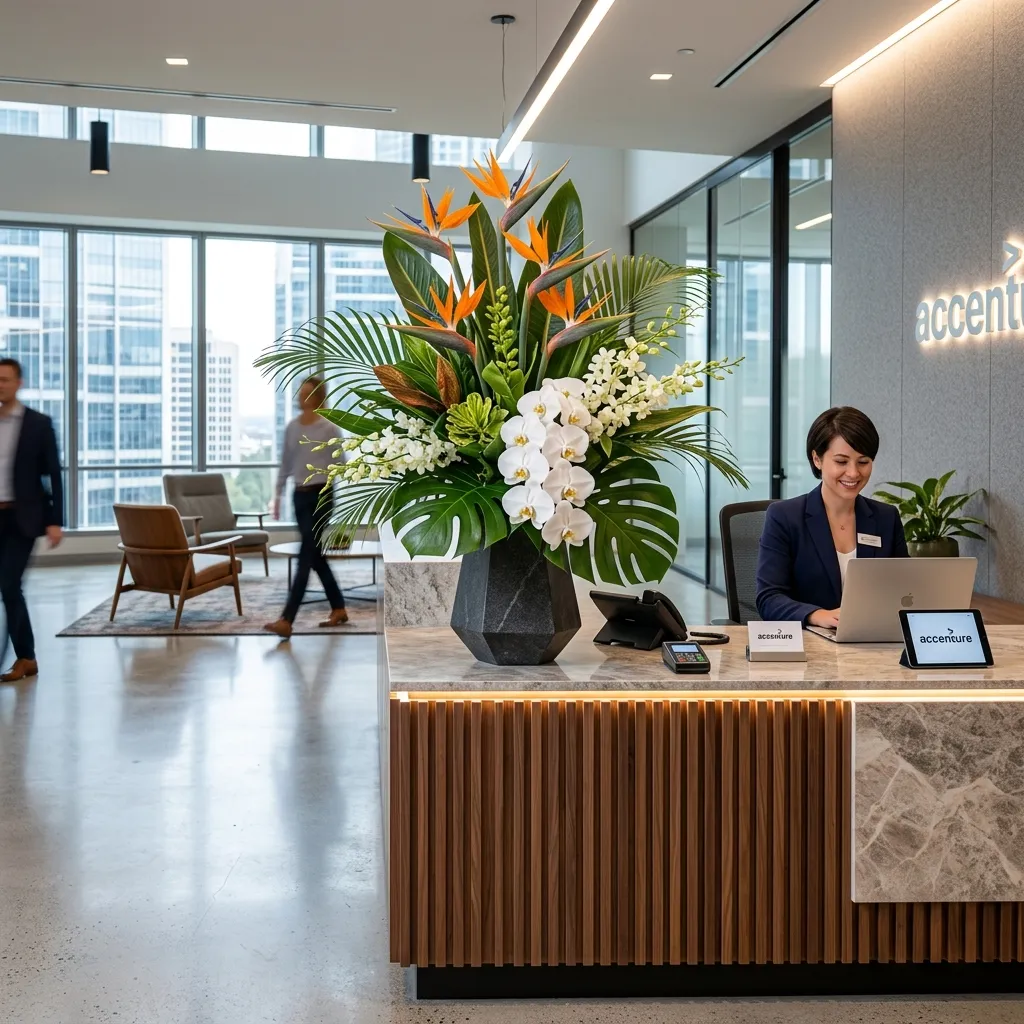
This definitive guide explores every important aspect of corporate event centerpieces, from design principles and floral selection to budgeting, logistics, branding, and event styling. If you want your tablescapes to look professional, elegant, and aligned with your company’s objectives, this guide will help you make informed decisions that deliver visual impact and practical value.
Explore Our Custom Corporate Event Floral Packages
Flowers El Ranchito provides turnkey banquet table centerpieces, executive boardroom arrangements, gala stage urns, and Net-30 invoicing for conferences, galas, and studios across Burbank, Studio City, and Los Angeles.
Why Corporate Event Centerpieces Matter
In corporate event design, centerpieces are not just decorative accents. They are visual tools that influence atmosphere, communication, and guest perception. The centerpiece on each table becomes part of the overall brand narrative, helping to communicate sophistication, creativity, and attention to detail.
A well-designed centerpiece can accomplish several goals at once:
- Elevate the aesthetic quality of the venue
- Reinforce company colors, values, or campaign themes
- Support the formality or energy of the event
- Create conversation starters for guests
- Improve table balance and visual cohesion
- Make photography and media coverage more polished
At high-stakes corporate functions, guests often notice the details first. A thoughtful centerpiece design signals that the event has been carefully planned, which reflects positively on the host organization.
Understanding the Role of Centerpieces in Corporate Event Design
Centerpieces as Brand Extensions
Corporate events are often extensions of a brand experience. Centerpieces can subtly or explicitly communicate the brand’s personality. A finance firm may prefer refined, structured arrangements with clean lines and neutral tones, while a creative agency may want bold colors and unconventional vessels. A technology company might choose modern, minimalist designs, while a hospitality brand may favor lush, welcoming arrangements.
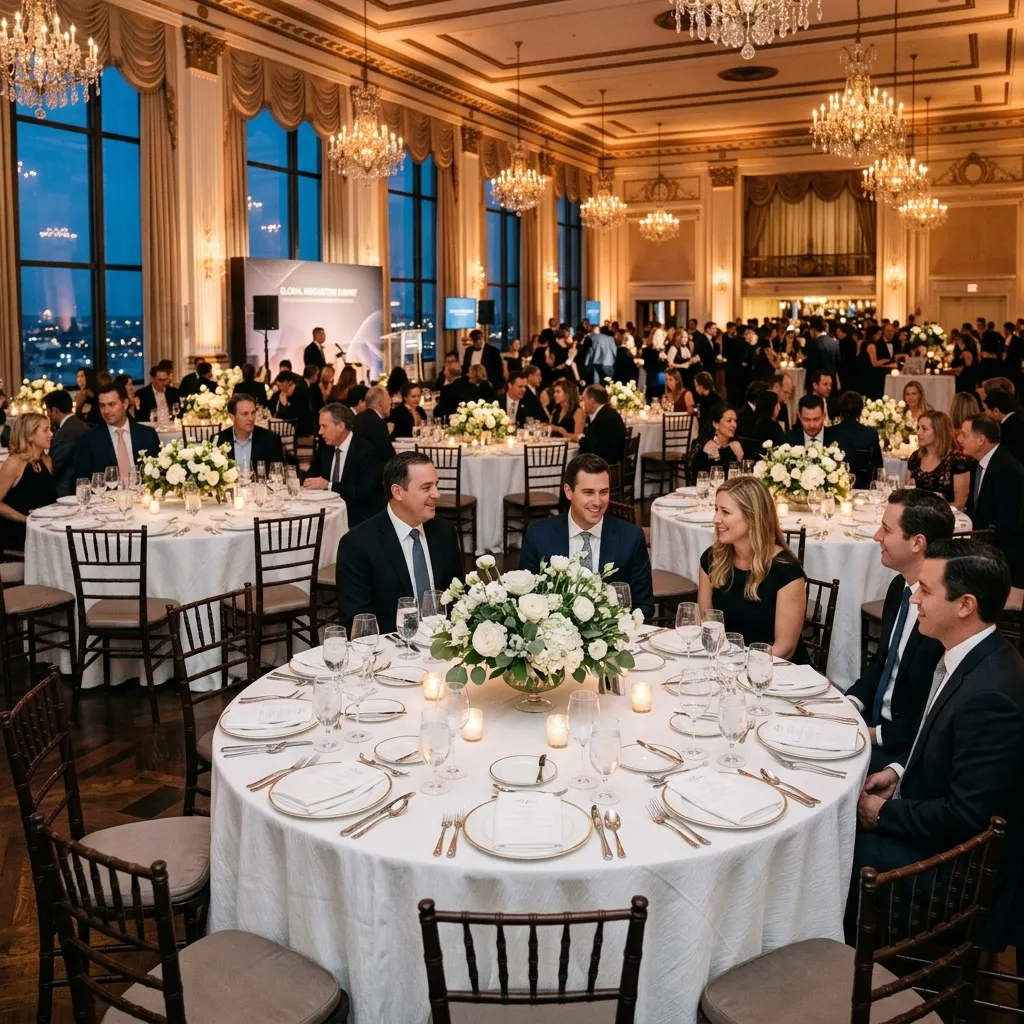
When designed well, centerpieces act as a visual language that supports the company’s identity without overwhelming the room.
Centerpieces and Guest Experience
Guests spend a significant amount of time seated at tables during corporate dinners, award ceremonies, or networking meals. The centerpiece becomes part of their immediate environment. If it is too tall, too dense, or too fragrant, it may interfere with conversation and comfort. If it is too small or bland, the table may feel unfinished. The ideal design balances beauty with usability.
Centerpieces and Event Photography
In the age of social media and digital documentation, centerpieces play an important role in event photography. Floral arrangements and table decor often appear in wide shots, detail shots, and guest selfies. A well-composed centerpiece can enhance the perceived quality of the entire event and provide strong visual content for post-event marketing, press releases, and internal communications.
Types of Corporate Event Centerpieces
There is no single best centerpiece style for all events. The right choice depends on the event type, audience, venue, budget, and brand goals. Below are the most common centerpiece categories used in corporate event design.
Floral Centerpieces
Floral centerpieces are the most traditional and versatile choice. They can be customized to fit almost any event aesthetic, from classic and elegant to modern and dramatic. Fresh flowers add color, texture, movement, and a sense of refinement that is hard to replicate with non-floral materials alone.
Popular floral centerpiece styles include:
- Low round arrangements
- Long and linear tablescapes
- Compact posy arrangements
- Luxury tall arrangements with clear stems or elevated bases
- Garden-style organic designs
Non-Floral Centerpieces
Non-floral centerpieces are ideal for companies looking for a more contemporary or unconventional look. These may include candles, sculpture-inspired objects, books, glassware, branded items, seasonal elements, or mixed media installations. Non-floral centerpieces are also useful when the event theme calls for a specific concept that flowers alone may not fully express.
Hybrid Centerpieces
Hybrid centerpieces combine fresh flowers with candles, glass, fruit, foliage, event signage, or decorative objects. This approach provides flexibility and often achieves a more layered, curated appearance. Hybrid centerpieces are especially effective for events that need to feel premium without relying solely on large floral budgets.
Statement Centerpieces
Statement centerpieces are designed to create a dramatic focal point. These may be tall floral designs, sculptural installations, suspended pieces, or intricate tablescape elements that command attention. Statement centerpieces are best reserved for events where visual drama is desired and where table conversation is not the primary concern.
Minimalist Centerpieces
Minimalist centerpieces are clean, understated, and intentional. They work particularly well for modern corporate environments, design-forward brands, and events where elegant restraint is preferred over lavish display. Minimalist arrangements often use fewer flowers, more negative space, and carefully chosen vessels.
Choosing the Right Centerpiece Style for Your Event
Match the Event Type
The type of event should guide your centerpiece strategy. A gala dinner will require a different visual approach than a daytime seminar or networking breakfast.
- Gala or awards dinner: luxurious, polished, and photo-friendly designs
- Conference luncheon: low-profile, practical arrangements that allow conversation
- Product launch: brand-focused centerpieces with modern visual impact
- Holiday party: festive, seasonal, and slightly more expressive designs
- Executive meeting: refined, understated arrangements that communicate professionalism
- Networking reception: conversation-friendly centerpieces with open sight lines
Consider the Audience
Corporate event centerpieces should reflect the expectations of the audience. A board of directors meeting requires a different tone than a celebration for creative team members or external clients. Consider the age range, industry, cultural context, and formality level of the attendees. The more closely the centerpiece aligns with the audience, the more effective it becomes.
Account for the Venue
The venue influences everything from centerpiece height to color contrast. A ballroom with high ceilings can support larger arrangements, while a smaller conference room may require compact designs. Natural light, table shape, ceiling height, wall color, and table linens all affect how centerpieces will appear in the room.
Align with the Brand and Message
If the event is tied to a campaign, product, or brand milestone, the centerpieces should reinforce that message. This does not mean everything must be literally branded, but the colors, shapes, and overall feel should support the story the company wants to tell.
Floral Design Principles for Corporate Event Centerpieces
Balance and Proportion
A centerpiece must feel balanced within the table setting and proportionate to the room. Large round banquet tables can handle more substantial arrangements, while long rectangular tables may benefit from a series of smaller clustered designs. Proportion is one of the most important elements in professional floral design because it determines whether the arrangement feels harmonious or awkward.
Height and Sight Lines
For seated events, guests must be able to see each other across the table. A centerpiece that is too tall may obstruct conversation and create an uncomfortable dining experience. As a rule, low centerpieces are ideal for functional tables where interaction is important, while tall centerpieces may work better on display tables, cocktail areas, or large gala settings where formality outweighs conversational needs.
Color Theory
Color plays a major role in emotional response and brand recognition. Soft neutrals may suggest elegance and calm. Rich jewel tones can create drama and luxury. Bright accent colors can energize the room and support a modern brand identity. The best centerpieces use color intentionally, often balancing dominant hues with complementary or neutral shades.
Texture and Movement
Texture gives centerpieces depth and dimension. Combining roses, orchids, hydrangea, ranunculus, greenery, berries, and structural elements creates visual interest. Movement in floral design—created by trailing stems, asymmetry, or layered foliage—helps arrangements feel natural and alive rather than static.
Symmetry vs. Asymmetry
Symmetrical arrangements feel formal, controlled, and traditional. Asymmetrical designs feel modern, artistic, and dynamic. Either style can work for corporate events, but the choice should align with the brand identity and the visual language of the event as a whole.
Best Flowers for Corporate Event Centerpieces
Not all flowers are equally suited for corporate use. Some hold up beautifully in event conditions, while others are too delicate, fragrant, or unpredictable. The best choices typically offer visual appeal, durability, and versatility.
Roses
Roses are timeless, elegant, and widely available in many colors. They are excellent for formal corporate events and can be used to create both classic and modern designs. Their versatility makes them a staple for centerpieces across industries and seasons.
Orchids
Orchids provide a sleek, sophisticated look and work especially well in modern or high-end corporate environments. They are often used in luxury arrangements and can add a refined, upscale feel without appearing overly traditional.
Hydrangea
Hydrangea offers fullness and volume, making it a cost-effective way to create lush arrangements. Its soft shape works well in both romantic and corporate designs, especially when paired with structured flowers or greenery.
Peonies
Peonies are beloved for their lush, layered blooms, but they are seasonal and can be more expensive. They are best used when the event calls for a premium, celebratory look and when availability aligns with the event date.
Calla Lilies
Calla lilies provide clean lines and modern sophistication. They are particularly effective in minimalist or contemporary centerpieces and are often associated with elegance and restraint.
Ranunculus
Ranunculus adds softness, depth, and a romantic texture. It works well in mixed arrangements that need visual delicacy without appearing too casual.
Seasonal Foliage and Greenery
Greenery is an essential part of many corporate designs. It can soften arrangements, add structure, and make centerpieces feel more complete. Popular choices include eucalyptus, Italian ruscus, salal, ferns, olive branches, and seasonal foliage.
Choosing the Right Color Palette
Neutral Palettes
Neutral centerpieces in white, ivory, cream, blush, green, taupe, and subtle gray tones create a polished and universally appealing look. These palettes are especially effective for formal corporate dinners, executive gatherings, and events where a refined atmosphere is the goal.
Brand-Aligned Palettes
If your company has established brand colors, consider incorporating them tastefully into the centerpiece design. This might mean using flowers in complementary tones, matching ribbon accents, or echoing brand colors through vessels and decorative details rather than creating a literal color match.
Seasonal Palettes
Seasonal color palettes help centerpieces feel timely and intentional. Winter events may feature deep reds, pine greens, whites, golds, and silvers. Spring events may lean into pastels and fresh greens. Summer events often feel bright and lively, while autumn events may embrace warm amber, burgundy, rust, and golden tones.
Bold and Contemporary Palettes
For product launches, creative industries, and high-energy celebrations, bolder palettes can be highly effective. Strong contrasts, unexpected hues, and vibrant accents can make a centerpiece memorable and visually distinctive.
Centerpiece Design by Table Shape
Round Tables
Round tables are ideal for symmetrical centerpieces that anchor the center without overwhelming guests. Low, full arrangements work especially well because they allow all guests to see one another while maintaining a cohesive focal point.
Rectangular Tables
Long tables benefit from linear or grouped arrangements. Instead of one large centerpiece in the middle, multiple smaller elements distributed along the table can create rhythm and preserve sight lines. This is particularly effective for banquet-style dinners and boardroom-inspired setups.
Square Tables
Square tables often require balanced designs with clean proportions. A single structured centerpiece or a low cluster arrangement typically works best, depending on guest count and table scale.
Cocktail Tables
Cocktail tables call for compact, stable, and visually clear centerpieces. Since guests are standing and moving frequently, these arrangements should not interfere with service or conversation. Small floral pieces, candles, or simple branded accents are often the best choice.
Practical Considerations for Corporate Event Centerpieces
Budget Planning
Centerpiece budgets should be aligned with the overall event strategy. A luxury gala may justify more elaborate floral investments, while a conference or seminar may need a more restrained approach. Budget should account not only for flowers but also for vessels, labor, delivery, setup, teardown, and any specialty materials.
Factors that affect cost include:
- Flower type and seasonality
- Arrangement size and complexity
- Number of tables
- Vessel quality and rental needs
- Installation or labor requirements
- Transportation and event timing
Durability and Event Duration
Corporate events often last several hours or more, so centerpieces must remain fresh and attractive throughout the entire function. Proper conditioning, water sources, flower selection, and climate control all contribute to longevity. Heat, direct sunlight, and heavy venue traffic can impact performance, so arrangements must be designed with the event environment in mind.
Venue Rules and Restrictions
Before finalizing any centerpiece design, review venue rules carefully. Some venues restrict open flames, certain materials, hanging installations, or high centerpiece heights. Others may have limitations on setup times, access points, or floor protection. Knowing these restrictions early prevents costly redesigns and last-minute compromises.
Logistics and Installation
Corporate event centerpieces often require precise delivery and installation windows. Coordinating with the venue, planner, caterer, and audiovisual team is essential. Centerpieces must be placed in a way that does not interfere with seating charts, service flow, microphones, stage sight lines, or sponsor signage.
Creating Centerpieces That Support Event Goals
For Networking Events
Networking events should prioritize open communication and easy movement. Centerpieces should be low enough to allow eye contact and should avoid overly strong fragrances or bulky elements that limit interaction. The goal is to create an inviting atmosphere without creating barriers.
For Awards Ceremonies
Awards events benefit from polished, celebratory centerpieces that feel elevated and photo-ready. These arrangements should complement the importance of the occasion and work well in both wide-room shots and close-up event photography.
For Conferences and Seminars
Conference centerpieces should be tasteful and unobtrusive. In many cases, simple floral accents or branded tabletop elements are more effective than elaborate designs. The focus should remain on content and speaker visibility while still maintaining a professional environment.
For Holiday Parties
Holiday centerpieces allow for more personality and seasonal warmth. Evergreen textures, metallic accents, candles, ornaments, and rich colors can create festive designs that still feel corporate and elegant when executed carefully.
For Product Launches
Product launch centerpieces should support the campaign concept. This may mean using brand-inspired colors, sleek vessels, innovative shapes, or even thematic elements related to the product category. The centerpiece should feel intentional and marketing-aware.
Common Mistakes to Avoid
Overly Tall Arrangements
One of the most common mistakes in corporate event design is choosing centerpieces that block sight lines. Unless the room and event format specifically support tall installations, it is safer to prioritize low or strategically elevated designs that preserve conversation.
Ignoring Fragrance
Some flowers are highly fragrant, which can become problematic in enclosed or dining-focused settings. Strong scents may distract guests or clash with food service. For corporate events, fragrance should usually be subtle unless the event design deliberately embraces it.
Choosing Flowers That Do Not Match the Venue
A centerpiece may look beautiful on its own but feel out of place in the venue. Rustic flowers in a sleek corporate ballroom may look mismatched, while highly modern arrangements may feel too stark in a classic hotel setting. Successful design respects the environment.
Forgetting Practicality
Centerpieces should be beautiful, but they must also be functional. If guests cannot comfortably interact across the table, or if service staff cannot work efficiently around the design, the arrangement is too disruptive for a corporate setting.
Last-Minute Planning
Waiting until the final stage to address centerpieces can lead to limited flower availability, rushed design decisions, and higher costs. Early planning allows for better sourcing, styling, and coordination with the rest of the event.
How to Work with a Florist for Corporate Centerpieces
Share the Event Brief Early
A florist can deliver better results when given a complete event brief. Include the date, venue, table layout, guest count, event purpose, brand colors, desired mood, and any restrictions. The more information provided, the more accurately the florist can design the arrangements.
Provide Visual References
Images help bridge the gap between ideas and execution. Share inspiration photos, brand materials, color palettes, and examples of designs you like. Be clear about what elements appeal to you, whether it is shape, scale, texture, color, or overall style.
Ask About Customization Options
Professional florists can often adapt arrangements to fit your specific goals. Ask about vessel options, flower substitutions, branding opportunities, seasonal alternatives, and ways to stretch your budget without sacrificing quality.
Discuss Setup and Breakdown
Corporate event centerpieces usually involve detailed coordination. Clarify who will install them, when they will be delivered, whether they need to be repurposed during the event, and how they will be removed afterward. Efficient logistics are essential for a smooth event day.
Sustainable Corporate Event Centerpieces
Reusable Vessels and Rental Options
Sustainability is increasingly important in corporate event planning. Reusable vessels, rented containers, and carefully selected materials can reduce waste while still supporting beautiful design.
Seasonal Flower Selection
Using flowers that are in season and available locally can improve both freshness and sustainability. Seasonal design often results in better quality and more natural beauty, while also supporting a more responsible sourcing approach.
Repurposing Arrangements
Some event centerpieces can be repurposed after the event for donation, office decor, or secondary display areas. This is an effective way to extend value and reduce waste. If this is important to your organization, discuss it with the florist in advance.
Trends in Corporate Event Centerpieces
Organic, Garden-Inspired Designs
One of the strongest trends in corporate floral design is the move toward natural, airy arrangements that feel fresh and organic rather than overly structured. These centerpieces often use layered textures and soft movement for an elevated yet approachable look.
Minimal Luxe Aesthetic
Minimal luxe design combines restraint with premium materials. The result is clean, elegant, and modern. This style works well for executive events, high-end brand activations, and sophisticated dinners.
Mixed Materials
Designers are increasingly combining flowers with candles, glass, metal, wood, fruit, and sculptural accents to create richer visual stories. Mixed-material centerpieces can feel more dynamic and memorable than floral-only compositions.
Brand-Integrated Table Styling
More companies are seeking centerpieces that support broader event branding, from color coordination to subtle logo placement and theme-based styling. The most successful examples remain tasteful and polished rather than overtly promotional.
Final Checklist for Corporate Event Centerpieces
Before approving your centerpiece design, review the following essentials:
- Does the design match the event purpose and brand identity?
- Are the centerpieces proportional to the table shape and room size?
- Will guests be able to see and speak to one another comfortably?
- Are the flowers appropriate for the season and event duration?
- Does the design work within the budget?
- Have venue restrictions been reviewed?
- Is setup and breakdown coordinated with the event timeline?
- Will the centerpiece photograph well?
- Does the style feel polished, intentional, and professional?
Conclusion: Centerpieces That Elevate the Entire Event
Corporate event centerpieces are a small detail with a major impact. They shape the look and feel of the table, reinforce the brand, support guest comfort, and contribute to the overall success of the event. Whether you choose classic floral arrangements, sleek modern designs, or branded hybrid centerpieces, the key is to approach the design strategically.
The best corporate centerpieces are never random. They are intentional, proportionate, beautiful, and aligned with the event’s goals. When carefully planned and professionally executed, they help create an atmosphere that feels polished, memorable, and worthy of the occasion.
For companies that want to make a strong impression, investing in thoughtful centerpiece design is one of the most effective ways to elevate the entire event experience.