Everything You Need to Know About Organic Flower Farming
Organic flower farming is more than a growing method—it is a philosophy rooted in soil health, biodiversity, environmental stewardship, and the production of beautiful blooms without synthetic pesticides, herbicides, or fertilizers. For florists, gardeners, and growers alike, organic flower farming offers a sustainable path to cultivating high-quality flowers that are safer for people, pollinators, waterways, and the land itself. As consumer demand rises for eco-conscious floral products, organic flowers are becoming increasingly important in both local and commercial markets.
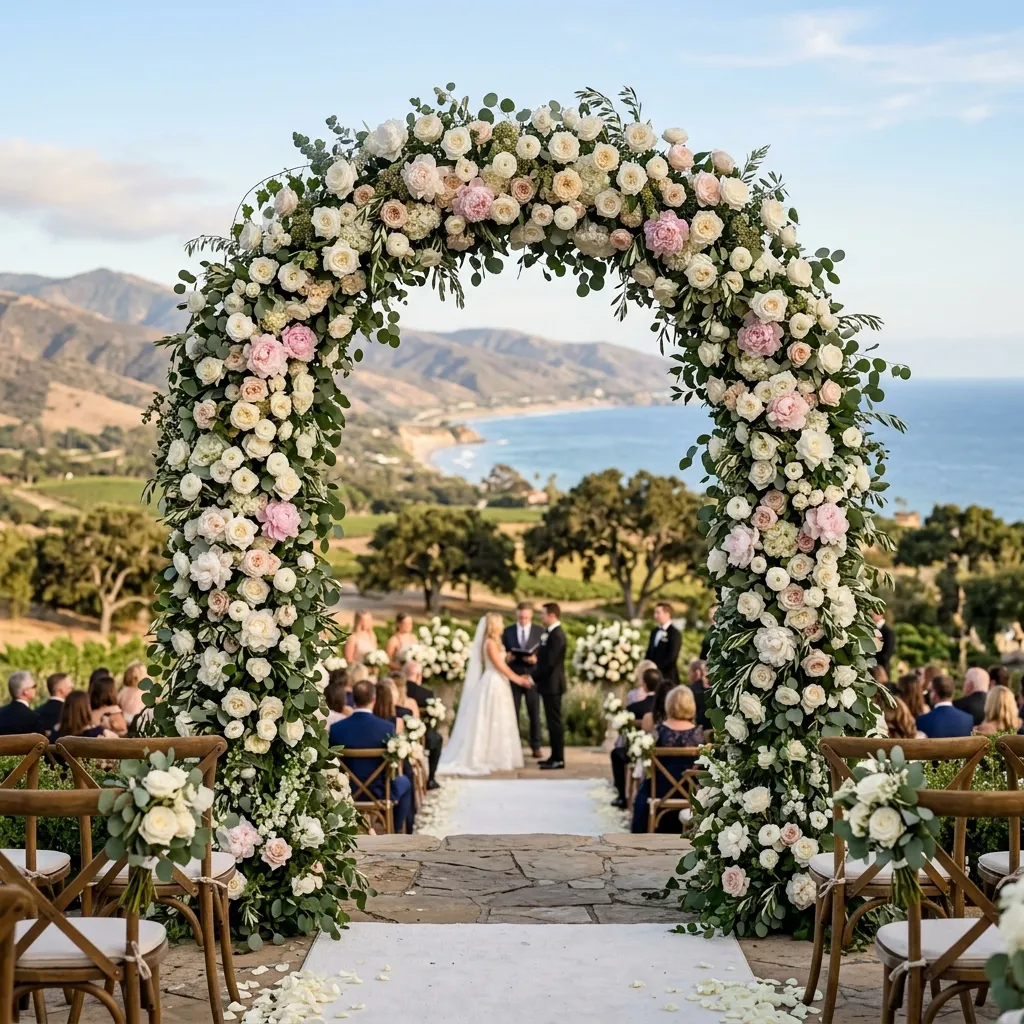
This comprehensive guide covers every major aspect of organic flower farming, from the principles and certification standards to soil management, pest control, crop planning, harvesting, marketing, and profitability. Whether you are a new flower grower, an established farmer transitioning to organic practices, or a florist seeking better sourcing options, understanding organic flower farming will help you make informed decisions and create a more resilient growing system.
What Is Organic Flower Farming?
Organic flower farming is the cultivation of cut flowers, foliage, herbs, and ornamental plants using farming practices that avoid synthetic chemicals and rely instead on ecological processes. The core goal is to build a healthy growing environment where plants can thrive naturally through balanced soil biology, crop diversity, beneficial insects, compost, mulches, and careful cultural practices.
Unlike conventional flower farming, which often depends on synthetic fertilizers and chemical sprays to force rapid growth and control pests, organic flower farming focuses on long-term ecosystem health. The result is a more sustainable production model that can improve soil quality, support pollinators, and reduce harmful runoff into surrounding landscapes and waterways.
Key Principles of Organic Flower Farming
- No synthetic pesticides or herbicides: Pest and weed management is done through cultural, biological, mechanical, and physical controls.
- No synthetic fertilizers: Nutrients come from compost, organic amendments, cover crops, and biologically active soil systems.
- Soil-first approach: Healthy soil is treated as the foundation of plant health and productivity.
- Biodiversity: Diverse plantings help reduce pest outbreaks and improve habitat for beneficial insects.
- Pollinator protection: Practices are designed to safeguard bees, butterflies, and other beneficial organisms.
- Sustainable land management: Water conservation, erosion control, and regenerative practices are prioritized.
Why Organic Flower Farming Matters
The floral industry has long relied on intensive production methods that can place strain on soils, workers, pollinators, and ecosystems. Organic flower farming offers an important alternative. It helps reduce chemical exposure for farm workers and consumers, supports cleaner growing environments, and creates flowers that align with modern sustainability values.
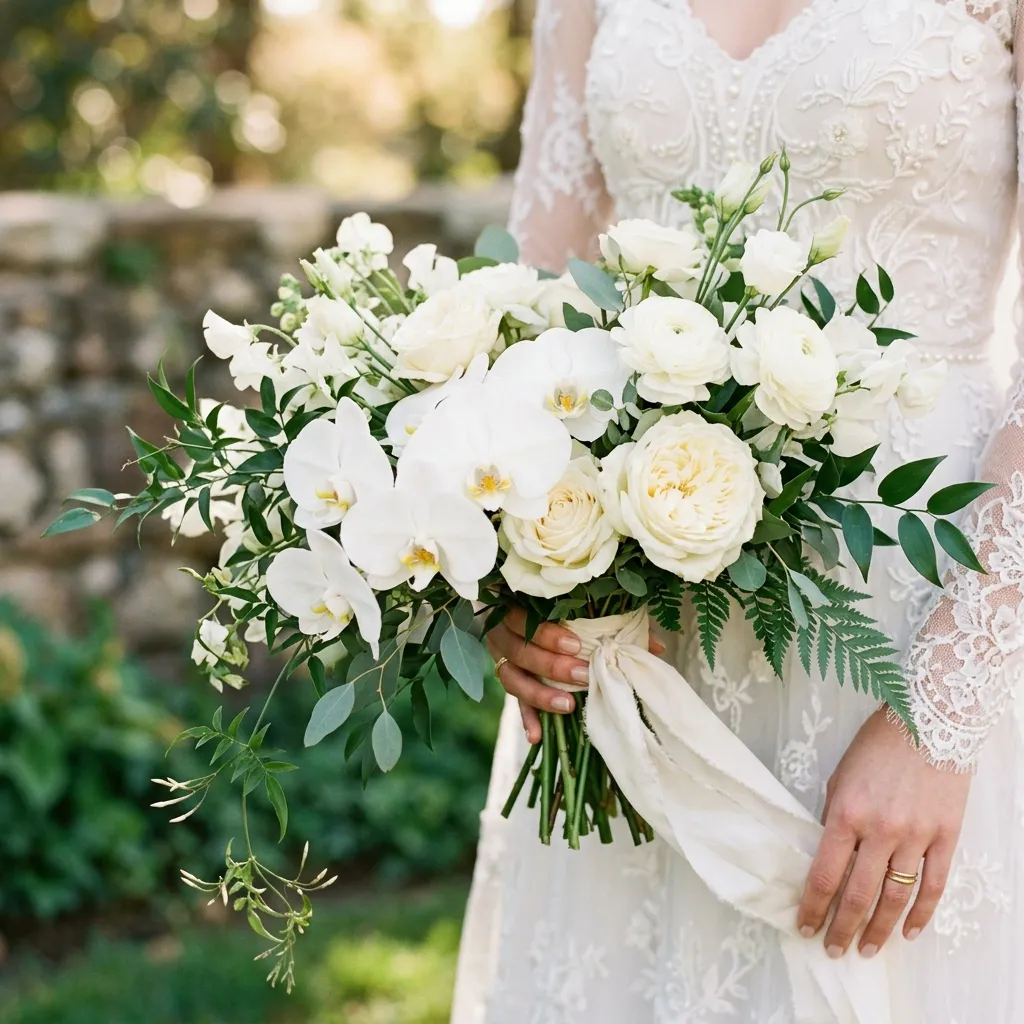
There is also a growing market for locally grown, seasonal, and responsibly produced flowers. Event designers, florists, grocery buyers, and direct-to-consumer customers increasingly seek blooms with transparent sourcing and lower environmental impact. Organic flowers are especially appealing to those who value traceability, freshness, and eco-friendly farming.
Environmental Benefits
- Reduces chemical runoff into soil and water
- Supports healthy pollinator populations
- Increases soil organic matter and microbial diversity
- Encourages natural pest control through beneficial insects
- Improves long-term land resilience and biodiversity
Business and Market Benefits
- Meets rising consumer demand for sustainable flowers
- Can command premium pricing in niche markets
- Supports branding around local, ethical, and seasonal floristry
- Strengthens partnerships with eco-conscious florists and event planners
Organic Flower Farming vs. Conventional Flower Farming
While both organic and conventional flower farms may produce beautiful blooms, their methods differ significantly. Conventional operations often emphasize uniformity, shelf life, and high yields, sometimes at the expense of soil health and ecological balance. Organic farms, on the other hand, work with natural systems to create resilient crops.
Main Differences
- Inputs: Conventional farms may use synthetic fertilizers and pesticides; organic farms use compost, organic amendments, and biological controls.
- Soil management: Organic farming prioritizes soil biology and long-term fertility.
- Pest control: Organic systems rely on prevention and non-chemical interventions.
- Weed control: Organic growers use mulching, cultivation, hand-weeding, and cover crops.
- Market positioning: Organic flowers often appeal to premium, sustainability-focused buyers.
It is also important to note that “organic” is a regulated term in many regions. If a farm wants to market flowers as certified organic, it must comply with the applicable standards and documentation requirements. Even without certification, many growers adopt organic practices and market their flowers as “grown with organic methods” or “naturally grown,” depending on local regulations.
Organic Certification for Flower Farms
Certification is not required to grow flowers organically, but it can provide credibility, market access, and consumer trust. In the United States, certified organic crops are governed by USDA National Organic Program standards. However, flowers can present unique challenges because some ornamental crops have limited certification guidance depending on region and product category.
What Certification Usually Requires
- A documented organic system plan
- Proof of approved inputs and practices
- Recordkeeping for seeds, amendments, pest management, and harvests
- A buffer zone between organic and non-organic fields
- Inspection by an accredited certifier
- An approved transition period for land previously managed conventionally
When Certification Is Worth Considering
Certification may be beneficial if you plan to sell to larger retailers, organic wholesalers, or customers who specifically want certified products. It may also support premium pricing and brand differentiation. However, for very small farms, the cost and administrative workload may outweigh the immediate benefits. In those cases, transparent organic practices and strong local storytelling can still create a compelling market position.
Soil Health: The Foundation of Organic Flower Farming
Healthy soil is at the heart of organic flower production. Flowers grown in biologically active soil tend to be more resilient, more productive, and often longer-lasting after harvest. Soil is not merely a place to anchor roots; it is a living ecosystem full of bacteria, fungi, earthworms, and organic matter that supports plant growth.
How to Build Healthy Soil
- Test your soil regularly: Evaluate pH, nutrient levels, organic matter, and salinity.
- Add compost: Compost improves structure, increases microbial life, and supplies slow-release nutrients.
- Use organic amendments carefully: Bone meal, fish meal, kelp, rock phosphate, and other inputs can correct deficiencies when used responsibly.
- Incorporate cover crops: Legumes, grasses, and brassicas can improve fertility and reduce compaction.
- Minimize tillage: Excessive disturbance can damage soil structure and microbial networks.
- Mulch appropriately: Organic mulches help conserve moisture and suppress weeds.
Understanding Soil pH and Nutrients
Different flowers have different soil preferences, but many thrive in a slightly acidic to neutral range. Soil pH affects nutrient availability, so if your soil is too acidic or too alkaline, plants may struggle even if nutrients are present. Testing and adjusting pH is a critical early step in farm planning.
Macronutrients such as nitrogen, phosphorus, and potassium support growth, blooming, and overall vigor. Micronutrients like iron, manganese, boron, and zinc are needed in smaller amounts but are equally important. The organic grower’s role is to maintain balance rather than force rapid growth with synthetic nutrition.
Choosing the Right Site for an Organic Flower Farm
Location can determine the success or difficulty of an organic flower farm. Sun exposure, drainage, air circulation, water access, soil quality, and proximity to markets all matter. Because organic farms depend heavily on prevention and environmental balance, site selection should be strategic and realistic.
Ideal Site Characteristics
- Full sun for most flower crops
- Well-drained soil with good structure
- Reliable access to irrigation water
- Some wind protection without excessive shade
- Room for crop rotation, paths, wash areas, and storage
- Distance from contamination sources or pesticide drift
Airflow is especially important because many flower diseases thrive in humid, stagnant conditions. A site with good circulation can reduce fungal pressure and improve plant health. Likewise, access to water should be dependable but not excessive; many flowers need consistent moisture, yet poorly drained fields can lead to root disease and crop failure.
Planning an Organic Flower Crop System
Successful organic flower farming depends on thoughtful planning. Unlike a garden where random beauty may be acceptable, a farm requires careful sequencing, crop rotation, succession planting, and market alignment. The best growers plan not just for what looks good in the field, but for what sells well, stores well, and blooms on schedule.
Consider These Planning Factors
- Bloom timing by season
- Customer demand and market windows
- Expected stem yield per square foot
- Labor requirements for planting and harvesting
- Compatibility with local climate and soil
- Disease and pest susceptibility
Popular Organic Flower Crops
- Zinnias
- Sunflowers
- Cosmos
- Dahlias
- Snapdragons
- Celosia
- Scabiosa
- Ranunculus
- Anemones
- Lisianthus
- Sweet peas
- Marigolds
- Amaranthus
- Garden roses
Many growers also incorporate foliage plants and herbs such as eucalyptus, basil, mint, and feverfew. These can add value to floral arrangements and help diversify income streams.
Seed Selection and Plant Material in Organic Flower Farming
Seed quality matters tremendously. In organic farming, the first choice is often to source certified organic seed when available. If organic seed cannot be found in appropriate quantity or quality, many organic standards allow the use of untreated conventional seed, provided documentation supports the decision.
What to Look for in Seeds and Plants
- High germination rates
- Varieties suited to your climate and market
- Resistance to common pests and disease
- Sturdy stems and good vase life
- Reliable bloom timing
- Compatibility with your growing season
For perennial or specialty crops such as roses, peonies, and shrubs, the source of cuttings, plugs, crowns, or bare-root stock is equally important. Clean propagation material can reduce disease risks and improve uniformity. Always inspect incoming plant material carefully and quarantine when needed.
Organic Fertility Management
In organic systems, fertility is managed as a living cycle rather than a quick fix. Instead of spoon-feeding plants with water-soluble synthetic fertilizer, growers build a nutrient-rich environment that releases fertility gradually over time. This supports more stable growth and reduces the risk of overfeeding, runoff, and plant imbalance.
Common Organic Fertility Tools
- Compost and vermicompost
- Well-aged manure
- Cover crops and green manures
- Fish emulsion and hydrolysate
- Seaweed or kelp products
- Rock minerals and natural amendments
- Compost tea, when used responsibly
Organic growers must match fertility inputs to plant stage and crop need. For example, nitrogen can encourage leafy growth, but too much may reduce flowering or create soft stems. Phosphorus and potassium are often important for flowering and overall plant vigor, but they must be added in response to soil test recommendations rather than guesswork.
Weed Management Without Herbicides
Weeds are one of the biggest challenges in organic flower farming because flowers are often grown densely, with high value per square foot and limited tolerance for competition. Since synthetic herbicides are not used, the best organic weed control strategy combines prevention, suppression, and timely intervention.
Organic Weed Control Methods
- Mulching with straw, compost, landscape fabric, or biodegradable materials
- Using flame weeders or thermal weed tools where appropriate
- Mechanical cultivation between rows
- Hand-weeding and hoeing
- Stale seedbed techniques
- Cover cropping to reduce weed pressure between seasons
- Dense planting or living mulches in certain systems
The earlier weeds are addressed, the easier they are to manage. Many organic farmers schedule frequent, short weeding sessions rather than waiting until weeds become unmanageable. This labor-intensive reality is one reason good planning and efficient field design are so important.
Organic Pest Management
Pests are a fact of farm life, but organic growers approach them through prevention and ecosystem balance rather than chemical suppression. A healthy farm is one where pest outbreaks are less likely because beneficial insects, proper spacing, good airflow, and diverse plantings keep the system in equilibrium.
Core Organic Pest Management Strategies
- Monitoring: Scout regularly for early signs of infestation or damage.
- Crop diversity: Mixed plantings reduce the chances of widespread pest outbreaks.
- Beneficial insects: Encourage lady beetles, lacewings, parasitic wasps, and predatory mites.
- Physical barriers: Use row covers, netting, and insect exclusion where appropriate.
- Sanitation: Remove diseased or heavily infested material promptly.
- Habitat management: Provide flowering plants that support beneficial insects.
Common Flower Farm Pests
- Aphids
- Thrips
- Spider mites
- Whiteflies
- Japanese beetles
- Cutworms
- Leafminers
- Slugs and snails
In an organic system, pest damage is not always eliminated completely. The aim is to keep populations below damaging thresholds while preserving ecological balance. Some cosmetic imperfections are often acceptable in local and specialty flower markets, especially when the flowers are fresh, fragrant, and grown responsibly.
Organic Disease Prevention and Management
Diseases can spread rapidly in flower crops, especially when humidity is high or air circulation is poor. Because organic growers do not rely on broad-spectrum fungicides, prevention is the most effective approach. The best disease management begins before planting and continues through harvest.
Prevention Tactics
- Choose disease-resistant varieties whenever possible
- Space plants properly to improve airflow
- Water at the base rather than overhead
- Rotate crops to break disease cycles
- Remove plant debris and infected tissue
- Disinfect tools and equipment
- Improve drainage in low-lying or compacted areas
Common Flower Diseases
- Botrytis
- Powdery mildew
- Downy mildew
- Fusarium wilt
- Root rot
- Rust
- Leaf spot diseases
Organic-approved treatments may be used in some cases, depending on local regulations and certification requirements. However, sprays should always be the last line of defense, not the first. Cultural controls and prevention remain the backbone of organic disease management.
Water Management and Irrigation
Water is essential for flower production, but overwatering can be just as harmful as drought. Organic flower farms must manage water carefully to maintain plant health, reduce disease pressure, and preserve resources. Efficient irrigation also lowers labor costs and supports consistent bloom quality.
Best Practices for Water Management
- Use drip irrigation where possible
- Water deeply and less frequently rather than shallowly and often
- Mulch beds to reduce evaporation
- Monitor soil moisture instead of watering by schedule alone
- Group crops with similar water needs together
- Capture and reuse rainwater when feasible
Many cut flowers are particularly sensitive to water stress during early establishment and active bloom production. A plant that is too dry may produce fewer stems or shorter stems, while overly wet soil can encourage root disease and reduce vigor. Balance is crucial.
Climate Considerations in Organic Flower Farming
Climate shapes what you can grow, when you can grow it, and how much protection your crops need. Temperature, frost dates, rainfall, humidity, and wind all affect the performance of a flower farm. Organic growers often use seasonal extension tools to maintain production while minimizing environmental impact.
Season Extension Tools
- Low tunnels
- High tunnels or hoop houses
- Floating row covers
- Shade cloth
- Frost blankets
- Mulch and windbreaks
These tools can extend the growing season, protect crops from extremes, and improve stem quality. In cooler regions, they help push early and late production. In hot climates, shade and airflow management become especially important to reduce stress and preserve bloom color and form.
Harvesting Organic Flowers for Quality and Vase Life
Harvesting is a critical skill in flower farming because timing directly affects quality, vase life, and customer satisfaction. Organic flowers should be harvested at the right stage for each crop and handled with care to avoid bruising, wilting, or disease spread.
General Harvesting Guidelines
- Harvest in the cool part of the day, usually early morning
- Use clean, sharp tools
- Place stems immediately into clean water
- Remove foliage that would sit below the waterline
- Sort flowers by stem length and quality
- Keep harvested product shaded and cool
The ideal harvest stage varies by flower type. Some blooms, like zinnias and dahlias, are best cut when fully open or nearly open. Others, such as tulips or lilies, may need to be harvested at a tighter stage to ensure they open properly after cutting. Familiarity with each crop’s postharvest behavior is essential.
Postharvest Handling and Storage
Once flowers are cut, careful handling determines whether they remain fresh for the market or decline quickly. Organic flower farming does not end at the field edge; postharvest systems are essential for preserving quality and reducing losses.
Postharvest Best Practices
- Hydrate flowers immediately after harvest
- Use clean buckets and sanitized tools
- Store flowers in a cool environment
- Avoid crushing stems during transport
- Separate ethylene-sensitive crops from ethylene-producing materials
- Grade flowers consistently for different sales channels
Cooling is especially important for protecting vase life. Even a short period of heat stress after harvest can reduce flower quality. Rapid cooling and efficient logistics are key to maintaining the fresh, premium look that buyers expect.
Labor, Tools, and Infrastructure
Organic flower farming can be labor-intensive, particularly because weed control, scouting, hand-harvesting, and careful postharvest handling require more attention than highly mechanized conventional systems. However, the right tools and infrastructure can significantly improve efficiency.
Essential Farm Infrastructure
- Irrigation system
- Wash and pack area
- Cold storage or cooler
- Tool sanitation station
- Field paths and access lanes
- Seed-starting or propagation space
- Compost storage area
Helpful Tools
- Wheel hoes and stirrup hoes
- Bypass pruners and harvest knives
- Harvest buckets and sleeves
- Soil thermometer and moisture meter
- Drip irrigation timers
- Row cover supports and clips
Labor planning is especially important for farms that supply weddings, markets, or subscriptions where consistent weekly harvests are required. A well-designed workflow can save time, reduce waste, and improve flower quality.
Marketing Organic Flowers
Marketing is where a flower farm turns beautiful production into sustainable revenue. Organic flowers have a strong story to tell: they are local, seasonal, environmentally responsible, and often fresher than imported alternatives. The challenge is communicating that value clearly to the right audience.
Potential Sales Channels
- Farmers markets
- Florists and design studios
- Wedding and event clients
- Retail flower stands
- Community supported agriculture (CSA) shares
- Wholesale to grocery or boutique buyers
- Direct online sales and subscriptions
How to Position Organic Flowers in the Market
- Emphasize freshness and local origin
- Highlight chemical-free growing methods
- Tell the story of seasonal production
- Share pollinator and environmental benefits
- Use beautiful branding and photography
- Educate customers about farm practices
Organic flowers can be especially compelling for weddings, sympathy work, and hospitality design because clients increasingly seek meaningful, sustainable floral experiences. Strong storytelling and consistent quality are often more powerful than price competition alone.
Pricing Organic Flowers Profitably
Pricing is one of the most important business decisions in organic flower farming. Because organic production often involves more labor and more careful management, prices must reflect true costs. Many new growers underprice their flowers because they focus on the beauty of the product rather than the full expense of production.
Factors That Affect Pricing
- Labor hours per crop
- Input costs such as seed, compost, and infrastructure
- Postharvest handling and cooling costs
- Market demand and seasonality
- Stem length and stem count per bunch
- Wholesale versus retail sales model
A profitable pricing structure should account for crop loss, unsold inventory, and the time spent on sales, communication, and delivery. Organic flowers often justify premium pricing because they offer uniqueness, sustainability, and local freshness. That said, premium pricing must still be supported by excellent quality and reliable service.
Common Challenges in Organic Flower Farming
Organic flower farming is rewarding, but it is not easy. Growers must solve problems using observation, planning, and adaptive management rather than quick chemical fixes. Understanding the common challenges ahead of time can help you prepare for them more effectively.
Frequent Challenges
- Heavy weed pressure
- Labor demands
- Weather variability
- Pest and disease outbreaks
- Short postharvest life if handling is poor
- Cash flow fluctuations through the season
- Certification complexity for organic labeling
Success in organic flower farming often comes from systems thinking. The best growers are not just plant experts; they are observers of weather, soil, insects, and markets. They make changes early, adapt quickly, and keep detailed records.
The Future of Organic Flower Farming
The future of organic flower farming is promising. As more consumers seek sustainable, local, and responsibly grown products, flower farms that prioritize ecological methods are likely to gain increased attention and market share. Technology may improve efficiency, but the core value of organic farming will remain rooted in human care for the land.
We can expect to see continued growth in farm-to-florist supply chains, seasonal floral design, regenerative agriculture, and pollinator-friendly landscapes. Organic flowers are not just a niche trend; they are part of a broader movement toward transparency, environmental responsibility, and community-based agriculture.
Best Practices for Getting Started
If you are beginning your organic flower farming journey, start small and build steadily. It is better to grow a manageable number of crops exceptionally well than to overextend yourself with too many varieties or too much acreage. Success depends on observation, recordkeeping, and realistic market planning.
Startup Checklist
- Test your soil
- Select crops suited to your climate and sales channels
- Develop a fertility plan based on organic inputs
- Plan for weed and pest management before planting
- Invest in irrigation and postharvest infrastructure
- Choose your market outlets early
- Keep detailed records of costs, yields, and customer feedback
Over time, your farm will become more efficient as you learn which crops perform best, which buyers value your product most, and which management strategies work in your specific environment.
Conclusion
Organic flower farming combines artistry, ecology, and business strategy in a way few agricultural systems do. It demands attention to soil health, biodiversity, water use, pest prevention, and careful postharvest handling. Yet in return, it offers fresh, beautiful flowers produced in a way that supports the environment and responds to modern consumer values.
Whether you are growing for retail bouquets, wholesale floristry, events, or a local community, organic flower farming can help you create a resilient and meaningful floral business. By prioritizing soil, planning thoughtfully, and working with nature rather than against it, you can produce flowers that are not only stunning but also responsibly grown from start to finish.
For growers and floral professionals alike, organic flower farming is more than a trend. It is a practical, sustainable, and increasingly necessary approach to cultivating the flowers that bring beauty into our homes, celebrations, and lives.