Comprehensive Guide to Sympathy and Funeral Tributes
When words feel too small and emotions feel too large, sympathy and funeral tributes offer a meaningful way to express love, respect, remembrance, and support. Whether you are honoring a parent, partner, friend, colleague, or community member, a thoughtful tribute can provide comfort to grieving families and help preserve the memory of a life well lived. From elegant floral arrangements to personalized memorial gifts, written condolences, and ceremonial gestures, funeral tributes serve as heartfelt symbols of care during one of life’s most difficult moments.
This comprehensive guide explores every major aspect of sympathy and funeral tributes, including their purpose, types, etiquette, symbolism, planning considerations, personalization ideas, and how to choose the right tribute for different relationships and services. If you are looking for a clear, compassionate resource to help you navigate memorial traditions with grace, this guide is designed to support you.
What Are Sympathy and Funeral Tributes?
Sympathy and funeral tributes are expressions of condolence, remembrance, and honor offered to individuals or families following a loss. They may be verbal, written, visual, floral, or ceremonial. Their central purpose is to acknowledge grief while celebrating the unique life, personality, and legacy of the deceased.
Although the terms are often used interchangeably, there are subtle differences:
- Sympathy tributes are gestures of support offered to those grieving. These may include sympathy flowers, cards, gifts, donations, or messages of condolence.
- Funeral tributes are specifically associated with the funeral, memorial service, celebration of life, or graveside ceremony. They are often more formal and may be displayed during the service.
Both forms of tribute are deeply meaningful because they communicate what can be difficult to put into words: “You are not alone, and this person mattered.”
The Purpose of Sympathy and Funeral Tributes
Tributes play an important emotional and cultural role in mourning. They help transform private sorrow into shared remembrance and provide a tangible way for others to participate in grief support. In many cases, tributes also become cherished keepsakes, reminders of the community that surrounded the loved one and comforted the family.
Offering Comfort to the Bereaved
Grief can feel isolating. A tribute reassures the grieving family that others recognize their loss and care enough to offer support. Even a simple arrangement or note can bring comfort during a time of emotional overwhelm.
Honoring a Life and Legacy
A tribute should reflect the individuality of the person who has passed. A floral arrangement in their favorite colors, a personalized memorial donation, or a thoughtfully written message can capture the essence of who they were and what they valued.
Creating a Shared Space for Remembrance
Funeral tributes help shape the atmosphere of memorial services. They contribute to the visual and emotional environment, creating a sacred space for reflection, storytelling, and healing.
Supporting Ritual and Closure
Funeral traditions often help people process loss by providing structure and ritual. Tributes contribute to this process by marking the significance of the moment and offering a way to say goodbye.
Common Types of Sympathy and Funeral Tributes
There are many ways to pay tribute to someone who has died. The right choice depends on your relationship to the deceased, the wishes of the family, cultural customs, religious traditions, and the nature of the service.
Sympathy Flowers
Flowers remain one of the most traditional and widely appreciated forms of tribute. Their beauty, fragrance, and symbolism convey compassion, love, and respect when words are not enough. Sympathy flowers may be sent to the home, funeral home, place of worship, or memorial venue.
Common sympathy flowers include lilies, roses, carnations, chrysanthemums, orchids, gladioli, hydrangeas, and mixed seasonal arrangements. Each flower can carry its own meaning, making floral tributes especially personal and expressive.
Funeral Sprays and Casket Covers
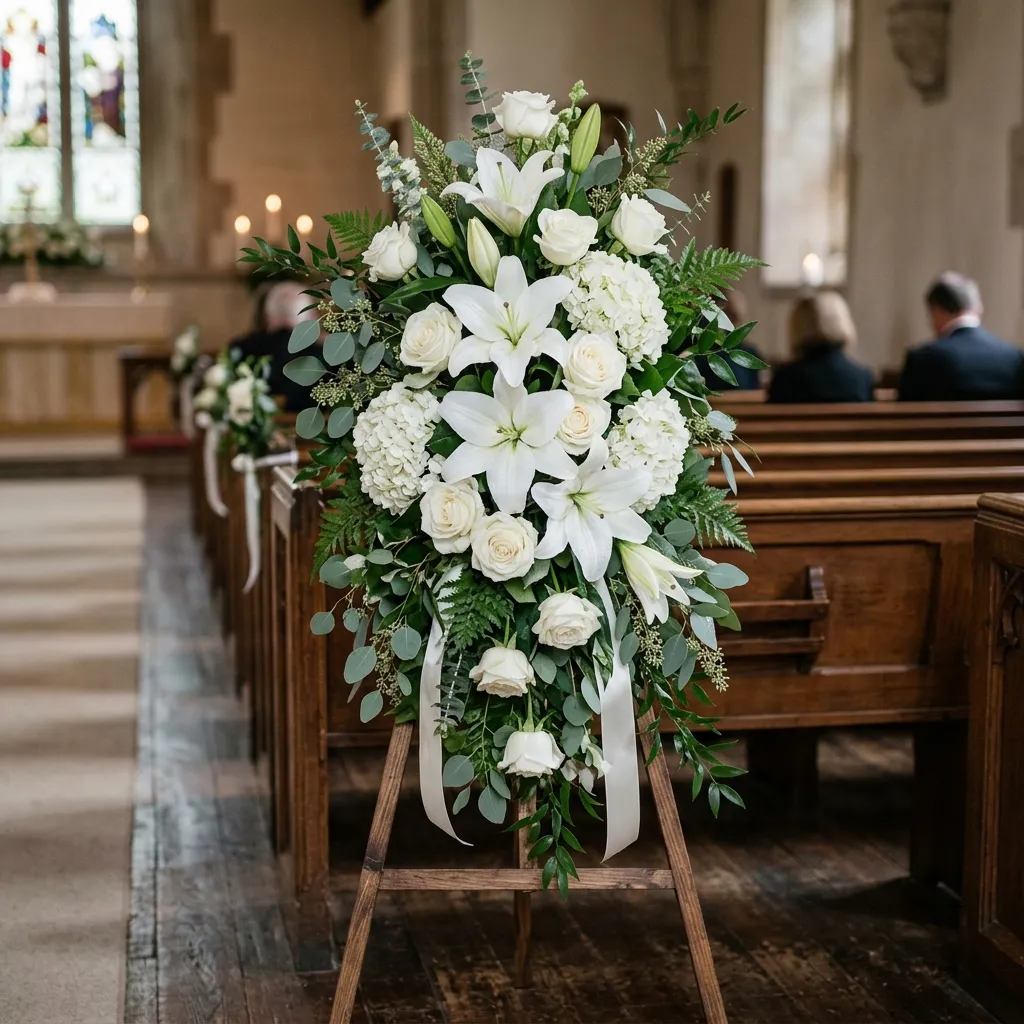
These are larger floral tributes typically displayed during the service. Funeral sprays may be placed on an easel, at the altar, or near the casket. Casket covers are often selected by immediate family and placed directly on the casket as a final expression of honor and farewell.
Standing Sprays and Wreaths
Standing sprays are formal floral displays often used at funerals or memorial services. Wreaths symbolize eternal life, continuity, and remembrance, making them especially meaningful in many traditions. Both can be customized in colors and flower choices to reflect the deceased’s personality or favorite blooms.
Sympathy Baskets and Vase Arrangements
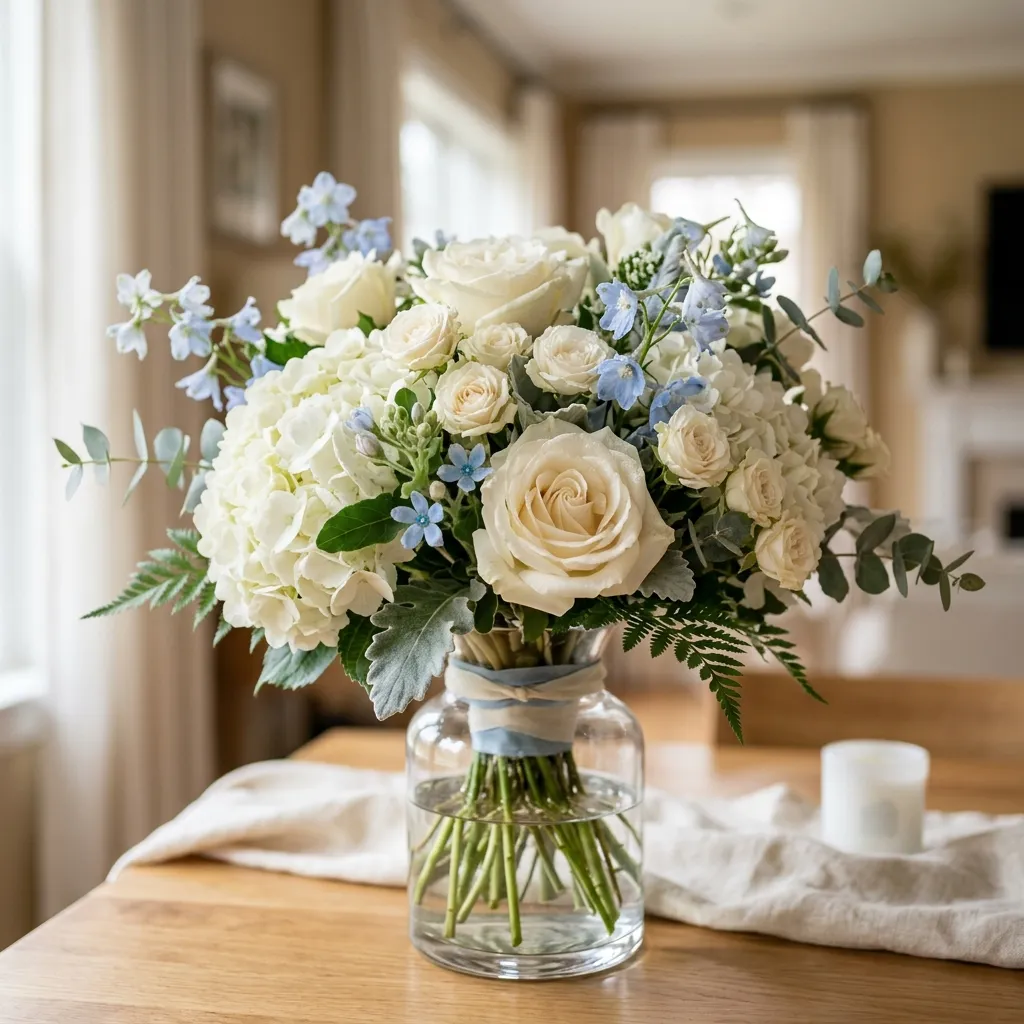
Smaller arrangements are often sent to the home of the grieving family or to an office as a practical and graceful expression of sympathy. These tributes can be less formal than funeral pieces while still carrying deep sentiment.
Memorial Plants and Living Tributes
Plants such as peace lilies, orchids, or flowering dish gardens symbolize life, growth, and ongoing remembrance. Unlike cut flowers, living tributes can continue to thrive and serve as an enduring reminder of love and support.
Memorial Donations
For families who request charitable donations in lieu of flowers, contributions to a nonprofit, hospice, church, scholarship fund, or cause meaningful to the deceased can be a powerful tribute. This choice is especially appropriate when the person valued service, philanthropy, or a specific mission.
Sympathy Cards and Handwritten Notes
A heartfelt card may seem simple, but it can be one of the most treasured tributes. Written messages can be saved, reread, and appreciated long after the funeral. Genuine, concise, and compassionate notes are often the most effective.
Photo Displays and Memory Tables
At memorial services and celebrations of life, families may create tables or displays featuring photographs, mementos, awards, letters, and objects that reflect the deceased’s interests and achievements. These visual tributes invite storytelling and remembrance.
Personalized Tribute Gifts
Items such as custom candles, memorial jewelry, framed quotes, engraved ornaments, or memory books can offer comfort to family members and close friends. These tributes often become keepsakes that carry emotional significance for years.
Music and Spoken Tributes
Music is a deeply moving form of tribute. A favorite song, hymn, or instrumental piece can convey emotion and evoke cherished memories. Eulogies, readings, poetry, and personal reflections are also powerful forms of tribute that help capture the essence of a loved one’s life.
The Meaning and Symbolism of Funeral Flowers
Floral tributes are especially significant because flowers communicate feelings through color, shape, fragrance, and symbolism. When chosen thoughtfully, they can reflect the personality of the deceased and the emotions of those sending them.
Lilies
Lilies are among the most common funeral flowers, often associated with peace, purity, and the restored innocence of the soul. White lilies are particularly popular in sympathy arrangements.
Roses
Roses symbolize love, respect, and remembrance. Red roses often represent deep love and devotion, while white roses suggest reverence and honor. Pink roses may express gratitude and admiration, and yellow roses can celebrate friendship.
Carnations
Carnations are long-lasting and versatile. White carnations traditionally symbolize pure love and innocence, while pink carnations can represent remembrance. Their durability makes them a practical choice for services and home deliveries.
Chrysanthemums
In many cultures, chrysanthemums are strongly associated with death, mourning, and remembrance. In others, they symbolize honor and longevity. Their meaning can vary depending on cultural context, so it is helpful to consider the family’s background before selecting them.
Orchids
Orchids convey eternal love, elegance, and beauty. They are often chosen for close family members or for those who appreciated refined, graceful aesthetics.
Gladioli
Gladioli symbolize strength, sincerity, and moral integrity. Their tall, striking form makes them a powerful addition to funeral arrangements.
Hydrangeas
Hydrangeas can signify heartfelt emotion, gratitude, and understanding. They work beautifully in fuller arrangements and can add softness and volume to a tribute design.
Choosing the Right Tribute for the Relationship
The most appropriate tribute often depends on your relationship with the deceased and their family. A close family member may choose a more intimate and personalized tribute, while a friend, neighbor, or coworker may opt for something simpler yet still meaningful.
For Immediate Family
Immediate family members often select the most personal tributes, such as casket sprays, standing displays, memory boards, or custom floral designs incorporating favorite flowers, colors, or symbols. Family tributes may also include readings, musical selections, and photo montages.
For Extended Family and Close Friends
Extended relatives and close friends may choose wreaths, basket arrangements, memorial plants, or personalized gifts. These tributes should reflect affection and familiarity without overlapping with the primary family’s formal arrangements unless coordinated.
For Colleagues and Professional Contacts
When honoring a coworker, supervisor, client, or business associate, more formal and tasteful tributes are appropriate. A sympathy bouquet, group donation, or shared memorial card signed by team members is often well received.
For Neighbors and Community Members
Smaller floral arrangements, cards, donations, or attendance at the service can all serve as respectful tributes. Community members may also participate by bringing food, helping with arrangements, or contributing to a memorial fund.
For Acquaintances and Distant Contacts
If you did not know the deceased closely but still wish to express sympathy, a thoughtful card, a modest flower arrangement, or a charitable donation is usually appropriate. Simplicity and sincerity matter most.
How to Personalize a Tribute
Personalization gives a tribute emotional depth. The goal is not extravagance; it is meaning. A tribute that reflects the deceased’s passions, values, and personality will often feel more comforting than something generic.
Use Favorite Flowers or Colors
Choosing blooms in the deceased’s favorite colors or favorite flower varieties is a simple but powerful way to create a personal tribute. This can instantly make the arrangement feel more connected to their memory.
Reflect Hobbies and Interests
Tributes can incorporate themes inspired by hobbies, such as gardening, music, sports, travel, faith, or nature. For example, a floral arrangement might include rustic greenery for someone who loved the outdoors, or elegant white blooms for someone known for grace and simplicity.
Include Meaningful Keepsakes
Families sometimes place photographs, medals, letters, books, or meaningful objects alongside flowers or memorial displays. These items help tell the story of the person’s life and accomplishments.
Choose a Meaningful Container or Presentation
Vases, baskets, urn surrounds, lanterns, and custom vessels can all contribute to the tone of the tribute. A rustic wooden container may suit a country-inspired memorial, while a sleek glass vase might be better for a contemporary service.
Add a Thoughtful Message
A card message, ribbon inscription, or memorial tag can give the tribute a personal voice. Even a short phrase can become deeply meaningful when chosen carefully.
What to Write on a Sympathy Card or Tribute Note
Many people struggle with finding the right words after a death. The most effective condolence messages are usually simple, sincere, and compassionate. The goal is not to say everything, but to say something genuine.
General Sympathy Message Examples
- With heartfelt sympathy during this difficult time.
- Thinking of you and wishing you comfort and peace.
- With deepest condolences for your loss.
- Sending love and strength to you and your family.
- May cherished memories bring you comfort in the days ahead.
Messages for Close Friends or Family
- We are holding you close in our hearts and sharing in your grief.
- There are no words, but please know we are here for you always.
- Your loved one will never be forgotten, and their memory will live on in all who knew them.
Messages for Colleagues or Formal Contacts
- Please accept our sincere condolences for your loss.
- We are deeply sorry to hear of your family’s loss and are thinking of you.
- May you find comfort in the support of those around you.
What to Avoid
Avoid overly long explanations, comparisons to your own losses, or statements that try to minimize grief. Phrases such as “they’re in a better place” or “everything happens for a reason” may not feel comforting to everyone. It is generally best to keep the tone compassionate, respectful, and nonjudgmental.
Etiquette for Sending Sympathy and Funeral Tributes
Understanding etiquette helps ensure that your tribute is appropriate, timely, and considerate. Funeral customs can vary widely, but a few general principles are widely accepted.
Send Tributes Promptly
Sympathy tributes are usually sent soon after learning of the death, ideally before or around the funeral service. If you miss that window, a later tribute is still welcome. Grief does not end after the service, and many families appreciate support in the weeks and months that follow.
Follow the Family’s Wishes
If an obituary or memorial notice requests “in lieu of flowers” donations, follow those instructions unless you know the family personally and believe an additional gesture is appropriate. Respecting the family’s preferences is one of the most meaningful forms of courtesy.
Consider Cultural and Religious Traditions
Different faiths and cultures have unique customs regarding flowers, color symbolism, timing, and memorial gifts. For example, some traditions may favor white flowers, while others may have restrictions on certain colors or types of arrangements. When in doubt, choose something simple and respectful or ask the funeral home for guidance.
Keep It Appropriate for the Setting
A tribute intended for the funeral service may differ from one sent to the family home. Large formal pieces are usually reserved for the service, while smaller arrangements, plants, or cards are often more suitable for private delivery.
Coordinate with Other Tribute Givers
If you are part of a group, workplace, or family circle, it can be helpful to coordinate on a shared arrangement or donation so that efforts are not duplicated. Group tributes are often especially meaningful because they reflect collective support.
Tributes for Different Types of Services
Not all memorial gatherings are the same. The type of service can influence what kind of tribute is best suited for the occasion.
Traditional Funeral Services
Traditional funerals often include floral sprays, wreaths, standing arrangements, casket tributes, and formal cards. Services held in churches, funeral homes, or chapels usually allow for larger and more structured pieces.
Memorial Services
Memorial services take place without the casket present and may be more flexible in tone. Floral arrangements, photo displays, candles, and personalized memory tables are commonly used. Memorial services are often ideal for reflecting a person’s hobbies, achievements, and personal style.
Celebrations of Life
Celebrations of life tend to be more personal and less formal. Bright flowers, custom decor, favorite foods, music, and meaningful keepsakes are often incorporated. Tributes here may feel more expressive and life-affirming while still honoring the loss.
Graveside Services
At graveside services, arrangements should be sturdy and weather-appropriate. Simple sprays, wreaths, and bouquets are common, though families may choose more elaborate pieces depending on the setting and local customs.
Virtual or Remote Memorials
Online memorials have become more common, especially when guests cannot attend in person. Tributes may include digital cards, virtual flower deliveries, donation links, tribute videos, and posted memories or photos.
How Funeral Homes and Florists Work Together
Professional funeral homes and florists often collaborate to ensure tributes arrive on time, are displayed properly, and align with the family’s wishes. A reputable florist can help you choose the right arrangement for the venue, the service schedule, and the relationship you had with the deceased.
When placing a tribute order, it is helpful to provide:
- The full name of the deceased
- The date and time of the service
- The funeral home, church, cemetery, or memorial venue
- Your contact information
- Any known preferences, color themes, or flower requests
- Card message instructions
Clear details help ensure the tribute is delivered and presented correctly. For especially large or custom arrangements, it is wise to order as early as possible.
Seasonal Considerations for Sympathy Tributes
Seasonality can influence flower availability, pricing, color palette, and style. While many flowers are available year-round, seasonal blooms often feel fresher, more natural, and more personal.
Spring Tributes
Spring offers tulips, daffodils, hyacinths, lilies, roses, and fresh greenery. These blooms can symbolize renewal, hope, and new beginnings, which can be particularly comforting in memorial settings.
Summer Tributes
Summer arrangements may include sunflowers, roses, hydrangeas, daisies, and vibrant mixed blooms. These can be especially fitting for individuals remembered for warmth, energy, or an outgoing personality.
Autumn Tributes
Fall memorials often use rich tones like burgundy, amber, gold, cream, and deep green. Seasonal flowers and foliage can create a warm, reflective tone that feels elegant and grounded.
Winter Tributes
Winter tributes frequently feature whites, silvers, deep reds, evergreens, and classic rose or lily combinations. These arrangements can feel serene, dignified, and timeless.
Supporting Grief Beyond the Service
One of the most overlooked aspects of sympathy is ongoing support. While a floral arrangement or card is deeply appreciated, grief often continues long after the funeral. A lasting tribute acknowledges that healing takes time.
Follow-Up Flowers or Plants
Sending flowers or a plant after the funeral can be incredibly meaningful. A tribute delivered days or weeks later reminds the family that they are still remembered and supported.
Anniversary Remembrance
Many families appreciate tributes on meaningful dates such as birthdays, death anniversaries, holidays, or the anniversary of the funeral. These gestures can provide comfort during emotionally difficult times.
Acts of Service
Preparing meals, helping with errands, caring for children, or assisting with practical needs can be as meaningful as a physical gift. These acts represent living sympathy through compassion and presence.
Ongoing Memorialization
Families may create memory gardens, photo albums, digital tributes, or annual remembrance traditions. These ongoing expressions help preserve legacy and create space for reflection.
Choosing the Right Florist for Sympathy and Funeral Tributes
When selecting a florist, it is important to choose a provider experienced in sympathy work. Funeral tributes require sensitivity, punctuality, and attention to detail. A knowledgeable florist understands how to balance elegance, appropriateness, and personal meaning.
Look for a florist who can offer:
- Same-day or next-day delivery when needed
- Experience with funeral home and chapel deliveries
- Custom tribute design options
- Thoughtful guidance on flower symbolism and etiquette
- Reliable communication and order confirmation
Most importantly, choose someone who treats every arrangement with care and compassion. Sympathy work is not just floral design; it is part of helping families feel supported during grief.
How to Make a Tribute More Meaningful
If you want your tribute to stand out in a heartfelt way, focus on authenticity. The most meaningful tributes are often those that feel personal, considerate, and aligned with the person being honored.
Think About Personality, Not Just Preference
Some people were bold and colorful, while others were quiet and elegant. Some loved nature, while others valued simplicity. A tribute that reflects personality often feels more moving than one based only on tradition.
Use Specific Details
Small details such as a favorite rose color, a cherished Bible verse, a beloved song, or a meaningful quote can turn a standard tribute into something unforgettable.
Balance Beauty and Restraint
In sympathy settings, the goal is not to overwhelm but to comfort. A refined and tasteful tribute is often more appropriate than something overly elaborate unless the family specifically requests a grand display.
Consider Longevity
Some flowers last longer than others, and some tributes are better suited to indoor display. If the family wants something to remain for days after the service, a longer-lasting arrangement or living plant may be ideal.
Conclusion: The Lasting Value of a Thoughtful Tribute
Sympathy and funeral tributes are more than ceremonial gestures. They are expressions of humanity, compassion, and remembrance. In times of loss, they help bridge the gap between sorrow and support, providing a visible sign that a life was cherished and a family is not alone. Whether through flowers, cards, donations, music, or personalized memorials, the right tribute can bring comfort, honor legacy, and create a lasting memory of love.
If you are choosing a tribute for a funeral or sympathy occasion, take the time to think about the person being honored and the needs of the family. Consider their traditions, their preferences, and the emotional tone you wish to convey. A thoughtfully chosen tribute can do something remarkable: it can speak softly and powerfully when words are difficult, offering beauty, respect, and peace at a moment when they are needed most.